
Setting up a nursery for a newborn baby boy is an exciting milestone, but safety must always take precedence over decorative themes. When evaluating a newborn bedding set (often searched locally as a “higaan ng baby new born set boy”), your primary focus should be on the physical safety of the sleep environment rather than matching colors or cute prints. A safe infant sleep space requires a firm mattress, a tightly fitted sheet, and the absolute exclusion of loose items like pillows, blankets, and bumpers. Prioritizing these structural features helps minimize the risk of Sudden Infant Death Syndrome (SIDS) and accidental suffocation, ensuring your little one has a secure foundation for sleep.
The Foundation: Mattress Firmness and Crib Fit
The mattress is the most critical component of your baby’s sleep setup, serving as the literal foundation for their physical development and safety. When testing a mattress included in a bedding set, you must check for absolute firmness. A safe newborn mattress should feel surprisingly rigid to an adult; it must not conform to the shape of your baby’s head or body, nor should it indent when you press your hand firmly onto the surface. If the mattress easily molds to your touch or leaves a lasting impression, it is too soft and poses a serious suffocation hazard for an infant who cannot yet roll over or lift their head.
Beyond firmness, the physical dimensions of the mattress must align perfectly with your specific crib frame to eliminate dangerous gaps. You can easily verify this fit using the “two-finger rule” during your inspection. Once the mattress is placed inside the crib, try to slide your index and middle fingers between the edge of the mattress and the inner wooden frame of the crib. If you can fit more than two fingers into this space, the gap is too wide, creating a severe entrapment risk where a newborn’s limbs or head could become wedged.
Products mentioned in this guide
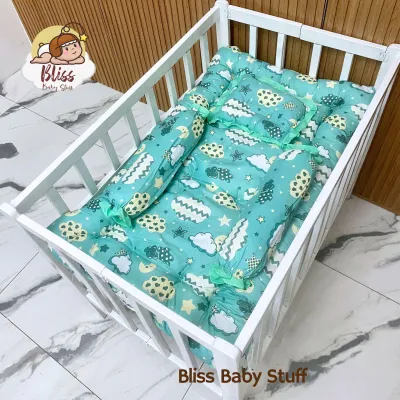
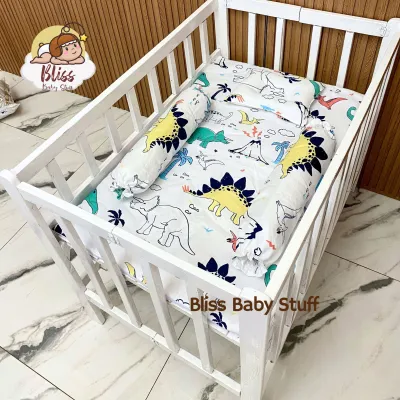
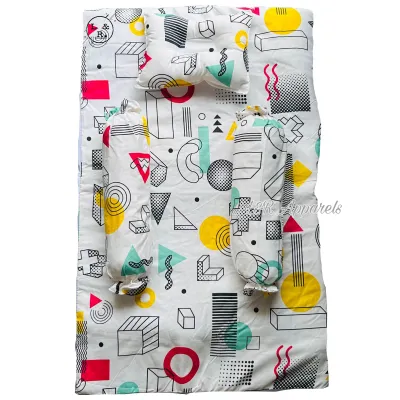
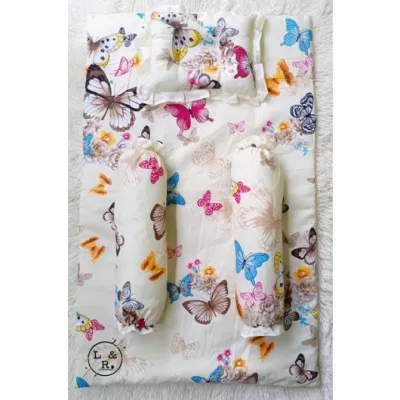
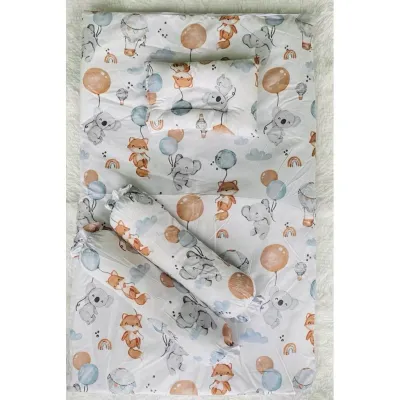
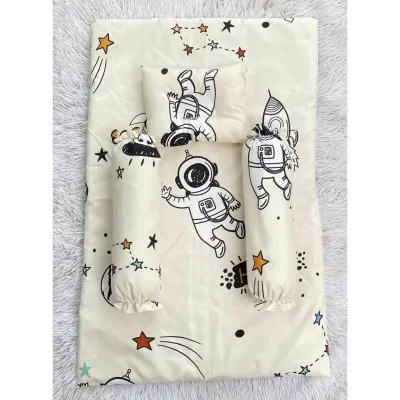
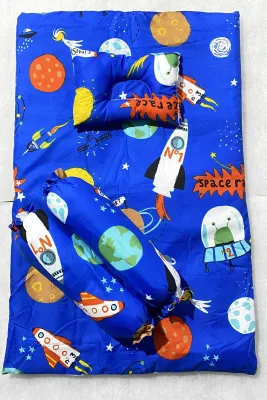
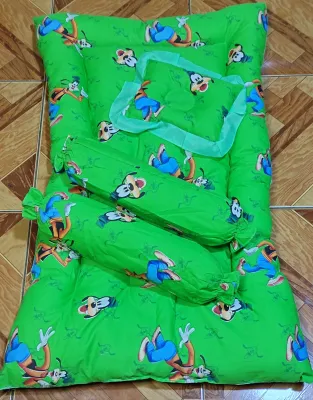
Prices are valid at publication and may change. Please refer to the product page for the latest price.
Always cross-reference the exact measurements listed on the mattress label with the manufacturer specifications of your crib. Standard cribs and playpens require distinct mattress sizes and thicknesses. Never attempt to force a mattress that is too large, as this can cause buckling, nor should you use a mattress that is too small and leaves open voids. Ensuring a seamless, snug fit is a non-negotiable step before allowing your baby to sleep.
Fitted Sheets: Secure Edges and Breathable Fabrics
The fitted sheet is the only layer of bedding that should ever come into direct contact with your newborn. When selecting sheets from a bedding set, inspect the construction of the corners and the elasticity of the edges. A safe fitted sheet must feature deep pockets that wrap completely underneath the mattress corners, secured by a strong, continuous, all-around elastic band. Avoid sheets that only have elastic on the corners, as these can easily slip off, bunch up, or create loose folds of fabric that could cover your baby’s face during movement.

Fabric selection is equally vital, especially in warm, tropical climates where humidity levels remain high throughout the year. Prioritize breathable, natural fibers such as 100% cotton or bamboo linen, which allow air to circulate freely and help regulate your baby’s body temperature. Synthetic materials like polyester blends tend to trap heat and moisture, which can lead to painful heat rashes, skin irritation, and dangerous overheating. The fabric should feel smooth, lightweight, and cool to the touch.
Before washing and using any new sheet, conduct a thorough physical inspection of the entire piece. Check the seams for loose threads, and carefully examine the design for any decorative ribbons, hanging ties, or detachable embellishments. While these details are common in themed bedding sets designed for baby boys, they represent immediate choking and strangulation hazards. If a sheet features any loose or raised decorative elements, it should be replaced with a plain, securely stitched alternative.
What to Strictly Exclude from the Newborn Crib
Many retail bedding sets are marketed as “complete” packages, often bundling decorative pillows, thick quilts, comforters, and padded crib bumpers. While these items look appealing in showroom displays, they have no place in a newborn’s sleep environment. Pediatric health guidelines globally emphasize that a bare crib is the safest crib. Padded bumpers, once thought to protect babies from bumping against crib slats, actually pose a severe risk of suffocation, strangulation, and entrapment, while also restricting fresh airflow within the crib.
Pillows, heavy quilts, and plush comforters must be strictly excluded from the sleep space. A newborn does not require a pillow for head support; in fact, placing a pillow under an infant’s head can force their chin forward onto their chest, potentially blocking their airway. Thick blankets and quilts can easily be pulled over a baby’s face by involuntary startle reflexes, leading to oxygen deprivation. Instead of loose blankets, opt for wearable blankets, swaddles, or sleep sacks that secure snugly around the baby’s torso while leaving their head completely free.
Additionally, keep the crib free of stuffed toys, positional sleepers, and wedge pillows. Although some products claim to keep babies in a specific sleeping position, they are not supported by clinical safety evidence and can create hazardous surfaces if the baby shifts. Your baby boy should sleep solely on his back on a flat, firm surface, completely free of any loose objects or soft materials that could compromise his breathing.
Managing Overheating and Room Temperature
Newborns lack the physiological ability to regulate their own body temperature efficiently, making them highly susceptible to overheating. Overheating is a recognized risk factor for sleep-related infant deaths, particularly in warm tropical regions. To keep your baby safe, you must learn to recognize the physical signs of overheating, which include a chest or back that feels hot to the touch, sweating, damp hair, rapid breathing, or flushed cheeks. If you notice any of these signs, it is crucial to adjust their clothing or the room environment immediately.
When evaluating sleep sacks, swaddles, or wearable blankets included in a bedding set, check the manufacturer’s thermal rating, often measured as a TOG (Thermal Overall Grade) value. For warm, humid climates, look for lightweight fabrics with a low TOG rating (typically 0.5 TOG or lower) to prevent heat retention. Avoid heavy, multi-layered sleep sacks unless you maintain a consistently air-conditioned nursery.
The general rule of thumb for nursery temperature is to keep the room at a level that feels comfortable for a lightly clothed adult. In local homes, this often means utilizing a ceiling fan or a standing fan to promote gentle air circulation, ensuring the fan is not blowing directly onto the baby. If you use an air conditioner, monitor the room temperature with a simple digital thermometer to ensure it does not drop too low or fluctuate wildly, and dress your baby in a single layer of breathable cotton clothing beneath their swaddle or sleep sack.
Verifying Safety Labels and Manufacturer Instructions
Before finalizing any bedding purchase, you must look past the marketing claims and verify the product’s safety credentials through official labels and documentation. Inspect the packaging and product tags for recognized safety certification marks and textile compliance labels, which indicate that the materials have been tested for harmful chemicals, flame retardants, and structural integrity. These labels provide a layer of assurance that the fabrics are safe for prolonged contact with sensitive newborn skin.
Always read the manufacturer’s specific instructions regarding age, weight, and developmental stage limits. Some bedding accessories, such as swaddles or transition sacks, have strict developmental milestones—for example, you must stop swaddling as soon as your baby shows signs of attempting to roll over. Adhering to these manufacturer warnings is essential to prevent accidents as your baby grows and gains mobility.
Finally, make it a habit to check for recent product recalls or safety alerts before using any new or secondhand bedding item. You can search the manufacturer’s official website or local consumer protection databases to ensure the specific model has not been flagged for safety defects. If you ever suspect a product is damaged, has broken stitching, or does not fit your crib securely, stop using it immediately and consult the manufacturer or a qualified pediatric professional for guidance.
Frequently Asked Questions (FAQ)
Can I use a hand-me-down mattress for my newborn baby boy?
Using a secondhand mattress for a newborn carries hidden risks that are not always visible to the naked eye. Over time, mattresses can lose their structural firmness, developing soft spots or indentations that pose a suffocation hazard. Additionally, moisture from spills, spit-up, or humid weather can lead to the growth of mold, mildew, and bacteria deep within the mattress core. If you must reuse a mattress, it must meet strict safety conditions: it must be completely firm and flat, show no signs of sagging, possess a fully intact waterproof cover, and have been stored in a clean, dry, smoke-free environment. If you cannot verify its complete history, investing in a new mattress is the safest choice.
Are themed or heavily patterned bedding sets safe for newborns?
Themed or heavily patterned bedding sets designed for baby boys are generally safe to use, provided the designs are printed directly onto the fabric using non-toxic, baby-safe dyes that comply with textile safety standards. However, you must be cautious of physical decorative elements often found on these themed sets. Avoid sheets or bumpers that feature 3D appliques, raised embroidery, buttons, ribbons, or long tie-ons. These decorative features can easily detach over time through wear and washing, presenting immediate choking hazards or entanglement risks for your newborn. Stick to simple, flat-printed patterns and prioritize fabric safety over elaborate physical decorations.

Community discussion
Share your experience or ask a question. Comments are reviewed before publication.