
Preparing a safe, comfortable, and hygienic sleep environment is one of the most important tasks for expectant parents. When shopping for a baby bed set newborn package, it is easy to get overwhelmed by multi-piece collections filled with decorative items. However, a safe newborn sleep space requires a minimalist approach. A functional newborn bed set should focus strictly on utility and safety, containing only a snug-fitting sheet, a waterproof mattress protector, and wearable blankets or swaddles.
In tropical climates like the Philippines, where high humidity and warm temperatures prevail year-round, selecting the right bedding involves balancing safety with climate-appropriate comfort. Excess layers can quickly lead to overheating, while high humidity makes moisture management a top priority. By focusing on essential, high-quality components, you can create a serene nursery setup that keeps your baby dry, cool, and secure.
Essential Components to Look for in a Newborn Bed Set
When evaluating commercial baby bed sets, the first step is to separate the decorative extras from the functional essentials. A safe crib should be remarkably bare. The most critical component of any bedding set is a fitted crib sheet designed to match the exact dimensions of your crib mattress. A loose sheet can easily bunch up or detach, creating a serious hazard. Always check the product label to ensure the sheet dimensions align perfectly with your mattress width, length, and depth.
Products mentioned in this guide
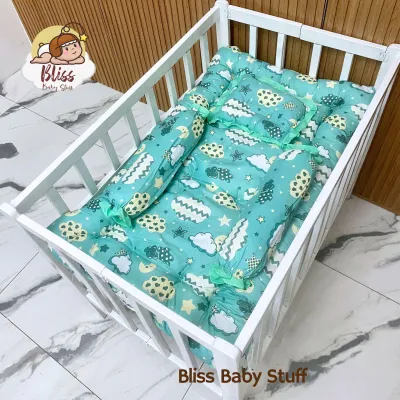
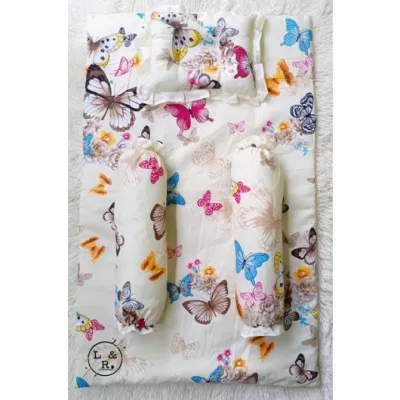
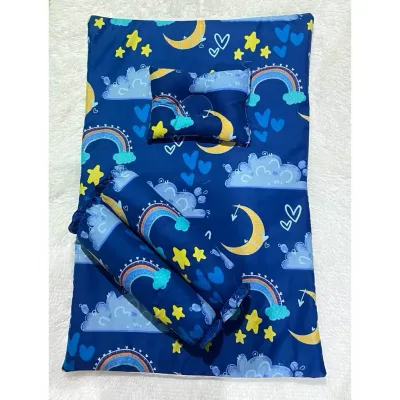
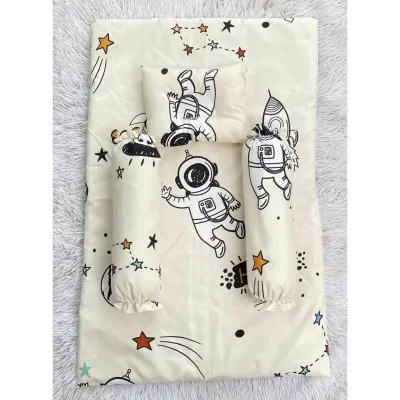
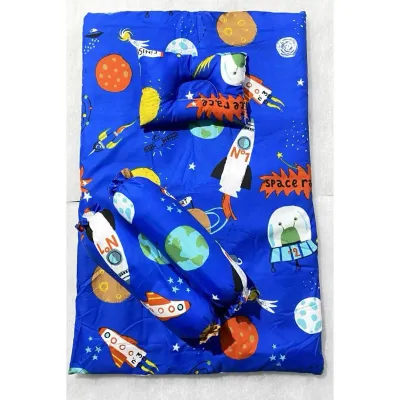
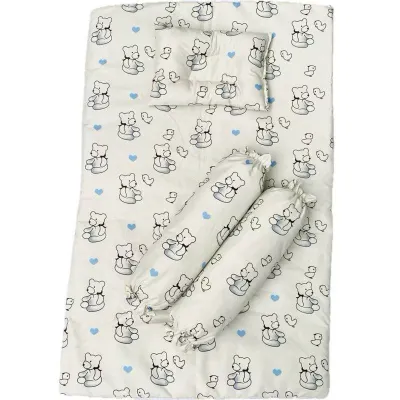
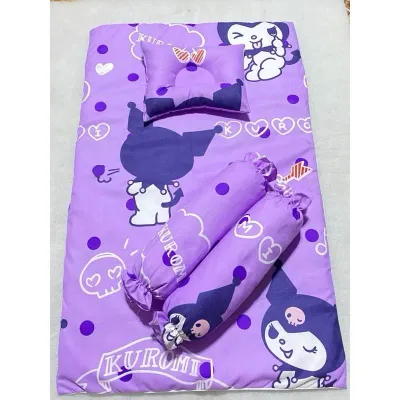
Prices are valid at publication and may change. Please refer to the product page for the latest price.
Another indispensable element is a high-quality waterproof mattress protector. Newborns are prone to diaper leaks, spit-ups, and heavy sweating, especially during warm tropical nights. A waterproof protector acts as a barrier, keeping liquids from soaking into the mattress core where mold, mildew, and bacteria can easily thrive in humid conditions. Look for protectors that utilize a breathable, non-crinkly waterproof backing so that air can still circulate without making loud noises every time your baby moves.
Finally, traditional loose blankets should be replaced with wearable blankets or swaddles. These items are designed to keep your baby warm and comforted without the risk of loose fabric covering their face. When choosing swaddles or sleep sacks within a bed set, verify the manufacturer’s sizing guidelines, which are typically based on your baby’s weight and length rather than age alone. Ensuring a proper fit around the neck and armholes prevents the baby from slipping inside the wearable blanket.
Key Features to Evaluate Before Buying Bedding
Before purchasing any baby bed set newborn package, you must carefully evaluate the fabric care instructions. Newborn bedding requires frequent washing, often multiple times a week. Check the manufacturer’s care labels to ensure the items are fully machine washable and can withstand regular laundering without excessive shrinkage or warping. Fabrics that lose their shape after a few washes may no longer fit the mattress snugly, compromising safety.

Verifying a secure fit is a non-negotiable safety step. When examining fitted sheets, look for designs that feature strong, continuous elastic bands running along the entire perimeter of the sheet, rather than just at the corners. Pocket depth is equally important; the sheet must wrap deeply underneath the mattress so that it cannot be easily pulled loose by an active baby. Measure your mattress thickness beforehand and compare it to the sheet’s pocket depth specifications.
Newborn skin is incredibly delicate and prone to heat rashes and irritation. Prioritize lightweight, breathable weaves such as muslin, percale cotton, or bamboo-derived fabrics. These materials allow heat to dissipate, helping to regulate your baby’s body temperature in warm environments. When reviewing product descriptions, look for manufacturer notes regarding hypoallergenic properties and skin sensitivity, and plan to wash all new bedding with a mild, baby-safe detergent before the first use.
Unsafe Items to Avoid in the Crib
Many beautifully styled bedding sets sold online or in department stores include decorative items that do not belong in a newborn’s sleeping area. Crib bumpers, pillows, heavy quilts, comforters, and stuffed animals should be completely excluded from the crib. While these items are often marketed as cozy or protective, they present significant suffocation, entrapment, and overheating risks for a sleeping infant. Keep the crib surface completely clear of everything except a firm mattress, a fitted sheet, and the baby.
Always read product labels and manufacturer warnings for age appropriateness. Many items bundled in bedding sets, such as toddler pillows or heavy blankets, are only intended for older children. Do not assume that because an item is packaged in a “baby set” it is safe for a newborn. If a set includes these decorative pieces, store them away safely for later childhood use or use them strictly for supervised tummy time on the floor, never inside the crib.
It is also vital to monitor your baby’s developmental milestones to know when to stop using certain transitional bedding items. For example, swaddling must be discontinued as soon as your baby shows any signs of attempting to roll over on their own. At this stage, transitioning to an arms-free wearable blanket is necessary to ensure they can use their arms to reposition themselves if they roll. Always consult your pediatrician or a qualified pediatric sleep specialist if you have questions about safe sleep practices.
How Many Bedding Sets You Actually Need
To keep your nursery running smoothly without constant laundry emergencies, a practical rotation plan is essential. A reliable rule of thumb for first-time parents is the “rule of three” for fitted sheets and mattress protectors. This means having one set currently on the crib mattress, one clean set folded in the closet ready for an immediate change, and one set in the laundry basket or washing machine. This simple system ensures you are never caught unprepared during late-night diaper leaks.
When deciding on the exact quantity to purchase, consider your household’s laundry routine and local weather conditions. In the Philippines, the rainy season can bring consecutive days of high humidity and minimal sunlight, which significantly prolongs air-drying times. If you do not own a mechanical clothes dryer and rely solely on line drying, you may want to increase your inventory to four or five fitted sheets to prevent running out of dry bedding during wet weather.
Balancing your household budget is also easier when you focus your spending on high-quality essentials rather than expensive, multi-piece decorative sets. Instead of buying a costly ten-piece set filled with items you cannot safely use, allocate your budget toward purchasing three or four premium, durable fitted sheets and two high-quality waterproof mattress protectors. This targeted approach ensures your money is spent on items that directly support your baby’s safety and comfort.
Frequently Asked Questions (FAQ)
Does a bed set include the crib mattress?
No, standard baby bedding sets do not include the actual crib mattress. Bed sets are designed to provide the fabric coverings, sheets, and wearable accessories, while the structural mattress must be purchased separately. When buying a mattress, ensure it is firm, flat, and fits your specific crib frame perfectly with no gaps along the sides. Always verify the exact dimensions of your mattress before purchasing fitted sheets to guarantee a tight, secure fit.
How often should I wash the newborn bed sheets?
Newborn bed sheets should be washed at least once a week under normal circumstances, but they will often require more frequent changes due to spit-ups, sweat, and diaper leaks. Because a baby’s skin is highly sensitive, prompt washing prevents bacteria and mold from developing in damp fabric. Always follow the manufacturer’s specific washing and drying instructions, using a gentle, fragrance-free detergent, to preserve the fabric’s integrity, elasticity, and fit over time.

Community discussion
Share your experience or ask a question. Comments are reviewed before publication.