
Selecting the right formula milk for your child is one of the most significant daily decisions you will make as a parent. In the Philippines, supermarket shelves and pharmacy aisles are lined with household names like Nestogen, Nido, NAN, and Enfagrow, each presenting distinct nutritional profiles and developmental promises. Navigating these options requires looking beyond eye-catching packaging to understand how different formulations align with your child’s specific developmental stage, digestive capacity, and nutritional needs.
While marketing campaigns often emphasize unique benefits, the reality is that no single formula brand is universally superior for every child. The ideal choice depends heavily on individual factors such as age, digestive tolerance, taste preference, and specific growth goals. Before making any changes to your child’s diet, especially for infants under 12 months, consulting a pediatrician is an essential first step to ensure safe growth and development.
Quick Guide: Which Brand to Choose Based on Your Child's Needs
Finding the right formula requires matching your child’s unique physiological needs with the specific design of each brand. There is no one-size-fits-all product because children digest nutrients differently and require varying nutritional balances as they grow. A child prone to minor digestive discomfort will need a completely different formulation than an active school-age child who requires dense mineral fortification for physical play.
Products mentioned in this guide

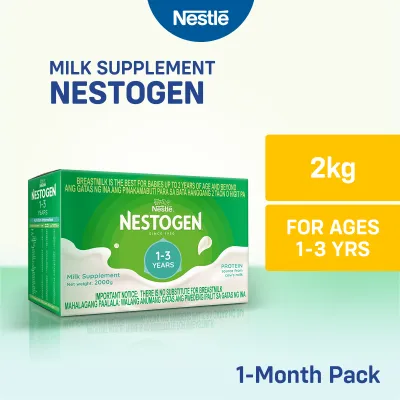
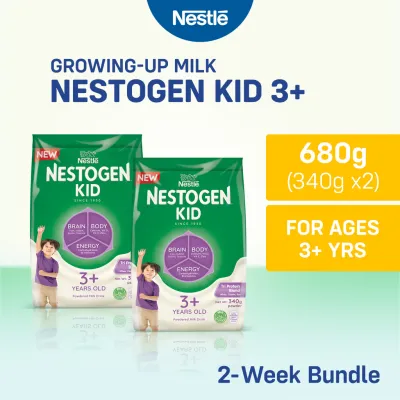
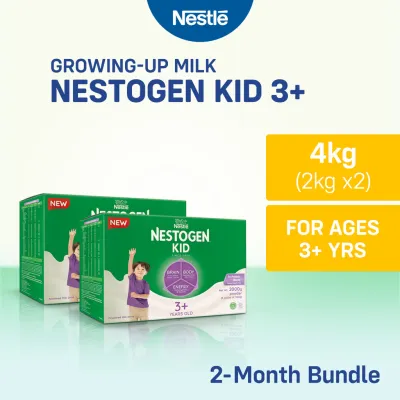
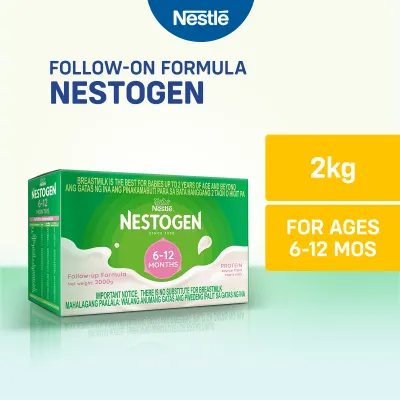
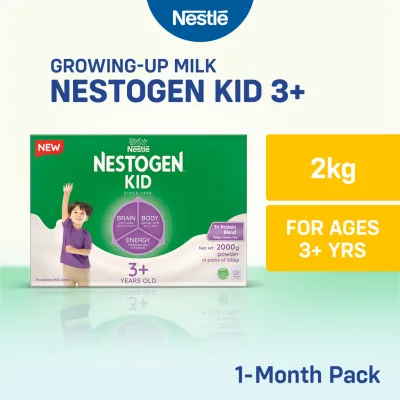
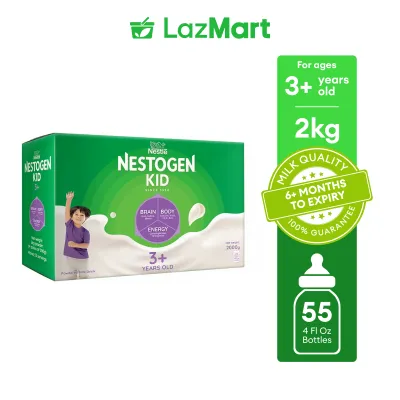
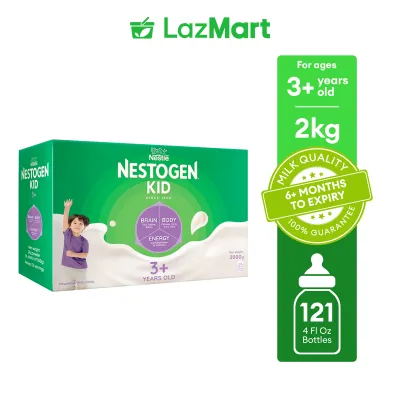
Prices are valid at publication and may change. Please refer to the product page for the latest price.
To simplify your initial comparison, these four major brands can be mapped to distinct nutritional priorities and developmental focuses:
- Nestogen: Formulated primarily to support gentle digestion, comfortable bowel movements, and gut comfort for infants and toddlers prone to minor tummy troubles.
- Nido: Engineered as a fortified milk drink for older toddlers and school-age children, focusing heavily on physical growth, bone strength, and daily immunity.
- NAN: Developed through advanced nutritional science to offer premium immune support, optimized protein profiles, and micro-nutrient balances that closely mimic natural developmental stages.
- Enfagrow: Positioned with a strong focus on cognitive development, utilizing higher levels of brain-supporting nutrients like DHA to fuel rapid mental growth in toddlers and preschoolers.
Regardless of which brand seems to fit your goals, pediatric supervision remains the cornerstone of safe feeding. Infant digestive systems are highly sensitive, and sudden transitions can lead to unnecessary colic, constipation, or allergic reactions. Always discuss formula choices and transitions with your pediatrician to verify that the selected product is safe and appropriate for your child’s health history.
Brand Profiles: Core Focus and Target Age Groups
Understanding the core philosophy and target audience of each brand helps narrow down your choices. Manufacturers design their product lines to address specific developmental milestones, meaning a brand that excels in one age bracket might not be the most practical option for another.

Nestogen: Gentle Digestion and Gut Comfort
Nestogen is widely recognized for its focus on digestive comfort, making it a popular choice for parents concerned about infant colic, gas, and irregular bowel movements. The formulation emphasizes gut health by incorporating specific prebiotic blends designed to foster a healthy gut microbiome and keep stools soft. By supporting easy digestion, this brand aims to minimize the fussiness and discomfort that often accompany early digestive development.
This brand spans multiple developmental stages, offering variants designed for infants up to toddlers. Because digestive capabilities shift rapidly during the first years of life, parents must carefully check the specific Nestogen packaging to ensure the variant matches their child’s exact age bracket. The nutritional density and enzyme-processing requirements of a toddler variant differ significantly from those designed for a newborn.
Nido: Fortified Growth for Toddlers and School-Age Kids
Nido occupies a unique space in the market, focusing primarily on older toddlers, preschoolers, and school-age children rather than early infancy. The brand is designed to meet the high-energy demands of active, growing kids who are transitioning into solid foods but still require a reliable source of liquid nutrition. It is highly valued by parents looking for a robust, everyday milk drink that supports physical vitality.
The nutritional design of Nido focuses on physical growth, skeletal strength, and immune defense. It is heavily fortified with calcium, vitamin D, zinc, iron, and high-quality proteins to support bone elongation and muscle development. Because these products are formulated for older children, they should not be introduced to infants under 12 months, whose kidneys and digestive tracts are not yet mature enough to process such dense nutrient levels.
NAN: Scientific Formulation and Immune Support
NAN represents Nestlé’s premium, scientifically advanced line, targeting parents who prioritize cutting-edge pediatric research. The brand is built around the philosophy of optimizing early-life nutrition through precise protein quality and advanced immune-supporting ingredients. It is frequently recommended for parents who want a highly engineered formula that supports both early physical growth and systemic immune defense.
Key features of the NAN product line often include optimized protein blends designed to be easy on developing organs, alongside specific probiotics and prebiotics that support the gut barrier. Because NAN offers a wide array of specialized variants—ranging from standard infant formulas to hypoallergenic and toddler options—it is critical to read the labels carefully. Matching the specific variant to your child’s precise developmental stage ensures they receive the correct balance of macronutrients.
Enfagrow: Cognitive Development and Brain Nutrition
Enfagrow, produced by Mead Johnson, focuses its scientific and marketing identity on cognitive development and brain nutrition. The brand targets the rapid neurological growth that occurs during the toddler and preschool years. It is designed for parents who want to prioritize nutrients that support memory, focus, and overall brain function as their children begin exploring the world and entering school environments.
To deliver on this promise, Enfagrow formulations are characterized by high levels of Docosahexaenoic Acid (DHA), an omega-3 fatty acid crucial for brain and eye development, alongside other cognitive co-factors. While brain support is the headline benefit, these formulas also contain essential vitamins and minerals for physical growth. Parents should inspect the nutrition information panel of each specific Enfagrow variant, as the exact nutrient ratios are tailored to support different stages of childhood learning.
Key Dimensions to Compare Before Buying
Choosing between these brands requires looking past the front label and examining the practical, nutritional, and biological factors that affect your child’s daily feeding routine.
Age Appropriateness and Stage Transitions
Formula manufacturers divide their product lines into distinct stages—typically labeled Stage 1, Stage 2, Stage 3, and Stage 4—to mirror the natural changes in a child’s nutritional needs. Infant formulas (usually Stages 1 and 2) are highly regulated and designed to serve as a primary source of nutrition, featuring easily digestible proteins and precise mineral levels. Toddler milks (Stages 3 and 4) are formulated to supplement a diet of solid foods, containing higher concentrations of calcium, phosphorus, and proteins.
Feeding a toddler milk to a young infant can cause severe strain on their immature kidneys and digestive tract due to the high protein and mineral content. Conversely, feeding infant formula to an active toddler may leave them deficient in key nutrients like iron and calcium needed for physical growth. Parents must strictly adhere to the manufacturer’s age guidelines printed on the tin and consult their pediatrician before transitioning a child from one stage to the next.
Reading the Nutrition Label: What to Look For
To make an accurate comparison, parents must learn to read the Nutrition Information Panel (NIP) on the back of the package rather than relying on front-of-pack marketing claims. Front labels highlight key ingredients, but the NIP reveals the exact quantities per 100 grams of powder or per 100 milliliters of prepared formula. This quantitative view is the only way to perform an objective, apples-to-apples comparison between competing brands.
When reviewing the NIP, focus on the specific nutrients that align with your child’s current developmental priorities:
- For Digestion: Look at the types and amounts of prebiotics (such as GOS, FOS, or inulin) and note whether active probiotic cultures are listed in the ingredients.
- For Brain Development: Compare the milligrams of DHA and ARA per serving to see which brand offers the most robust cognitive support.
- For Physical Growth: Examine the calcium, vitamin D, and phosphorus levels, which are critical for bone mineralization and skeletal strength.
- For Immunity: Check the values for vitamins A, C, E, selenium, and zinc, which play vital roles in supporting the body's natural defense systems.
Taste, Mixability, and Child Acceptance
Even the most nutritionally perfect formula is useless if your child refuses to drink it. Taste profiles vary significantly between brands; some are formulated to be plain and closely mimic natural milk, while others may have a sweeter profile or subtle vanilla flavors. Children develop distinct sensory preferences early on, and a formula accepted by one sibling might be rejected by another.
Powder mixability is another practical factor, particularly in the warm, humid climate of the Philippines. Some formulations dissolve quickly in lukewarm water, while others require vigorous shaking and may leave clumps or foam, which can trap air and contribute to infant gas. To avoid wasting money on large tins, it is wise to purchase smaller boxes, 150g trial packs, or single-serve sachets to test your child’s acceptance and monitor how their stomach tolerates the new powder.
Evaluating Cost, Value, and Safe Purchasing
Feeding a child formula is a long-term financial commitment, making it necessary to balance nutritional value with your household budget. However, managing costs must never come at the expense of product safety and authenticity.
To find the true economic value of a formula, do not simply compare the retail price of the tins. Instead, calculate the cost per serving by looking at the net weight, the required scoop size, and the recommended water-to-powder ratio. A cheaper tin with a larger scoop size or a higher recommended daily serving frequency may run out much faster than a slightly more expensive tin, ultimately costing you more per month.
In the Philippines, purchasing formula milk safely requires choosing reputable, authorized retail channels. Reliable options include:
- Established physical supermarkets and hypermarkets.
- Reputable, national pharmacy chains.
- Official, verified brand flagship stores on major online marketplaces.
Buying from unauthorized third-party sellers on online platforms carries significant risks. Counterfeit formulas, or genuine products stored in hot, humid, or pest-prone environments, can undergo nutrient degradation or bacterial contamination. When your formula package arrives, immediately inspect the physical security seal, check for any dents or punctures in the tin, verify that the expiration date is well into the future, and cross-reference the manufacturing batch code if you have any safety concerns.
Decision Framework: Choosing the Right Formula for Your Child
To finalize your decision, it is helpful to match your primary parenting priorities and your child’s physiological profile against the specific strengths of each brand.
- Choose Nestogen if: Your child is an infant or young toddler who frequently struggles with hard stools, mild constipation, gas, or general digestive fussiness, and your primary goal is to establish comfortable, regular digestion.
- Choose Nido if: Your child is over one year old, highly active, consuming solid foods well, and you want an affordable, highly fortified milk drink to support their physical growth, bone strength, and daily play.
- Choose NAN if: You prefer a premium, scientifically driven formulation for your infant or toddler, with a strong emphasis on optimized protein quality, advanced immune support, and gut microbiome development.
- Choose Enfagrow if: Your child is a toddler or preschooler undergoing rapid cognitive development, and you want to maximize their intake of brain-supporting nutrients like DHA during their early learning years.
Verify first if: Your child exhibits any signs of food allergies, such as a cow’s milk protein allergy, or severe lactose intolerance. Standard formulations from Nestogen, Nido, NAN, and Enfagrow are based on cow’s milk and are not suitable for children with these medical conditions. If your child experiences persistent vomiting, skin rashes, or bloody stools, stop use immediately and consult a pediatrician, who may prescribe specialized hypoallergenic, extensively hydrolyzed, or lactose-free medical formulas.
Safe Preparation, Switching, and When to See a Doctor
Proper preparation and handling of formula milk are critical to protecting your child from foodborne illnesses and digestive distress. Always wash your hands thoroughly with soap and water before handling bottles or preparation utensils. Ensure all feeding bottles, teats, and collars are meticulously sterilized in boiling water or a dedicated sterilizer before each use.
When preparing the feed, use clean drinking water that has been boiled and allowed to cool to the exact temperature specified on the product tin. Pour the water into the bottle first, then add the exact number of level scoops of powder recommended by the manufacturer. Avoid packing the powder into the scoop or adding extra scoops, as altering the water-to-powder ratio can lead to severe dehydration or nutrient deficiencies. Gently shake or swirl the bottle until the powder is fully dissolved, and always test the milk temperature on the inside of your wrist before feeding.
If you need to switch your child to a different formula brand or stage, do so gradually over several days to allow their digestive system to adapt. Start by replacing one feed a day with the new formula, slowly increasing the proportion of new feeds over three to seven days while monitoring their stool consistency and behavior. If you notice mild gas or a slight change in stool color, this is often a normal part of the adjustment period.
However, you must stop using the formula and seek immediate medical attention from a pediatrician if you observe any of the following red flag symptoms:
- Persistent, forceful vomiting or projectile spitting up.
- Severe, watery diarrhea or stools containing blood or mucus.
- Unexplained skin rashes, hives, or swelling around the face and mouth.
- Difficulty breathing, wheezing, or chronic coughing after feeding.
- Extreme lethargy, unusual irritability, or a complete refusal to feed.
- Failure to gain weight or meet key developmental milestones.
Frequently Asked Questions (FAQ)
Can I mix two different formula brands in one bottle?
No, you should never mix two different formula brands or variants together in the same bottle. Each formula is scientifically calibrated with a precise ratio of powder to water to ensure proper hydration, digestion, and nutrient absorption. Combining different powders alters this delicate balance, which can overload your child’s kidneys, cause severe constipation, or lead to poor nutrient absorption.
How do I know if my child is allergic to a specific formula brand?
Signs of an allergy, such as a cow’s milk protein allergy, typically manifest as skin hives, eczema flare-ups, chronic vomiting, severe colic, wheezing, or blood in the stool. These symptoms differ from mild digestive adjustments like occasional gas. If you suspect an allergy, do not attempt to self-diagnose or switch to other standard brands; consult your pediatrician immediately for proper evaluation and specialized formula recommendations.
Is it safe to buy formula milk from online marketplaces?
It is safe to purchase formula milk online only if you buy directly from the brand’s official flagship store or highly reputable, authorized pharmacy outlets on the platform. Avoid buying from unverified third-party sellers, especially those offering deeply discounted prices. Unauthorized sellers may distribute counterfeit products, expired batches, or formula that has been stored in high temperatures, which degrades its nutritional quality and safety.

Community discussion
Share your experience or ask a question. Comments are reviewed before publication.