
Choosing the right formula milk for your 6 to 12-month-old baby is a highly individualized decision. There is no single “best” formula milk on the market; instead, the ideal choice among Nestogen, Nido, NAN, and Enfagrow depends on your baby’s unique digestive tolerance, specific nutritional needs, and your family’s budget. As infants transition into this crucial mid-first-year stage, their nutritional requirements shift alongside the introduction of solid foods. While each of these prominent brands offers distinct formulations designed for different developmental priorities, your final decision should always be guided by your baby’s observable physical reactions, the manufacturer’s label instructions, and the direct advice of your pediatrician.
Understanding Brand Positioning and Target Needs
To navigate the crowded shelves of the baby care aisle, it helps to understand how manufacturers position each brand to meet specific infant needs. Nestogen is typically positioned by its manufacturer to support digestive comfort and regular bowel movements. It often highlights specific fiber blends or prebiotic components aimed at keeping your baby’s stool soft and consistent, making it a common choice for parents concerned about occasional constipation or digestive discomfort during the transition to solids.
Nido, on the other hand, is widely recognized as a brand focusing on overall physical growth and immune support. It is often marketed as a fortified milk drink designed to complement the diet of older infants and toddlers. Because Nido’s product lineup spans multiple age brackets, parents must exercise extra caution. You must strictly verify the packaging to ensure you are selecting a variant specifically labeled for the 6-12 month stage, rather than a toddler formulation intended for children aged one year and older.
Products mentioned in this guide
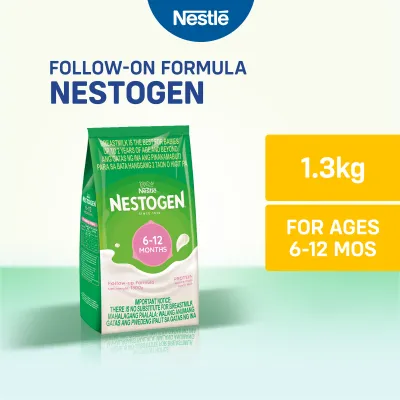



Prices are valid at publication and may change. Please refer to the product page for the latest price.
NAN is generally formulated with a strong emphasis on early gut health and natural defense mechanisms. Its product lines frequently feature specific probiotics or optimized protein profiles designed to mimic the digestive ease of natural infant nutrition. This brand is often selected by parents who prioritize building a balanced gut microbiome and supporting their baby’s developing immune system from the inside out.
Enfagrow typically emphasizes cognitive development and brain support in its marketing and formulation. Its targeted nutrient profiles often highlight key structural lipids and fatty acids, such as Docosahexaenoic Acid (DHA), which are vital for rapid brain and visual development during the first year of life. When evaluating these options, always remember that product lines can vary significantly by region; always read the front and back labels of the specific container in your hands to confirm it is designed for the 6-12 month age range.
Comparing Key Nutritional Profiles on the Label
Because manufacturers frequently update their recipes and ingredient ratios, relying on historical comparisons or word-of-mouth recommendations is not enough. Parents should learn to read and compare the nutritional information panels directly on the packaging. When analyzing macronutrients, look closely at the sources of protein, fat, and carbohydrates. Pay attention to the carbohydrate source: some formulas rely entirely on lactose, the naturally occurring sugar in breast milk, while others may incorporate alternative carbohydrates like maltodextrin or corn syrup solids to manage sweetness, solubility, or digestive transit time.

Micronutrients require equal scrutiny during the 6-12 month developmental window, as this is a period when an infant’s natural iron stores begin to deplete. Check the label to compare the exact levels of iron, calcium, and vitamin D per 100 grams or per serving. Ensure these levels align with standard pediatric recommendations for older infants who are beginning to explore solid foods. A formula with adequate iron is particularly crucial during this stage to support healthy blood cell development and overall energy levels.
Added functional ingredients are another key point of comparison. Look at the ingredient list to identify the presence and declared amounts of DHA, Arachidonic Acid (ARA), prebiotics (such as GOS and FOS), or specific probiotic strains (such as Lactobacillus reuteri or Bifidobacterium lactis). Note that the mere presence of these ingredients is less important than their position on the ingredient list and their declared values on the nutritional panel, which allow you to make an accurate side-by-side comparison between brands.
Finally, take a close look at the sugar content and the types of sweeteners used. While infants require carbohydrates for energy, identifying added sugars like sucrose on the ingredient list can help you make an informed choice. Opting for formulas where lactose is the primary carbohydrate source is often preferred by pediatricians to avoid introducing unnecessary sweetness early in life, which can influence a baby’s taste preferences as they transition to solid foods.
Digestibility and Tolerance Considerations
Even the most nutritionally complete formula will not benefit your baby if their digestive system cannot tolerate it. When transitioning your baby to a new formula, it is essential to distinguish between normal, temporary adjustment signs and genuine symptoms of intolerance. During the first week or two on a new formula, mild changes in stool color, consistency, or frequency are common as the infant’s gut microbiome adapts to the new nutrient ratios.
The structure of the proteins in the formula plays a major role in how easily your baby digests their meals. Different brands utilize varying whey-to-casein ratios, which you can often verify on the nutritional panel or ingredient list. Formulas with a higher whey-to-casein ratio tend to form softer curds in the stomach, mimicking the digestibility of breast milk, whereas formulas with higher casein content may take longer to digest. Understanding these structural differences can help you identify why one brand might cause more gas or bloating than another.
While mild gas or slight fussiness can be part of a normal transition, certain symptoms require immediate action. You should stop using a formula and consult your pediatrician immediately if your baby exhibits signs of severe intolerance or an allergic reaction. These critical warning signs include unexplained skin rashes or hives, persistent or projectile vomiting, severe abdominal bloating, blood or mucus in the stool, or sudden, watery diarrhea. Never attempt to manage suspected milk protein allergies or severe digestive distress by switching formulas repeatedly without professional medical supervision.
Evaluating Cost and Purchasing Convenience
Managing household expenses is a practical reality for families in the Philippines, making it important to evaluate the true cost of formula milk rather than relying solely on the retail price tag. To calculate the actual cost per serving, do not just compare the price of the tin or pouch. Instead, look at the manufacturer’s preparation instructions to find the exact weight of a single scoop and the volume of water required per feed. Divide the total retail price of the package (in ₱) by the total number of servings the package yields to find the cost per bottle, which gives you a highly accurate basis for financial comparison.
The packaging format also influences both value and product preservation, especially in a warm, humid tropical climate. Formula is commonly sold in tins, pouches, or cardboard box refill packs. While pouches and refill packs often present a lower initial purchase price, they require careful handling to protect the powder from moisture, pests, and spoilage. If you choose pouch options, you must transfer the powder to a clean, airtight container or use a secure sealing clip, keeping in mind that exposure to high humidity can cause the powder to clump and degrade quickly.
Purchasing convenience and supply chain reliability are equally vital factors to consider. A formula might check every nutritional and financial box, but if it is frequently out of stock in your local area, the resulting sudden brand switches can disrupt your baby’s digestion. Check the consistent availability of your chosen brand at local supermarkets, neighborhood pharmacies, and official brand flagship stores on major e-commerce platforms. Buying exclusively from official or authorized online sellers ensures you receive authentic products with intact safety seals and valid expiration dates.
Decision Framework: Which Formula Should You Choose?
To help streamline your selection process, you can use a conditional decision framework based on your baby’s observable needs, your pediatrician’s guidance, and your family’s practical circumstances.
Choose Nestogen if your primary goal is to support your baby’s digestive comfort and bowel regularity at an accessible price point, and your baby shows positive tolerance to its specific prebiotic or fiber blend without excessive gas.
Choose Nido if you are looking for a cost-effective, fortified milk option for an older infant who is already successfully consuming a variety of solid foods, and you have carefully verified that the specific packaging is explicitly labeled and approved for the 6-12 month age range.
Choose NAN if you want to prioritize early gut health, immune support, and a balanced microbiome through advanced probiotic and optimized protein formulations, and your budget comfortably accommodates a premium product tier.
Choose Enfagrow if your main priority is providing targeted nutrient profiles rich in DHA and other structural lipids to support rapid cognitive and visual development, your baby accepts the taste of the formulation, and the higher price per serving fits within your monthly household budget.
Before making any final purchase or transition, you must verify if your baby has a known allergy, lactose intolerance, or a specific medical condition. Infants with diagnosed cow’s milk protein allergy or metabolic disorders require specialized, hypoallergenic, or therapeutic formulas that must be prescribed and monitored by a qualified medical professional.
Frequently Asked Questions (FAQ)
Can I mix two different formula brands in one bottle?
No, you should not mix two different formula brands together in a single bottle. Each brand uses a unique scoop size, powder density, and specific water-to-powder ratio designed to deliver a precise balance of nutrients and hydration. Mixing powders can easily lead to over-concentration or under-concentration of the feed, which can strain your baby’s developing kidneys or cause dehydration and digestive distress. If you are transitioning from one brand to another, it is safest to finish one brand completely or transition by replacing entire individual feeding sessions gradually over several days, rather than mixing the powders in one container.
How long does it take for a baby to adjust to a new formula?
It typically takes about one to two weeks for an infant’s digestive system to fully adjust to a new formula brand. During this transition window, you may observe mild changes in their stool consistency, color, or gas patterns, which are generally normal as the gut flora adapts to the new ingredients. However, if your baby exhibits persistent fussiness, severe abdominal pain, vomiting, or diarrhea that lasts beyond a few days, these are clear indicators that the new formula may not be a good fit, and you should consult your pediatrician.
Is it safe to buy formula milk from online stores?
Yes, buying formula milk online is safe provided you follow strict quality and security checks. Always purchase exclusively from official brand flagship stores or highly reputable, authorized distributors on major e-commerce platforms to avoid counterfeit or improperly stored products. When your package arrives, inspect the shipping box and the product container thoroughly; do not use the formula if the outer seal is broken, the tin is severely dented, or the expiration date is missing or expired.

Community discussion
Share your experience or ask a question. Comments are reviewed before publication.