
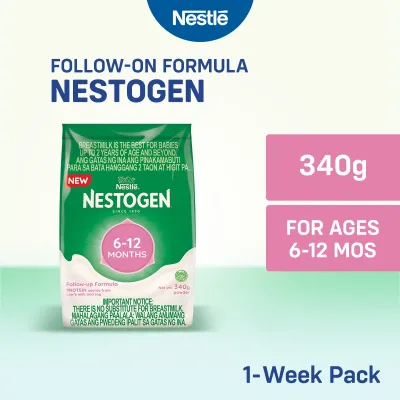
Choosing the right follow-on formula for your growing baby is one of the most important nutritional decisions you will make during their first year. As your child transitions from exclusive breastfeeding or Stage 1 infant formula, their nutritional requirements change dramatically to support rapid physical and cognitive milestones. Selecting a product like nestogen 6 to 12 months or its close competitors requires a careful balance of digestive comfort, developmental support, and household budget.
While Nestogen, NAN, and Enfagrow are prominent options in the Philippine market, each brand targets a distinct aspect of infant development. Nestogen is widely recognized for prioritizing digestive comfort and ease of bowel movements, whereas NAN focuses heavily on immune support and gut microbiome health. Meanwhile, Enfagrow positions itself around cognitive and brain development.
Parents must also exercise extreme caution regarding Nido. In the Philippines, the standard Nido products found on supermarket shelves, such as Nido 1+, are powdered milk drinks formulated specifically for toddlers aged one year and older. Feeding toddler milk to an infant under 12 months can lead to severe nutritional imbalances and physical strain on their developing organs. You must strictly verify whether a specific Nido product is explicitly labeled as an approved “Follow-on Formula” for the 6-12 month age range before considering it. Always consult your pediatrician before introducing or switching any formula to ensure it aligns with your baby’s unique health profile.
Products mentioned in this guide

Prices are valid at publication and may change. Please refer to the product page for the latest price.
Understanding Stage 2 Needs for 6 to 12 Month Olds
At the six-month mark, your baby enters a phase of rapid physical growth and developmental milestones, such as sitting up, rolling over, and beginning to crawl. This period also marks the introduction of solid foods, known as complementary feeding. While solids introduce your baby to new textures and flavors, they do not replace milk. Follow-on formula remains the primary source of baseline nutrition, hydration, essential fats, and proteins during this transitional phase.
One of the most critical physiological shifts at six months is the natural depletion of your baby’s maternal iron stores. During gestation, babies accumulate iron from their mothers, which typically lasts for the first half-year of life. By six months, this store is largely exhausted, making external iron intake vital to prevent iron-deficiency anemia and support healthy brain development. Consequently, Stage 2 formulas are specifically enriched with higher levels of iron compared to Stage 1 formulas.
Beyond iron, you must look for key nutrients on the product label to support overall growth. Calcium and Vitamin D are essential for bone mineralization and tooth development as your baby prepares for teething. Essential fatty acids, such as Alpha-Linolenic Acid (ALA) and Linoleic Acid (LA), serve as precursors for brain and eye development. These nutrients must be present in balanced ratios to ensure optimal absorption and utilization by your baby’s body.
It is vital to understand the regulatory and nutritional distinctions between “Infant Formula” (designed for babies aged 0-6 months) and “Follow-on Formula” (designed for babies aged 6-12 months). Infant formulas are engineered to serve as a sole source of nutrition, mimicking breast milk as closely as possible with lower protein concentrations to protect immature kidneys. Follow-on formulas contain adjusted protein levels, altered whey-to-casein ratios, and elevated mineral concentrations to complement a diet that now includes solid foods. Giving a baby the wrong stage can lead to digestive distress or nutritional gaps.
Brand-by-Brand Breakdown: What to Verify on the Label
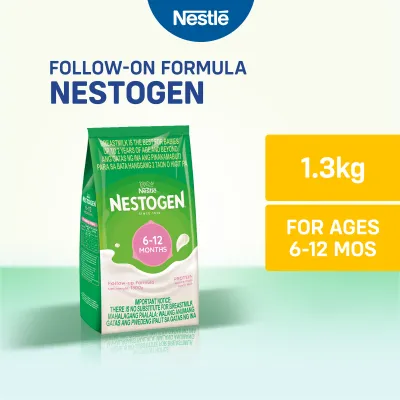
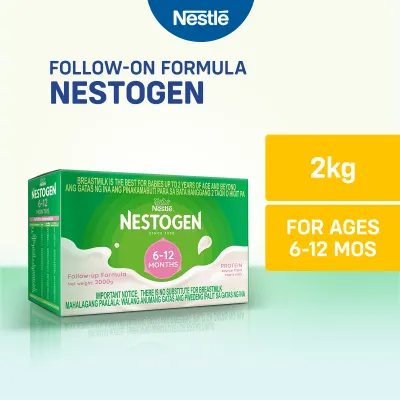
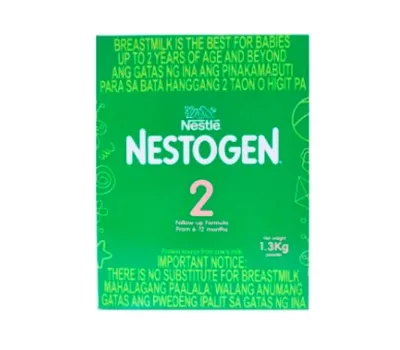
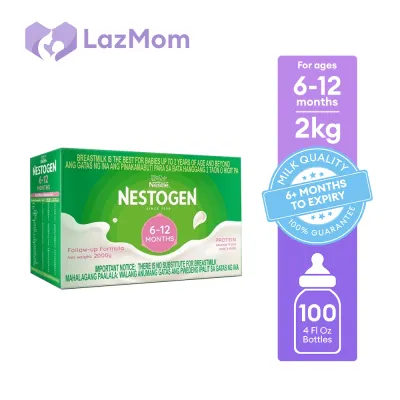
Nestogen 2
Nestogen Stage 2 is widely recognized among Filipino parents as a budget-friendly option designed to support digestive comfort. Its primary formulation goal is to promote soft, regular bowel movements, which is a common concern for babies transitioning to solid foods. The brand focuses on reducing the likelihood of constipation and hard stools, which can cause significant distress to both infants and caregivers.

When evaluating a tin of Nestogen Stage 2, you should check the ingredients list for specific prebiotics. Look for Galacto-oligosaccharides (GOS) and Fructo-oligosaccharides (FOS). These dietary fibers serve as food for beneficial gut bacteria, helping to maintain a healthy digestive tract. Additionally, verify the protein source and the whey-to-casein ratio on the nutrition facts panel. A higher whey content generally makes the formula easier to digest, as whey remains liquid in the stomach, while casein forms a firmer curd.
Because the Philippines has a highly humid tropical climate, proper storage of Nestogen is crucial. High humidity can cause the powder to absorb moisture quickly once the tin is opened, leading to clumping. Always store the tightly sealed tin in a cool, dry pantry, and never in the refrigerator, to prevent bacterial growth and preserve the integrity of the prebiotic fibers.
NAN 2
NAN Stage 2 is positioned as a premium formula centering on immune support and gut microbiome development. The brand utilizes advanced nutritional science to help strengthen your baby’s natural defenses during a period when they are increasingly exposed to environmental pathogens through crawling and mouthing objects.
When examining the NAN Stage 2 label, look for active probiotic cultures, specifically strains such as Bifidobacterium lactis. Probiotics are live, beneficial microorganisms that actively colonize your baby’s digestive tract, helping to crowd out harmful bacteria and support the gut barrier. You should also check the packaging for immune-building micronutrients, including Zinc, Selenium, and Vitamins A, C, and D, which play collaborative roles in maintaining immune function.
It is important to note that probiotics are highly sensitive to heat. When preparing NAN Stage 2, you must strictly follow the manufacturer’s instructions regarding water temperature. Mixing the powder with boiling or excessively hot water will kill the live probiotic bacteria, neutralizing the immune-support benefits. Always allow boiled water to cool down to the recommended lukewarm temperature before adding the formula.
Enfagrow Stage 2
Enfagrow Stage 2 focuses heavily on cognitive development, brain structure, and visual acuity. This brand is tailored for parents who wish to prioritize nutrients associated with rapid neural connections during the peak brain growth window of the first year.
On the Enfagrow nutrition panel, verify the presence and exact concentrations of Docosahexaenoic Acid (DHA) and Arachidonic Acid (ARA). These are long-chain polyunsaturated fatty acids that serve as structural building blocks for the brain and retina. Additionally, check the label for Milk Fat Globule Membrane (MFGM), a complex lipid-protein coating that surrounds milk fat droplets. Research suggests that MFGM, working in tandem with DHA, supports cognitive outcomes and behavioral development.
Compare the DHA and ARA levels listed on the tin against standard daily recommended intakes for infants. While these brain-supportive nutrients are highly beneficial, ensure your baby does not have a sensitive stomach, as highly enriched lipid profiles can sometimes require a brief adjustment period for sensitive digestive systems.
Nido (Crucial Age and Category Check)
Nido is a household name in the Philippines, frequently associated with affordable, high-quality dairy nutrition. However, there is widespread confusion regarding its suitability for infants. Popular variants like Nido 1+ or Nido 3+ are strictly classified as toddler milk drinks or school-age milk formulas. They are designed for children aged one year and older and are completely inappropriate for babies under 12 months.
Feeding a 6-12 month old baby a standard toddler milk drink can have serious health consequences. Toddler milks often contain much higher protein and sodium levels than an infant’s kidneys can safely filter. Furthermore, they lack the precise iron, vitamin, and fatty acid ratios required to sustain healthy infant development, putting your baby at risk for nutritional deficiencies or metabolic stress.
If you are considering Nido, you must search specifically for a designated “Stage 2 Follow-on Formula” variant that is legally certified and labeled for babies aged 6-12 months. If such a specialized infant product is not actively distributed or approved by regulatory bodies in your local area, you must completely exclude Nido from your shortlist and opt for a dedicated infant formula brand.
Key Comparison Dimensions for Parents
Digestibility and Tummy Comfort
When comparing formulas, digestibility should be a primary consideration. A baby’s digestive system is still maturing, and the introduction of solid foods can cause temporary issues like gas, bloating, and constipation. To evaluate how well your baby might tolerate a formula, look closely at the protein composition and prebiotic or probiotic content.
- Whey-to-Casein Ratio: Human breast milk has a high whey-to-casein ratio (around 60:40 or higher), making it highly digestible. Infant formulas often adjust their ratios to match this. Stage 2 formulas may shift closer to a 50:50 or 40:60 ratio because older infants produce more digestive enzymes to break down casein. If your baby is prone to colic or hard stools, look for a formula with a higher whey fraction.
- Prebiotics vs. Probiotics: Prebiotics (like GOS and FOS) act as non-digestible fibers that feed your baby's existing good gut bacteria. Probiotics (like Bifidobacterium) are actual live bacteria introduced into the gut. Formulas that combine both are known as synbiotic formulas, which can offer comprehensive support for a sensitive stomach.
Brain and Immune Development
Evaluating brain and immune nutrients requires looking past front-of-pack marketing claims and analyzing the actual ingredient levels on the nutrition facts label. Use this checklist to compare products:
- DHA and ARA: Verify that these fatty acids are sourced from high-quality, safe oils (such as microalgae or fish oil) and are present in balanced ratios.
- Nucleotides: These are structural units of nucleic acids that support cell division and assist in the development of the infant immune system and gastrointestinal tract.
- Vitamins and Minerals: Ensure the formula meets regulatory standards for Iron, Zinc, Vitamin A, Vitamin C, and Vitamin E, which are essential for maintaining the body's natural defenses.
Keep in mind that more is not always better. Infant formulas are highly regulated, and reputable brands formulate their products to fall within safe, clinically tested ranges. Excessively high concentrations of certain minerals can compete with other nutrients for absorption or cause digestive discomfort.
Calculating Value and Cost per Serving
Because formula feeding is a significant, ongoing daily expense, calculating the true cost per serving is far more accurate than simply comparing the shelf price of a tin. Follow these steps to determine the actual value of each brand in Philippine Pesos (₱):
- Identify the Net Weight: Note the total grams in the tin (e.g., 800g vs. 900g).
- Check the Scoop Size: Look at the preparation instructions to find the weight of a single scoop of powder (e.g., 4.5 grams).
- Calculate Total Scoops Per Tin: Divide the net weight of the tin by the scoop weight (e.g., 800g / 4.5g = approximately 177 scoops).
- Determine Scoops Per Bottle: Note how many scoops are required for a standard feed (e.g., 7 scoops for a 210ml bottle).
- Calculate Total Bottles Per Tin: Divide the total scoops per tin by the scoops required per bottle (e.g., 177 scoops / 7 scoops = approximately 25 bottles).
- Calculate Cost Per Bottle: Divide the retail price of the tin by the total number of bottles it yields (e.g., ₱850 / 25 bottles = ₱34 per bottle).
When purchasing formula in the Philippines, always buy from reputable supermarkets, drugstores, or authorized official flagship stores on online marketplaces. Avoid purchasing from unauthorized third-party online sellers, as improper storage in hot, humid warehouses can degrade the nutrients, and there is a risk of purchasing counterfeit products.
Decision Framework: Which One Should You Choose?
To help you finalize your decision, consider this conditional framework based on your baby’s specific developmental needs and physical responses:
- Choose Nestogen 2 if: Your baby is prone to mild digestive discomfort, hard stools, or painful gas, and you want an affordable, accessible option that prioritizes tummy comfort through prebiotic fibers like GOS and FOS.
- Choose NAN 2 if: Your primary goal is to support your baby's immune system and establish a healthy gut microbiome, and you are comfortable paying a slightly higher price for a formula containing active probiotic cultures.
- Choose Enfagrow Stage 2 if: You want to focus on cognitive and visual development, your baby has no history of digestive sensitivity, and you want a premium formula enriched with high levels of DHA, ARA, and MFGM.
- Verify Nido first: Do not purchase Nido unless you have physically verified that the specific product is labeled as a "Stage 2 Follow-on Formula" for infants aged 6-12 months. If it is a toddler drink labeled "1+" or "3+", do not buy it for your infant.
If your baby shows signs of a cow’s milk protein allergy, severe lactose intolerance, or persistent, projectile reflux, standard formulas will not be suitable. Symptoms can include severe eczema, blood or mucus in the stool, chronic diarrhea, or failure to gain weight. In these cases, you must immediately stop using standard formulas and consult your pediatrician. They may prescribe specialized, hypoallergenic, extensively hydrolyzed, or amino acid-based therapeutic formulas.
Frequently Asked Questions (FAQ)
Can I mix two different formula brands in one bottle?
No, you should never mix two different formula brands or different stages of formula within the same bottle. Each formula brand is engineered with a highly precise ratio of powder to water to ensure proper nutrient density and osmolarity. Mixing different powders alters this delicate balance, resulting in a solution that is either too concentrated or too diluted. This can put dangerous strain on your baby’s immature kidneys, cause severe digestive distress, or lead to dehydration and nutrient malabsorption. If you are transitioning your baby from one brand to another, do so gradually by replacing one entire feeding bottle per day with the new brand, rather than mixing them together.
How do I know if my baby is allergic or just adjusting to a new formula?
It is common for babies to experience minor, temporary changes when adjusting to a new formula. Normal transition symptoms include mild changes in stool color (such as turning green or yellow), a slight shift in stool consistency, or mild gas. These symptoms typically resolve within one to two weeks as your baby’s digestive tract adapts.
Conversely, a true allergic reaction or intolerance involves the immune system and presents with distinct red flags. These include hives, swelling of the face or lips, persistent vomiting, severe diarrhea, blood or mucus in the stool, extreme fussiness during or immediately after feeds, or unexplained weight loss. If you observe any of these severe symptoms, stop using the formula immediately and seek professional medical care from your pediatrician.

Community discussion
Share your experience or ask a question. Comments are reviewed before publication.