
Transitioning your child from breastmilk or infant formula to toddler milk is a significant milestone that often comes with a flood of questions. As your little one reaches one year of age, their nutritional needs shift dramatically to support rapid physical growth, active play, and cognitive milestones. In the Philippines, where parents navigate a bustling market of dairy options, three household names consistently stand out: Nestogen, Nido, and Enfagrow. Each of these brands positions itself as the ideal partner for your child’s developmental journey, but they cater to very different parental priorities, budgets, and toddler needs.
Choosing the right toddler milk requires looking beyond eye-catching packaging and memorable television commercials. Because every child’s digestive system, taste preference, and nutritional requirements are unique, the “best” milk is ultimately the one that aligns with your toddler’s health profile and your family’s daily routine. By comparing their core nutritional ingredients, specific health claims, average cost per serving, and overall ease of preparation, you can make an informed decision that supports your child’s growth without putting unnecessary strain on your household budget.
Quick Answer: Which Toddler Milk Should You Choose?
To help you make an immediate decision, you can use this condition-based framework to identify which brand best matches your current priorities. Remember that while these guidelines reflect general brand formulations, you should always verify the specific details on the product label before purchasing.
Products mentioned in this guide


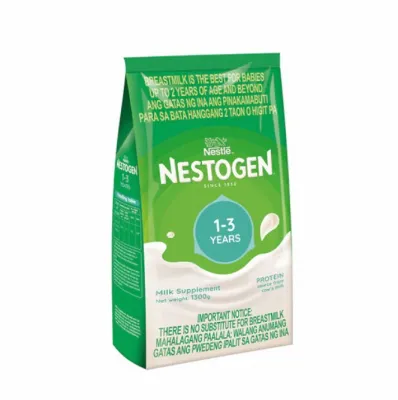
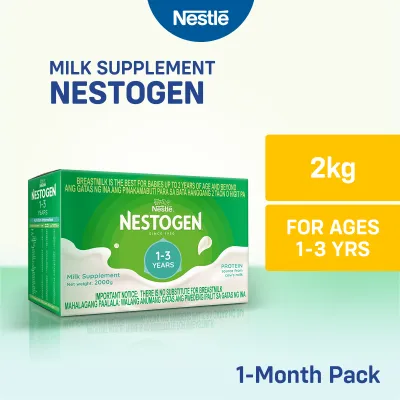
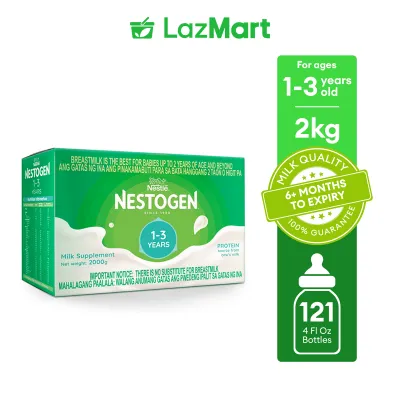

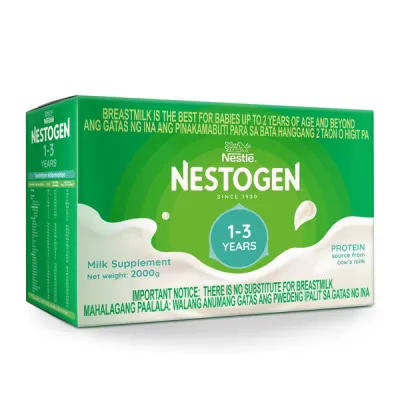
Prices are valid at publication and may change. Please refer to the product page for the latest price.
- Choose Nestogen 3 if your primary concern is digestive comfort, regular bowel movements, and budget-friendly gut health support. This brand typically emphasizes prebiotic blends designed to keep your toddler's tummy happy and comfortable.
- Choose Nido 1+ if you are looking for a widely accessible, cost-effective option that provides solid foundational nutrition, immune support, and a familiar taste that toddlers readily accept.
- Choose Enfagrow A+ Four if brain development, cognitive support, and premium nutrient profiles are your top priorities, and you are comfortable with a higher price point per serving.
It is crucial to remember that toddler milk is formulated as a nutritional supplement to complement a balanced solid-food diet. It is not designed to replace regular meals or serve as a medical cure for underlying health issues. If your child has specific food allergies, pre-existing medical conditions, or is experiencing poor weight gain, always consult a pediatrician before introducing or switching toddler milks.
Nutritional Profiles: Comparing the Core Ingredients
Understanding how to read the nutrition facts label on a milk tin is an essential skill for every parent. When evaluating toddler milks, you should pay close attention to the serving size, the carbohydrate sources, and the protein-to-fat ratios. The serving size determines the concentration of nutrients your child receives in a single glass, while the carbohydrate source tells you whether the energy comes from natural milk sugars or added sweeteners.

Carbohydrate sources are particularly important when comparing these three brands. While lactose is the naturally occurring sugar in cow’s milk, some formulations include added sugars such as sucrose, maltodextrin, or corn syrup solids to enhance flavor and texture. Pediatric dentists and nutritionists generally recommend minimizing added sugars in a toddler’s diet to prevent early childhood dental caries and to avoid shaping a preference for overly sweet foods. Checking the ingredient list will help you identify which sugars are dominant in each specific formulation.
Proteins and lipids provide the structural building blocks for your toddler’s muscles and organs. Toddler milks utilize dairy-derived proteins, often balanced with vegetable oil blends to deliver essential fatty acids. Additionally, you should look for essential micronutrients that support development in a tropical climate like the Philippines. Iron is vital for preventing cognitive delays, Calcium and Vitamin D support strong bone development, and Zinc helps maintain healthy skin and immune defenses.
| Brand/Variant | Carbohydrate Source | Key Vitamins/Minerals | Added Flavors/Sugars |
|---|---|---|---|
| Nestogen 3 | Verify on packaging (typically lactose and maltodextrin) | Iron, Zinc, Calcium, Vitamin D, Vitamin C | Verify on packaging (typically plain flavor) |
| Nido 1+ | Verify on packaging (typically lactose and sucrose) | Calcium, Zinc, Iron, Vitamins A, C, D | Verify on packaging (often plain or honey notes) |
| Enfagrow A+ Four | Verify on packaging (typically lactose and corn syrup solids) | DHA, Iron, Zinc, Calcium, Vitamin D | Verify on packaging (often plain or vanilla) |
Note: Because manufacturers frequently update their formulations to reflect the latest pediatric research, always check the back of the tin for the most current and accurate nutritional yield per serving.
Health Claims: Brain, Immunity, and Digestive Support
Each brand uses distinct scientific terminology to market its health benefits. Translating this jargon into practical, real-world advantages helps you understand exactly how each milk supports your toddler’s daily physical and cognitive activities.
Brain and Cognitive Development
Brain development occurs at a rapid pace between the ages of one and three. Enfagrow heavily emphasizes its cognitive support benefits, highlighting high levels of Docosahexaenoic Acid (DHA) alongside specialized lipid structures like Milk Fat Globule Membrane (MFGM). DHA is an omega-3 fatty acid that serves as a primary structural component of the brain and retina. While Nestogen and Nido also contain essential fatty acids or baseline DHA levels to support general development, Enfagrow positions itself as a premium option specifically engineered to maximize cognitive pathways. However, keep in mind that while dietary DHA supports brain structure, cognitive growth is equally driven by interactive play, language exposure, and daily learning activities.
Immune System Support
In a tropical environment where seasonal changes and common schoolyard bugs are prevalent, a robust immune system is a top priority for parents. Nido 1+ and Enfagrow both emphasize immune-supporting nutrients, specifically focusing on a combination of Vitamin C, Zinc, Iron, and Vitamin A. These micronutrients work together to maintain physical barriers like the skin and intestinal lining, while also supporting the production of immune cells. While these fortified milks provide a helpful daily baseline of micronutrients, a toddler’s immune health also relies heavily on consistent sleep, proper hygiene practices, routine pediatric vaccinations, and a diverse diet rich in whole foods.
Digestive Health and Gut Flora
Digestive comfort is a common concern for parents, especially during the transition phase when a toddler’s digestive tract is adapting to new solid foods. Nestogen 3 is widely recognized for its focus on digestive comfort, often incorporating active probiotic cultures such as Lactobacillus reuteri or specific prebiotic fiber blends. These components help nourish beneficial gut bacteria, which can assist in softening stools and promoting regular bowel movements. Nido 1+ also features its proprietary Prebio3 fiber blend, which serves a similar prebiotic purpose. If your toddler is prone to mild constipation or occasional tummy discomfort during dietary transitions, a milk that prioritizes prebiotic or probiotic support may offer significant relief.
Price and Value: Calculating the Cost per Serving
When managing a household budget in the Philippines, looking only at the retail price of a milk tin can be misleading. A larger, more expensive tin might actually contain more servings or require fewer scoops per glass, making it more economical in the long run. To find the true financial commitment, you should calculate the cost per serving using a simple formula.
To calculate this, divide the retail price of the package by the total weight in grams to find the cost per gram. Next, multiply the cost per gram by the exact weight of a single serving as indicated on the nutritional panel (scoop weight multiplied by the number of scoops required per glass). This calculation gives you the precise cost of preparing a single glass of milk, allowing you to compare the three brands on an equal financial footing.
To check current retail prices, monitor official brand stores on major online marketplaces, visit local supermarkets, or check reputable online grocery platforms. Prices can fluctuate based on regional distribution costs, store promotions, and packaging sizes. Generally, Nestogen and Nido sit comfortably in the budget-friendly to mid-range categories, while Enfagrow is positioned as a premium product with a higher price point per serving.
To maximize value, consider purchasing larger packaging sizes, such as 1.2-kilogram or 1.6-kilogram boxes, which typically offer a lower cost per gram than small tins. You can also look for official bundle deals or subscription options on authorized online storefronts. However, remember that the cheapest option per serving is only a true value if your toddler accepts the taste and digests the formula well without any adverse reactions.
Taste, Mixability, and Toddler Acceptance
Even the most nutritionally advanced toddler milk is of no value if your child refuses to drink it. Toddlers have highly sensitive taste buds and distinct sensory preferences, making flavor and texture critical factors in their acceptance of a new milk.
Flavor profiles vary noticeably among the three brands. Some formulations feature a mild, natural dairy taste, while others offer subtle vanilla or honey notes to appeal to picky eaters. While these flavors can make the transition easier, parents should carefully inspect the ingredient list for added sugars, balancing the immediate benefit of quick acceptance against long-term dental health and dietary habits.
Mixability is another practical consideration for busy parents. Some milk powders dissolve smoothly in lukewarm water, while others are prone to clumping, especially if prepared in cooler water. Clumping can lead to a chalky texture that toddlers dislike and can leave nutrient-rich residue at the bottom of the cup. To ensure a smooth blend, always pour the water into the cup first, then gradually add the powder while stirring vigorously with a clean spoon.
To avoid wasting money on a large container that your toddler might reject, make it a habit to purchase the smallest available packaging size first. Many supermarkets and local convenience stores in the Philippines stock small boxes or single-serve sachets. Testing a small quantity allows you to observe your child’s taste preference and digestive tolerance before committing to a larger, more expensive stockpile.
Safe Preparation and Daily Feeding Guidelines
Proper hygiene and accurate preparation are essential to protect your toddler from foodborne illnesses and ensure they receive the intended nutritional benefits. Always begin by washing your hands thoroughly with soap and clean water before handling any preparation utensils.
Ensure that all cups, spoons, and bottles are meticulously cleaned and dried. Use safe drinking water that has been boiled and allowed to cool to the specific temperature recommended on the product label. Avoid using boiling water directly on the powder, as excessive heat can denature essential proteins and deactivate beneficial probiotics.
For toddlers aged 1 to 3 years, milk should serve as a supplement to, rather than a replacement for, solid foods. Overconsuming milk can fill your toddler’s small stomach, leaving little room for iron-rich solid foods and potentially leading to nutritional imbalances. Pediatricians generally recommend limiting daily milk intake to approximately 2 to 3 small cups (about 400 to 500 milliliters total) to ensure they maintain a healthy appetite for family meals.
Keep a close eye on your child whenever you introduce a new milk brand. If your toddler develops persistent diarrhea, vomiting, skin rashes, hives, or signs of abdominal pain, stop using the product immediately and consult a pediatrician to rule out food allergies or lactose intolerance.
Frequently Asked Questions (FAQ)
Can I mix different toddler milk brands in one bottle?
Mixing different toddler milk brands in a single serving is generally not recommended. Each brand is formulated with a specific scoop size, powder density, and dilution ratio designed to deliver balanced nutrition when mixed precisely with water. Combining powders can disrupt this balance, leading to a mixture that is either too concentrated or too diluted. This can strain your toddler’s developing kidneys, cause digestive discomfort, or result in constipation. If you are transitioning from one brand to another, it is safer to gradually replace one full feeding of the old milk with a full feeding of the new milk over several days.
Is toddler formula necessary if my child eats solid foods well?
Toddler formula is not strictly necessary if your child is a robust eater who regularly consumes a diverse, well-balanced diet consisting of fruits, vegetables, proteins, grains, and healthy fats. For these children, pasteurized whole cow’s milk combined with water is often a suitable and cost-effective option. However, if your toddler is going through a picky eating phase, has specific dietary restrictions, or is falling behind on key growth milestones, toddler milk can serve as a helpful nutritional safety net. You should consult your pediatrician to evaluate your child’s specific dietary intake and determine if a fortified toddler milk is beneficial.
How long is prepared toddler milk safe to drink?
Once prepared, toddler milk should ideally be consumed immediately. If your child has started drinking from the cup, any remaining milk must be discarded within one hour because bacteria from your child’s saliva can enter the liquid and multiply rapidly in the warm milk. If the milk has been prepared but remains untouched, it can sit at room temperature for up to two hours. Alternatively, you can store untouched, freshly prepared milk in a clean, covered container in the refrigerator for up to 24 hours. Always refer to the manufacturer’s specific storage instructions on the packaging to ensure maximum safety.

Community discussion
Share your experience or ask a question. Comments are reviewed before publication.