
Choosing the right infant formula for your baby is a significant decision that directly impacts their daily comfort, growth, and overall development. In the Philippines, parents frequently compare Nestogen and NAN, two prominent formula lines manufactured by Nestlé. While both brands are designed to provide essential nutrition for infants and young children, they target different digestive needs, developmental priorities, and household budgets. Understanding the distinct formulations, ingredient profiles, and preparation requirements of each line is essential for making an informed choice that supports your baby’s unique digestive system.
Before introducing or changing any infant formula, it is crucial to recognize that breast milk remains the gold standard for infant nutrition. Local health guidelines and pediatric associations in the Philippines strongly advocate for exclusive breastfeeding for the first six months of life, as it provides optimal nutrition and immune protection. When breastfeeding is not possible, insufficient, or when transitioning to mixed feeding, infant formula serves as a scientifically formulated alternative. Any decision to introduce formula should always be made in consultation with a pediatrician, who can assess your baby’s specific health status and growth trajectory.
Understanding the Core Differences Between Nestogen and NAN
To make an appropriate choice, caregivers must first understand the fundamental design and market positioning of each formula line. Nestogen is generally positioned as an everyday formula focused on digestive comfort and accessibility. It is formulated to support regular bowel movements and ease common digestive discomforts, making it a popular choice for families seeking a reliable, standard formula. The ingredient profile of Nestogen typically emphasizes easy-to-digest carbohydrates and prebiotic fibers that help maintain soft stools, addressing the common parental concern of infant constipation.
Products mentioned in this guide
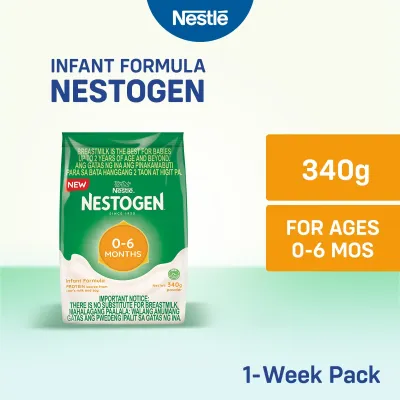
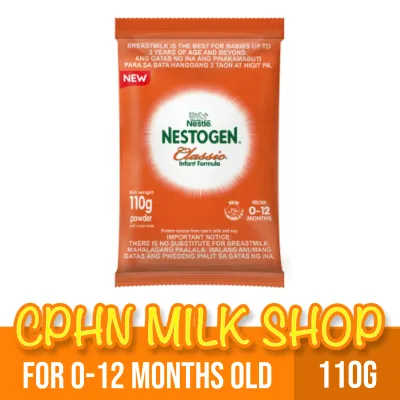
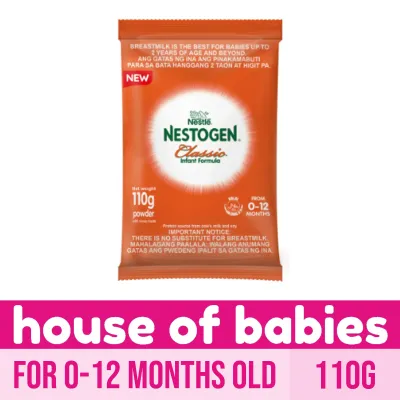

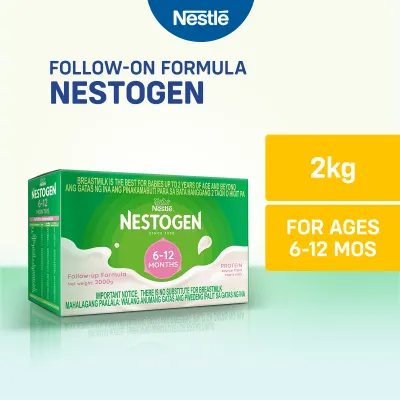
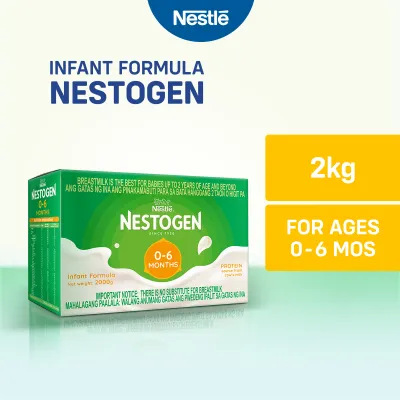
Prices are valid at publication and may change. Please refer to the product page for the latest price.
In contrast, NAN is positioned as a premium formula line that incorporates advanced nutritional and immune support technologies. The NAN range, which includes variants like NAN Optipro and NAN Infinipro, is designed to closely mimic the complex nutritional structure of breast milk through specialized protein processing and active cultures. The “Optipro” designation refers to an optimized protein blend designed to deliver the right quantity and quality of proteins necessary for the baby’s development without overloading their still-maturing kidneys and digestive organs. Additionally, some premium NAN variants include specific bioactive components, such as human milk oligosaccharides (HMOs) and active probiotics, to support immune system development.
When evaluating these options, parents must carefully read the front label and the detailed ingredient list to verify the specific claims for the exact stage their baby requires. Infant formulas are strictly categorized by stages—such as Stage 1 for infants from birth to six months, Stage 2 for six to twelve months, and Stage 3 for toddlers aged one to three years. Formulations, nutrient concentrations, and protein ratios change significantly between these stages to match the baby’s evolving metabolic capabilities. Caregivers should never use a stage that does not align with their baby’s current age unless explicitly instructed by a healthcare professional, as doing so could lead to nutritional deficiencies or digestive strain.
Comparing Key Nutritional and Digestive Features
When comparing the nutritional panels of Nestogen and NAN, the specific types of digestive and cognitive support ingredients are key differentiators. For digestive comfort, caregivers should look closely at the prebiotics and probiotics listed on the ingredients panel. Nestogen often utilizes prebiotic dietary fibers, such as fructooligosaccharides (FOS) and galactooligosaccharides (GOS), which serve as food for beneficial gut bacteria, helping to promote a healthy gut microbiome and keep stools soft. NAN formulas, particularly the premium variants, frequently incorporate active probiotics, such as Lactobacillus reuteri or Bifidobacterium lactis, which are live beneficial microorganisms that actively support gut health, reduce colic symptoms, and strengthen the intestinal barrier.

Brain and immune system development are also addressed differently across the two lines. While both formulas contain essential vitamins and minerals, premium NAN variants typically feature higher or more diverse concentrations of long-chain polyunsaturated fatty acids, specifically docosahexaenoic acid (DHA) and arachidonic acid (ARA). These fatty acids are critical structural components of the brain and retina, supporting cognitive and visual development during the rapid growth phases of infancy. Parents should check the nutrition information panel on the back of the tin to compare the exact milligrams of DHA and ARA per serving, as well as the presence of other immune-supporting micronutrients like iron, zinc, selenium, and vitamins A, C, and E.
The physical characteristics of the powder and the mixing process also warrant attention, especially under the tropical conditions of the Philippines. High humidity can cause milk powder to absorb moisture quickly once the tin is opened, leading to clumping and potential spoilage. Nestogen and NAN powders may differ slightly in texture and solubility due to their different protein structures and fat sources. When preparing either formula, it is vital to follow the manufacturer’s instructions precisely: boil clean drinking water, let it cool to lukewarm (approximately 40°C) to preserve any heat-sensitive probiotics, and use only the scoop provided in that specific tin. Vigorous shaking should be avoided, as it introduces excess air bubbles into the milk, which the baby can swallow, leading to painful gas and fussiness; instead, gently swirl or roll the bottle to dissolve the powder completely.
How to Evaluate Your Baby's Tolerance and Response
Once a formula is selected and introduced, monitoring your baby’s physical response is the most reliable way to determine if the formulation is suitable. Stool patterns are a primary indicator of digestive tolerance. It is normal for formula-fed babies to have stools that are firmer and less frequent than those of breastfed infants, typically ranging in color from pale yellow to greenish-brown. When transitioning to a new formula, minor, temporary changes in stool consistency and frequency are common as the baby’s gut adapts. However, persistent hard, dry, pebble-like stools indicate constipation, while watery, unusually frequent, or foul-smelling stools may indicate malabsorption or intolerance.
Observable feeding behaviors provide immediate clues about how well your baby is digesting the formula. Caregivers should watch for signs of discomfort during or after feeding, such as excessive spitting up, arching the back, pulling the legs up toward the abdomen, or crying inconsolably for extended periods. While occasional gas and mild spit-ups are normal parts of infant development, persistent distress suggests that the formula’s protein or carbohydrate structure may be difficult for the baby to process. Keeping a detailed feeding log for three to five days—noting the time of each feed, the amount consumed, stool characteristics, and any behavioral changes—can provide invaluable data for your pediatrician.
While minor digestive adjustments are common, certain symptoms require immediate medical intervention. Caregivers must stop using the formula and consult a pediatrician or visit a healthcare facility immediately if the baby exhibits severe symptoms. These non-negotiable red flags include projectile or persistent vomiting, blood or visible mucus in the stool, a sudden unexplained skin rash or hives, swelling of the face or lips, difficulty breathing, extreme lethargy, or a sudden fever. These signs can indicate a serious allergic reaction, such as cow’s milk protein allergy, or a severe gastrointestinal infection that requires urgent professional diagnosis and specialized dietary management.
Price, Availability, and Value Considerations in the Philippines
Managing the household budget is a practical reality for families in the Philippines, making the cost of ongoing formula feeding an important factor. Because infant formula is a recurring expense that spans several months or years, comparing the purchase price of a tin does not always reflect its true long-term value. To calculate the actual cost per serving, parents should look at the net weight of the tin and the specific preparation instructions. By dividing the total net weight by the weight of a single scoop (as indicated on the nutritional panel), you can determine the total number of scoops per tin. Comparing this to the number of scoops required per bottle reveals the cost per feed in ₱, helping you make a realistic financial plan.
Ensuring the authenticity of the formula is paramount for your baby’s safety. Counterfeit or improperly stored infant formulas can contain harmful contaminants or lack essential nutrients, posing severe health risks. Parents should purchase Nestogen and NAN exclusively from reputable, authorized retailers in the Philippines, such as major supermarkets, established drugstores, and official brand stores on verified e-commerce platforms. Avoid purchasing from unauthorized third-party online sellers, especially those offering prices that seem unusually low, as there is no guarantee of how the product was handled, stored, or sourced.
Before purchasing and opening a tin, perform a thorough physical inspection of the packaging. Check that the metal tin is completely free of dents, rust, or punctures, as even minor damage can compromise the airtight seal and expose the powder to tropical humidity, bacteria, or pests. Always verify the manufacturing and expiration dates printed on the bottom of the tin, ensuring the product has ample shelf life remaining. Once opened, store the tin in a cool, dry place—never in the refrigerator, as the temperature difference can cause condensation inside the tin—and ensure the plastic lid is sealed tightly after every use to maintain freshness and prevent contamination.
Decision Framework: Which Formula Should You Try First?
To help streamline your choice, caregivers can use a structured decision framework based on their baby’s specific needs, budget, and health status.
Choose Nestogen if your baby has no known medical dietary restrictions, and you are looking for a standard, reliable formula designed for everyday digestive comfort. It is highly suitable for families seeking a budget-friendly option that supports regular bowel movements and soft stools through prebiotic fibers, without the added cost of premium bio-active ingredients.
Choose NAN if you are seeking a formula with advanced nutritional blends, such as optimized protein structures or specific active probiotics and HMOs, to support your baby’s immune system and cognitive development. This option is ideal if your budget permits a premium product and you want a formulation designed to closely align with the complex nutrient profile of breast milk.
Verify first with your pediatrician if your baby has a family history of allergies, diagnosed lactose intolerance, or specific medical conditions. Standard commercial formulas like regular Nestogen or NAN may not be appropriate for infants with these conditions. Your pediatrician may recommend specialized prescription formulas, such as partially hydrolyzed (hypoallergenic) or lactose-free variants, to prevent adverse reactions.
Neither option may fit if your baby shows persistent signs of severe intolerance, poor weight gain, or failure to thrive. If your baby is unable to tolerate standard formulas, do not attempt to switch between commercial brands on your own. Stop feeding the formula immediately and seek professional medical guidance to identify the underlying cause and obtain a safe, tailored feeding plan.
Frequently Asked Questions (FAQ)
Can I mix Nestogen and NAN in the same bottle?
No, you should never mix Nestogen and NAN powders together in the same bottle, nor should you mix any different formula brands or lines. Each formula is scientifically designed with a precise balance of nutrients, and mixing them alters the concentration of proteins, fats, and minerals. This can place an excessive osmotic load on your baby’s developing kidneys and digestive system, leading to dehydration, constipation, or nutrient imbalances. Always prepare each formula separately according to the exact water-to-powder ratio specified on its respective tin.
How long should I wait to see if a new formula works?
When switching to a new formula, it typically takes about seven to fourteen days for a baby’s digestive system to fully adjust to the new nutrient and protein structures. During this transition period, minor changes in stool frequency or mild gas are common and usually resolve on their own. However, if your baby exhibits red-flag symptoms such as persistent vomiting, blood in the stool, extreme fussiness, or an allergic rash, you should not wait out the adjustment period; stop using the formula and consult your pediatrician immediately.

Community discussion
Share your experience or ask a question. Comments are reviewed before publication.