
Choosing between Nestogen, Nido, Enfagrow, and NAN for a 1 to 3-year-old depends on your child’s specific nutritional gaps, digestive comfort, and your family’s budget. There is no single “best” brand; instead, each offers a distinct nutritional focus. This guide breaks down their core differences, what to verify on the label, and how to match their profiles to your toddler’s daily diet and developmental needs.
Every child is unique, and what works for one toddler might not suit another. Some children require extra digestive support, while others benefit from specific fatty acids or micronutrient fortification. By learning how to read and compare nutrition facts panels, you can make an informed decision based on verifiable ingredients rather than marketing claims.
Understanding the Core Differences in Toddler Formulas
At age one, a toddler’s primary source of nutrition should transition from breast milk or infant formula to solid foods. Toddler formulas (Stage 3) act as a safety net, supplementing family meals to fill common nutritional gaps like iron, zinc, and vitamin D. They are not intended to replace solid meals or serve as the sole source of nourishment.
Products mentioned in this guide
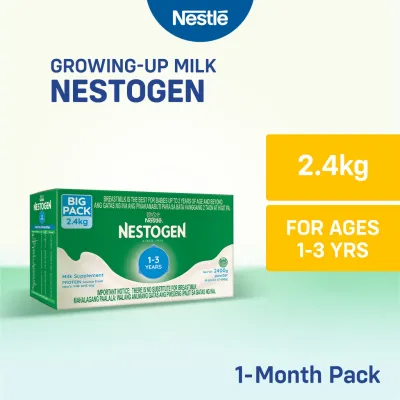
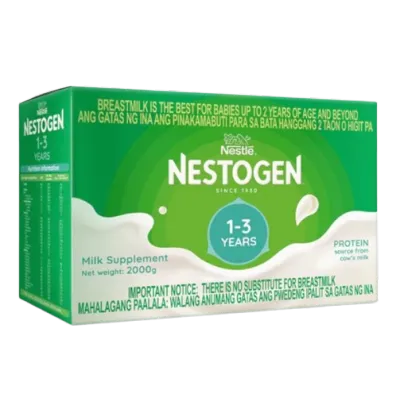
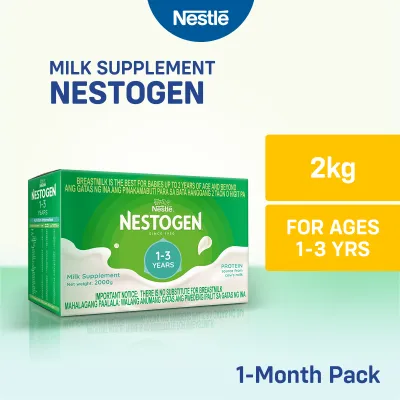
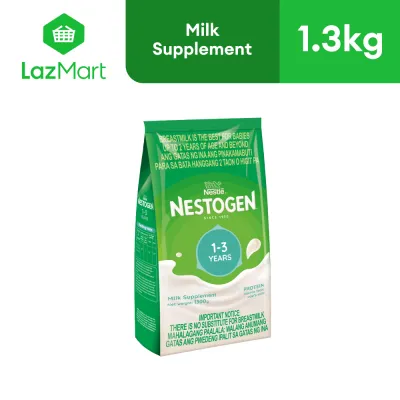
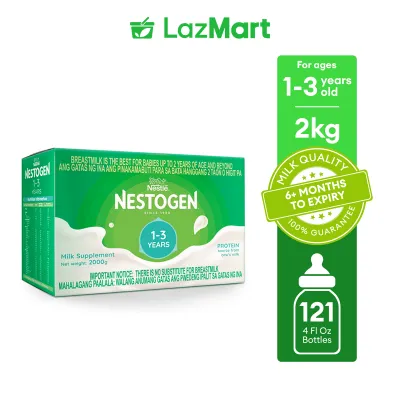

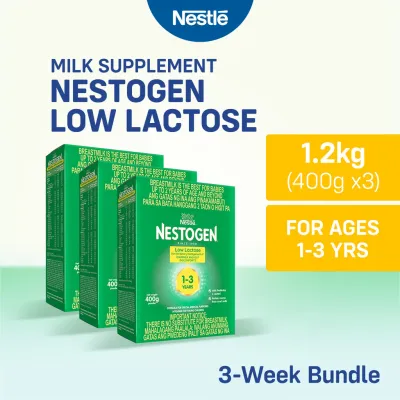
Prices are valid at publication and may change. Please refer to the product page for the latest price.
In the Philippine market, parents frequently encounter toddler formulas and fortified powdered milk drinks. Toddler formulas are specifically formulated to meet nutritional guidelines for young children, containing precise ratios of proteins, fats, and prebiotics. Fortified powdered milk drinks are typically cow’s milk powders enriched with specific vitamins and minerals. They are often more affordable but may have different protein structures and sugar contents.
Three primary factors should guide your choice: your child’s digestive tolerance, their daily dietary intake from solid foods, and the long-term financial sustainability of the milk for your family’s routine.
Nutritional Profiles and Key Ingredients to Verify
To make an objective comparison, look past the packaging and examine the nutrition facts panel and ingredient list to verify manufacturer claims directly.

Macronutrients and Energy: Toddler formulas vary in protein sources and caloric density. Check the protein content per serving; high protein intake from milk can fill a toddler’s small stomach too quickly, reducing their appetite for iron-rich solid foods. Ensure the calorie density aligns with your pediatrician’s recommendations.
Micronutrients: Iron deficiency is a common concern for toddlers in the Philippines as they transition to solids. Verify the iron levels on the label, along with calcium and vitamin D, which work together to support bone development.
Specialized Additions: Many premium brands highlight Docosahexaenoic Acid (DHA), Arachidonic Acid (ARA), prebiotics, and probiotics. DHA and ARA support brain and eye development, while prebiotics and probiotics support gut health. Always check the ingredient list to confirm these are present in declared, measurable amounts.
Sugar and Flavorings: Some powdered milk drinks contain added sugars like sucrose, corn syrup solids, or maltodextrin. These can contribute to early tooth decay and establish a preference for overly sweet foods. Inspect the ingredient list for these hidden sugars, aiming for options where lactose is the primary carbohydrate source.
Comparing the Four Brands for 1 to 3 Year Olds
Nestogen, Nido, Enfagrow, and NAN are household names in the Philippines, each targeting different parental concerns, from digestive comfort to cognitive support.
Because manufacturers frequently update recipes, always check the specific product variant, such as Stage 3 or those marked for 1 to 3 years. Verify the current ingredient list on the physical packaging before purchasing, as online descriptions may reference outdated formulations.
Nestogen: Digestive Comfort and Gut Health
Nestogen 1 to 3 years old focuses on digestive comfort, making it a practical option for toddlers who experience mild digestive issues like occasional constipation or irregular bowel movements during their transition to solid foods.
When reviewing the Nestogen label, look for prebiotic fibers and active cultures. These ingredients help soften stools and support a healthy gut microbiome. Monitor your child’s stool consistency and frequency during the first two weeks of use to observe if the prebiotics are helping to maintain digestive regularity.
Nido: Growth Support and Milk Distinctions
Parents must distinguish between Nido’s product lines. Nido Fortified Powdered Milk is a general family milk drink, whereas Nido 3+ (or specific toddler variants) is formulated specifically for children aged 1 to 3. Reading the front label and age recommendations is crucial to ensure you buy the correct formulation.
Nido toddler variants emphasize calcium, vitamin D, and protein to support physical growth and bone development in active toddlers. However, check the ingredient list for added sugars or flavorings. If you prefer to limit non-lactose sugars, compare the carbohydrate breakdown on the Nido label with other formulas.
Enfagrow: Brain Development and Cognitive Focus
Enfagrow is a premium option with a strong emphasis on cognitive development. This brand is often selected by parents prioritizing brain and eye development nutrients during these critical years of rapid growth.
Verify the exact milligram declarations of DHA and ARA on the nutrition facts panel. Compare these numbers against other brands to see if the premium price matches a higher concentration of these fatty acids. Remember that these added nutrients should complement, not replace, a diet rich in natural healthy fats like local fish and eggs.
NAN: Immune Support and Balanced Nutrition
NAN is Nestlé’s premium line, designed to support natural immune defenses and provide a highly balanced nutrient profile. It is often chosen when transitioning toddlers from breast milk.
Check the label of NAN Stage 3 for specific probiotic strains, such as Bifidobacterium lactis, along with optimized protein blends and immune-supporting vitamins like vitamins A, C, and selenium. Observe your toddler closely during the first few weeks for any signs of sensitivities or skin rashes, and consult your pediatrician if you suspect any adverse reactions.
Price and Value Considerations in the Philippines
In the Philippines, toddler milk represents a significant portion of the monthly household budget. To make a financially sustainable choice, calculate the true cost per serving rather than just comparing the retail price of a single tin.
Divide the total price of the package by the number of servings it yields, which is determined by the net weight and the manufacturer’s recommended scoop-to-water ratio. A brand that appears cheaper upfront might have a larger scoop size, meaning you will run out of powder faster and spend more over time.
Additionally, consider your toddler’s daily consumption. If your child eats a well-balanced solid diet and only drinks one serving of milk per day, a premium formula may fit your budget. If your child relies more heavily on milk as a supplement, a more economical option may be more practical.
Always purchase your toddler’s milk from official brand stores, authorized supermarkets, or reputable online pharmacies. Avoid unverified third-party sellers on online marketplaces, as improper storage in hot and humid tropical conditions can degrade nutrients and compromise the safety of the powder.
How to Decide: A Conditional Selection Framework
To help you synthesize this information, consider this conditional framework based on your toddler’s specific needs and your family’s circumstances:
Choose Nestogen if your toddler struggles with mild digestive discomfort, occasional constipation, or irregular bowel movements. This option prioritizes prebiotic fibers to support gut health and stool softening, offering a gentle and budget-friendly solution.
Choose Nido if you want an accessible, cost-effective fortified milk drink to support physical growth for an active toddler who already eats a highly varied solid food diet. Ensure you select the specific 3+ or toddler variant rather than the general family milk.
Choose Enfagrow if your primary goal is to supplement your child’s diet with higher levels of DHA and ARA for cognitive development, and your household budget comfortably accommodates a premium price point.
Choose NAN if you want an advanced, premium formulation focusing on immune support through specific probiotic strains and optimized proteins, particularly if your child is transitioning from breast milk.
Verify first if your child has a diagnosed food allergy, lactose intolerance, or a specific medical condition. Standard toddler formulas are not suitable in these cases; you must consult your pediatrician to obtain a prescription for a specialized, hypoallergenic, or lactose-free formula.
Transitioning and Monitoring Your Toddler's Response
When introducing a new toddler formula, a sudden switch can upset your child’s developing digestive system. A gradual transition over several days is the safest approach. Start by mixing a small portion of the new formula with the old one, slowly increasing the ratio of the new powder over a week until the transition is complete.
During this transition period, closely monitor your toddler for physical changes. Look for signs of tolerance, such as consistent energy levels, normal stool patterns, and a healthy appetite. Conversely, watch for signs of intolerance, which can include skin rashes, hives, vomiting, excessive gas, or severe diarrhea.
If you observe any adverse reactions, stop using the new formula immediately. Do not attempt to manage these symptoms with home remedies or by switching rapidly between multiple other brands. Consult your pediatrician right away to identify the underlying cause and receive professional guidance on the safest milk option for your child.
Frequently Asked Questions (FAQ)
Can I mix different toddler formula brands in one bottle?
It is generally discouraged to mix different toddler formula brands or stages in the same bottle. Each brand has a unique scoop size, powder density, and specific water-to-powder ratio designed to deliver a precise concentration of nutrients. Mixing them can lead to an incorrect dilution, which may cause digestive strain, dehydration, or nutrient imbalances. Always prepare each formula separately according to the exact instructions on its respective packaging.
When should I switch from toddler formula to regular cow's milk?
Most pediatricians agree that whole cow’s milk can be introduced after a child reaches 12 months of age. However, this transition depends heavily on your toddler eating a balanced, nutrient-dense solid food diet that provides adequate iron and vitamins. If your child is a selective eater or has specific growth concerns, toddler formula may still be recommended. Always consult your pediatrician to evaluate your child’s nutritional readiness before making the switch.

Community discussion
Share your experience or ask a question. Comments are reviewed before publication.