
Choosing the right formula milk for your 1-3 year old toddler can feel overwhelming, especially when they show signs of digestive discomfort like bloating, gas, or loose stools. If you are weighing Nestogen Low Lactose against standard options like NAN or Enfagrow, the decision hinges on whether your child has a verified sensitivity to lactose or if their digestive system is simply maturing. While standard formulas provide robust nutritional support for most toddlers, a specialized low-lactose option serves a very specific, therapeutic purpose.
In tropical climates like the Philippines, where warm weather and humidity can exacerbate the risks of dehydration from digestive upsets, ensuring your toddler digests their milk comfortably is crucial. However, switching formulas too quickly or without a clear understanding of your child’s symptoms can sometimes prolong their discomfort. By understanding the differences between low-lactose and standard formulations, you can work more effectively with your pediatrician to find the milk that supports both their digestive comfort and their rapid developmental milestones.
Understanding Lactose Sensitivity in Toddlers
Lactose sensitivity occurs when a toddler’s digestive system struggles to break down lactose, the natural sugar found in milk and other dairy products. When lactose is not properly digested in the small intestine, it passes into the large intestine, where bacteria ferment it. This fermentation process produces gas and draws water into the bowel, leading to highly visible symptoms. Parents often observe bloating, a visibly distended abdomen, excessive flatulence, abdominal gurgling, and frequent fussiness or crying shortly after feedings. Stools may also become loose, watery, or slightly acidic, which can quickly cause diaper rash.
Products mentioned in this guide







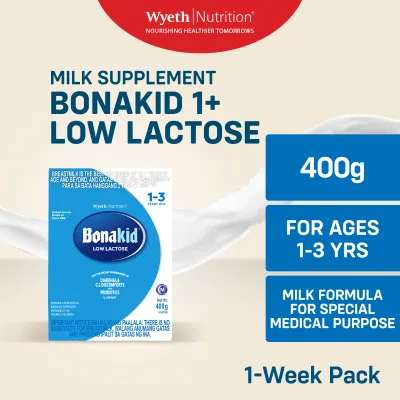
Prices are valid at publication and may change. Please refer to the product page for the latest price.
It is essential to distinguish between the different types of lactose issues, as they require different management strategies. Primary lactose intolerance, which is a permanent genetic inability to produce sufficient lactase enzymes, is actually quite rare in toddlers under three years old. More commonly, toddlers experience secondary lactose intolerance. This is a temporary condition that occurs when an illness, such as a stomach flu or a diarrheal infection, temporarily damages the lining of the gut where lactase is produced. There is also temporary lactose overload, which happens when a toddler consumes more dairy or lactose than their developing digestive system can process at one time.
Before making any changes to your toddler’s diet, a professional pediatric evaluation is critical. Many parents mistake the signs of a cow’s milk protein allergy (CMPA) for lactose sensitivity. While lactose sensitivity is a digestive issue involving milk sugars, CMPA is a potentially serious immune response to the proteins in milk. CMPA requires a completely different category of specialized formula, such as extensively hydrolyzed or amino acid-based milks. Attempting to manage an allergy with a low-lactose formula will not resolve the symptoms and could put your child’s health at risk.
Comparing the Formula Options: Low Lactose vs Standard
To make an informed choice, it helps to understand how carbohydrate sources differ between specialized and standard toddler milks. In standard toddler formulas, lactose serves as the primary source of carbohydrates. This is intentional, as lactose is the natural sugar found in breast milk and is highly beneficial for healthy toddlers. It provides a steady source of energy, supports the absorption of essential minerals like calcium, and helps cultivate a healthy gut microbiome by feeding beneficial bacteria.

In contrast, low-lactose or lactose-free formulas are specifically modified to reduce or eliminate this sugar. In these formulations, manufacturers replace the lactose with alternative, easily digestible carbohydrates. This modification allows the toddler’s digestive system to rest and recover without sacrificing the energy they need for daily activities. These formulas are therapeutic tools rather than general-purpose milks for healthy children.
Nestogen Low Lactose for Sensitive Tummies
Nestogen Low Lactose is a specialized formulation designed specifically for infants and toddlers experiencing digestive discomfort related to lactose. It is frequently recommended by pediatricians as a temporary feeding solution during or immediately following a bout of acute diarrhea or gastroenteritis. By reducing the lactose load, this formula helps minimize gas production and loose stools, allowing the irritated intestinal lining to heal more rapidly.
When examining the label of Nestogen Low Lactose, parents should pay close attention to the ingredients list to verify the carbohydrate sources. In this formula, lactose is partially or completely replaced with alternative carbohydrates, such as maltodextrin or corn syrup solids. These alternative sugars are much easier for a compromised digestive tract to break down because they do not rely heavily on the lactase enzyme. Additionally, parents must check the packaging to ensure the specific tin is appropriate for the 1-3 year age bracket, as nutritional requirements shift significantly as babies transition into toddlerhood.
Because Nestogen Low Lactose is a specialized dietary product, it should only be introduced under the direct supervision of a healthcare professional. Using a low-lactose formula unnecessarily or over an extended period without medical advice is not recommended. Lactose plays a vital role in a toddler’s overall gut development, so a pediatrician will typically advise you on exactly how long to use this formula and when it is safe to transition back to a standard milk.
NAN and Enfagrow Standard Formulations
Standard toddler milks like NAN and Enfagrow are formulated for children aged 1-3 years who do not have diagnosed digestive sensitivities. These formulas utilize lactose as their primary carbohydrate source, mirroring the natural composition of dairy. For a toddler with a healthy, fully functioning digestive system, these standard formulations are highly digestible and provide the ideal foundation for daily nutrition.
When reviewing the labels of standard NAN or Enfagrow formulations, you will find a strong emphasis on comprehensive developmental support. Parents should check the nutrition information panel for key ingredients such as Docosahexaenoic Acid (DHA), an essential fatty acid that supports brain and eye development. You should also verify the levels of iron, calcium, and vitamin D, which are critical for bone growth and cognitive function during this rapid growth phase. Many standard formulas also include prebiotics (such as GOS and FOS) or active probiotics to support a healthy immune system and comfortable digestion.
If a toddler has a true, diagnosed lactose sensitivity, these standard formulas will likely cause ongoing digestive discomfort, as their digestive systems lack the enzymes needed to process the lactose content. However, if your toddler’s mild fussiness or gas is simply due to a temporary growth spurt or a minor dietary adjustment, sticking with a standard formula is usually preferred. Standard milks provide a broader range of lactose-dependent nutritional benefits that support long-term development.
How to Choose the Right Formula for Your Child
Selecting the right formula requires a systematic approach based on your toddler’s current health status, recent medical history, and professional guidance.
You should choose Nestogen Low Lactose if your pediatrician has formally diagnosed your toddler with lactose sensitivity, or if your child is recovering from a recent gastrointestinal illness. In the case of secondary lactose intolerance following diarrhea, using a low-lactose formula for a limited period helps prevent persistent loose stools and allows the gut to recover its natural enzyme production. Once the gut has healed, most toddlers can successfully transition back to standard milk.
You should choose standard NAN or Enfagrow if your toddler has no history of chronic digestive distress, tolerates standard dairy products well, and has normal, formed bowel movements. These standard formulas are designed to maximize nutritional intake for healthy, active toddlers, offering robust support for brain development, bone strength, and immune health through their complete nutrient profiles.
Neither Nestogen Low Lactose nor standard NAN or Enfagrow will be suitable if your toddler is suffering from a cow’s milk protein allergy. If you observe severe symptoms such as hives, swelling, persistent vomiting, chronic congestion, or blood and mucus in the stool, you must seek immediate medical attention. Your pediatrician will likely prescribe a hypoallergenic, extensively hydrolyzed, or amino acid-based formula, as low-lactose formulas still contain the cow’s milk proteins that trigger allergic reactions.
If your toddler’s symptoms are ambiguous—such as occasional mild gas or intermittent fussiness—do not rush to switch formulas on your own. Always consult your pediatrician first to establish a clear diagnosis. Unnecessary dietary restrictions can make meal planning more complicated and may deprive your toddler of the beneficial effects of lactose on calcium absorption and gut health.
Transitioning Formulas and Monitoring Progress
If your pediatrician recommends switching your toddler’s formula, the transition should be managed carefully to avoid shocking their digestive system. A gradual transition is generally recommended for toddlers who are not experiencing acute medical distress. This involves slowly introducing the new formula by mixing it with the old one over a period of several days. For example, you might start by replacing one-quarter of the old formula with the new formula for a day or two, then moving to a half-and-half mix, and gradually increasing the proportion of the new formula until the transition is complete.
During this transition period, you must monitor your toddler closely and keep a detailed log of their physical responses. Pay close attention to changes in stool consistency and frequency; stools should ideally become more formed and less watery if the new formula is working well. Track the frequency of gas, bloating, and overall fussiness, noting whether these symptoms improve or worsen after feedings. Additionally, observe your toddler’s willingness to drink the new formula, as specialized formulas can have a slightly different taste and texture compared to standard milks.
There are clear stop conditions that require you to halt the transition and contact your doctor immediately. If your toddler experiences worsening digestive symptoms, such as projectile vomiting or severe, watery diarrhea, stop the new formula right away. In hot, tropical climates, severe diarrhea can quickly lead to dehydration. Watch for warning signs of dehydration, including a dry mouth, crying without tears, extreme lethargy, or a significant decrease in wet diapers. Any signs of an allergic reaction, such as sudden skin rashes, hives, or difficulty breathing, also demand immediate emergency medical care.
Frequently Asked Questions (FAQ)
Can I mix low-lactose formula with standard formula?
Mixing low-lactose formula with standard formula in the same bottle is generally not recommended unless you are following a specific, gradual transition plan approved by your pediatrician. For a toddler with a confirmed lactose sensitivity, even a small amount of standard formula introduces lactose back into their system, which can trigger digestive discomfort and prevent their gut from fully recovering. If your child requires a low-lactose diet, mixing the two formulas dilutes the therapeutic benefits of the specialized milk. Always consult your healthcare provider for the safest transition method for your child’s specific condition.
Does low-lactose formula lack essential nutrients compared to standard milk?
No, reputable low-lactose formulas are not nutritionally deficient. They are carefully fortified to meet the strict nutritional standards required for toddlers aged 1-3 years. While the carbohydrate source is modified to reduce lactose, these formulas still contain essential vitamins and minerals, including calcium, vitamin D, and iron, to support healthy bone development and overall growth. Parents should always check the nutrition information panel on the product packaging to verify that the specific nutrient levels align with their toddler’s daily dietary requirements and discuss any long-term nutritional concerns with their pediatrician.

Community discussion
Share your experience or ask a question. Comments are reviewed before publication.