
Quick Answer: Nestogen vs Enfagrow at a Glance
Choosing the right formula milk for your child is one of the most significant decisions you will make as a parent, especially with popular options like Nestogen and Enfagrow widely available in the Philippines. While both brands have established long-standing reputations among Filipino families, they cater to different nutritional priorities, digestive needs, and household budgets. There is no single formula that works perfectly for every child; the ideal choice depends entirely on your child’s specific developmental requirements, digestive tolerance, and your family’s financial plan.
Both brands offer structured, stage-based products, but their exact ingredient sources, specialized lines, and nutrient concentrations differ. Before making any changes to your child’s diet, it is essential to consult a pediatrician, particularly if your child has a history of allergies, reflux, or other medical conditions.
Age Stages and Transition Guidelines
Formula manufacturers design their products to match specific developmental milestones, categorizing them into distinct stages. Generally, Stage 1 is formulated for infants from birth to six months, Stage 2 supports infants from six to twelve months, and Stage 3 or 4 is tailored for toddlers and older children. Both Nestogen and Enfagrow follow this standard staging system, but the precise age brackets and nutritional focuses of each stage can vary between their product lines.
Products mentioned in this guide
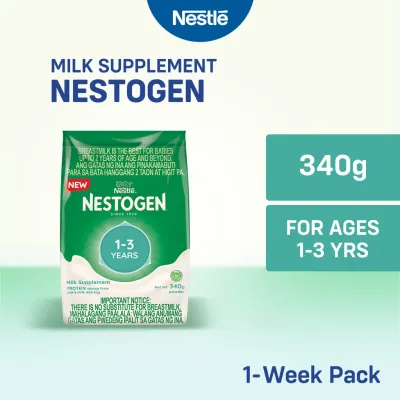
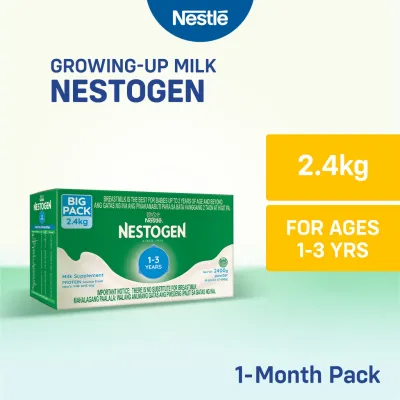

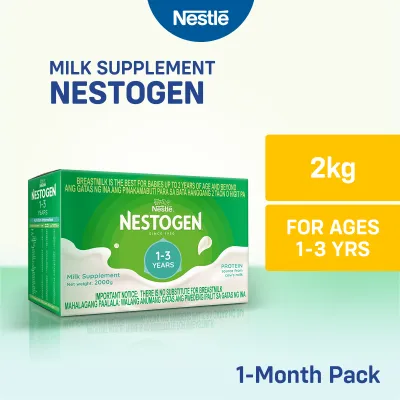
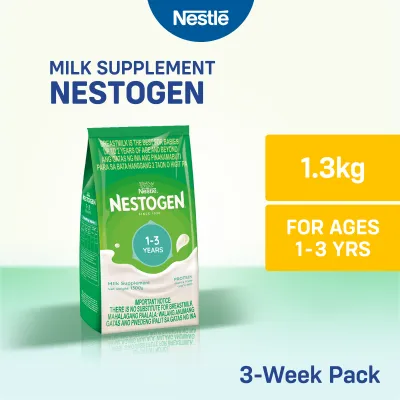
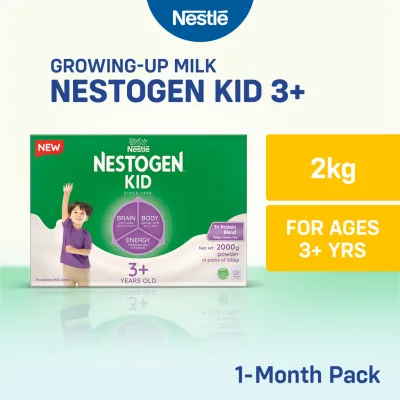
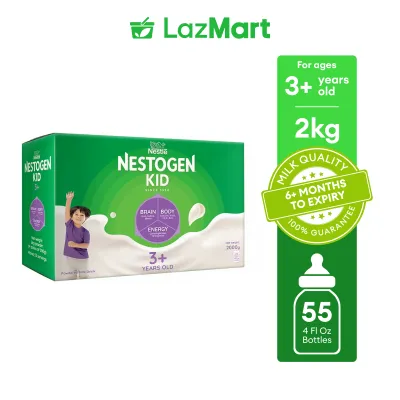
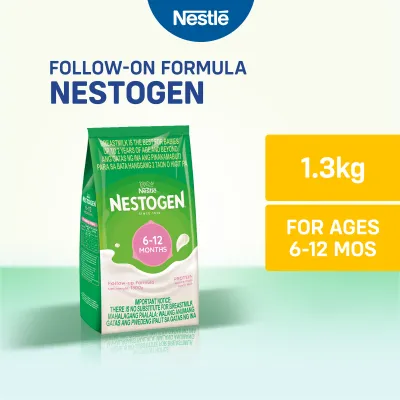
Prices are valid at publication and may change. Please refer to the product page for the latest price.

To ensure you are purchasing the correct product, always read the physical packaging carefully rather than relying on general brand assumptions. The age recommendation is prominently displayed on the front of the tin or box, often accompanied by specific weight guidelines or developmental indicators. Because a child’s nutritional needs shift rapidly during their first few years, feeding a formula that does not align with their current stage can lead to nutritional gaps or digestive strain.
Transitioning your child to the next stage requires careful observation of their developmental readiness. Signs that your child may be ready to transition include reaching the age threshold indicated on the packaging, showing increased appetite that is no longer satisfied by their current formula, or receiving a recommendation from your pediatrician. When you decide to transition, always follow the specific preparation and transition instructions provided by the manufacturer on the product label to ensure a safe and smooth adjustment.
Comparing Nutritional Profiles on the Label
Evaluating the nutritional value of Nestogen and Enfagrow requires a close examination of the nutrition facts panel and the ingredients list on the physical packaging. Key macronutrients and micronutrients play vital roles in your child’s growth, and comparing these values directly will help you understand what each brand prioritizes. Look closely at the levels of Docosahexaenoic Acid (DHA) and Arachidonic Acid (ARA), which are fatty acids commonly associated with brain and eye development, as well as essential vitamins and minerals like iron, calcium, and vitamin D.
Beyond basic vitamins, pay close attention to the presence of prebiotics and probiotics, which support gut health and digestion. Prebiotics, such as fructooligosaccharides (FOS) or galactooligosaccharides (GOS), serve as food for beneficial gut bacteria, while probiotics are live beneficial bacteria themselves. Different brands use unique proprietary blends of these digestive aids, and your child’s digestive system may tolerate one blend better than another.
The source and structure of the proteins and carbohydrates in the formula are also critical factors to compare. Standard formulas typically use intact cow’s milk protein, but some children may require partially hydrolyzed proteins, which are broken down into smaller pieces for easier digestion. Additionally, check the carbohydrate sources listed in the ingredients, noting whether the formula relies primarily on lactose or includes other carbohydrates.
Finally, always check the label for specific allergen warnings and specialized formulations. If your child has known sensitivities, such as lactose intolerance or a suspected cow’s milk protein allergy, you must look for specialized options like lactose-free or hypoallergenic formulas. Never self-diagnose these conditions; always seek a professional medical diagnosis before switching to a specialized formula.
Evaluating Price and Serving Value
When managing a household budget in the Philippines, comparing the retail price of a single tin of formula can be highly misleading. A larger, more expensive tin may actually offer better long-term value than a smaller, cheaper one if the cost per serving is lower. To find the true cost, you must calculate the cost per serving using the net weight of the package and the manufacturer’s recommended scoop-to-water ratio.
To perform this calculation, start by identifying the total net weight in grams and the weight of a single scoop as specified on the preparation instructions. Divide the total net weight by the scoop weight to determine the total number of scoops per tin. Next, divide the retail price of the tin by the total number of scoops to find the cost per scoop. By multiplying this by the number of scoops required for a standard bottle, you will arrive at the actual cost per serving.
Local pricing in the Philippines is influenced by several factors, including the packaging size (such as boxes versus tin cans), promotional bundles, and where you choose to purchase the product. Buying from official brand stores on major ecommerce platforms or purchasing in bulk from physical supermarkets often yields better rates than buying single tins from local convenience stores. Additionally, keep in mind that prices can fluctuate based on regional availability and shipping costs.
To estimate your monthly budget requirement in ₱, factor in the number of servings your child consumes daily based on their age and appetite. Multiply the cost per serving by the daily feeding frequency, and then multiply that figure by thirty days. This calculation provides a realistic projection of your monthly expenses, allowing you to make an informed financial decision without compromising your child’s nutritional needs.
Decision Framework: Choosing the Right Formula
To finalize your choice between Nestogen and Enfagrow, it is helpful to use a structured, condition-based decision framework that balances your child’s physiological response with your family’s practical constraints.
Choose Nestogen if:
- Your child's digestive system responds well to its specific prebiotic blend, resulting in comfortable digestion and regular, soft stools.
- The calculated cost per serving aligns more comfortably with your monthly household budget, allowing you to maintain a consistent supply without financial strain.
- Your pediatrician agrees that its nutritional profile is fully sufficient for your child's current growth and developmental stage.
Choose Enfagrow if:
- Your child shows a clear preference for its taste profile, leading to consistent and hassle-free feedings.
- You place a high priority on its specific brain-support formulation, including its levels of DHA and other key nutrients, and this choice is supported by your pediatrician's advice.
- Your family budget comfortably accommodates the price point of this brand over the long term.
Verify first if:
- Your child has a history of digestive issues, severe colic, excessive gas, or skin rashes, which may indicate a need for a specialized or prescription formula rather than a standard stage-based option.
- You notice any sudden changes in your child's stool consistency, spitting up, or general comfort levels after introducing a new formula.
- The product packaging is fully intact, sealed, and well within its expiration date before serving it to your child.
Frequently Asked Questions (FAQ)
Can I mix Nestogen and Enfagrow in the same bottle?
No, you should not mix Nestogen and Enfagrow together in the same bottle. Formula manufacturers design their products with specific scoop sizes, powder densities, and nutrient concentrations that are calibrated to precise water ratios. Mixing different brands or stages in a single bottle alters these ratios, which can lead to incorrect dilution. This imbalance can cause your child to receive too much or too little of certain nutrients, potentially leading to dehydration, kidney strain, or digestive discomfort. If you need to transition your child from one brand to another, it is safer to do so by offering separate bottles of each formula at different feeding times rather than mixing them together.
How do I safely switch my child from Nestogen to Enfagrow or vice versa?
To safely switch your child between Nestogen and Enfagrow, use a gradual transition method over several days to allow their digestive system to adapt. Start by replacing one feeding on the first day with the new formula, while keeping the remaining feedings as the old formula. Gradually increase the number of new formula feedings over the next three to five days until the transition is complete.
During this period, closely monitor your child for observable signs of intolerance, such as changes in stool consistency, excessive gas, vomiting, or skin rashes. If you observe any adverse reactions, stop the transition immediately and consult your pediatrician for guidance. Additionally, because the tropical climate in the Philippines brings high humidity, ensure that both formula tins are stored in a cool, dry place and tightly sealed to prevent moisture from spoiling the powder during the transition period.
Community discussion
Share your experience or ask a question. Comments are reviewed before publication.