
Choosing the right toddler formula for your growing child is one of the most frequent decisions parents face during the transition from infancy to early childhood. With options like Nestogen 3 Plus, Nido, and Enfagrow widely available on supermarket shelves in the Philippines, the choice can quickly feel overwhelming. Each brand presents its own set of marketing claims, nutritional formulations, and pricing tiers designed to attract discerning caregivers.
To make an informed decision, it is essential to look past the front of the packaging and evaluate how each option aligns with your toddler’s specific developmental needs, taste preferences, and your household budget. There is no single formula that serves as a universal solution for every child, as individual dietary gaps and digestive tolerances vary significantly.
Quick Answer: Which Toddler Formula Fits Your Child?
There is no single “best” toddler formula on the market. The right choice depends entirely on your toddler’s specific nutritional gaps, taste preferences, and your household budget. To help you make an immediate choice, you can use this conditional decision framework based on your primary parenting priorities:
Products mentioned in this guide
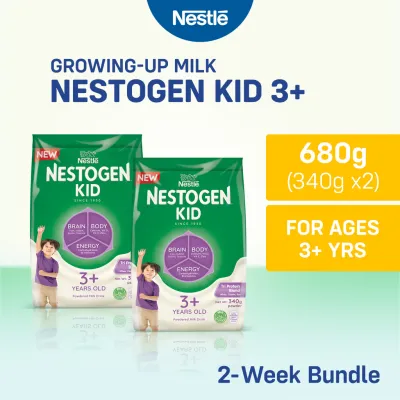
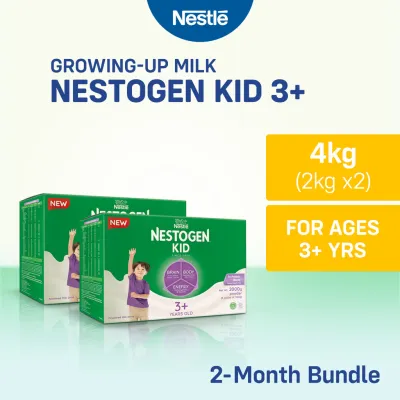
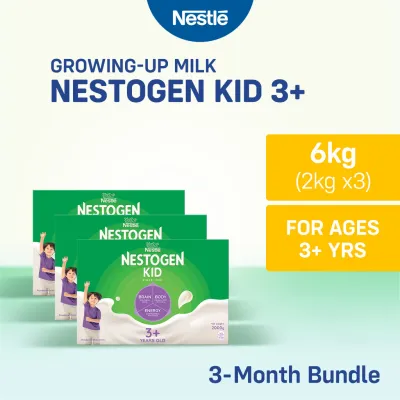
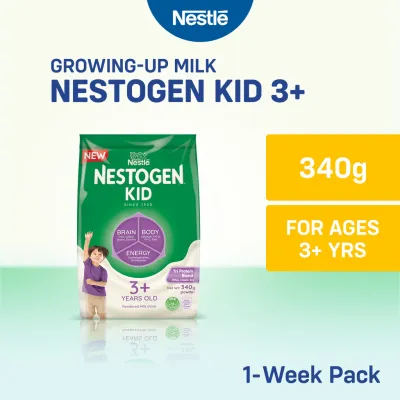
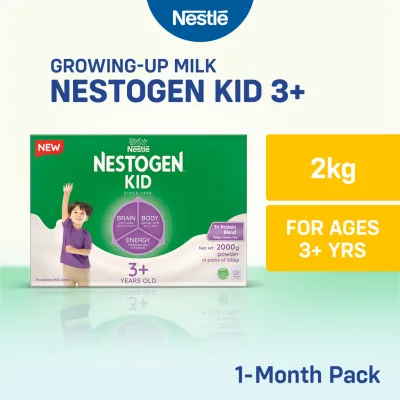
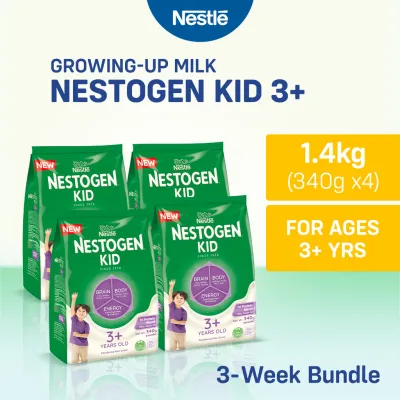
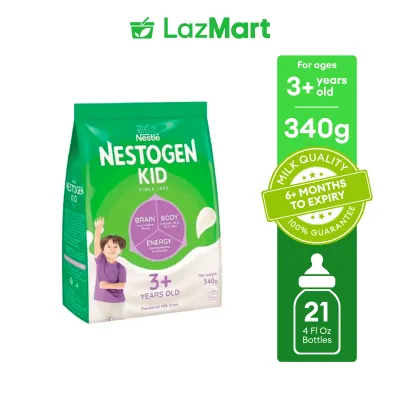
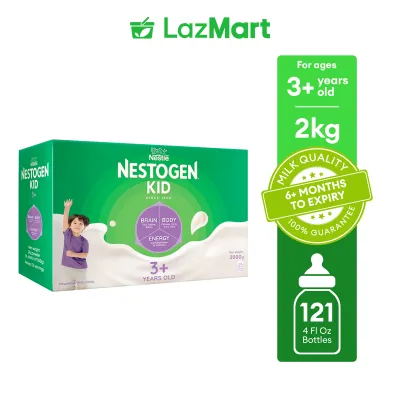
Prices are valid at publication and may change. Please refer to the product page for the latest price.
- Choose Nestogen 3 Plus if: You are looking for a mid-range option and want to prioritize digestive comfort. You should verify the specific gut-health or immune-support claims on the label, such as active prebiotic fibers or probiotic cultures, to see if they match your child's needs.
- Choose Nido (such as Nido 3+) if: You need a highly accessible, budget-friendly option with a familiar, creamy taste. This brand often transitions smoothly for toddlers who are already accustomed to the flavor of regular powdered milk.
- Choose Enfagrow (such as Enfagrow A+ 3 or 4) if: You are willing to pay a premium price point and want to prioritize specific brain-development support nutrients. Always check the label to verify the exact milligrams of docosahexaenoic acid (DHA) and other key lipids per serving.
- Verify first if: Your child has specific food allergies, lactose intolerance, or other diagnosed medical conditions. Standard toddler formulas are based on cow's milk and require pediatrician approval before introduction.
Nutritional Breakdown: What to Check on the Label
Toddler formulas, often labeled as Stage 3 or Stage 4, are formulated as nutritional supplements for children aged one to three years and beyond. They are designed to act as a safety net for active toddlers who may experience temporary gaps in their daily diet. It is important to remember that these formulas are supplements to a solid food diet, not a replacement for balanced, wholesome meals.

When comparing Nestogen 3 Plus, Nido, and Enfagrow, you should bypass the promotional graphics on the front of the tin and focus directly on the nutrition facts panel on the back. This allows you to evaluate the precise amounts of essential nutrients per serving.
Iron and Zinc
Iron and zinc are critical minerals for cognitive development and robust immune system function. Toddlers can easily become deficient in iron if they are picky eaters who avoid red meat or green leafy vegetables. When reviewing the nutrition labels, compare the percentage of the recommended daily allowance (such as the Philippine Dietary Reference Intakes or PDRI) provided by a single serving of each brand. Look for a formula that offers a substantial contribution to these daily requirements if your child struggles to eat iron-rich solid foods.
DHA and ARA
Docosahexaenoic acid (DHA) and arachidonic acid (ARA) are polyunsaturated fatty acids that play a key role in brain and visual development. Enfagrow heavily emphasizes DHA in its marketing, but you should physically check the ingredient list and nutrition table of all three brands to compare the actual milligrams per serving. Do not rely solely on bold front-of-pack claims; instead, look for the quantitative declaration of DHA to see exactly what you are paying for.
Prebiotics and Probiotics
Digestive health is a common concern for parents of toddlers, as their digestive systems are still maturing. Nestogen 3 Plus frequently highlights its digestive support ingredients. When comparing, check the ingredient list for specific prebiotic fibers like fructooligosaccharides (FOS) or galactooligosaccharides (GOS), as well as active probiotic strains. These ingredients help support a healthy gut microbiome, which can be beneficial for toddlers prone to mild constipation or irregular bowel movements.
Calcium and Vitamin D
Calcium and Vitamin D are essential partners for building strong bones and teeth during these rapid growth years. While all three brands fortify their formulas with these nutrients, the exact ratios can vary. Check the label to ensure that the Vitamin D content is sufficient to aid the absorption of the calcium provided in each glass.
Sugar and Flavorings
One of the most critical aspects of comparing toddler formulas is checking for added sugars and artificial flavorings. Look closely at the ingredient list for terms like sucrose, corn syrup solids, maltodextrin, or glucose syrup. Some brands or specific flavor variants (such as vanilla or honey) may contain higher amounts of added sugars to appeal to a toddler’s natural preference for sweets. Choosing a plain or lower-sugar option is generally recommended to help your child develop healthy, long-term taste preferences and protect their emerging teeth from decay.
To make the most objective choice, obtain a list of specific nutrient recommendations or dietary gaps from your child’s pediatrician during their next check-up. Bring these recommendations with you to the store and match them directly with the nutrition panel on the formula tin rather than relying on generic marketing slogans.
Taste Acceptance and Mixability: Getting Toddlers to Drink It
Even the most nutritionally superior formula will provide no benefit if your toddler refuses to drink it. Taste acceptance and physical texture are critical factors that determine whether a formula will successfully integrate into your child’s daily routine.
Taste Profiles
Each of these three brands has a distinct flavor profile that appeals to different toddler preferences. Nido is widely recognized for its rich, creamy, and traditional milk flavor, which closely resembles standard powdered whole milk. This familiar taste makes it highly acceptable to many toddlers. Enfagrow and Nestogen often feature distinct vanilla or slightly sweeter profiles, depending on the specific product variant. Always verify whether you are purchasing a plain, vanilla, or flavored option, as some toddlers are highly sensitive to subtle changes in sweetness or aroma.
Mixability
In the warm and humid tropical climate of the Philippines, milk powder can quickly absorb ambient moisture once the tin is opened. This moisture absorption can lead to clumping, which directly affects how easily the powder dissolves. When preparing the formula, look for a powder that dissolves smoothly in warm water without leaving sticky clumps or a gritty residue at the bottom of the cup. Toddlers often reject milk that has a chalky or uneven texture, so a formula that mixes cleanly is highly desirable.
Transitioning Tips
If you are planning to switch from one formula brand to another, introduce the new milk gradually to avoid digestive shock or immediate rejection. You can begin by mixing a small amount of the new formula with the old one, slowly increasing the proportion of the new brand over a period of one to two weeks. Ensure that you adjust the water temperature strictly according to the manufacturer’s instructions on the packaging to facilitate optimal dissolution. Offering the milk in a familiar, favorite cup rather than a new vessel can also help ease the transition.
Safety Note on Dilution
Always follow the exact water-to-powder ratio specified on the product tin. Some parents may be tempted to add extra powder to make the drink “richer” or dilute it with extra water to make the tin last longer. Over-concentrating the formula can strain a toddler’s developing kidneys and lead to dehydration, while under-concentrating it deprives them of essential nutrients and calories. Use only the scoop provided inside the specific tin you are currently using, as scoop sizes vary between brands.
Price and Value: Comparing Costs in the Philippines
Because toddler formula is a recurring household expense that your family may purchase for several years, evaluating the long-term financial impact is essential. Understanding how to calculate the true value of each brand will help you manage your monthly grocery budget effectively.
General Pricing Tiers
In the Philippine market, these three brands generally occupy distinct pricing tiers. Enfagrow is positioned as a premium brand, representing a higher financial investment per tin. Nestogen 3 Plus typically sits in the mid-range tier, offering specialized digestive ingredients at a moderate price point. Nido (such as Nido 3+) is widely positioned as a budget-friendly and highly economical option, making it a popular choice for cost-conscious households.
Cost per Serving Calculation
To find the true cost of each formula, do not simply compare the retail price of the tins. Instead, calculate the cost per serving using the following steps:
- Identify the net weight of the tin (for example, 800 grams or 1.2 kilograms) and its retail price.
- Check the preparation instructions on the label to find the recommended scoop size in grams and the number of scoops required per serving.
- Calculate the total number of servings per tin by dividing the total net weight by the weight of a full serving (scoop size multiplied by the number of scoops).
- Divide the retail price of the tin by the total number of servings to determine the actual cost per glass in Philippine Pesos (₱).
Performing this quick calculation reveals that a larger, seemingly more expensive tin can sometimes offer a lower cost per serving than a smaller, cheaper package.
Availability
Accessibility is another practical consideration for busy parents. Nido enjoys exceptional distribution across the Philippines, making it easily available in local supermarkets, convenience stores, and even smaller neighborhood sari-sari stores. Enfagrow and Nestogen are also highly accessible, though they are more commonly found in major supermarkets, chain pharmacies, and official brand stores on authorized online marketplaces.
Balancing Cost and Value
When making your final decision, balance the calculated cost per serving against the specific nutritional benefits your child actually needs. If your toddler already consumes a diverse diet rich in fish, eggs, and healthy fats, paying a premium price for a formula with exceptionally high DHA levels may not be necessary. Conversely, if your child is an extremely picky eater, investing in a mid-range or premium formula with specific fortification might offer valuable peace of mind.
Safe Preparation and Monitoring Your Toddler's Reaction
No matter which formula brand you choose, safe preparation and careful storage are paramount to protecting your child’s health. Toddlers have developing immune systems that are vulnerable to foodborne illnesses, making hygiene a top priority.
Preparation Safety
Always follow these basic hygiene steps before preparing a serving of formula:
- Wash your hands thoroughly with soap and clean water for at least 20 seconds.
- Ensure that all preparation utensils, cups, or bottles have been thoroughly washed, sanitized, and completely dried.
- Use safe, potable drinking water that has been boiled for five minutes and then allowed to cool.
- Cool the water to the specific temperature range indicated on the product label—typically between 40°C and 50°C. This is especially critical for formulas like Nestogen that contain active probiotics, as boiling or excessively hot water will destroy these beneficial live bacteria.
Storage Rules
In the warm, humid climate of the Philippines, bacteria can multiply rapidly in prepared milk. Discard any prepared, uneaten formula after one hour at room temperature. Never refrigerate and reheat leftover formula that your child has already partially consumed, as bacteria from their saliva can contaminate the liquid.
For the dry powder, always seal the tin tightly with its original plastic lid immediately after use. Store the tin in a cool, dry pantry away from direct sunlight, moisture, and pests. Never store the powder in the refrigerator, as the temperature fluctuations when opening the tin can cause condensation, leading to spoilage and mold.
Monitoring for Reactions
When introducing a new formula brand, observe your toddler closely for at least one to two weeks. Watch for physical signs that may indicate a digestive intolerance or an allergic reaction, including:
- Persistent diarrhea or unusually loose, watery stools.
- Frequent vomiting or excessive spitting up.
- Unexplained skin rashes, hives, or eczema flare-ups.
- Excessive fussiness, abdominal bloating, or severe gas shortly after feeding.
When to Stop
If you observe any of these adverse reactions, stop using the formula immediately and consult your pediatrician. Additionally, if your toddler begins to reject solid foods entirely in favor of drinking excessive amounts of milk, seek professional medical advice to help rebalance their dietary intake.
Frequently Asked Questions (FAQ)
Can I mix Nestogen 3 Plus and Nido in the same bottle?
No, you should never mix different formula powders together in a single serving. Each brand is designed with a precise balance of nutrients and requires a specific water-to-powder ratio based on its unique scoop size. Mixing different powders can easily result in an improper dilution, leading to accidental over-concentration or under-concentration. This can strain your toddler’s developing kidneys or cause significant digestive upset. If you are transitioning between brands, serve them in separate feeds throughout the day rather than combining them in one cup.
Is toddler formula necessary if my child eats solid foods well?
Toddler formula is not strictly necessary for every child. If your toddler is growing well, eats a diverse and balanced diet of solid foods, and has received approval from your pediatrician, they can transition to regular whole cow’s milk or other age-appropriate calcium sources. Toddler formula is primarily formulated as a convenient nutritional supplement to bridge specific dietary gaps, making it particularly useful for picky eaters or children transitioning away from breast milk who still require fortified nutrients.
How long can I keep an opened tin of toddler formula?
Most manufacturers recommend consuming the powdered formula within three to four weeks after opening the tin. In the humid tropical climate of the Philippines, it is especially important to seal the tin tightly with its plastic lid after every use to prevent moisture and insects from entering. Always write the date of opening on the lid as a reminder, and store the tin in a cool, dry place away from direct sunlight.

Community discussion
Share your experience or ask a question. Comments are reviewed before publication.