
Choosing a toddler formula in the Philippines involves balancing your child’s digestive comfort, nutritional needs, and your household budget. While Nestogen 3 Plus, Nido, NAN, and Enfagrow are all popular options on supermarket shelves, the right choice is not a universal “best” product but the one that matches your toddler’s specific developmental stage and daily diet. By evaluating checkable label ingredients, understanding how to read nutritional panels, and monitoring your child’s physical response, you can make an informed decision that supports their growth alongside solid foods.
As children transition from infancy to toddlerhood, their nutritional requirements change dramatically. Active toddlers require a diverse range of vitamins, minerals, and macronutrients to support rapid physical and cognitive development. While solid foods should become their primary source of nutrition, toddler milk drinks can serve as a practical safety net to fill potential nutritional gaps.
Navigating the milk aisle can feel overwhelming with various marketing claims highlighting brain development, immunity, and digestion. To make an objective choice, parents must look past promotional slogans and focus on the actual ingredient lists and nutritional facts tables printed on the packaging. This systematic approach ensures you pay for the specific nutrients your child needs rather than general brand prestige.
Products mentioned in this guide
Prices are valid at publication and may change. Please refer to the product page for the latest price.
Understanding Your Toddler's Nutritional Needs
The toddler stage, spanning from one to three years of age, is marked by rapid physical growth, motor skill development, and cognitive milestones. During this period, toddlers transition from a primarily liquid diet to eating family meals. However, picky eating habits, growth spurts, and changing appetites can sometimes make it difficult for them to get all necessary nutrients solely from solid foods.
Toddler formulas, often labeled as stage 3 or stage 4 milk drinks, are formulated to supplement a toddler’s diet. They are not intended to be a complete replacement for solid foods or a balanced diet. Instead, they act as a nutritional backup, providing essential vitamins like Vitamin D, calcium for bone development, iron to support cognitive function, and essential fatty acids.
Before selecting a brand, it is crucial to identify any specific digestive sensitivities or allergies your child might have. Some toddlers experience mild lactose sensitivity, while others may have diagnosed cow’s milk protein allergies. If your child exhibits signs of discomfort, excessive gas, or skin reactions after consuming dairy, you must consult a pediatrician before introducing any standard toddler formula.
Caregivers must also recognize that nutritional needs vary based on a child’s daily activity levels and solid food intake. A toddler who eats a wide variety of fruits, vegetables, meats, and grains may require a different nutritional supplement profile than a child who is currently going through a selective eating phase. Evaluating your child’s overall dietary patterns is the first step in determining which formula specifications to prioritize.
Comparing Nestogen 3 Plus, Nido, NAN, and Enfagrow
To help you navigate the options available in local supermarkets and online marketplaces, we have outlined the general profiles of Nestogen 3 Plus, Nido, NAN, and Enfagrow. Each brand targets slightly different developmental priorities and household budgets, allowing you to align your choice with your family’s specific circumstances.

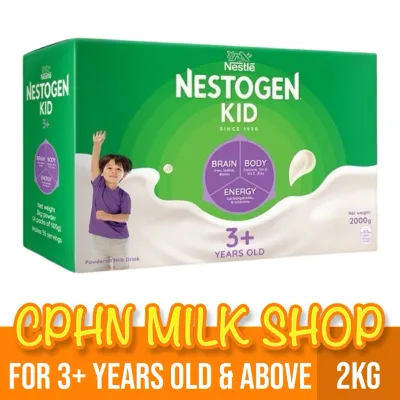
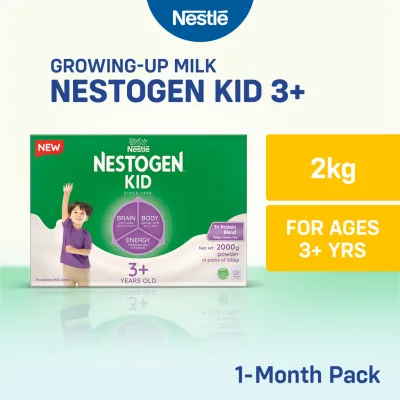
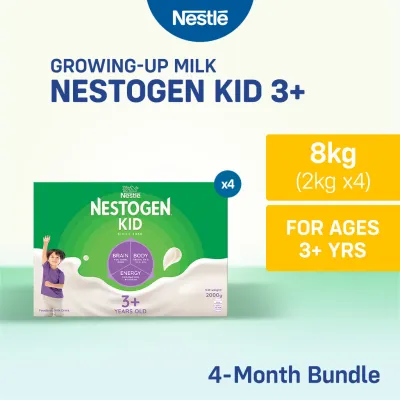
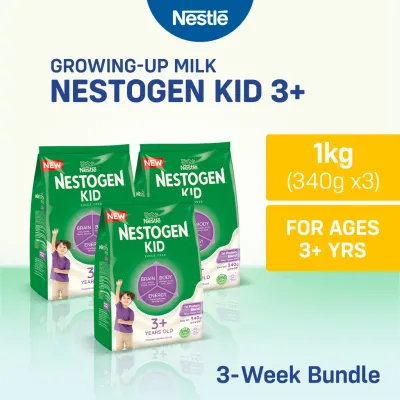
Nestogen 3 Plus is widely recognized as an accessible, budget-friendly option designed for toddlers over one year old. Its formulation typically focuses on digestive comfort and basic growth support, often incorporating active cultures or prebiotics to aid digestion. It is a practical choice for families seeking reliable daily nutrition without a premium price tag.
Nido is a household staple in the Philippines, known for its focus on overall growth and immunity support. It is formulated with a blend of vitamins and minerals, such as Vitamin C, Zinc, and Selenium, which are key to supporting a toddler’s immune system as they begin exploring their environment. Nido is highly accessible and comes in various packaging sizes, making it highly adaptable to different household budgets.
NAN is positioned as a premium, scientifically advanced option that often features specialized protein blends and specific probiotic strains. This brand is frequently chosen by parents whose toddlers have sensitive digestive systems or those who prefer a formula that closely aligns with advanced nutritional research. The focus here is on high-quality protein structures that are easy for young tummies to digest.
Enfagrow is another premium brand that places a strong emphasis on brain development and cognitive support. Its marketing and formulation highlight higher levels of Docosahexaenoic Acid (DHA), an essential omega-3 fatty acid, along with other nutrients like iron and zinc. It is designed for parents who prioritize cognitive development support and are comfortable with a higher price point per serving.
To help you compare these options directly, the following matrix outlines key checkable label specifications that you should verify on the product packaging before purchasing:
| Feature / Specification | Nestogen 3 Plus | Nido | NAN | Enfagrow |
|---|---|---|---|---|
| Primary Focus | Digestive comfort & budget value | Immunity support & daily growth | Advanced protein & digestive science | Cognitive development & brain support |
| Key Label Ingredients to Verify | Prebiotics, Iron, Calcium | Vitamin C, Zinc, Selenium, Prebiotics | Specialized proteins, Probiotics | DHA, ARA, Beta-Glucan, Iron |
| Common Packaging Formats | Boxed packs (including 2kg bulk) | Boxed packs, tins, pouch refills | Metal tins | Metal tins, boxed packs |
| Target Age Range | Toddlers 1-3 years | Toddlers 1-3 years | Toddlers 1-3 years | Toddlers 1-3 years |
When using this framework, remember that individual tolerance is the ultimate deciding factor. A formula with the most advanced specifications on paper will not benefit your child if they experience digestive discomfort or refuse to drink it. Always prioritize how your child’s body reacts to the formula over brand positioning.
Key Decision Factors: Ingredients, Digestion, and Budget
When evaluating toddler formulas, parents must learn to read the nutritional facts panel and ingredient list critically. Do not rely solely on front-of-pack marketing claims. Turn the package over and inspect the exact amounts of DHA, ARA, iron, and vitamins per 100 grams or per serving to make an objective comparison.
One critical aspect to check is the source and amount of added sugars and flavorings. Some toddler milks contain added sucrose, corn syrup solids, or artificial flavorings to make the drink more appealing to young children. If you prefer to limit your child’s intake of added sugars, look for formulas that rely primarily on lactose as their carbohydrate source and do not list sucrose or corn syrup high on the ingredient list.
Digestive health is another major consideration. Look for the presence of prebiotics (such as FOS and GOS) or probiotics on the label, which support a healthy gut microbiome. If your toddler is prone to constipation or hard stools, a formula with added dietary fibers or specific active cultures may help promote softer stools, though you should monitor their response closely.
Budget is a highly practical factor for long-term daily use. To calculate the true cost-effectiveness of a formula, do not just look at the retail price of the package. Instead, calculate the cost per serving by dividing the total price by the number of servings the package yields according to the manufacturer’s preparation instructions.
For example, a bulk format like the Nestogen 3 Plus 2kg pack often provides a lower cost per gram compared to smaller tins or boxes of premium brands. If your toddler consumes milk regularly and has no digestive issues with the formula, buying these larger bulk packs can lead to significant monthly savings. However, you must ensure you have the proper storage facilities to keep the powder fresh in humid tropical conditions.
How to Transition and Monitor Your Child's Response
Introducing a new toddler formula should always be done gradually to allow your child’s digestive system to adapt. A sudden switch from one brand to another can cause temporary digestive upset, such as gas, bloating, or changes in stool consistency. A standard transition plan typically spans five to seven days.
To execute a gradual transition, begin by mixing the old and new formula powders in the same bottle or cup. On days one and two, use a ratio of 75% of the old formula and 25% of the new formula. On days three and four, move to a 50/50 mix. By days five and six, transition to 25% of the old formula and 75% of the new formula, before moving completely to the new brand on day seven.
During this transition period, closely monitor your child for any observable signs of tolerance or adverse reactions. Normal adaptation may involve minor, temporary changes in stool color or frequency. However, you should watch for clear warning signs of intolerance, such as persistent watery stools, vomiting, excessive fussiness after feeding, or unexplained skin rashes and hives.
If your child exhibits severe symptoms—such as blood in their stool, continuous vomiting, facial swelling, or difficulty breathing—stop using the new formula immediately. These symptoms can indicate a severe allergic reaction or systemic intolerance. In such cases, seek professional medical advice from a pediatrician or visit the nearest healthcare facility right away. Never attempt to force a child to adapt to a formula that causes physical distress.
Frequently Asked Questions (FAQ)
Can I mix two different toddler formula brands together?
While mixing formulas is a common practice during a temporary transition period, manufacturers generally advise against mixing different brands or formulations as a long-term feeding routine. Each brand has a unique, precise balance of nutrients, proteins, and minerals designed to be reconstituted with a specific volume of water. Mixing different powders long-term can alter the overall nutrient density and osmolarity of the drink, potentially placing unnecessary strain on your toddler’s developing kidneys and digestive system. Always consult your pediatrician or refer to the product labels before combining different formulas.
Is a 2kg pack of toddler formula more cost-effective than standard tins?
Generally, purchasing toddler formula in larger bulk formats, such as a 2kg pack, offers a lower price per serving compared to buying smaller tins or boxes. However, in the hot and humid climate of the Philippines, proper storage is essential to prevent the powder from clumping, spoiling, or attracting pests. Once opened, bulk milk powder must be stored in an airtight container in a cool, dry place and consumed within the manufacturer’s recommended timeframe—typically three to four weeks. If your toddler only drinks formula occasionally, a smaller tin may be more practical to avoid waste from expired or spoiled powder.

Community discussion
Share your experience or ask a question. Comments are reviewed before publication.