
When your child reaches one year of age, their nutritional needs shift dramatically as they transition from a milk-only diet to solid foods. In the Philippines, choosing the right toddler milk is a major milestone for parents navigating this transition. Among the top choices on supermarket shelves are Nido, NAN, and Enfagrow. Another highly prominent option frequently recommended by local pediatricians is Promil.
To find the best fit, you must look beyond brand popularity and evaluate how each formula aligns with your toddler’s digestive comfort, taste preferences, and nutritional gaps, as well as your household budget. This guide breaks down these major brands to help you make an informed, practical choice for your 1 to 3-year-old.
Quick Answer: How to Choose Between Nido, NAN, and Enfagrow
Choosing the right formula depends heavily on your toddler’s specific physical needs and your family’s daily routine. Below is a quick, conditional decision framework to help you identify the best starting point for your research:
Products mentioned in this guide
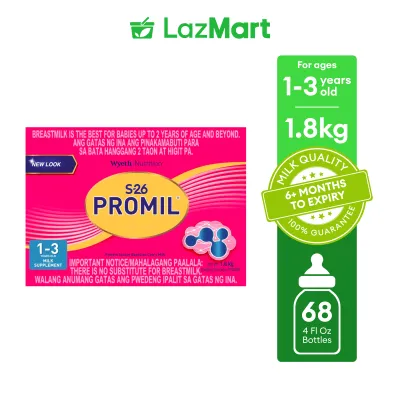
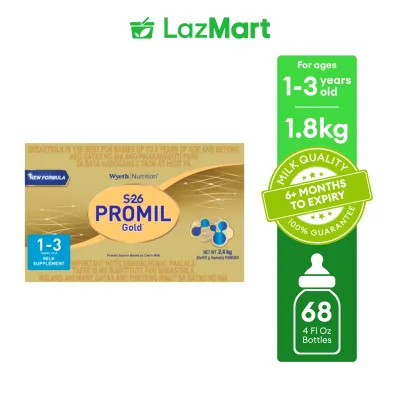
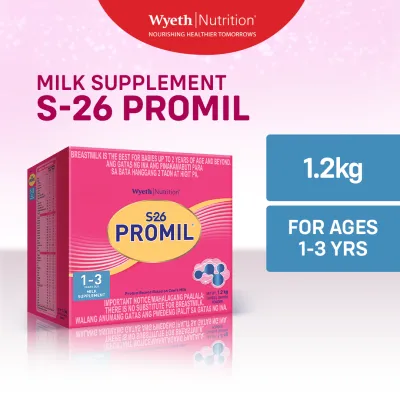
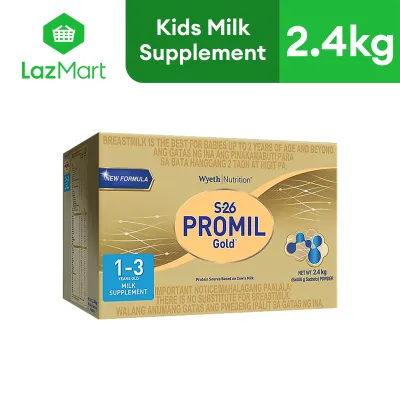
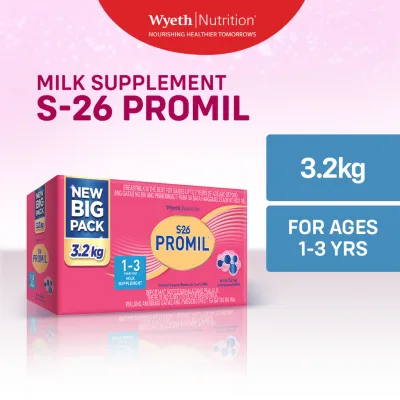

Prices are valid at publication and may change. Please refer to the product page for the latest price.
- Choose Nido if: Your toddler has a robust digestive system, enjoys a rich, creamy milk taste, and you want an affordable, everyday growth milk that is widely available across local stores.
- Choose NAN if: Your toddler has a sensitive stomach, is transitioning from breastmilk, or experiences frequent tummy discomfort, as its formulation prioritizes gentle digestion and gut health.
- Choose Enfagrow if: Your primary focus is on cognitive development and brain-supportive nutrients like DHA, and you are comfortable with a premium price point.
- Choose Promil if: You are looking for a comprehensive nutrient matrix designed to support overall physical and mental development, often recommended as a balanced alternative.
Every child’s digestive system and nutritional requirements are unique. Always consult your pediatrician before switching formulas, especially if your toddler has known food allergies, lactose sensitivity, or specific medical conditions.
Core Nutritional Focus: What Each Brand Prioritizes
Each brand designs its formula with a distinct nutritional philosophy, targeting different areas of a toddler’s development. Understanding these priorities allows you to match the formula to your child’s specific growth needs.

Nido: Everyday Growth and Familiar Taste
Nido, specifically Nido 3+, is formulated as a wholesome, milk-based grow-up milk designed for general physical growth and immune support. It focuses on delivering essential vitamins and minerals that toddlers might miss if they are picky eaters.
This brand is highly regarded for its high toddler acceptance rate. The taste profile is close to regular whole milk, making it an easy transition for toddlers who are sensitive to the metallic or clinical taste of more specialized formulas.
When evaluating Nido, parents should check the packaging label to verify baseline fortifications. Look for calcium and vitamin D to support bone development, alongside iron, zinc, and selenium, which help support the immune system during active outdoor play.
NAN: Gut Health and Gentle Digestion
NAN, specifically NAN Kid 3, focuses heavily on the digestive microbiome and tummy comfort. Because a toddler’s digestive system is still maturing, transitions to solid foods can sometimes cause digestive issues.
This formula typically features specialized probiotic strains, such as Bifidobacterium lactis, and optimized protein structures designed to be gentle on a toddler’s stomach. It is particularly beneficial for toddlers transitioning from breastmilk or those prone to mild gassiness and constipation.
To verify these benefits, examine the ingredients list on the back of the tin. Look for active probiotic cultures and a balanced whey-to-casein protein ratio, which indicates a formula optimized for easy absorption.
Enfagrow: Cognitive and Brain Development
Enfagrow, specifically Enfagrow A+ Four, centers its formulation on brain development and cognitive skills. This focus aligns with the rapid neural growth that occurs during the first three years of life.
Its key differentiator is a high concentration of neuro-nutrients, including Docosahexaenoic Acid (DHA), Arachidonic Acid (ARA), and Milk Fat Globule Membrane (MFGM). These components are associated with supporting brain connections and cognitive function.
Parents can verify these cognitive claims by comparing the lipid profile on the nutrition facts panel. Look at the exact milligrams of DHA per serving to see how it aligns with your developmental goals for your toddler.
Practical Comparison: Digestion, Taste, and Daily Use
While nutritional stats look excellent on paper, the day-to-day reality of preparing and feeding the formula heavily influences your long-term success. Taste, digestibility, and preparation ease are critical factors.
Digestibility and Tummy Comfort
A toddler’s digestive comfort directly affects their sleep, mood, and appetite. Formulas with highly broken-down proteins or added probiotics, like NAN, are generally easier on sensitive tummies, reducing the likelihood of colic or hard stools. Standard milk-protein formulas like Nido require a more mature digestive tract.
When transitioning to any new formula, monitor your child’s bowel movements, gas, and spitting up over a two-week period. Normal transition symptoms include minor changes in stool color or consistency. However, if you observe persistent diarrhea, vomiting, skin rashes, or excessive crying, stop using the formula immediately and consult your pediatrician.
Taste Profile and Toddler Acceptance
Toddlers are notoriously picky, and taste is often the deciding factor in whether they accept a formula. Nido is known for its sweet, creamy, vanilla-inflected flavor profile, which appeals to many local toddlers. Enfagrow also offers a pleasant, slightly sweet taste, while NAN tends to have a more neutral, less sweet profile due to its specialized protein structures.
To transition a picky toddler, avoid forcing them to drink a full cup of the new formula immediately. Instead, use a gradual mixing method over several days, slowly increasing the proportion of the new formula while decreasing the old one, ensuring you follow proper preparation guidelines for each portion.
Mixability and Preparation
In the humid, tropical climate of the Philippines, formula powder can easily absorb moisture from the air, leading to clumping inside the tin or during mixing. Nido generally dissolves easily in warm or even room-temperature water. Enfagrow and NAN may require thorough shaking or stirring in lukewarm water to prevent clumps from clogging the bottle nipple or cup spout.
Always use the specific scoop provided in each brand’s tin, as scoop sizes and powder densities vary significantly between brands. Never pack the powder tightly into the scoop unless specified by the manufacturer, and always add the water to the cup or bottle before adding the powder to ensure accurate dilution.
How Does Promil Compare for 1 to 3 Years Old?
When searching for the right option, you will frequently encounter the popular choice of promil 1 to 3 years old on local shelves. Promil is a highly established household name in the Philippines, specifically formulated to support the growth and developmental milestones of children aged 1 to 3.
Promil (often Promil Gold Three or Promil Three) positions itself as a premium option with a comprehensive nutrient matrix. It features a balanced blend of DHA, lutein, choline, and unique proteins like alpha-lactalbumin, aiming to support both cognitive development and physical growth.
Comparing promil 1 to 3 years old against the other three brands reveals distinct use cases:
- Vs. Nido: Promil offers a more specialized nutrient focus, particularly regarding brain and eye development, whereas Nido focuses primarily on general physical growth and budget-friendly daily nutrition.
- Vs. NAN: While NAN focuses heavily on gut comfort and digestion, Promil focuses on overall cognitive and physical development. If your child has a highly sensitive stomach, NAN may be more suitable, but for a child with normal digestion, Promil provides a robust nutritional profile.
- Vs. Enfagrow: Both brands place a heavy emphasis on brain development. Enfagrow is highly recognized for its DHA and MFGM content, while Promil counters with its own multi-nutrient blend including DHA, lutein, and oligofructose for digestive support.
Promil is often preferred by parents who receive specific recommendations from their pediatricians or those who want a highly trusted, scientifically backed formula that is readily available in local pharmacies and supermarkets. When purchasing, always check the packaging to verify you are selecting the correct stage (typically Stage 3 for toddlers aged 1 to 3 years old) to ensure the nutrient levels are appropriate for your child’s age.
Budgeting for Toddler Formula: Calculating True Value
Upfront cost per tin can be highly deceptive. A larger tin that seems expensive might actually be more economical in the long run. To calculate the true value, look at the cost per serving.
To calculate the cost per serving, follow these steps:
- Identify the total weight of the tin in grams (e.g., 800g, 1.2kg, or 1.6kg).
- Check the feeding guide on the label to find the weight of a single scoop (in grams) and the number of scoops required per serving.
- Multiply the scoop weight by the number of scoops to find the total grams used per serving.
- Divide the total weight of the tin by the grams used per serving to find the total number of servings per tin.
- Divide the retail price of the tin by the total number of servings to get the cost per serving.
Consider how long-term value factors affect your budget. Larger packaging options (like 1.2kg or 1.8kg boxes or tins) generally offer a lower cost per gram than smaller 400g trial tins. Once opened, most toddler formulas must be consumed within three to four weeks. If your toddler only drinks one cup a day, a massive tin might spoil before you finish it, leading to waste.
To ensure you are purchasing authentic products, buy only from recognized supermarket chains, established department stores, or authorized online pharmacy storefronts. Avoid unverified third-party sellers on online marketplaces, as counterfeit or improperly stored milk powder can pose severe health risks to your child. Always check the expiration dates and ensure the security seal on the tin or box is completely intact before purchase.
Final Verdict: Matching the Formula to Your Toddler
There is no single “best” formula; the right choice depends on your child’s unique health profile, taste preferences, and your family’s budget. The goal is to find a formula that your toddler digests comfortably, accepts willingly, and fits your financial plans.
Keep this quick checklist in mind for your next purchase:
- Verify the Stage: Ensure the packaging clearly states it is for children aged 1 to 3 years (usually Stage 3).
- Check the Expiration Date: Look at the bottom of the tin or back of the box.
- Inspect the Seal: Never buy a tin with a dented, punctured, or broken safety seal.
- Review the Nutrient Focus: Choose the brand that aligns with your child's specific developmental or digestive needs.
Establish a trial period of at least two weeks when starting a new formula. If your child exhibits any signs of intolerance, such as persistent vomiting, severe gassiness, skin rashes, or poor weight gain, stop use immediately and seek professional guidance from your pediatrician.
Frequently Asked Questions (FAQ)
Can I mix two different toddler formula brands together?
Mixing two different brands in the same bottle or cup is generally discouraged. Each brand has a unique nutrient density, osmolarity, and scoop size. Mixing them can alter the water-to-powder ratio, potentially leading to dehydration, kidney strain, or digestive issues. If you need to transition your child to a new brand, it is safer to do so gradually by replacing one full feeding of the old formula with the new formula each day, rather than mixing them in a single serving.
When should I switch my child from infant formula to a toddler grow milk?
The transition from infant formula (Stage 1 or 2) to toddler milk (Stage 3) typically occurs around the 12-month mark. At one year of age, a child’s nutritional requirements change as they begin to rely more heavily on solid foods. Toddler formulas are specifically designed to complement a solid food diet, whereas infant formulas are designed to be the primary source of nutrition. Always seek approval from your pediatrician before making this switch, as some toddlers may need to stay on infant formula or transition directly to whole cow’s milk depending on their growth progress.
Is it necessary to give my 1 to 3 year old formula if they are already eating solid foods?
Toddler formula is not strictly mandatory if your child is eating a highly balanced, diverse solid diet that includes all essential food groups, alongside whole cow’s milk. However, many toddlers go through phases of picky eating, which can lead to nutritional gaps in iron, vitamin D, or zinc. In these scenarios, a toddler formula serves as a reliable nutritional safety net. Assess your child’s daily dietary intake with your pediatrician to determine whether a formula is necessary or if their nutritional needs can be fully met through solid foods alone.
Community discussion
Share your experience or ask a question. Comments are reviewed before publication.