
Selecting the right diaper pants for your baby involves balancing performance, comfort, and your household budget. With options like Nestobaba, Pampers, Equator, and Huggies available, parents often face a confusing array of marketing claims promising ultimate dryness and leak protection. In the tropical climate of the Philippines, where high heat and humidity can quickly lead to skin irritation, finding the correct match is even more critical.
The ideal diaper pant is not a one-size-fits-all solution. A brand that keeps one baby dry overnight might cause leaks or red marks on another due to differences in body shape, movement patterns, and skin sensitivity. By understanding how to physically evaluate these diaper pants and interpret their packaging specifications, you can make an informed decision that keeps your baby comfortable and your budget intact.
Key Factors When Comparing Diaper Pants
Evaluating diaper pants requires a systematic approach that goes beyond brand popularity. The primary decision drivers for any parent are overnight leak protection, daytime mobility, and skin health. Each of these factors is interconnected; a diaper that lacks flexibility will restrict daytime movement, while a diaper with poor breathability will compromise skin health during humid afternoons.
Products mentioned in this guide
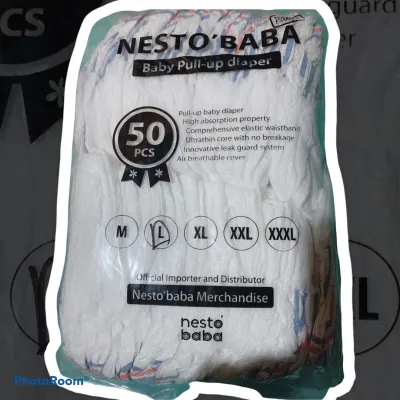
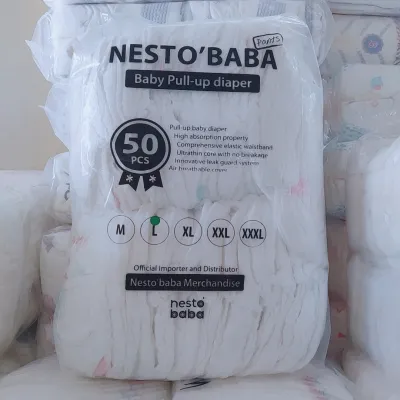
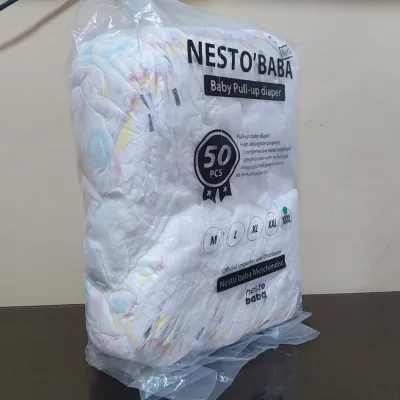

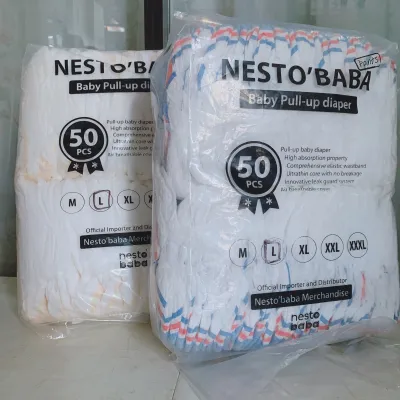
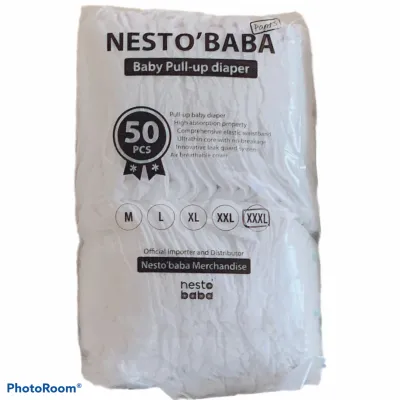
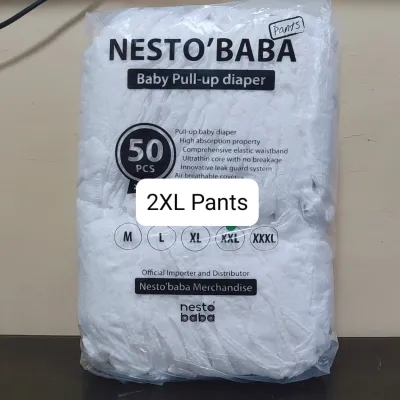
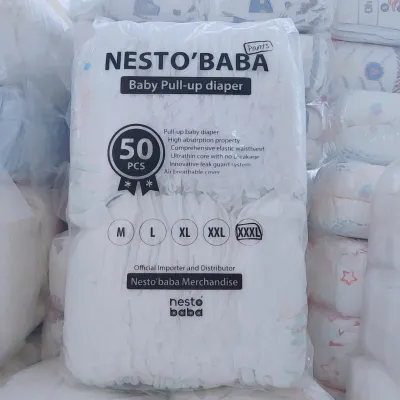
Prices are valid at publication and may change. Please refer to the product page for the latest price.
Because babies grow and develop at different rates, their diapering needs change constantly. A crawling infant requires highly elastic waistbands that move with them, whereas a sleeping newborn needs a core that can rapidly distribute and lock away liquid. Consequently, a single universal winner among Nestobaba, Pampers, Equator, and Huggies does not exist.
Instead of relying on generic marketing terms, parents should focus on verifying packaging claims and observing real-world performance. This guide provides the practical tools needed to inspect diaper construction, calculate true costs, and monitor your baby’s physical response to each brand.
Comparing Absorbency and Leak Protection Features
Absorbency is the foundation of any reliable diaper pant, especially during long stretches of sleep. When comparing Nestobaba, Pampers, Equator, and Huggies, start by examining the packaging for specific absorbency indicators. Look for mentions of channel technology, which uses specialized pathways to distribute liquid evenly across the core rather than letting it pool in one spot.

Another key feature to verify is the presence of a wetness indicator. This color-changing strip on the outside of the diaper pant provides a quick visual cue, helping you avoid unnecessary changes while ensuring your baby does not sit in a wet diaper for too long. You should also check the packaging for claims regarding core thickness and the type of superabsorbent polymer materials used.
Beyond the core, the physical structure of the leak guards plays a vital role in preventing messes. Hold the diaper pant in your hands and gently stretch the leg cuffs. You should observe a double-layer barrier with sufficient elasticity to hug your baby’s thighs without pinching. Check the height of these inner barriers; taller leak guards generally offer better containment during sudden, heavy wetting.
To verify these features before trusting them overnight, you can conduct a simple controlled test at home. Pour a measured amount of warm water onto the center of the diaper pant, wait a few minutes, and press a dry paper towel against the inner lining. A high-performing core will lock the liquid away, leaving the paper towel dry to the touch and demonstrating effective moisture control.
Evaluating Fit, Elasticity, and Sizing Charts
A diaper pant with excellent absorbency can still leak if the fit is incorrect. To find the right match, begin by cross-referencing the weight-based sizing charts printed on the packaging of Nestobaba, Pampers, Equator, and Huggies. Keep in mind that these weight ranges are general guidelines and often overlap between sizes.
The baby’s unique body shape—whether they have chunky thighs, a round tummy, or a lean build—will heavily influence how a specific brand fits. Pay close attention to the waistband stretch and leg cuff flexibility. The waistband should expand easily to accommodate your baby’s belly after feeding, yet retract snugly enough to prevent sagging when the diaper begins to fill.
To ensure your baby’s comfort and safety, use a simple checklist to identify a poor fit during daily use. Look for deep red marks or indentations around the waist and thighs, which indicate the elastic is too tight. Conversely, check for gaps between the diaper and your baby’s skin, particularly around the leg openings, as these gaps are prime locations for leaks.
Another sign of poor fit is uneven absorption pooling, where the front of the diaper becomes completely saturated while the back remains dry. If you notice the diaper sagging excessively or sliding down as your baby crawls, it is a clear indication that the current size or brand cut is not compatible with your baby’s proportions.
Checking Comfort, Breathability, and Skin Sensitivity
In tropical environments, maintaining skin health is a constant challenge for parents. Trapped heat and moisture inside a diaper pant create the perfect conditions for diaper rash and bacterial growth. Therefore, assessing the comfort and breathability of the materials is just as important as evaluating absorbency.
Start by physically feeling the inner lining and outer cover of the diaper pants. The materials should feel soft and cloth-like to the touch, minimizing friction against your baby’s delicate skin. Check the waistband for any rough edges or stiff adhesive seams that could rub against the waist during active play.
Next, inspect the packaging for breathability claims and material certifications. Look for terms like “breathable outer sheet,” “hypoallergenic,” or indicators of dermatological testing. While these labels suggest the manufacturer has taken steps to minimize irritation, they are specifications you must verify through careful observation of your baby’s skin.
Your baby’s skin is the ultimate indicator of a diaper’s comfort and compatibility. Monitor the diaper area closely during transitions between brands for any signs of redness, warmth, or localized rashes. If you observe persistent skin irritation that does not improve with regular diaper cream and frequent changes, stop using that specific brand immediately and consult a pediatrician for professional guidance.
Assessing Price and Value per Diaper
Managing household expenses requires looking past the retail price of a diaper pack and calculating the true cost per use. To do this, divide the total price of the pack by the number of diaper pants inside to find the exact cost per diaper in ₱. This simple calculation allows you to compare Nestobaba, Pampers, Equator, and Huggies on an equal financial footing.
While premium brands may have a higher upfront cost, budget-friendly options like Nestobaba or Equator often present an appealing alternative for daytime use when changes are more frequent. You can optimize your spending by utilizing bulk buying options, subscription models, or promotional bundles on major e-commerce platforms. However, avoid purchasing large bulk boxes of a new brand until you have verified its performance on your baby.
When evaluating overall value, remember to factor in the hidden costs of diaper failures. A cheaper diaper pant that frequently leaks or causes skin rashes can quickly become expensive. The cost of extra laundry, ruined clothing, specialized diaper rash creams, and lost sleep often outweighs the minor savings of a lower unit price. A slightly more expensive diaper that performs reliably overnight may offer better long-term value.
Decision Framework: Which Brand Suits Your Baby?
To simplify your selection process, use this conditional framework to match your baby’s specific needs to the right diaper pant characteristics:
- Choose a high-absorbency, channel-distributing diaper pant (often found in premium lines of Pampers or Huggies) if your baby is a heavy overnight wetter and you want to minimize sleep disruptions.
- Choose a highly flexible, lightweight diaper pant with a soft waistband if your baby is extremely active, crawling, or walking, and shows signs of chafing from stiffer materials.
- Choose a cost-effective utility diaper pant (such as Nestobaba or Equator) for daytime use when you plan to change the diaper every few hours regardless of wetness levels.
Verify first if your baby has a history of severe skin allergies or eczema. In these cases, prioritize diaper pants that explicitly state they are fragrance-free, elemental chlorine-free, and latex-free on the packaging.
Before committing to a large bulk purchase, always buy a small trial pack from official brand stores or authorized online retailers. Testing a small quantity allows you to observe the fit, absorbency, and skin compatibility in real-world conditions without risking a significant financial loss.
Frequently Asked Questions (FAQ)
Can I mix different diaper brands for day and night use?
Yes, mixing diaper brands is a highly effective strategy for many families. You can use lighter, more breathable, and more economical diaper pants during the day when changes are frequent, and switch to a high-absorbency, premium diaper pant for overnight sleep. When adopting this strategy, monitor your baby’s skin closely to ensure they do not react negatively to the different materials and adhesives used by the two brands.
How do I know if it is time to size up in diaper pants?
Several physical indicators suggest it is time to move to the next size, regardless of the weight guidelines on the packaging. If you notice deep red marks around your baby’s thighs or waist, frequent leaks, or if the waistband sits too far below the belly button, the diaper is too small. Additionally, if the diaper pant is difficult to pull up or does not fully cover your baby’s backside, sizing up will provide better protection and comfort.

Community discussion
Share your experience or ask a question. Comments are reviewed before publication.