
A healthy pregnancy relies heavily on robust prenatal nutrition to support both maternal well-being and fetal development. While a balanced diet forms the foundation of prenatal care, healthcare providers frequently recommend prenatal supplements to ensure that critical nutritional gaps are fully addressed. Understanding the specific ingredients in supplements like Natalac helps expectant mothers make informed choices that align with their unique health profiles. By learning how to read supplement labels and understanding the biological roles of key nutrients, you can work more effectively with your obstetrician or midwife to optimize your prenatal regimen.
How to Read and Verify the Ingredient Label
Navigating the packaging of any prenatal supplement is a vital first step before introducing it into your daily routine. The Supplement Facts panel on the back or side of the box provides a detailed breakdown of every active ingredient, along with its specific dosage and the percentage of the recommended daily value it fulfills. When examining your Natalac packaging, look closely at this panel to identify which vitamins, minerals, or herbal extracts are included in that specific formulation.
Beyond the active ingredients, it is equally important to inspect the label for inactive ingredients, potential allergens, and additives. Fillers, binders, or capsule materials might contain substances that do not agree with your digestive system or dietary preferences. Always locate the expiration date printed on the box or blister pack to ensure the product’s potency remains intact. Before taking your first dose, bring the physical packaging or a clear photograph of the ingredient list to your next prenatal checkup so your obstetrician or midwife can verify its suitability for your pregnancy stage.
Products mentioned in this guide

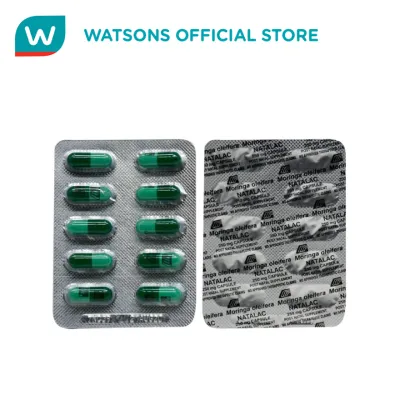

Prices are valid at publication and may change. Please refer to the product page for the latest price.
Common Prenatal Nutrients and Their General Roles
During pregnancy, maternal nutritional requirements increase significantly to support the rapid growth of the fetus and the physiological changes in the mother’s body. Standard prenatal supplements are formulated to target these elevated demands by prioritizing specific vitamins and minerals that are difficult to obtain through diet alone. However, because every pregnancy is unique, individual nutritional needs can vary widely based on your baseline health, lifestyle, and dietary habits. It is essential to cross-reference the nutrient values listed on your supplement label with your daily food intake to ensure you are achieving a balanced nutritional profile without over-supplementing.

Folic Acid and Neural Tube Development
Folic acid, a synthetic form of folate or vitamin B9, plays a foundational role in the very early stages of fetal development. This essential nutrient is critical for supporting the proper closure of the neural tube, which eventually develops into the baby’s brain and spinal cord. Because the neural tube closes within the first few weeks of pregnancy—often before a woman realizes she is pregnant—healthcare providers globally emphasize the importance of adequate folate intake before conception and throughout the first trimester.
When reviewing your prenatal supplement, check the label to identify the specific form of folate used and the exact microgram dosage provided. Some formulations utilize folic acid, while others may feature active methylfolate, which is more easily absorbed by some individuals. Discussing these specific forms with your doctor ensures you receive the optimal type and amount for your body’s needs.
Iron for Blood Volume and Oxygen Transport
During pregnancy, a mother’s blood volume expands by up to fifty percent to supply the growing placenta and fetus with essential nutrients. Iron is a key component in the production of hemoglobin, the protein in red blood cells responsible for transporting oxygen throughout your body and to your baby. Adequate iron intake helps prevent gestational anemia, a condition that can lead to severe fatigue and increase the risk of premature birth or low birth weight.
While iron is vital, oral iron supplements can sometimes cause mild digestive side effects, such as constipation, nausea, or dark stools. Monitoring how your body responds to the supplement is important, and you should report any persistent discomfort to your healthcare provider. If your blood tests indicate specific iron deficiencies, your doctor may recommend a targeted iron regimen rather than relying solely on a standard multivitamin.
Calcium for Maternal and Fetal Bone Health
Calcium is indispensable for building the baby’s skeletal structure, teeth, heart, muscles, and nerves. If an expectant mother does not consume enough calcium through her diet or supplements, the developing fetus will draw the necessary calcium directly from the mother’s bones to meet its developmental needs. This natural process can compromise the mother’s long-term bone density and increase her risk of bone loss later in life.
When evaluating your supplement, check whether the calcium content meets your full daily requirement or only a portion of it, as calcium is a bulky mineral that is rarely fully packed into a single multivitamin capsule. Additionally, verify if the formulation includes supporting nutrients like Vitamin D, which significantly enhances the body’s ability to absorb and utilize calcium effectively.
DHA for Brain and Eye Development
Docosahexaenoic acid, commonly known as DHA, is an omega-3 essential fatty acid that serves as a primary structural component of the human brain and retina. During the third trimester, the fetus experiences rapid brain growth, making the consistent intake of DHA particularly crucial for supporting cognitive development and visual acuity. Because the human body cannot produce DHA efficiently on its own, mothers must obtain it through dietary sources like low-mercury fish or high-quality supplements.
To ensure safety and efficacy, examine the supplement label to identify the source of the DHA, which is typically derived from fish oil or algae. Look for indications of third-party testing or purity standards on the packaging, which verify that the oil has been thoroughly screened for heavy metals, microplastics, and other environmental contaminants common in marine sources.
Evaluating Your Prenatal Supplement Needs
Determining whether a specific prenatal supplement aligns with your body’s requirements involves a careful comparison of the product’s nutrient profile against your daily diet. Supplements are designed to fill nutritional gaps, not to replace a wholesome, balanced diet rich in whole grains, lean proteins, fruits, and vegetables. Consuming excessive amounts of certain nutrients can be just as harmful as having a deficiency, particularly when it comes to fat-soluble vitamins that accumulate in the body.
Work closely with your healthcare provider to assess your typical daily meals and identify any areas where you might be falling short. Your doctor may recommend adjusting your supplement dosage or switching to a different formulation if you experience severe morning sickness, have specific dietary restrictions, or present with pre-existing medical conditions. Regular prenatal blood panels will help your medical team monitor your nutrient levels and make precise adjustments throughout your pregnancy journey.
Safe Usage and Storage Guidelines
To maximize the benefits of your prenatal supplements and ensure maternal safety, always adhere strictly to the manufacturer’s recommended dosage instructions printed on the packaging. Avoid the temptation to double up on doses or self-adjust your intake, even if you feel particularly fatigued or believe you missed a nutrient-rich meal. Over-supplementation can strain your kidneys and liver and potentially impact fetal development.
Proper storage is equally critical, especially in tropical climates characterized by high humidity and elevated temperatures. Store your supplements in a cool, dry place away from direct sunlight, and avoid keeping them in humid environments like the bathroom or near kitchen appliances. Always ensure the container is tightly sealed after each use, and keep the product securely stored in a high cabinet or locked drawer, completely out of reach of children, to prevent accidental ingestion or overdose.
Frequently Asked Questions (FAQ)
Can I take this supplement with other prenatal vitamins?
It is generally not recommended to combine multiple prenatal supplements unless specifically instructed by your obstetrician or midwife. Taking more than one multi-nutrient supplement simultaneously increases the risk of exceeding the safe upper limits for fat-soluble vitamins, such as Vitamin A, and minerals like iron and zinc, which can lead to toxicity. Always consult your healthcare provider before introducing any new vitamin, mineral, or herbal product alongside your current prenatal regimen.
When is the best time of day to take prenatal supplements?
The optimal time to take your prenatal supplement depends largely on how your stomach tolerates it and the specific instructions provided by the manufacturer. Many women find that taking multivitamins or iron-containing supplements with a meal helps minimize common side effects like nausea or indigestion. If your regimen includes separate high-dose calcium and iron supplements, try to take them at different times of the day, as these two minerals can compete for absorption in your digestive tract.

Community discussion
Share your experience or ask a question. Comments are reviewed before publication.