
During pregnancy, your body undergoes remarkable physiological changes to support the life growing within you. To meet these increased physical demands, your daily nutritional requirements rise significantly. Natalac is a well-known maternal supplement brand in the Philippines, frequently associated with natural moringa leaf formulations, which are traditionally valued for their dense micronutrient profile and lactation-supporting benefits. However, because maternal nutritional needs are highly individualized, you must treat any prenatal supplement as a targeted bridge for dietary gaps rather than a complete meal replacement.
It is essential to recognize that exact nutrient levels, active ingredients, and recommended daily percentages will vary depending on the specific product formulation, batch, or variant you purchase. For instance, a pure herbal capsule offers a completely different micronutrient profile compared to a fortified maternal milk drink. Therefore, performing a direct label verification on the specific packaging of the product you choose is a critical first step.
Ultimately, the foundational principle of prenatal care is that supplements must complement, rather than replace, a balanced and diverse prenatal diet. A daily menu rich in local vegetables, lean proteins, healthy fats, and whole grains forms the bedrock of maternal health, with supplements acting as a reliable safety net to ensure no essential nutrients are missed.
Products mentioned in this guide
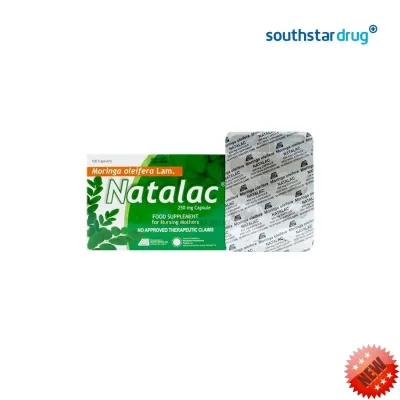

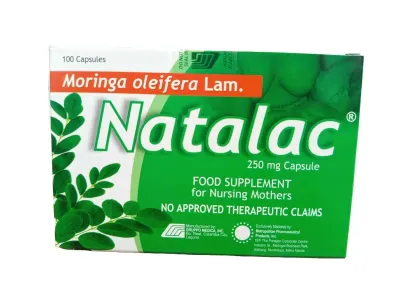
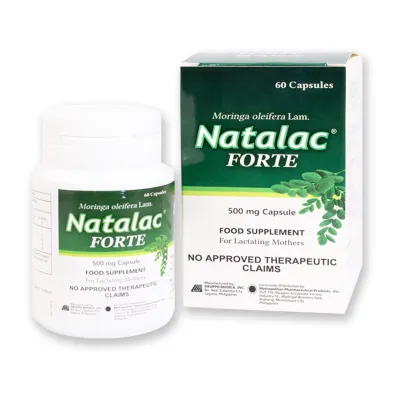

Prices are valid at publication and may change. Please refer to the product page for the latest price.
Key Nutrients to Look For and Their Role in Fetal Development
When evaluating maternal supplements, understanding the biological roles of standard prenatal nutrients helps you make informed choices for your baby’s growth.
Folic Acid, or folate, is a water-soluble B vitamin that is absolutely paramount during the earliest stages of gestation. It plays an indispensable role in the synthesis of DNA and RNA, which is critical for rapid cell division and tissue formation. Most importantly, adequate folate intake supports the healthy closure of the embryonic neural tube, which eventually develops into the baby’s brain and spinal cord. Ensuring you receive the recommended daily amount helps prevent severe congenital anomalies such as spina bifida.
Iron is another critical nutrient, vital for supporting maternal blood volume expansion. During pregnancy, your blood volume increases by nearly half to ensure the placenta receives a steady, robust supply of blood and oxygen. Iron is the core component of hemoglobin, the protein in red blood cells that transports oxygen throughout your body and directly to your growing fetus. Insufficient iron intake can lead to maternal fatigue, compromised immune function, and an increased risk of premature birth.
Calcium and Vitamin D work hand-in-hand to support skeletal development. Fetal bone mineralization accelerates rapidly during the second and third trimesters, requiring a constant supply of calcium. If your dietary intake is insufficient, your body will naturally draw calcium from your own bones to meet the baby’s developmental needs, potentially compromising your long-term maternal bone density. Vitamin D acts as the essential key that unlocks calcium absorption in the gut, ensuring that the calcium you consume is effectively utilized.
DHA and Omega-3 Fatty Acids are structural lipids highly concentrated in the brain and retina. During the third trimester, the fetal brain undergoes a massive growth spurt, accumulating DHA rapidly to support cognitive function, motor skills, and visual development. Incorporating these essential fatty acids into your prenatal regimen supports long-term neurological health for your child.
Protein serves as the fundamental building block of life, supporting the rapid cellular growth and tissue repair of the fetus. It also plays a key role in the expansion of maternal uterine and breast tissues, as well as the increased blood supply. Ensuring adequate protein intake provides the amino acids necessary for building your baby’s muscles, organs, and immune system.
Because Natalac products—particularly those utilizing moringa—are naturally rich in several of these essential vitamins and minerals, they can be a valuable addition to your routine. However, you must locate the nutrition facts panel on your specific Natalac packaging to verify the exact chemical forms, presence, and precise amounts of these nutrients per serving.
How to Evaluate if Natalac Fits Your Dietary Needs
To determine if a specific Natalac product aligns with your prenatal requirements, start by comparing its nutrition label against standard daily recommended values for pregnant women. These values represent the baseline intake levels recommended by obstetricians and nutritional authorities to support a healthy pregnancy.

Next, conduct an honest assessment of your daily food intake. If your regular meals already feature a rich variety of leafy green vegetables, lean meats, seafood, and fortified dairy products, your actual nutritional gaps may be minimal. In contrast, if morning sickness or dietary restrictions limit your food choices, your reliance on a supplement will naturally increase. This assessment helps you avoid the risks of redundant supplementation, where you might inadvertently consume excessive amounts of certain nutrients.
Always scrutinize the ingredient list for potential allergens, food intolerances, and additives. If you are evaluating a milk-based maternal supplement, look closely for lactose or specific milk proteins that could trigger digestive discomfort. For capsule formulations, check the source of the capsule shell and any excipients used. Additionally, be mindful of any added sugars, artificial sweeteners, or flavorings that might not align with your dietary goals.
Finally, consider how the supplement interacts with other elements of your daily routine. Some vitamins and minerals can compete for absorption; for example, high doses of calcium can inhibit your body’s ability to absorb iron. If you are already taking a prescribed prenatal multivitamin, adding another multi-nutrient supplement without careful planning can lead to unsafe cumulative doses.
Safe Usage, Limitations, and When to Consult Your Doctor
While maternal supplements are highly beneficial, they have clear limitations. No supplement can cure pregnancy-related complications, prevent all congenital birth defects, or serve as a substitute for professional medical care and prescribed treatments.
Over-supplementation carries real physiological risks. Consuming excessive iron, for instance, frequently causes uncomfortable gastrointestinal side effects such as severe constipation, abdominal cramping, or dark stools. Furthermore, over-consuming fat-soluble vitamins like Vitamin A can lead to systemic toxicity, which can be harmful to fetal development. To mitigate these risks, always adhere strictly to the manufacturer’s recommended serving size and avoid doubling up on doses.
In tropical environments characterized by high heat and humidity, proper storage is essential to maintain supplement integrity. Keep your supplements in a cool, dry place, away from direct sunlight and moisture, to prevent the active ingredients from degrading or losing their potency over time.
Certain maternal health conditions require immediate medical clearance before you begin any new supplement regimen. If you have been diagnosed with gestational diabetes, severe anemia, thyroid disorders, or are navigating a high-risk pregnancy, your obstetrician must tailor your nutritional plan.
Lastly, monitor your body’s response closely. If you experience adverse reactions—such as severe nausea, skin rashes, breathing difficulties, or unusual digestive distress—stop using the supplement immediately and consult your healthcare provider to explore safer alternatives.
Frequently Asked Questions (FAQ)
Can I take Natalac alongside my prescribed prenatal vitamins?
Taking multiple prenatal supplements simultaneously increases the risk of nutrient toxicity, particularly with fat-soluble vitamins and minerals that accumulate in the body. Exceeding the upper tolerable limits can lead to adverse health effects for both you and your baby. Always compare the nutrition facts panels of both products to calculate your total daily intake, and consult your obstetrician before combining them to ensure your regimen remains within safe, therapeutic limits.
Is Natalac suitable for mothers with gestational diabetes?
If you have gestational diabetes, managing your blood sugar levels is a top priority. You must carefully examine the total carbohydrate, glycemic impact, and added sugar content listed on the specific product label, especially if you are using a powdered milk or flavored supplement. Discussing portion sizes, consumption timing, and how to integrate the supplement into your overall carbohydrate-managed meal plan with a registered dietitian or your healthcare provider is highly recommended.
When is the best time to start drinking maternal milk supplements?
Prenatal nutritional support is often most effective when initiated during the pre-conception phase or early in the first trimester, as this supports critical early developmental milestones like neural tube closure. However, the optimal timing for introducing maternal milk or other concentrated supplements depends heavily on your baseline nutritional status. A healthcare provider can assess your diet and recommend the most beneficial time to start based on your individual physical needs.
Community discussion
Share your experience or ask a question. Comments are reviewed before publication.