
When a newborn is congested, finding a safe and effective way to clear their nasal passages is a top priority for parents. Because infants under three months are primary nose breathers, even mild congestion from tropical humidity or air conditioning can disrupt their feeding and sleep. The safest and most effective nasal suction device is not a single universal winner; rather, it depends on your comfort level with controlling suction pressure, your ability to clean the device thoroughly, and how your baby tolerates the process. By understanding the structural differences and safety checks of manual bulbs, mouth-suction tubes, and electric aspirators, you can choose a tool that safely clears your baby’s nose without irritating their delicate nasal lining.
Understanding the Main Types of Nasal Suction Devices
Nasal suction devices for infants generally fall into three primary categories, each utilizing a distinct mechanism to generate the negative pressure needed to extract mucus. Understanding how these mechanisms work is the first step in determining which option fits best into your daily baby care routine.
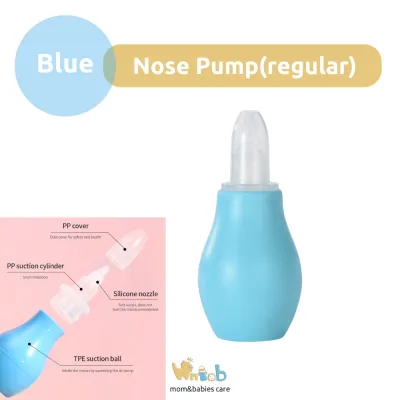
Manual bulb syringes are the most traditional option, featuring a simple squeeze-and-release design. When you compress the rubber or silicone bulb, air is forced out, and as the bulb expands back to its original shape, it creates a vacuum that draws mucus into the tip. This classic tool is highly portable and requires no external power source.
Products mentioned in this guide
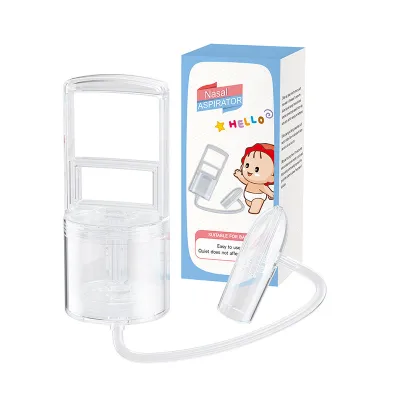
![[🇵🇭 Stock&COD] Baby Nasal Aspirator Manual Snot Sucker Anti Reflux Soft Silicone Easy Clean for Stuffy Nose](https://img.lazcdn.com/g/p/55ac02da68fd9822441461e7955c9cbf.jpg_400x400q80.jpg_.webp)
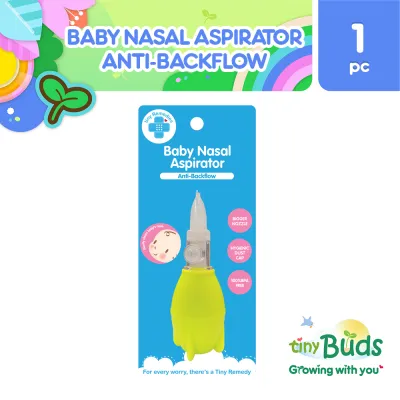
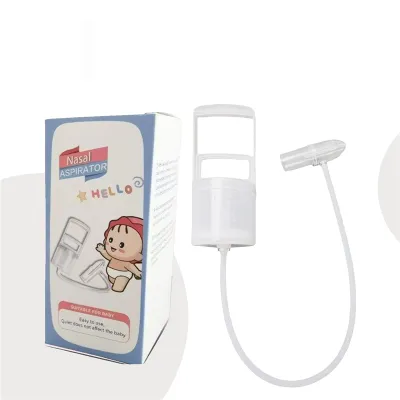
Prices are valid at publication and may change. Please refer to the product page for the latest price.
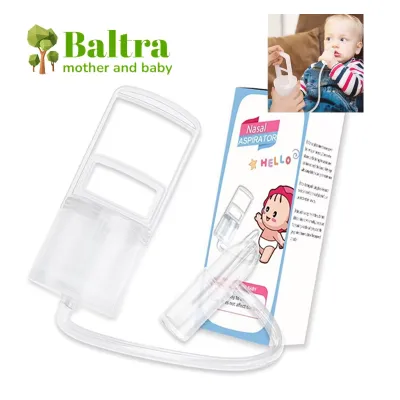
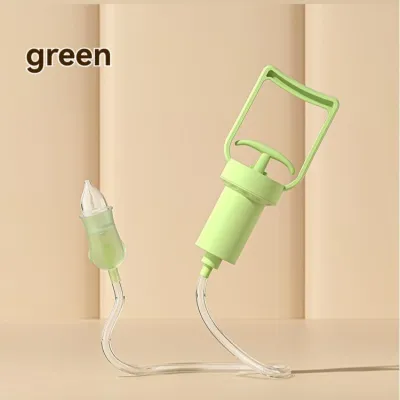
Mouth-suction aspirators, often referred to as tube aspirators, rely on the caregiver’s own breath to generate suction. The device consists of a soft tip placed at the baby’s nostril, a flexible tube, a collection chamber, and a mouthpiece for the parent. A physical filter blocks mucus and pathogens from traveling up the tube, allowing you to adjust the suction force instantly with your breath.
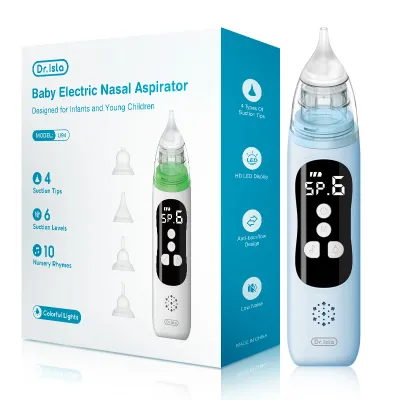
Electric aspirators are motorized, battery-operated, or rechargeable devices that provide continuous, automated suction at the press of a button. These modern tools eliminate manual squeezing or oral suction, relying instead on a small internal pump to draw mucus into a detachable collection cup.
Key Comparison Dimensions for Newborn Safety and Effectiveness
When evaluating nasal suction options for a newborn under three months, safety must always take precedence over sheer clearing power. A newborn’s nasal passages are incredibly narrow, and the mucosal lining is highly sensitive to pressure and friction. Caregivers should assess each device type across several critical dimensions before making a choice.

Suction strength and control are vital for preventing tissue trauma. While stronger suction might seem more effective at clearing stubborn blockages, excessive negative pressure can cause the delicate blood vessels in a newborn’s nose to swell or bleed. Devices that allow you to finely tune or naturally limit the suction force offer a significant safety advantage.
Hygiene and cross-contamination prevention are equally important, especially in warm, humid tropical climates where mold and bacteria can rapidly multiply in damp spaces. A safe aspirator must be designed to prevent mucus backflow and allow for complete sanitization. If a device cannot be thoroughly dried inside, it poses a risk of reintroducing pathogens during subsequent uses.
Ease of use on a squirming infant can determine how quickly and safely you can complete the process. Newborns rarely cooperate during nasal suctioning, often wriggling or shaking their heads. A device that requires two hands to operate may make it difficult to steady your baby’s head gently, increasing the risk of accidental slips and nasal scrapes.
Cleaning and maintenance requirements should align with your daily schedule. Some devices feature complex assemblies with multiple small parts, valves, and tubes that require meticulous washing and air-drying. Understanding whether a device can be boiled, steam-sterilized, or washed with standard dishwashing liquid is essential for maintaining long-term hygiene.
Evaluating Manual Bulb Syringes
Manual bulb syringes are widely recognized for their simplicity and accessibility, often being the first tool parents encounter in local pharmacies. Their single-piece construction means there are no small parts to lose, and they do not rely on batteries, charging cables, or replacement filters to function. This makes them an excellent, low-cost backup option for travel or diaper bags.
However, the traditional bulb design has notable limitations when used on newborns. Because the suction is generated by the rapid expansion of the compressed bulb, controlling the exact force of the vacuum can be challenging. If the bulb is squeezed too hard, the sudden suction can startle the infant or irritate the nasal lining. Additionally, rigid plastic tips can easily scrape delicate tissues if the baby moves suddenly.
The most significant drawback of classic bulb syringes is the difficulty of verifying internal cleanliness. Because many traditional bulbs are opaque and cannot be disassembled, water can easily become trapped inside after washing, creating a dark, damp environment highly conducive to mold growth. To mitigate this risk, caregivers should look for modern, translucent silicone bulbs that can be separated into two pieces for visual inspection and complete air-drying.
Evaluating Mouth-Suction Aspirators
Mouth-suction aspirators have gained popularity because they offer caregivers unparalleled control over the suction process. By using your own breath to draw out the mucus, you can instantly feel the resistance and adjust your inhalation force in real time. This direct feedback loop allows you to apply the gentlest possible pressure needed to clear the blockage, minimizing the risk of tissue irritation.
The clear collection chamber of these devices is another practical advantage, as it provides immediate visibility of the extracted mucus. This allows you to monitor your newborn’s health by observing the color, consistency, and volume of the secretions. Because the tip is typically made of soft, medical-grade silicone, it rests gently against the edge of the nostril rather than inserting deeply, reducing the risk of internal scrapes.
Despite these benefits, mouth-suction aspirators require a degree of coordination and effort from the caregiver. You must manage the mouthpiece, the tube, and the tip while gently holding your wriggling baby, which usually requires both hands. Furthermore, these devices rely strictly on disposable physical filters to prevent the transfer of viruses and bacteria from the baby to the caregiver. Before purchasing, it is essential to verify the availability and ongoing cost of compatible replacement filters on your preferred online marketplace.
Evaluating Electric Nasal Aspirators
Electric nasal aspirators offer a modern, automated approach to infant nasal care, providing consistent and continuous suction at the push of a button. This continuous flow can be highly effective at clearing thick secretions quickly, reducing the overall time spent performing the procedure. Because the device is self-powered, it allows for easy, one-handed operation, leaving your other hand free to cradle your newborn’s head and keep them steady.
Many electric models are designed with built-in safety limits to ensure the suction pressure remains within a safe range for infant nasal tissues. They often feature multiple power levels, allowing you to start on the lowest setting and only increase the strength if necessary. The inclusion of soft, interchangeable silicone tips of varying shapes and sizes helps ensure a snug, comfortable seal at the nostril opening.
On the downside, electric aspirators represent a higher upfront financial investment, with prices often ranging from several hundred to over ₱1,500. They also depend on batteries or regular USB charging, which requires foresight to ensure the device is powered when an unexpected congestion episode occurs. Additionally, the small motor inside the device generates a humming sound and vibration that may startle or upset some sensitive newborns, making the process more challenging.
Decision Framework: Choosing the Right Nasal Suction Device
Selecting the right nasal suction device involves balancing your budget, your comfort with the clearing process, and your newborn’s specific needs. No single device is perfect for every family, but matching your circumstances to the strengths of each type can help you make a confident decision.
Choose a bulb syringe if you are looking for a highly affordable, straightforward backup device to keep in your travel kit or diaper bag. If you select this option, prioritize models made of translucent, medical-grade silicone that can be fully disassembled for cleaning to prevent mold accumulation.
Choose a mouth-suction aspirator if you prefer having direct, tactile control over the suction strength and want to see the exact color and volume of the mucus you clear. This option is ideal for parents who do not mind purchasing ongoing replacement filters and are comfortable using both hands to manage the device and steady their baby.
Choose an electric aspirator if you frequently deal with infant congestion, value the convenience of quick, one-handed operation, and want a consistent suction flow without manual effort. Ensure you select a model with a quiet motor and multiple adjustable power settings so you can always start with the gentlest pressure.
Verify first if your newborn has any underlying health conditions, such as a history of premature birth, narrow nasal passages, or respiratory issues. In these situations, always consult your pediatrician before introducing any nasal suction device, as they can provide tailored advice or recommend a specific medical-grade clearing method.
| Device Type | Suction Control | Hygiene Mechanism | Best For | Key Verification Check |
|---|---|---|---|---|
| Manual Bulb Syringe | Manual (squeeze release) | Opaque/washable chamber | Budget-friendly backup | Check if bulb separates for cleaning |
| Mouth-Suction Aspirator | Caregiver's breath | Disposable physical filter | Precise, variable control | Check filter availability and fit |
| Electric Aspirator | Motorized presets | Detachable collection cup | One-handed, quick clearing | Check waterproof rating and tip softness |
Frequently Asked Questions (FAQ)
How often should I use a nasal aspirator on my newborn?
Newborn nasal passages are highly sensitive, and excessive suctioning can cause the delicate mucosal lining to swell, actually worsening congestion. As a general guideline, limit suctioning to times when congestion actively interferes with your baby’s ability to feed or sleep, typically no more than three to four times a day. Always observe your baby’s comfort levels during and after the process. If you notice any swelling, redness, or blood-tinged mucus, stop using the device immediately and consult your pediatrician for professional guidance.
Can I use saline drops before suctioning a newborn's nose?
Yes, saline drops are highly effective at loosening dry or thick mucus, making it much easier to suction out safely. To use them, gently place one to two drops of infant-safe saline solution into each nostril, wait a minute or two to allow the moisture to soften the mucus, and then proceed with your chosen suction device. Always check the product label to ensure the saline solution is formulated specifically for newborns and contains no active medicated ingredients. Avoid using medicated nasal sprays or decongestants unless they are explicitly prescribed by your pediatrician.
What are the signs that I am using too much suction pressure?
Using excessive suction pressure can irritate or damage your newborn’s fragile nasal tissues. Watch closely for physical signs such as immediate redness around the nostrils, crying that suggests pain rather than mild discomfort, or the appearance of pink or blood-tinged mucus in the collection chamber. Behavioral cues like intense head-shaking, extreme resistance, or prolonged crying after the procedure also indicate that the pressure may be too high or the tip is inserted too deeply. If you observe any of these signs, cease suctioning immediately, verify that you are using the correct tip size, and consult a healthcare professional if the irritation persists.

Community discussion
Share your experience or ask a question. Comments are reviewed before publication.