
Deciding between a nappy caddy and a diaper bag comes down to where you spend your day and how you manage your space. A nappy caddy is an open, stationary organizer designed to keep diapering essentials within arm’s reach across different rooms of your home. A diaper bag is a secure, portable, and often insulated backpack or tote built to withstand travel, public transit, and outdoor environments. While many baby registries suggest buying both, your actual daily routine, living setup, and budget in ₱ will dictate whether you need one, both, or a clever DIY alternative.
Assess Your Daily Baby Care Routine
Focusing on your daily movement patterns is the first step in determining which organizer fits your lifestyle. In many households in the Philippines, daily life spans multiple areas—perhaps a bedroom upstairs, a living room downstairs, or even moving between a main house and a relative’s home nearby. If you find yourself changing diapers in various rooms rather than a single dedicated nursery, a portable home organizer like a nappy caddy saves you from constantly running back and forth.
Consider how often you leave the house. If you frequently navigate errands, pediatric appointments, or family gatherings, a diaper bag is indispensable. Think about the logistics of travel: carrying a baby while boarding public transport, walking through warm outdoor environments, or navigating air-conditioned malls requires hands-free convenience. A backpack-style diaper bag keeps your hands free to hold your baby safely.
Products mentioned in this guide
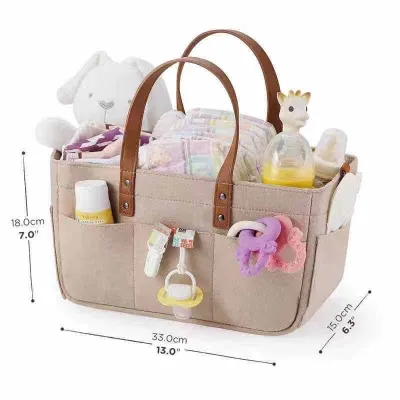
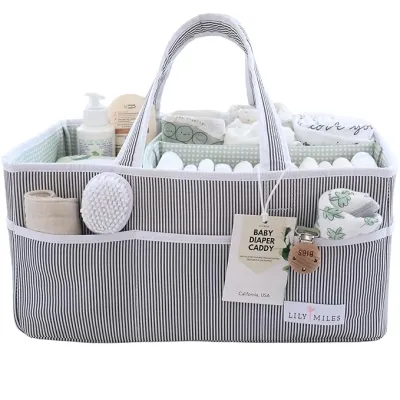
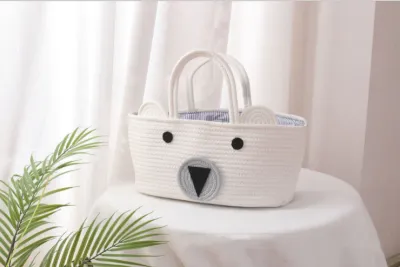
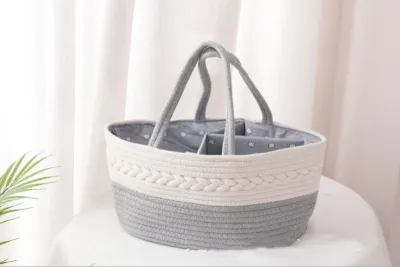
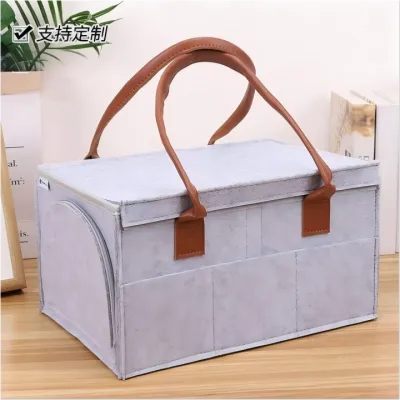
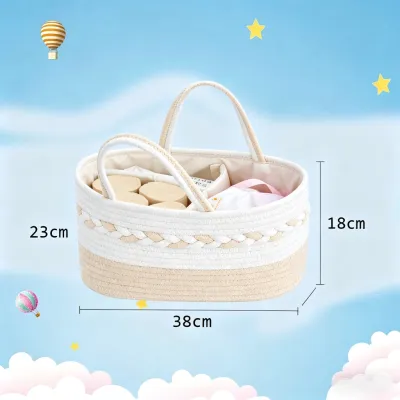
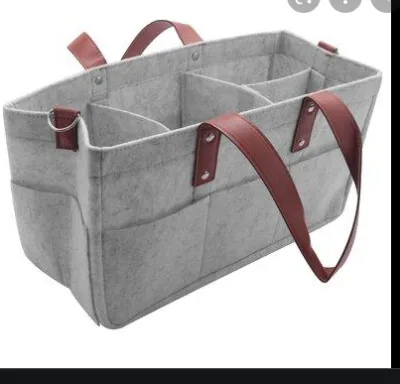
Prices are valid at publication and may change. Please refer to the product page for the latest price.
Also, evaluate who is helping with baby care. If grandparents, helpers, or multiple family members share caregiving duties, having a centralized, easily identifiable station at home prevents confusion. Conversely, if different caregivers take the baby out at different times, a pre-packed diaper bag ensures that whoever leaves the house has everything they need without a frantic search.
Evaluate Your Storage and Space Constraints
Living spaces in urban areas or shared family homes often require smart spatial planning. Before purchasing any storage gear, measure the flat surfaces, shelves, or changing table areas where you plan to keep your supplies. A bulky organizer can quickly crowd a small bedside table or a shared dresser, making the room feel cluttered.

It is helpful to separate your bulk inventory from your daily essentials. You do not need to display a giant box of diapers or multiple unopened packs of baby wipes in your main living area. Instead, use your primary storage closet or cabinets for bulk items and keep only a day or two’s worth of supplies in your immediate reach.
In shared living arrangements, keeping baby gear organized is crucial to maintaining a tidy home. A large diaper bag left open on a living room sofa can look messy and take up valuable seating space. A compact, structured caddy can sit neatly on a shelf or under a crib, keeping the common areas tidy while keeping essentials accessible.
Match Your Needs: Decision Matrix for Caddy vs Bag
To make the right choice, compare the functional strengths of each option against your daily realities. A nappy caddy excels in visibility and accessibility. Because it features an open-top design with multiple compartments, you can perform a quick visual inventory at a glance to see if you are running low on diapers or wipes. During a messy diaper change, the ability to grab a fresh diaper or a tube of rash cream with one hand while keeping your other hand safely on your baby is a major safety and convenience advantage.
A diaper bag, on the other hand, is engineered for security and protection against the elements. It features zippered closures to keep items from spilling during transit, insulated pockets to keep milk or water at a safe temperature in tropical heat, and dedicated compartments for wet clothes or soiled diapers. Many diaper bags also feature integrated, wipeable changing pads that allow you to set up a clean changing station on public surfaces.
Your needs will also shift as your baby grows. During the newborn stage, diaper changes are frequent, and you will likely spend most of your time at home, making a caddy highly useful. As your baby transitions into a mobile toddler, outings become more frequent and diaper changes less constant, shifting the priority toward a durable, portable diaper bag that can hold snacks, water bottles, and toys.
Practical Buying Paths: One, Both, or Neither?
If you are trying to optimize your budget, you do not have to buy every piece of baby gear on the market. Consider these practical paths based on your lifestyle:
Buy only a diaper bag if you live in a compact apartment, have a dedicated, single-room changing setup, or find yourself frequently out of the house. A diaper bag can easily double as your home storage unit if you keep it hung near your changing area.
Buy only a nappy caddy if you primarily stay at home during the first few months and already own a spacious, comfortable backpack or tote bag that you can repurpose for occasional doctor visits.
Buy both if your budget in ₱ comfortably allows for both, investing in a dedicated home caddy and a specialized travel diaper bag offers great convenience. This setup keeps your travel bag packed and ready by the door while your home caddy handles daily, rapid-fire changes.
Skip the caddy entirely and save money by repurposing existing household items. A clean plastic storage basket, a woven native basket, or a multi-compartment organizer you already own can serve as an excellent DIY caddy. Simply line it with a clean cloth and organize your diapers, wipes, and creams inside.
Frequently Asked Questions (FAQ)
Can I use a regular tote bag instead of a dedicated diaper bag?
Yes, you can absolutely use a regular tote bag or backpack. However, standard bags usually lack the specialized features of a diaper bag, such as waterproof linings to contain spills, insulated pockets for bottles, and numerous internal compartments to keep small items organized. If you choose to use a regular tote, consider purchasing a removable bag organizer insert or using separate color-coded pouches to keep diapers, clean clothes, and feeding supplies separated. Always ensure that any small, loose items like safety pins, pacifiers, or small toys are securely zipped away so they do not pose a choking hazard to your baby.
What are the essential items to keep in a stationary nappy caddy?
A well-stocked home caddy should contain only your immediate daily essentials to avoid clutter. Keep a supply of diapers (about 10 to 15), a full pack of baby wipes, a tube of barrier cream for diaper rash, a portable changing mat, and a couple of clean burp cloths or receiving blankets. Depending on the tropical climate and humidity, you may also want to include a small bottle of baby-safe sanitizer and a light change of clothes. Remember to regularly check the manufacturer’s expiration dates on skincare products, creams, and sanitizers to ensure they remain safe for your baby’s sensitive skin.

Community discussion
Share your experience or ask a question. Comments are reviewed before publication.