
Choosing the right milk supplement for your growing child is one of the most frequent decisions you will face as a parent. In the Philippines, the transition from infant formula or breast milk to toddler milk often leads parents to compare three prominent brands: NAN, Nido, and Enfagrow. Each of these options is formulated to support the rapid physical and cognitive development that occurs between the ages of 1 and 3.
However, these brands approach toddler nutrition from different angles, focusing on distinct areas such as brain development, digestive comfort, or overall budget-friendly nutrition. When evaluating nan 1 to 3 years old options alongside its competitors, understanding these differences helps you make an informed choice tailored to your child’s specific needs.
Quick Answer: Which Formula Should You Choose?
To help you navigate the selection process quickly, here is a condition-based decision framework based on common parental priorities and toddler needs.
Products mentioned in this guide
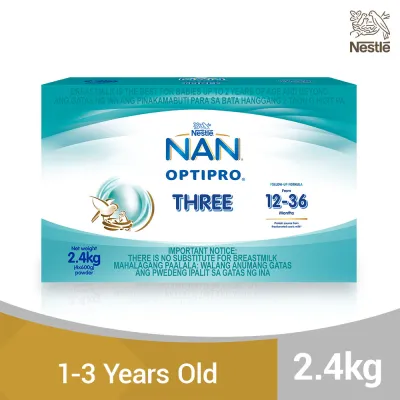
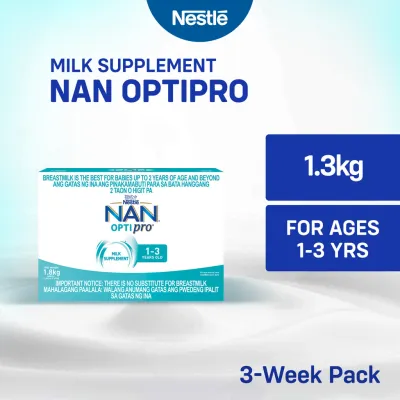
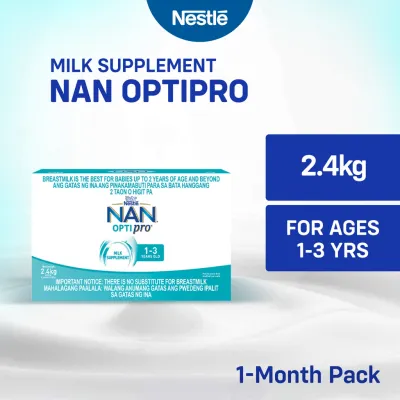
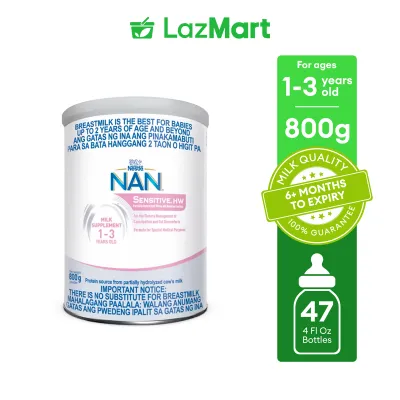
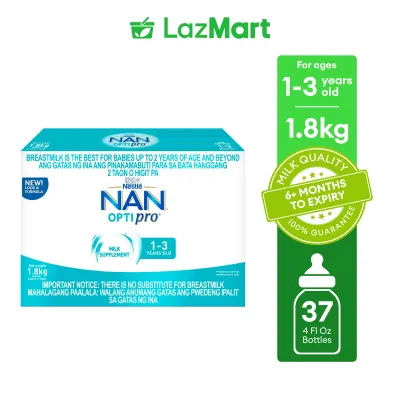
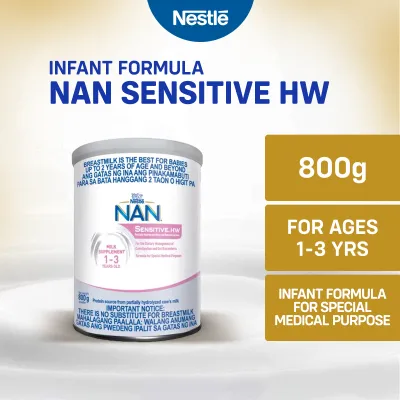
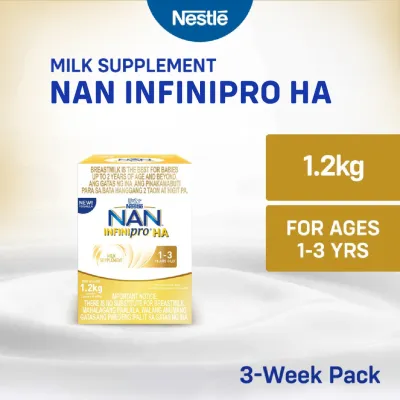
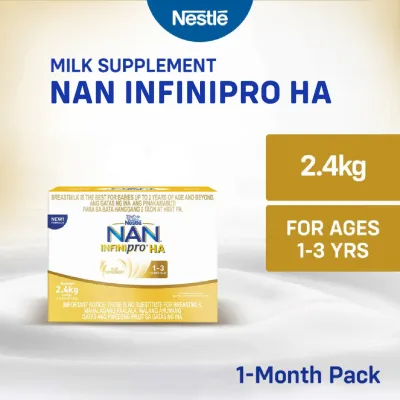
Prices are valid at publication and may change. Please refer to the product page for the latest price.
- Choose NAN if your toddler has a sensitive digestive system or is prone to mild tummy discomfort. NAN toddler formulas often emphasize specific probiotic strains, such as Bifidobacterium lactis, which are clinically studied to support gut health, ease digestion, and promote regular bowel movements.
- Choose Nido if you are looking for an accessible, budget-friendly option that provides solid everyday nutritional support. Nido is widely known for its creamy, appealing taste that many picky eaters accept readily, making it a practical choice for general growth supplementation.
- Choose Enfagrow if your primary focus is on supporting cognitive and brain development with premium ingredients. Enfagrow formulations typically feature higher levels of Docosahexaenoic Acid (DHA) and Milk Fat Globule Membrane (MFGM), positioned for parents who are willing to invest in a premium-tier product.
- Verify first if your child has any diagnosed medical conditions, such as a cow's milk protein allergy or lactose intolerance. Standard toddler formulas from NAN, Nido, and Enfagrow are not designed for these conditions; always consult your pediatrician for specialized hypoallergenic or lactose-free alternatives if your child shows signs of an allergy.
Nutritional Profiles: Comparing Enfagrow, Nido, and NAN 1 to 3 Years Old Formulas
When standing in the milk aisle of a supermarket in the Philippines, it is easy to get overwhelmed by the marketing claims on the front of the packaging. To make an objective comparison, you must turn the tin around and examine the nutritional information panel. This panel lists the exact quantities of vitamins, minerals, and macronutrients per serving.

Brain and Eye Development During the toddler years, brain development continues at a rapid pace, requiring specific fatty acids and proteins. When comparing these brands, look closely at the milligram amounts of DHA and Arachidonic Acid (ARA) per serving. Enfagrow is highly recognized for its focus on brain-supporting nutrients, often incorporating both DHA and MFGM, a complex lipid-protein component. NAN also includes DHA in its formulation to support cognitive development, while Nido provides essential fatty acids as part of its broader nutritional profile. Always check the back label of the specific product variant you are holding to compare the exact milligram measurements of these ingredients.
Bone and Muscle Growth Active toddlers who are learning to run, jump, and climb require robust support for their skeletal and muscular systems. Calcium and Vitamin D are the primary nutrients responsible for building strong bones and teeth. When reviewing the labels, pay attention to the calcium-to-phosphorus ratio, as these two minerals work in tandem; a balanced ratio is essential for optimal calcium absorption. Additionally, compare the protein content per serving to ensure it aligns with your child’s daily dietary needs, keeping in mind that excessive protein intake from milk can sometimes displace solid foods.
Immunity Support As toddlers explore their environment and interact with other children, their exposure to common pathogens increases. At the same time, the maternal antibodies they received during infancy have waned. To support their developing immune systems, look for formulations containing iron, zinc, and vitamins A, C, and E. These micronutrients play a vital role in maintaining cellular immunity and mucosal barriers. Compare the daily value percentages on the labels to see how much of the recommended daily intake each serving provides.
Nutrient Comparison Checklist Before making a purchase, use this quick checklist to compare product labels in-store or on trusted online grocery platforms:
- DHA and ARA: Check the exact milligrams per serving to assess cognitive support.
- Calcium and Vitamin D: Verify the amounts to ensure adequate support for bone density.
- Iron and Zinc: Look for these key minerals to support immune function and prevent deficiencies.
- Total Sugars: Examine the carbohydrate breakdown to identify any added sugars or flavorings that might affect your toddler's dietary habits.
Digestion and Gut Health: Probiotics and Tummy Comfort
A toddler’s digestive system is still maturing, which can make them susceptible to occasional gas, bloating, or changes in bowel habits. How a formula supports gut health can significantly impact your child’s daily comfort and overall well-being.
Probiotics vs. Prebiotics The three brands approach digestive health through different formulation strategies. NAN is particularly known for its inclusion of live probiotic cultures, such as Bifidobacterium lactis. Probiotics are active, beneficial bacteria that directly colonize the gut to support a healthy microbiome and improve bowel regularity. In contrast, Nido and Enfagrow often utilize prebiotic fibers, such as Fructooligosaccharides (FOS) and Galactooligosaccharides (GOS). Prebiotics are non-digestible fibers that serve as food for the beneficial bacteria already residing in your toddler’s digestive tract. While both approaches support gut health, children with sensitive tummies may respond differently to live probiotics compared to prebiotic fibers.
Observing Your Toddler’s Digestion When introducing or switching to a new toddler milk, it is crucial to monitor your child’s digestive response. Normal toddler stool is typically soft but formed. Signs that a formula may not be agreeing with your child’s digestive system include persistent watery loose stools, severe constipation (hard, painful stools), excessive abdominal bloating, or unusually frequent spit-ups. Keep a daily log of your child’s bowel movements during any transition period to identify clear patterns.
Safety Boundary While mild, temporary changes in digestion can occur during a transition, severe symptoms require immediate professional attention. If your toddler experiences persistent diarrhea, vomiting, blood in the stool, severe abdominal pain, or signs of an allergic reaction such as hives or facial swelling, stop using the formula immediately. Do not attempt to diagnose the cause or switch through multiple formulas at home without consulting your pediatrician.
Taste, Mixability, and Toddler Acceptance
Even the most nutritionally advanced formula is of no use if your toddler refuses to drink it. Taste preferences and physical preparation play a major role in whether a milk supplement becomes a seamless part of your daily routine.
Taste Profiles Toddlers are highly sensitive to taste and texture, and their preferences can change rapidly. Nido is widely recognized for its rich, creamy, and whole-milk-like flavor, which closely mimics the taste of fresh dairy. This makes it highly palatable and generally well-accepted by picky eaters. Enfagrow and certain NAN variants may feature slightly sweeter profiles or subtle vanilla flavorings designed to appeal to young children. If your child is sensitive to sweetness or if you prefer to avoid flavored milks, check the ingredient list for added sugars or flavorings before purchasing.
Mixability and Preparation Proper preparation is essential to ensure your toddler receives the intended nutritional value and to prevent unpleasant clumping. In the tropical, humid climate of the Philippines, milk powder can absorb moisture quickly once the tin is opened, which can lead to clumping during mixing. Always follow the manufacturer’s exact instructions regarding water temperature and the order of preparation (usually adding water first, then powder). Using water that is too hot can destroy sensitive probiotics in formulas like NAN, while water that is too cold can cause the powder to clump and settle at the bottom of the bottle or cup.
Smart Purchasing Strategy To avoid wasting money on a large tin that your child might reject, adopt a gradual testing strategy. Look for the smallest available packaging size, such as a 370g tin or single-serve sachets, when trying a brand for the first time. This allows you to test your toddler’s acceptance of the taste and monitor their digestive tolerance before committing to a larger, more expensive bulk purchase.
Price and Value: Budgeting for Daily Feeds
Feeding a toddler is an ongoing household expense that requires careful budgeting. Because prices can fluctuate based on promotions, retail locations, and packaging sizes, it is helpful to understand the general value proposition of each brand.
Calculating Cost Per Serving To determine the true economic value of a toddler milk, do not rely solely on the retail price of the tin. Instead, calculate the cost per serving. You can do this by checking the net weight of the tin and dividing it by the manufacturer’s recommended scoop size to find the total number of servings per container. Divide the total price of the tin by this number of servings. This calculation gives you a realistic picture of your daily or monthly expenditure, as scoop sizes and recommended water volumes vary between NAN, Nido, and Enfagrow.
Pricing Tiers In the Philippine market, these three brands generally occupy distinct pricing tiers:
- Nido is positioned as a highly accessible, standard-tier option, offering excellent value for families looking for reliable daily nutrition without a premium price tag.
- NAN and Enfagrow are positioned in the premium tier. Enfagrow's inclusion of specialized ingredients like MFGM and higher DHA levels contributes to its higher cost, while NAN's advanced probiotic formulations and specialized processing technologies place it at a similar premium price point.
Smart Shopping in the Philippines To manage your monthly milk budget effectively, look for authorized promotions and bundle deals. Major supermarkets and official brand stores on trusted e-commerce platforms frequently offer discounts, loyalty points, or buy-one-get-one promotions. Buying in bulk sizes (such as 1.2kg or 1.8kg packs) generally offers a lower cost per gram compared to smaller tins, provided your child has already accepted the formula and consumes it within the manufacturer’s recommended timeframe after opening.
Safety Warning on Sourcing While finding a good deal is important, never compromise on safety. Strongly avoid purchasing toddler formula from unauthorized third-party sellers, suspiciously cheap online listings, or unverified sources. Counterfeit or improperly stored milk powder poses severe health risks to your child. Always purchase from official brand stores, established supermarkets, or reputable pharmacies to ensure the product is genuine, unexpired, and has been stored under temperature-controlled conditions.
How to Transition and Monitor Your Toddler's Response
Switching your toddler to a new brand of milk—or transitioning from infant formula to toddler milk—should always be done gradually. A sudden change can overwhelm your child’s developing digestive system and lead to unnecessary fussiness or refusal.
The Gradual Transition Method Because different brands have unique scoop sizes and water-to-powder ratios, mixing dry powders from two different brands in a single bottle is not recommended, as it can easily lead to preparation errors. Instead, transition your child by gradually replacing individual feeding sessions over a 5-to-7-day period.
- Days 1 to 2: Replace one of your child's daily feeds with a full serving of the new formula, keeping all other feeds as the old formula.
- Days 3 to 4: Replace two of the daily feeds with the new formula.
- Days 5 to 6: Replace three feeds, gradually phasing out the old formula entirely.
- Day 7 onwards: Offer only the new formula for all feeds.
This method allows your child’s taste buds and gut flora to adapt slowly to the new formulation.
The Monitoring Period Once your toddler has fully transitioned to the new formula, observe them closely for the first two weeks. Keep a close eye on their skin for any signs of rashes, hives, or dry, itchy patches. Monitor their stool consistency to ensure they are not experiencing severe constipation or persistent loose stools. Additionally, watch for behavioral changes, such as unusual fussiness, excessive gas, or vomiting after feeds, which can indicate that the formula is not a good match for their system.
When to Stop If you observe any adverse reactions during the transition or the monitoring period, stop offering the new formula immediately. Revert to the previous milk that your child tolerated well, and consult your pediatrician for guidance. Never force your child to finish a tin of formula if they are showing clear signs of physical discomfort or allergic reactions.
Frequently Asked Questions (FAQ)
Can I mix two different brands in the same bottle?
While it may seem convenient to mix two different milk powders in a single bottle during a transition, doing so is not recommended. Each brand of toddler formula is designed with a specific nutrient density, scoop size, and water-to-powder ratio. Mixing them in the same bottle makes it highly difficult to measure the correct proportions accurately. This can result in a feed that is either too concentrated, which can strain your toddler’s kidneys and cause dehydration, or too diluted, which deprives them of essential nutrients. To transition safely, prepare each formula in separate bottles according to their respective manufacturer instructions before combining the liquid milks, or use the gradual feed-replacement method.
Do 1- to 3-year-olds really need toddler formula if they eat solid foods?
Toddler formula is a nutritional supplement, not a mandatory requirement for all children. Between the ages of 1 and 3, solid foods should gradually become the primary source of your child’s nutrition. If your toddler eats a diverse, well-balanced diet consisting of iron-rich foods, fruits, vegetables, healthy fats, and grains, and they drink whole cow’s milk, they may not require toddler formula. However, for children going through picky eating phases, those with specific nutritional gaps, or toddlers tracking below their growth curves, these formulas can provide a helpful safety net. Always consult your pediatrician to review your child’s growth chart and dietary habits before deciding whether a toddler milk supplement is necessary.

Community discussion
Share your experience or ask a question. Comments are reviewed before publication.