
Choosing the right formula milk for your child is one of the most significant decisions you will make as a parent. With options like NAN, Nido, and Enfagrow dominating the shelves in the Philippines, finding the perfect match can feel overwhelming. There is no single “best” brand that works universally for every child; instead, the ideal choice depends on your baby’s specific digestive tolerance, developmental stage, and your family’s monthly budget. Rather than searching for a one-size-fits-all winner, parents should learn how to evaluate each brand’s core nutritional focus, ingredient profile, and actual cost per serving. This guide provides a structured framework to help you compare these popular options and decide which formula aligns best with your baby’s health requirements and your household’s practical needs.
Brand Positioning: What NAN, Nido, and Enfagrow Focus On
Every formula brand designs its product line around a specific nutritional philosophy, which shapes how they market their products and what ingredients they highlight. Understanding these core focus areas helps you narrow down your choices based on what your child needs most at their current stage of growth.
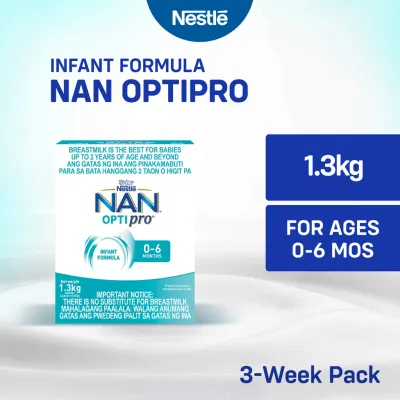
NAN, produced by Nestlé, has historically focused on digestive comfort and gut health. Its product lines often emphasize optimized protein blends and the inclusion of active probiotics and prebiotics. This brand is frequently considered by parents whose babies experience mild digestive issues, such as gassiness or colic, as its formulations aim to support a developing digestive system.
Products mentioned in this guide
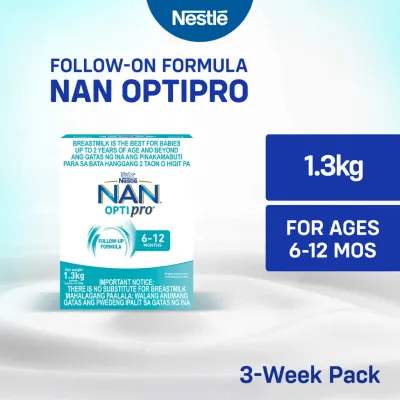
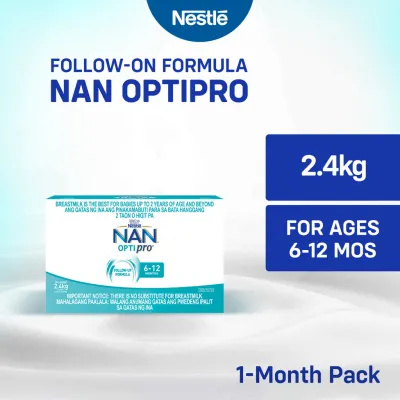
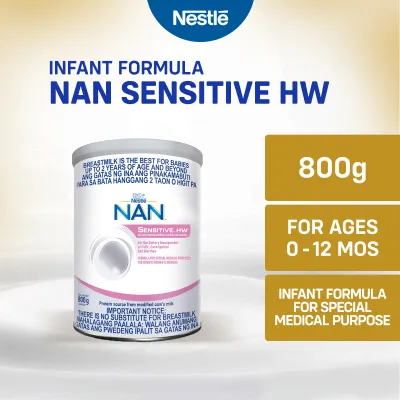
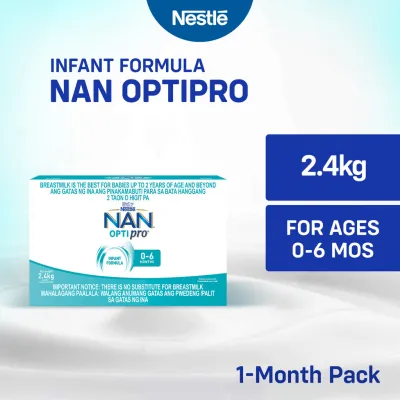

Prices are valid at publication and may change. Please refer to the product page for the latest price.
Nido, also from Nestlé, is positioned primarily as a growth milk for older toddlers and preschoolers who have already transitioned to solid foods. Unlike infant formulas, Nido focuses on providing a broad spectrum of vitamins and minerals to complement a child’s daily diet. It is designed to offer affordable, whole-milk-based nutrition that supports overall physical growth, bone development, and immune health during the active toddler years.
Enfagrow, manufactured by Mead Johnson, heavily emphasizes cognitive development and immune support in its marketing. The brand is well-known for highlighting its inclusion of docosahexaenoic acid (DHA) and other brain-supportive nutrients. Enfagrow targets parents who want to prioritize cognitive milestones and immune defense during crucial early childhood developmental stages.
While these brand positions provide a helpful starting point, they are not a guarantee of performance or suitability for your specific child. Every child’s digestive system reacts differently, and a brand’s general reputation does not replace the need to inspect individual product labels. Before making any final decision or switching brands, it is essential to consult your pediatrician to ensure the chosen formula meets your child’s unique medical and nutritional profile.
How to Compare Nutritional Labels and Key Ingredients
To make an informed decision, you must look past front-of-pack marketing claims and examine the nutritional information panel and ingredient list on the back of the packaging. Learning how to read these labels allows you to compare what your child is actually consuming.

Start by identifying the primary protein source, usually listed first. Most standard formulas use cow’s milk protein (whey and casein). Some variants feature partially hydrolyzed proteins, which are broken down into smaller pieces to make them easier for sensitive tummies to digest. If your child has a diagnosed cow’s milk protein allergy, your pediatrician may direct you toward extensively hydrolyzed or plant-based soy formulas instead.
Next, examine the carbohydrate sources. Lactose is the natural sugar found in breast milk and standard cow’s milk formulas, providing essential energy. However, some formulas substitute or supplement lactose with other carbohydrates, such as corn syrup solids, maltodextrin, or sucrose, to manage sweetness or assist with specific digestive issues. Checking the label helps you identify if a formula contains added sugars that you or your pediatrician prefer to avoid.
You should also locate and compare key functional ingredients like DHA, arachidonic acid (ARA), prebiotics, and probiotics. DHA and ARA are fatty acids associated with brain and eye development, while prebiotics and probiotics support gut health. When comparing NAN, Nido, and Enfagrow, look at the ingredient list to confirm which of these components are present, keeping in mind that their concentrations and specific strains will vary by product variant and stage.
Finally, use the ingredient list as a checklist to identify potential allergens or ingredients your pediatrician has advised against. If your child is prone to eczema, asthma, or food sensitivities, verifying the absence of specific stabilizers, gluten, or soy derivatives is a crucial step in protecting their health.
Checking Age Stages and Specialized Formula Options
Formula milk is carefully calibrated to meet the changing nutritional needs of a growing child, which is why manufacturers divide their products into distinct age stages. Feeding your child the wrong stage can lead to nutritional imbalances or digestive strain.
The standard formula staging system typically categorizes products by age ranges. Stage 1 is formulated for infants from birth to six months, focusing on complete nutrition. Stage 2 serves as a follow-on formula for infants aged six to twelve months, matching their transition to solid foods. Stage 3 is designed for toddlers aged one to three years, while Stage 4 supports preschoolers aged three years and older. Always check the front packaging of NAN, Nido, or Enfagrow to verify the exact age range specified by the manufacturer.
Using an incorrect stage carries distinct risks. Infant formulas are highly refined to protect immature kidneys and digestive tracts, whereas toddler milks contain higher concentrations of minerals like calcium and phosphorus that a young infant’s kidneys cannot easily process. Conversely, feeding an older toddler an infant formula may leave them lacking the age-appropriate iron and protein levels required for their active lifestyle. Transition your child to the next stage only when they meet both the age criteria and the developmental milestones recommended by the manufacturer and your doctor.
If your child experiences persistent discomfort on standard formulas, check for specialized lines within these brands. Many manufacturers offer lactose-free, hypoallergenic, or gentle digestion variants. These specialized options are formulated to address specific issues like lactose intolerance or mild spit-up, but they should only be introduced under the direct guidance of a healthcare professional.
Calculating the True Cost per Serving for Your Budget
Because formula feeding is a recurring monthly expense, understanding the true cost of each brand is vital for long-term budget planning. Relying solely on the retail price of a tin can be misleading, as scoop sizes and preparation instructions vary between brands.
To calculate the true cost per serving, divide the total retail price of the package by the number of servings it yields. You can find the number of servings by checking the preparation guide on the packaging, which states how many grams or scoops of powder are required per bottle. For example, if a ₱900 tin provides approximately 30 servings, the cost per serving is ₱30. Multiplying this by the number of bottles your child consumes daily will give you an accurate estimate of your weekly and monthly expenditure.
The packaging format you choose also significantly impacts your overall costs. Bulk tins generally offer a lower cost per gram but require a higher upfront investment. Refill pouches or box packs are often more economical than tins, but they require extra care in the Philippines’ humid tropical climate. If you use refill pouches, you must transfer the powder to a clean, dry, airtight container immediately after opening to prevent moisture absorption, clumping, and spoilage.
To optimize your budget, compare prices across different retail channels. Local supermarkets, pharmacies, and official brand stores on online marketplaces often offer varying prices, loyalty points, or promotional bundles. When purchasing online, always factor in shipping fees and ensure you are buying from authorized, official sellers to guarantee product authenticity and proper storage conditions before delivery.
Decision Matrix: Which Formula Matches Your Baby's Needs?
To help you synthesize this information, use this structured decision framework to match each brand’s characteristics with your child’s specific situation and your household needs.
You might choose NAN if your primary focus is on early digestive comfort and gut health. If your pediatrician has recommended a formula with specific probiotic strains or partially hydrolyzed proteins to ease mild gassiness, colic, or stool consistency issues, NAN’s specialized product lines are designed to address these concerns during the early months of development.
You might choose Nido if you are looking for an affordable, everyday growth milk for an older toddler or preschooler. If your child is already over the age of one, eats a varied diet of solid foods, and simply needs a reliable source of supplementary calcium, vitamins, and minerals to support their active growth, Nido offers a cost-effective solution that fits easily into a family budget.
You might choose Enfagrow if you want a premium toddler formula that places a strong emphasis on cognitive and immune support ingredients. If you prioritize added DHA and specific nutrient blends marketed for brain development, and the higher price point fits comfortably within your monthly household budget, Enfagrow aligns well with these goals.
However, you must verify first if your child has a diagnosed medical condition, severe reflux, or a suspected food allergy. In these cases, standard commercial variants of NAN, Nido, or Enfagrow are not appropriate. Your child will require a specialized medical formula prescribed by a pediatrician, and you should never attempt to manage severe digestive or allergic symptoms without professional medical supervision.
Frequently Asked Questions (FAQ)
Can I mix NAN, Nido, and Enfagrow in the same bottle?
No, you should not mix different formula brands or stages in the same bottle. Each formula is scientifically designed with a precise balance of nutrients, proteins, and minerals. Mixing them alters the intended concentration and osmolarity, which can strain your baby’s kidneys and digestive system. Additionally, mixing makes it impossible to identify which brand is causing a reaction if your baby experiences an allergic response or digestive upset. Stick to one brand and stage at a time, preparing it exactly according to the manufacturer’s instructions, unless a healthcare professional explicitly directs otherwise.
How do I know if my baby is allergic to a specific formula brand?
An allergic reaction or severe intolerance typically presents with distinct, persistent symptoms rather than occasional fussiness. Watch for signs such as chronic diarrhea, vomiting immediately after feeding, blood or mucus in the stool, hives, facial swelling, or extreme, inconsolable crying. These symptoms differ from normal digestive adjustments, which usually involve mild, temporary gas or slight changes in stool consistency. If you observe any severe or persistent symptoms, stop using the formula immediately and consult your pediatrician for a proper diagnosis and alternative feeding recommendations.
Is it safe to switch between these formula brands?
Switching between formula brands is generally safe, but it should be done gradually to give your baby’s sensitive digestive system time to adjust. A sudden switch can lead to temporary digestive upset, gassiness, or changes in stool patterns. To transition safely, introduce the new formula slowly over several days by gradually replacing one feeding per day with the new brand, or by mixing the prepared formulas in separate bottles and adjusting the ratio over time. Monitor your baby’s stool consistency, spit-up frequency, and overall behavior closely during this transition period.

Community discussion
Share your experience or ask a question. Comments are reviewed before publication.