
Choosing the right toddler formula for your child between the ages of 1 and 3 is a significant decision that directly impacts their growth, comfort, and daily nutrition. During this developmental stage, toddlers transition from a primarily liquid diet to solid foods, making milk a supportive supplement rather than the primary source of nourishment. While brands like NAN, Nido, and Enfagrow are highly visible options on supermarket shelves and online marketplaces in the Philippines, there is no universal “best” formula. The ideal choice depends on matching a product’s specific nutritional profile to your toddler’s unique digestive tolerance, physical activity levels, and taste preferences.
Parents often feel overwhelmed by the marketing claims displayed on formula tins. One brand might emphasize cognitive development, while another highlights digestive comfort or overall physical growth. To make an informed decision, it is essential to look past the front-of-pack slogans and systematically analyze the nutrition facts panel and ingredient list. Additionally, because every child’s digestive system matures at a different rate, observing how your toddler reacts to a specific formula is just as important as the nutrients it contains. Consulting your pediatrician before making any changes ensures that your choice aligns perfectly with your child’s health status and developmental milestones.
Understanding the Core Differences in Toddler Formulas
To navigate the options effectively, it helps to understand the general market positioning and primary nutritional focus of each brand. NAN is widely recognized for its focus on digestive comfort and gut health. Its formulations often highlight the inclusion of specific probiotics, prebiotics, or partially hydrolyzed proteins designed to be gentle on developing tummies. This makes it a frequent consideration for parents whose toddlers experience occasional digestive sensitivity or minor discomfort.
Products mentioned in this guide
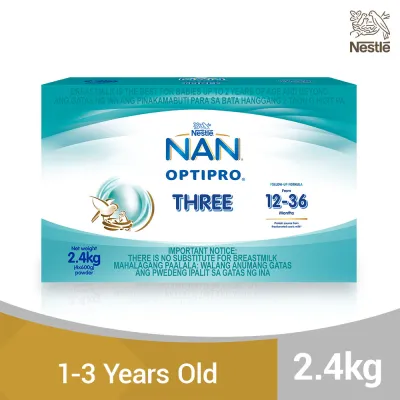
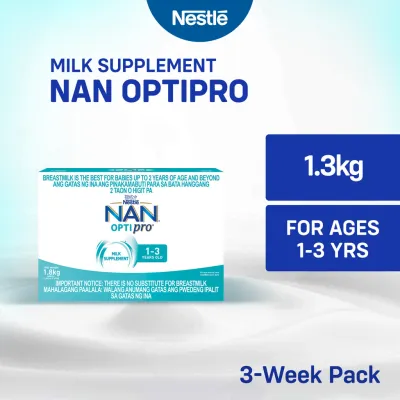
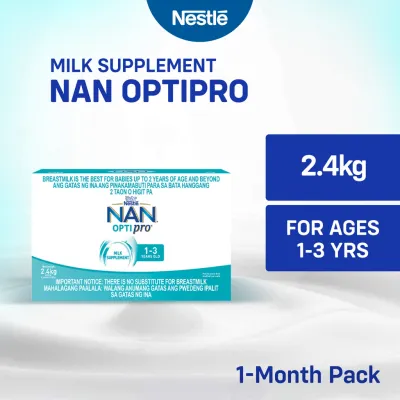
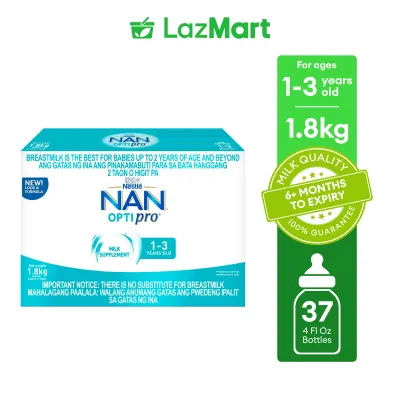
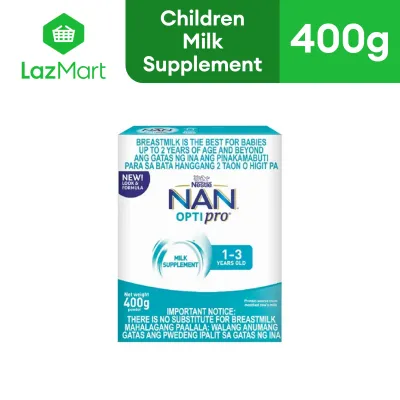
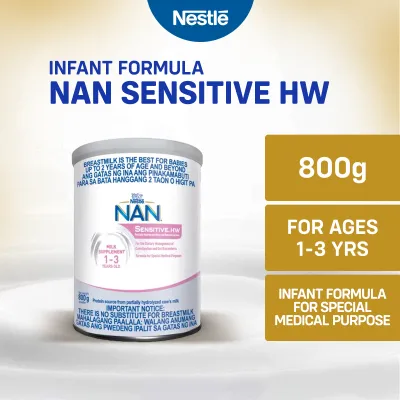
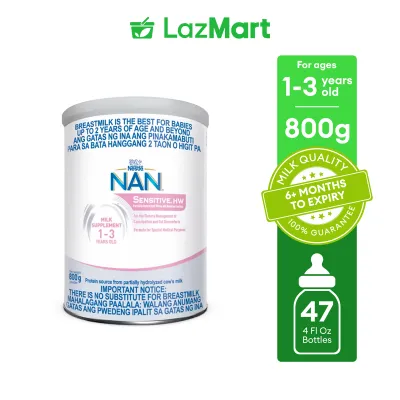
Prices are valid at publication and may change. Please refer to the product page for the latest price.
Nido, on the other hand, is traditionally positioned as a comprehensive growth milk designed for active, growing toddlers. Its marketing typically centers on providing a broad spectrum of essential vitamins and minerals to support daily physical activity, bone development, and overall immune defense. It is often viewed as a practical, everyday option for families looking to balance nutritional support with their monthly household budget in ₱.
Enfagrow is highly associated with brain development and cognitive support. The brand heavily emphasizes ingredients like Docosahexaenoic Acid (DHA) and Arachidonic Acid (ARA), which are structural components of the brain and eyes. Parents who prioritize cognitive milestones and visual development often look to Enfagrow as a specialized option to support their toddler’s rapid learning and brain growth during these critical early years.
While these brand positions provide a helpful starting point, they should not replace a thorough inspection of the physical product labels. Formulations can vary significantly by region, batch, and specific product line. Furthermore, parents must always verify the correct age grading on the packaging. For toddlers aged 1 to 3, look for labels marked as “Step 3,” “Toddler,” or explicitly stating suitability for “1-3 years.” Feeding a toddler formula designed for an older age group, or continuing with infant formula past the recommended age without medical advice, can lead to nutritional imbalances that do not support their current stage of development.
Comparing Key Nutritional Profiles and Ingredients
When comparing NAN, Nido, and Enfagrow, a systematic side-by-side comparison of their nutrition facts panels is the most reliable approach. Start by examining the macronutrients, which include proteins, fats, and carbohydrates. Toddlers require a balanced intake of these three components to fuel their rapid growth and high energy levels. Check the declared amounts per 100 grams or per serving. Pay close attention to the sources of carbohydrates; some formulas rely primarily on lactose, which is naturally occurring in milk, while others may include added sugars like sucrose or corn syrup solids to alter the taste.

Next, evaluate the micronutrient profile, focusing on essential vitamins and minerals that are critical for toddlers. Iron is of paramount importance during the 1 to 3 age range, as rapid brain growth increases the body’s iron requirements, and deficiencies can lead to developmental delays. Calcium and Vitamin D are equally vital, working synergistically to support the rapid mineralization of bones and teeth. Compare the percentage of daily recommended intakes provided by a single serving of each formula to see how effectively they supplement your child’s solid food diet.
Finally, look closely at the added functional ingredients listed on the packaging. These include DHA, ARA, prebiotics (such as galacto-oligosaccharides or fructo-oligosaccharides), and probiotics (live beneficial bacteria). While marketing materials may boast about these additions, the actual quantities and specific strains used must be verified directly from the ingredient list. For instance, if you are comparing the brain-development support of two brands, look at the exact milligrams of DHA per serving rather than relying on the front-of-pack graphics. Similarly, check if the probiotics listed are active and suitable for your child’s digestive needs.
Evaluating Digestibility, Taste, and Allergen Considerations
A formula can have an exceptional nutritional profile on paper, but it is only beneficial if your toddler can digest it comfortably and enjoys drinking it. When introducing or switching to a new formula, closely monitor your child’s digestive tolerance. Signs of good digestion include soft, formed stools, a consistent feeding schedule, and a generally happy disposition after meals. Conversely, signs of potential intolerance include excessive gas, abdominal bloating, hard or painful stools, watery diarrhea, frequent spitting up, or unusual fussiness during or after feeding. If you observe any of these adverse reactions, it is important to stop using the formula and consult your pediatrician for guidance.
Taste and acceptance are highly practical factors that can determine the success of a formula. Toddlers are rapidly developing their taste preferences and can be highly sensitive to subtle differences in flavor and texture. Some formulas have a sweeter taste profile, while others may taste more neutral or have a slightly metallic undertone due to fortification with iron or the use of hydrolyzed proteins. If a toddler consistently rejects a specific brand, forcing them to drink it can create negative associations with feeding time. Sometimes, finding the right formula is a matter of identifying a taste profile that your child readily accepts.
Allergens and sensitivities require strict attention and caution. Standard toddler formulas are typically based on cow’s milk and contain lactose and milk proteins, which are common allergens. Always read the allergen statements printed on the packaging, which usually highlight ingredients like milk, soy, or fish oil (often used as a source of DHA). If your child has a diagnosed or suspected cow’s milk protein allergy or lactose intolerance, standard formulas from NAN, Nido, or Enfagrow may not be suitable. Suspected allergies require immediate medical evaluation by a qualified healthcare professional to determine if a specialized, hypoallergenic, or lactose-free formula is necessary, rather than attempting to resolve the issue through trial-and-error brand switching.
How to Read the Label and Verify Suitability
Ensuring the safety and efficacy of a toddler formula requires careful attention to the preparation instructions, serving sizes, and physical packaging. Always follow the exact water-to-powder ratio printed on the specific tin you are using. Scoop sizes and powder densities vary significantly between different brands and even between different product lines of the same brand. Using too much powder can over-concentrate the feed, putting undue strain on your toddler’s developing kidneys and potentially causing dehydration or constipation. Conversely, using too little powder dilutes the formula, depriving your child of essential calories and nutrients. Always use the scoop provided inside that specific tin and level it off without packing the powder down.
Understanding recommended serving sizes is crucial for maintaining a balanced diet. Toddler formulas are designed to complement, not replace, a diverse diet of solid foods. Over-reliance on milk can fill up a toddler’s small stomach, leading to a decreased appetite for iron-rich solid foods and potentially resulting in nutritional deficiencies. Check the manufacturer’s guidelines on the tin for the recommended number of servings per day, which typically ranges from one to two glasses. If your toddler is consuming significantly more than the recommended amount, discuss their overall dietary intake with a pediatrician to ensure they are receiving a balanced mix of solids and liquids.
Before purchasing and preparing any formula, perform thorough physical checks on the packaging. Inspect the tin for any signs of damage, such as deep dents, rust, or bulging, which can compromise the inner protective lining and lead to contamination. Ensure that the safety seals, both the outer plastic wrap and the inner foil lid, are completely intact. Always verify the expiration date printed on the bottom of the tin. In the warm and humid tropical climate of the Philippines, proper storage is essential to prevent the powder from clumping or spoiling. Store the tightly sealed tin in a cool, dry place away from direct sunlight, and never store it in the refrigerator once opened.
Decision Framework: Which Formula Fits Your Child?
To help narrow down your choice, you can use a conditional decision framework based on your toddler’s observable needs and verified product labels. This framework serves as a practical guide to align your purchase with your child’s specific circumstances.
Choose NAN if your pediatrician recommends focusing on digestive comfort or specific gut-health support, and you have verified on the product label that it contains the desired prebiotics, probiotics, or gentle protein structures that your child tolerates well. This option is often suitable for toddlers who require a gentler introduction to milk formulas or have experienced minor digestive sensitivities in the past.
Choose Nido if your primary goal is to provide a broad, well-rounded nutritional supplement for an active toddler who is already eating a variety of solid foods, and your child readily accepts its specific taste profile. This choice is highly practical for parents looking for a reliable, everyday growth milk that supports overall physical activity and immune health.
Choose Enfagrow if your main priority is to supplement your child’s diet with specific brain-supporting nutrients like DHA and ARA, provided you have verified the exact quantities on the nutrition facts panel and your child shows excellent digestive tolerance and acceptance of the flavor. This is a popular consideration for parents focusing closely on cognitive milestones during the active learning years of toddlerhood.
Verify first with a qualified healthcare professional if your child has a history of food allergies, severe reflux, chronic constipation, or any other underlying medical conditions. In these situations, do not attempt to select a formula based on general marketing claims or peer recommendations. A pediatrician can provide a targeted recommendation for a specialized formula that safely addresses your child’s specific medical and nutritional requirements.
Frequently Asked Questions (FAQ)
Can I mix two different toddler formula brands together?
It is highly recommended not to mix different toddler formula brands or different developmental stages together in the same bottle. Each brand and stage has a unique nutrient concentration and a specific water-to-powder preparation ratio. Mixing them can alter the intended nutritional balance and potentially cause digestive upset or strain your child’s kidneys. If you are transitioning your toddler from one brand to another, it is safer to do so gradually over several days by replacing one full feed per day with the new brand, rather than mixing the powders together in a single serving.
How long can a prepared toddler formula sit at room temperature?
As a general safety rule, prepared toddler formula should be discarded if it has been left sitting at room temperature for more than one to two hours. This is especially critical in the warm and humid climate of the Philippines, where bacteria can multiply rapidly in prepared milk. Always check the specific manufacturer’s instructions printed on the tin, as guidelines can vary. If you prepare a bottle in advance and do not feed it to your child immediately, store it in the refrigerator right away and use it within 24 hours, discarding any leftover milk after a feeding session has ended.
When should I transition my child from toddler formula to regular cow's milk?
Most toddlers can begin transitioning to regular whole cow’s milk around 12 months of age, provided they are consuming a balanced and diverse diet of solid foods that supplies essential nutrients like iron and vitamins. Toddler formulas are fortified supplements, whereas regular cow’s milk is a whole food that does not contain the same level of added micronutrients. The decision to transition depends on your child’s growth progress and dietary habits. It is best to consult your pediatrician to evaluate whether your child is ready for regular cow’s milk or if they would benefit from the continued nutritional fortification of a toddler formula up to age three.

Community discussion
Share your experience or ask a question. Comments are reviewed before publication.