
Finding the right formula milk for a baby’s sensitive digestive system is one of the most common challenges parents face during the first year. When comparing major brands like NAN, Nido, and Enfagrow for tummy comfort, there is no single “best” option that works for every infant. A baby’s digestive comfort depends heavily on their unique gut maturity, specific symptoms, and the exact formulation of the product line rather than the parent brand name alone. Furthermore, because infant nutritional needs and product formulations change, parents must carefully read current packaging labels and consult a pediatrician before introducing or switching formulas for infants aged 0 to 12 months. Understanding how specific ingredients interact with a developing gut is the key to finding a suitable match, such as looking into specialized options like tummicare 0 to 12 variants designed specifically for delicate tummies.
Understanding Tummy Comfort Needs in the First Year
During the first twelve months of life, an infant’s digestive system is rapidly developing and highly sensitive. It is completely normal for babies to experience occasional gas, mild fussiness, spit-up, or infrequent bowel movements as their gut matures. However, distinguishing between normal developmental adjustments and signs of formula-related discomfort is crucial for making informed feeding decisions. Gas and fussiness often occur when a baby swallows air during feeding or struggles to break down complex proteins and sugars. Spit-up is typically a result of an immature lower esophageal sphincter, which usually improves as the baby grows and spends more time upright.
Age-specific staging is vital when selecting any formula. Infant formulas are strictly categorized into stages—typically Stage 1 for infants aged 0 to 6 months and Stage 2 for those aged 6 to 12 months. These stages reflect the changing digestive capacity and nutritional requirements of a growing baby. Stage 1 formulas feature highly digestible proteins and fat blends suited for a newborn’s delicate system, while Stage 2 formulas introduce different protein ratios and iron levels to support an older infant’s development. Feeding a baby the incorrect stage can lead to unnecessary digestive strain or nutritional imbalances.
Products mentioned in this guide
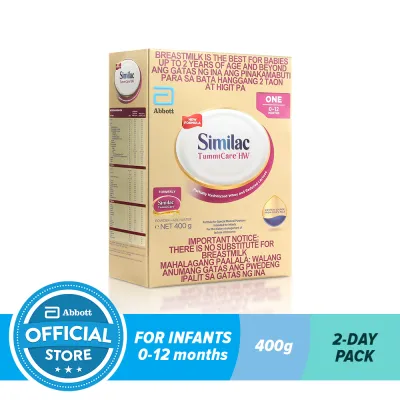
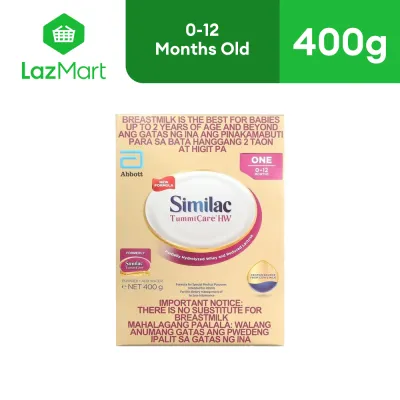
Prices are valid at publication and may change. Please refer to the product page for the latest price.
While mild digestive adjustments are common, parents must monitor their baby for more serious symptoms that require immediate medical attention. Home assessment and formula adjustments should stop immediately if a baby exhibits red-flag symptoms. These include blood or mucus in the stool, projectile or severe vomiting, persistent diarrhea, fever, unexplained skin rashes, or poor weight gain. If your baby shows any of these signs, consult a pediatrician immediately to rule out underlying medical conditions, such as a cow’s milk protein allergy or systemic infections, before attempting to change formulas on your own.
Comparing NAN, Nido, and Enfagrow: What to Look for on the Label
When evaluating NAN, Nido, and Enfagrow, parents must look past marketing slogans and focus entirely on the ingredient list and nutrition panel. Each brand offers distinct product lines, and understanding these differences is essential for supporting a baby’s digestive health.

To support tummy comfort, look for specific functional ingredients on the nutrition panel. Partially hydrolyzed proteins are cow’s milk proteins that have been broken down into smaller, easier-to-digest pieces, reducing the workload on an immature gut. Prebiotics, such as galacto-oligosaccharides (GOS) and fructo-oligosaccharides (FOS), serve as food for beneficial gut bacteria, helping to promote soft stools. Probiotics, which are live beneficial microorganisms, support overall gut health and immune function. Some modern formulations also utilize A2 beta-casein protein, which is structurally different from standard A1 protein and may be gentler on some infant digestive systems. Additionally, adjusted or reduced lactose levels can help babies who experience temporary gas from lactose sensitivity.
A critical safety distinction must be made regarding the brand names themselves, particularly in the local market. Nido is a brand primarily formulated for toddlers and young children aged one year and older, such as Nido 1+ or Nido 3+. Standard Nido products are not designed, balanced, or safe for infants aged 0 to 12 months. For infants in their first year, Nestlé offers infant-specific lines under the NAN brand (such as NAN Optipro, NAN Infinitepro, or specialized comfort lines) and Nestogen. Similarly, while Enfagrow is a popular brand name, its toddler formulations are meant for older children, whereas the infant-specific line for the 0 to 12-month stage is Enfamil. Parents must verify that any product they purchase is explicitly labeled for the 0 to 6 months or 6 to 12 months age range.
When searching for comfort-focused options, parents often look for specialized sub-variants. For instance, the NAN line includes specialized options like NAN Sensitive or variants designed for digestive comfort, often referred to in retail spaces as tummicare 0 to 12 options. These variants typically feature partially hydrolyzed whey proteins and low lactose levels to ease digestion. The Enfamil/Enfagrow family offers “Gentlease” or “Gentle” variants, which also utilize partially hydrolyzed proteins and a reduced lactose blend to address fussiness and gas. Always check the front label and the back panel to confirm the exact sub-variant and age stage before purchasing.
Matching Formula Features to Your Baby's Digestive Signs
Choosing the right formula requires matching your baby’s specific, observed digestive symptoms with the corresponding formulation features. Rather than focusing on which parent brand is universally “best,” parents should use a conditional decision framework based on their baby’s unique needs.
For babies experiencing frequent gas, bloating, and fussiness, formulas with partially hydrolyzed proteins are often highly beneficial. Because the proteins are already partially broken down, the baby’s digestive system does not have to work as hard to process them. Additionally, if a pediatrician suspects a mild, temporary sensitivity to lactose, a formula with reduced lactose levels may help alleviate gas production. However, lactose is an important source of energy and brain development for infants, so parents should only opt for low-lactose or lactose-free formulas under direct medical supervision.
If constipation is the primary concern, the focus should shift to stool-softening ingredients. Look for formulas that contain prebiotic blends (like GOS and FOS) or specific probiotics that help regulate bowel movements. Some formulas also adjust their fat blends, avoiding certain vegetable oils like palm olein oil, which can sometimes bind with calcium in the gut and lead to harder stools. Ensuring the formula is prepared with the exact water-to-powder ratio specified on the tin is also critical, as under-diluting formula is a common cause of infant constipation.
For babies dealing with frequent spit-up or mild reflux, specialized anti-reflux (AR) formulas are available. These formulas are typically thickened with a food-grade starch, such as cornstarch or carob bean gum, which becomes thicker in the stomach to help keep the milk down. Because thickened formulas affect how nutrients are absorbed and how the baby swallows, they should never be introduced without a formal recommendation and diagnostic assessment from a pediatrician.
Ultimately, the specific formulation of the sub-line matters far more than whether the tin says NAN or Enfagrow. A standard, intact-protein formula from any premium brand will perform similarly, whereas a specialized comfort or gentle variant from either brand represents a completely different digestive experience for your baby. Always prioritize the specific ingredient strategy that addresses your baby’s symptoms over brand loyalty.
How to Transition Formulas Safely
If you and your pediatrician decide that a formula change is necessary to improve your baby’s tummy comfort, the transition must be managed carefully. A sudden switch can shock an infant’s sensitive digestive tract, leading to temporary gas, diarrhea, or increased fussiness, which might be mistaken for a bad reaction to the new formula.
A standard, gradual transition over a five-to-seven-day period is highly recommended to allow the baby’s gut enzymes and microbiome to adjust. On days one and two, prepare bottles using a ratio of 75% of the current formula and 25% of the new formula. On days three and four, move to a 50/50 split. On days five and six, use 25% of the current formula and 75% of the new formula. By day seven, the transition to 100% of the new formula should be complete. When mixing formulas, always prepare each type of formula in separate containers according to their specific instructions before combining them into a single bottle, ensuring that water-to-powder ratios remain perfectly accurate.
During this transition period, closely observe your baby for signs of a successful adjustment. A positive transition is marked by a gradual reduction in fussiness, more consistent and comfortable bowel movements, and normal spit-up patterns. It is normal to see minor changes in stool color or consistency during the first few days as the gut adapts to new protein structures or prebiotics.
However, parents must be ready to halt the transition immediately if adverse reactions occur. Stop using the new formula and seek professional medical advice if your baby develops severe diarrhea, frequent projectile vomiting, blood or mucus in their stool, a sudden skin rash or hives, or extreme, inconsolable crying after feeding. These symptoms suggest a potential allergic reaction or severe intolerance rather than a standard adjustment period, requiring immediate pediatric evaluation.
Frequently Asked Questions (FAQ)
Can I mix NAN, Nido, and Enfagrow in the same bottle?
Mixing different formula brands or distinct product lines in a single bottle for routine feeding is generally discouraged by pediatricians and clinical nutritionists. Each formula is scientifically designed with a precise balance of proteins, fats, carbohydrates, vitamins, and minerals, along with specific scoop sizes and water ratios. Mixing them arbitrarily can alter the caloric density and nutrient concentration, potentially leading to kidney strain, dehydration, or severe digestive upset. While mixing is temporarily used during a gradual transition, it must be done by carefully measuring and preparing each formula according to its specific instructions before combining them, rather than guessing scoop ratios in a single bottle of water. Furthermore, remember that Nido is not formulated for infants under 12 months and should never be mixed into an infant’s bottle.
How long should I wait to see if a new formula improves tummy comfort?
When transitioning to a new formula, parents should typically wait one to two weeks to fully evaluate its effectiveness. An infant’s digestive system requires time to adapt to new protein sizes, fat blends, and prebiotic structures. Changing formulas too quickly or switching brands every few days can worsen digestive distress and make it difficult to identify what is actually causing the discomfort. If your baby’s mild gas or fussiness persists during the first week but they are otherwise feeding well, gaining weight, and showing no signs of an allergic reaction, it is usually best to complete the two-week adjustment period. If there is no improvement after two weeks, or if symptoms worsen at any point, consult your pediatrician for further guidance.

Community discussion
Share your experience or ask a question. Comments are reviewed before publication.