
Choosing the right infant milk for your newborn is one of the most critical decisions you will make in their first few months of life. If you are comparing NAN, Enfagrow, and Nido for a baby aged 0 to 6 months, the immediate answer is that the ideal choice depends on your infant’s digestive tolerance, your pediatrician’s specific advice, and your household budget.
However, there is a fundamental difference in how these brands are formulated and targeted. While NAN and Enfagrow (under its infant-stage brand name) offer dedicated Stage 1 formulas specifically designed for newborns, Nido is not formulated for infants under one year old. In the Philippines, Nido is a highly popular brand, but its products are designed for toddlers and older children who require a completely different balance of nutrients.
Before choosing any formula, it is essential to remember that breast milk is the gold standard for infant nutrition. Health organizations, including the World Health Organization and the Department of Health, recommend exclusive breastfeeding for the first six months of life. If you are introducing formula or planning to switch, always consult your pediatrician first to ensure the safety and health of your baby.
Products mentioned in this guide
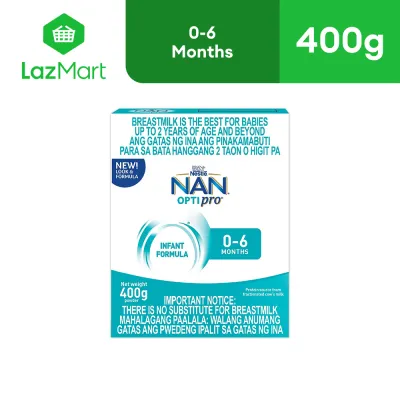
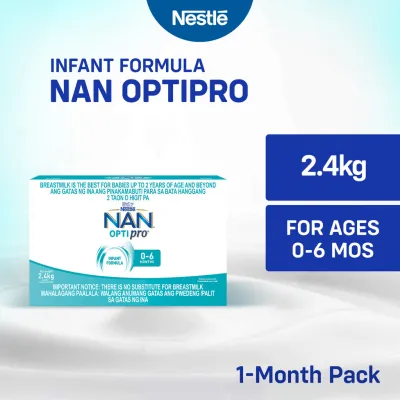
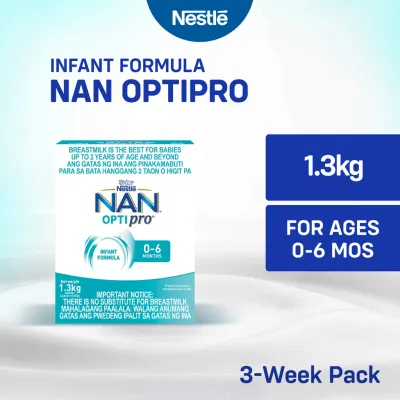
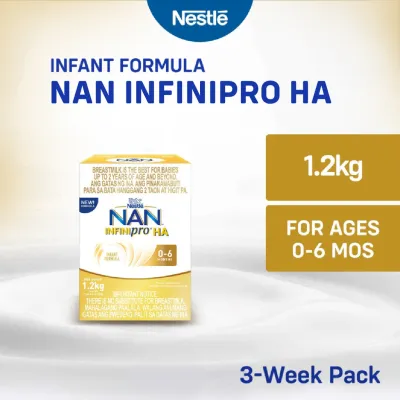
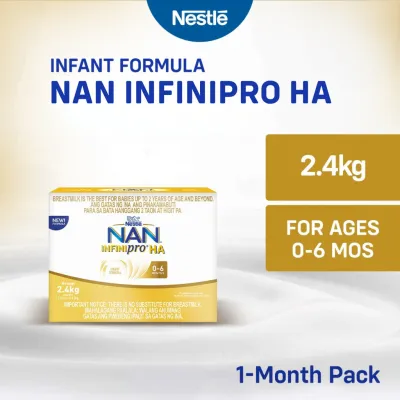
Prices are valid at publication and may change. Please refer to the product page for the latest price.
What to Look for in a 0-6 Month Stage 1 Formula
To make an informed decision at the grocery store or drugstore, you must learn how to read the nutrition facts panel and ingredient list on the formula packaging rather than relying on front-of-tin marketing claims. The nutritional needs of a newborn are highly precise, and their digestive and renal systems are still developing.
First, verify the age grading on the packaging. A true infant formula for the first half-year of life must be explicitly labeled as “Stage 1” or designated for “0 to 6 months.” Infant formulas are engineered to mimic the nutritional profile of breast milk as closely as possible, making them highly digestible for a newborn’s immature stomach. Feeding a baby milk designed for older stages can overload their kidneys with excess protein and minerals.
Next, examine the protein source and the whey-to-casein ratio. Breast milk is whey-dominant, which is why many Stage 1 formulas adjust their protein ratio to be higher in whey (often around 60% whey to 40% casein) to facilitate easier digestion and reduce the likelihood of gas or constipation. Check the ingredient list to see if whey protein is listed as a primary ingredient.
Additionally, look for essential fatty acids like docosahexaenoic acid (DHA) and arachidonic acid (ARA), which are building blocks for brain and visual development. Iron is another critical component to check on the nutrition panel, as infant iron stores begin to deplete after birth, and a reliable source is necessary for healthy blood cell production.
In a tropical climate like the Philippines, high humidity and temperature require extra vigilance when preparing and storing infant formula. Before preparing any formula, always check the applied product’s label and the manufacturer’s precise preparation instructions. Standard practice involves using clean, sterilized bottles and water that has been boiled and allowed to cool to a safe temperature as indicated on the packaging.
Never use unboiled tap water, as a newborn’s immune system is highly vulnerable to waterborne pathogens. Additionally, once a tin of formula is opened, the high humidity can cause the powder to clump and attract moisture. Store the tin in a cool, dry place—never in the refrigerator, as the temperature change when taking it out can cause condensation inside the tin, leading to spoilage. Always use the opened tin within the timeframe specified by the manufacturer, which is typically within three to four weeks.
Finally, be aware of allergen warnings. Most standard Stage 1 formulas are made from cow’s milk protein. If your baby has a family history of allergies or shows signs of sensitivity, you must pay close attention to the allergen statements. Specialized formulas, such as partially hydrolyzed, extensively hydrolyzed, or soy-based options, are designed for specific digestive needs but should only be introduced under a pediatrician’s direct guidance and prescription.
Brand Breakdown: NAN, Enfagrow, and Nido
To help you navigate the shelves of local pharmacies and supermarkets, let us look closely at how each of these three prominent brands fits into the 0 to 6 months category.

NAN Optipro: The Primary nan milk 0 to 6 months Option
NAN Optipro Stage 1 is Nestlé’s primary infant formula designed for babies from birth up to six months. The “Optipro” designation refers to Nestlé’s proprietary process for optimizing the profile of proteins in the milk, aiming to provide the right quantity and quality of proteins to support your baby’s growth without overworking their developing organs.
When inspecting a tin of NAN Optipro Stage 1, check the nutrition panel for its specific protein blend and the inclusion of active cultures or prebiotics, such as 2′-FL (2′-fucosyllactose), which are intended to support gut health. This formula is formulated to be gentle on a newborn’s stomach, helping to minimize common issues like mild spit-up or infrequent bowel movements.
In the Philippines, NAN Optipro Stage 1 is widely available in major supermarkets, local drugstores, and official online brand stores. Because it is a highly sought-after brand, always double-check the manufacturing date, the integrity of the tin, and ensure the protective foil seal under the plastic lid is completely intact before preparation. The brand offers various packaging sizes, including 400g tins for trial and larger 800g or 900g tins for regular use.
Enfagrow A+ Stage 1
When searching for a Stage 1 formula from the makers of Enfagrow, you will find that the manufacturer, Mead Johnson (Reckitt), brands its infant-specific formula for 0 to 6 months as Enfamil A+ Stage 1, while the “Enfagrow” name is reserved for older toddlers. It is crucial to look for the “Enfamil” label when purchasing milk for a newborn, as this is the correct formulation for the 0 to 6 months age bracket.
Enfamil A+ Stage 1 is highly regarded for its focus on brain development nutrients. When reviewing the packaging, check the nutrition facts panel for its levels of DHA and ARA, which are key fatty acids that support early cognitive and visual growth. The brand emphasizes scientific research behind its nutrient blends to support a newborn’s rapid developmental milestones.
This brand is positioned in the premium segment of the Philippine market. It is readily accessible in drugstores and supermarkets across the country. When comparing this option with other brands, look closely at the cost per gram on the nutrition panel to evaluate how it fits your long-term feeding budget. Note that they also offer specialized variants, such as Enfamil Gentlease, which features partially hydrolyzed proteins for babies with sensitive tummies.
Nido (Age Suitability Verification)
Nido is one of the most popular and trusted milk brands in Philippine households, known for its rich taste and affordability. However, it is critical for parents to understand that Nido does not offer a Stage 1 infant formula for babies aged 0 to 6 months in the local market.
Standard Nido products, such as Nido 1+ or Nido 3+, are formulated specifically for toddlers and young children. These products contain higher concentrations of proteins, sodium, and other minerals that a newborn’s delicate kidneys and digestive tract cannot process safely. Feeding toddler milk to an infant under six months old can lead to severe dehydration, digestive distress, and nutritional deficiencies.
In the Philippines, strict legal regulations under the Executive Order 51 (The Milk Code) govern the marketing and promotion of breast milk substitutes for infants up to 12 months. This is why you rarely see advertisements for Stage 1 formulas like NAN or Enfamil, while toddler milks like Nido are heavily marketed. This marketing difference sometimes leads to the misconception that Nido is a general-purpose family milk suitable for all ages.
Always check the age grading printed clearly on the front of any Nido packaging. If you are looking for a milk formula for a baby under six months old, you must skip Nido entirely and opt for a certified Stage 1 infant formula such as NAN Optipro Stage 1 or Enfamil A+ Stage 1. Always verify with your pediatrician if you are unsure about a product’s age suitability.
How to Compare Them: Nutrition, Digestion, and Budget
When deciding between the available Stage 1 options, you can use a practical three-part framework focusing on nutritional composition, digestive compatibility, and your family’s monthly expenses.
Nutrition & Ingredients
Instead of relying on the marketing slogans printed on the front of the tin, turn the package around to compare the nutrition facts side-by-side. Look at the macronutrient values—specifically the total protein, fats, and carbohydrates per 100 kilocalories (kcal) or per 100 milliliters (ml) of prepared formula. Check if the carbohydrate source is primarily lactose, which is the natural sugar found in breast milk, or if it includes alternative carbohydrate sources.
When comparing nutrition panels, you will notice values are often listed per 100 grams of powder, per 100 kilocalories, or per 100 milliliters of prepared formula. Comparing per 100 kilocalories is often the most accurate way to evaluate the nutrient density, as it standardizes the energy content across different brands. Pay attention to the calcium-to-phosphorus ratio and the sodium levels; Stage 1 formulas keep these levels low to match the filtration capacity of an infant’s kidneys. If you notice significant differences in these values between brands, discuss them with your pediatrician to understand how they might affect your baby’s specific developmental needs.
Digestibility
A baby’s digestive comfort is often the ultimate deciding factor when choosing a formula. Look at the ingredient list for specific components that support gut health, such as dietary fibers (prebiotics) or beneficial bacteria (probiotics). Some babies may experience common issues like excessive gas, colic, or frequent spitting up.
While some formulas feature partially hydrolyzed proteins to make digestion easier, you should never continuously switch brands in search of a quick fix. If your baby displays persistent digestive discomfort, consult your pediatrician to identify the underlying cause rather than self-diagnosing.
Price & Value
Formula feeding represents a significant and ongoing financial commitment for families in the Philippines. To compare the true cost of different brands, do not simply look at the price of the tin. Instead, calculate the cost per 100 grams of powder. Tins are commonly sold in various sizes, such as 400g, 800g, or 900g, and some brands offer cardboard box refills which can be more economical.
A formula that seems cheaper per tin might have a different scoop size or dilution ratio, so calculating the cost per 100g of prepared milk or per gram of powder is the most accurate method. Keep in mind that prices in Philippine Pesos (₱) can fluctuate based on retail promotions, drugstore discounts, or bundle deals on official online marketplaces, so it is wise to compare prices across multiple reputable sources.
Decision Framework: Choosing the Right Formula for Your Baby
To help you finalize your decision safely, use this condition-based framework to guide your choice.
- Choose NAN Optipro Stage 1 if: You want a widely available, scientifically backed infant formula from birth to six months, your pediatrician approves of its optimized protein profile, and it fits comfortably within a mid-to-high monthly budget.
- Choose Enfamil / Enfagrow Stage 1 if: Your pediatrician specifically recommends its high-DHA nutrient profile to support early brain development, your baby digests it well without issues, and your family budget can easily accommodate a premium-tier formula.
- Skip Nido if: Your baby is under 12 months old. Since Nido does not offer a Stage 1 infant formula in the Philippines, using it for a newborn is unsafe. Save this brand for when your child is older than one year and your pediatrician confirms they are ready for toddler milk.
- Consult a Pediatrician if: Your baby experiences any unusual symptoms, if you are planning to transition from breastfeeding to formula feeding, or if you feel the need to switch formula brands. Your doctor is the only one who can safely diagnose formula intolerance or recommend specialized therapeutic formulas.
Frequently Asked Questions (FAQ)
Can I mix different formula brands together?
No, you should not mix different formula brands or different stages together in the same bottle. Each brand and stage is formulated with a precise balance of nutrients and requires a specific ratio of powder to water. Mixing them can disrupt this balance, resulting in a mixture that is either too concentrated, which can strain your baby’s kidneys, or too diluted, which can lead to water intoxication and nutritional deficiencies. Always prepare each formula strictly according to the manufacturer’s instructions on the packaging.
How do I know if my baby is reacting poorly to a formula?
You should monitor your baby closely for physical and behavioral signs of formula intolerance or allergy. Common indicators include persistent, forceful vomiting (as opposed to occasional mild spit-up), severe diarrhea, blood or mucus in the stool, a sudden and widespread skin rash or hives, excessive crying and colic-like symptoms during or after feeds, or poor weight gain. If you observe any of these symptoms, stop using the formula immediately and consult your pediatrician. Do not attempt to switch formulas repeatedly without professional medical advice.
Is it safe to buy infant formula from online marketplaces?
It is safe to buy infant formula online in the Philippines only if you purchase directly from official brand flagship stores, authorized distributors, or well-known supermarket chains. Avoid buying from unauthorized third-party sellers, as there is a risk of receiving counterfeit, expired, or improperly stored products. Upon delivery, inspect the packaging immediately. Ensure the tin is completely sealed, free of dents or rust, and check that the expiration date on the bottom of the tin allows for safe usage.

Community discussion
Share your experience or ask a question. Comments are reviewed before publication.