
Choosing the right formula milk in the Philippines requires balancing your child’s age, digestive sensitivity, and nutritional needs. While specialized growth options like ascenda are formulated for children with specific nutritional gaps, everyday household favorites like NAN, Enfagrow, and Nido offer distinct benefits: NAN focuses on early digestive comfort with advanced protein profiles, Enfagrow prioritizes cognitive and immune support for active toddlers, and Nido provides an affordable, fortified whole-milk option for older, school-aged children. Identifying the best fit depends entirely on matching the correct stage number on the tin to your child’s developmental milestones.
Quick Answer: Which Formula Milk Fits Your Child's Current Stage?
Every child has a unique digestive system, meaning there is no single best formula milk for everyone. Instead, the right choice depends on your child’s age, digestive comfort, and overall developmental goals. To help you navigate your options, consider this conditional decision framework:
- Choose NAN if: Your child is in the infant or early toddler stage and requires a formula designed to support easy digestion. NAN variants often feature optimized protein blends and specific probiotics that help minimize common digestive issues like colic, gas, and mild constipation.
- Choose Enfagrow if: Your child is a toddler or preschooler (typically aged 1 to 3 years and above) who is highly active and rapidly developing. Enfagrow is formulated with a strong emphasis on cognitive development and immune system support, featuring higher concentrations of DHA, dietary fibers, and key vitamins.
- Choose Nido if: Your child is an older toddler or school-aged child (typically 3 years and older) who already eats a wide variety of solid foods. Nido provides a highly accessible, budget-friendly, and fortified whole-milk option that supports daily physical growth, bone density, and overall vitality.
- Neither may fit if: Your child has a diagnosed medical condition, such as a cow's milk protein allergy (CMPA) or severe lactose intolerance. Standard commercial formulas can trigger severe adverse reactions in these cases. You must consult a pediatrician immediately to obtain a prescription for specialized hypoallergenic, amino acid-based, or lactose-free formulas.
Ultimately, the success of any formula depends entirely on your child’s individual tolerance and the specific stage number printed on the label. Always consult your pediatrician before making any major changes to your child’s diet.
Products mentioned in this guide
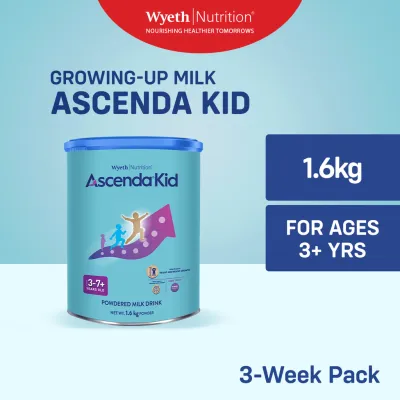
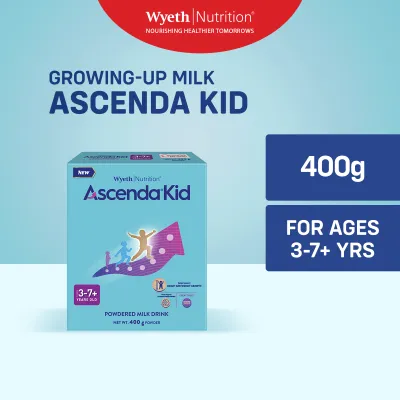
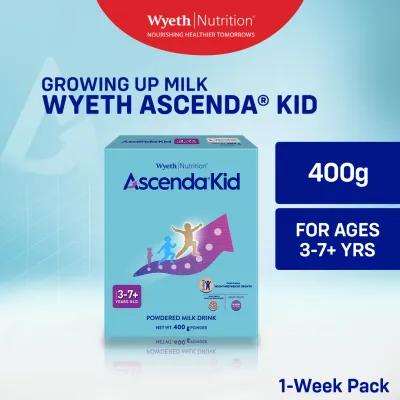
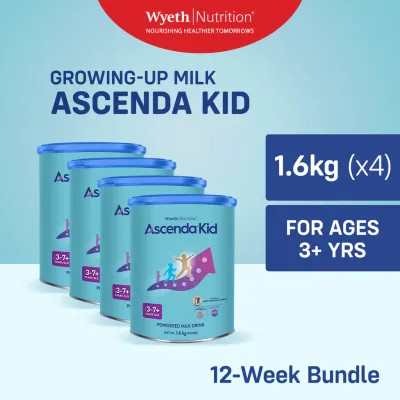
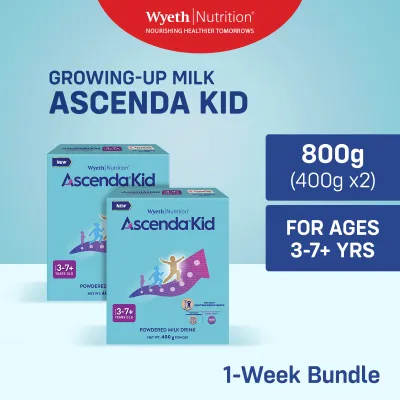
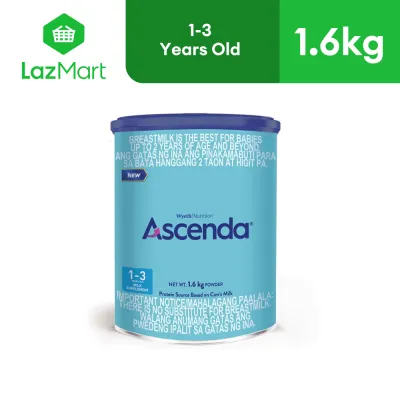
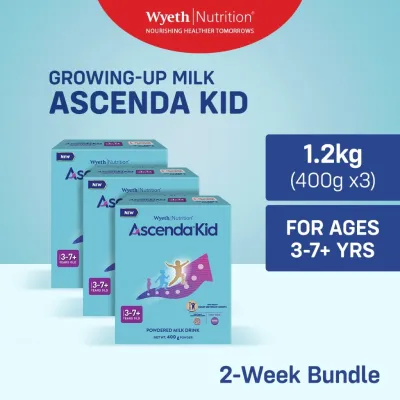
Prices are valid at publication and may change. Please refer to the product page for the latest price.
Understanding the Brands: NAN, Enfagrow, and Nido
To make an informed decision, it is essential to understand how each of these three major brands is positioned in the market. Each brand targets different developmental priorities and age groups, which is reflected in their formulations and product lines.

NAN: Premium Digestive Comfort and Early Development
NAN is Nestlé’s premium line of formula milks, widely recognized for its focus on early childhood nutrition and digestive health. The brand spans from infant formulas (Stage 1 for 0 to 6 months and Stage 2 for 6 to 12 months) to toddler milks (Stage 3 and Stage 4). A key focus of the NAN product line is protein quality. Nestlé utilizes specialized protein processing technologies to create optimized protein blends designed to be gentle on an infant’s developing digestive system.
In addition to its standard lines, NAN offers specialized formulations designed for specific digestive needs, such as comfort lines for infants experiencing mild spit-up, colic, or gas. These variants often contain partially hydrolyzed proteins and specific probiotic strains to support gut health. When choosing NAN, parents must carefully read the packaging to distinguish between standard and specialized comfort formulations, ensuring the selected variant matches the child’s specific digestive profile and age.
Enfagrow: Cognitive and Immune Support for Toddlers
Enfagrow, produced by Mead Johnson, is a highly popular brand in the Philippines that primarily targets toddlers and preschoolers, typically starting from Stage 3 (for children aged 1 to 3 years) and Stage 4 (for children aged 3 years and older). The brand’s market positioning centers heavily on cognitive development and immune support. Enfagrow formulations are characterized by high levels of Docosahexaenoic Acid (DHA), an essential omega-3 fatty acid that serves as a primary building block of the brain.
Beyond brain nutrition, Enfagrow often incorporates ingredients designed to support the immune system, such as beta-glucan, prebiotic triple health guards, and a blend of essential micronutrients. This focus makes it a common choice for parents who prioritize cognitive milestones and immune defense as their children begin interacting more with the outside world. Parents should verify the specific nutrient claims on the tin to understand the exact levels of DHA and other functional ingredients provided per serving.
Nido: Fortified Nutrition for Growing, School-Aged Children
Nido is a household staple in the Philippines, manufactured by Nestlé. Unlike infant formulas, Nido is primarily a powdered whole milk brand designed for older toddlers, school-aged children, and even adults. Its most popular child-focused variants include Nido 1+ (for toddlers aged 1 to 3 years), Nido 3+ (for preschoolers aged 3 to 5 years), and Nido 5+ (for school-aged children).
The primary identity of Nido is to provide affordable, fortified nutrition to complement a child’s solid food diet. Because older children have fully developed digestive systems, Nido does not require the highly modified, pre-digested proteins found in infant formulas. Instead, it focuses on fortification with essential vitamins and minerals—such as Calcium, Vitamin D, Zinc, and Iron—to support bone development, physical growth, and immune health during active years. Parents must check the specific variant to ensure it matches the child’s age, and remember that Nido is never suitable as a breastmilk substitute for infants under 12 months.
While these three brands are widely available in physical supermarkets, pharmacies, and official flagship stores on online marketplaces in the Philippines, stock levels for specific specialized variants can vary. Always cross-reference the exact product name, variant, and stage number on the packaging with your child’s age in months or years before making a purchase.
Key Dimensions to Compare on the Nutrition Label: From Ascenda to Everyday Formulas
When comparing formula milks, relying on front-of-pack marketing claims is rarely sufficient. To make an objective decision that aligns with your child’s health, you must learn to read and compare the nutrition information panels and ingredient lists on the back of the tins. Whether you are looking at standard options or premium specialized growth formulas like ascenda, several key dimensions deserve close inspection.
Age and Stage Matching
Formula stages (typically numbered 1 through 4) are scientifically calibrated to match the changing digestive capacity and nutritional demands of a growing child. For example, Stage 1 and Stage 2 infant formulas are highly regulated and designed to serve as a sole or primary source of nutrition, featuring highly modified proteins and low mineral concentrations to protect delicate infant kidneys. Toddler milks (Stage 3 and Stage 4), on the other hand, contain higher levels of calcium, phosphorus, and proteins that are appropriate for older children but can cause severe renal solute strain in infants.
Skipping stages or introducing older toddler milks to an infant is highly unsafe and can lead to severe digestive distress, dehydration, or nutrient deficiencies. Conversely, keeping an older toddler on an infant formula for too long can result in nutritional gaps, as their growing bodies require higher concentrations of minerals and vitamins than infant formulas provide. Always match the stage number strictly to your child’s exact age in months or years.
Protein Content and Type
Protein is the fundamental building block for physical growth, muscle development, and cellular repair, but the structure of the protein is just as important as the amount. When reviewing the nutrition label, look at the source of the protein and, if listed, the whey-to-casein ratio. Whey protein is highly soluble and easy to digest, whereas casein forms a heavier, slower-digesting curd in the stomach.
Infant formulas typically feature a high whey-to-casein ratio (often 60:40 or higher) to mimic the easy digestibility of breastmilk. If your child has a history of sensitive digestion, frequent spit-up, or mild constipation, look for formulas that utilize partially hydrolyzed proteins. In these formulations, the long protein chains have been enzymatically broken down into smaller, more digestible fragments, reducing the workload on the child’s digestive enzymes. For older children with robust digestion, the intact whole-milk proteins found in standard toddler milks like Nido are perfectly suitable.
Essential Micronutrients
In the tropical climate of the Philippines, children are often highly active outdoors, which increases their metabolic demands. Furthermore, local nutritional studies frequently highlight widespread deficiencies in key vitamins and minerals among Filipino children. When comparing nutrition labels, pay close attention to the following micronutrients:
- Iron: Crucial for red blood cell production, oxygen transport, and cognitive development. Compare the milligrams of iron per serving to ensure your child receives adequate support, especially if they are a picky eater.
- Calcium and Vitamin D: These two nutrients work synergistically. Calcium is vital for building strong bones and teeth, while Vitamin D is required for the body to absorb calcium efficiently. Check that both are present in balanced ratios.
- DHA and ARA: Docosahexaenoic acid (DHA) and arachidonic acid (ARA) are polyunsaturated fatty acids essential for brain and visual development. Compare the exact milligrams of DHA per serving across brands to determine which option best supports your cognitive development goals.
Sugar and Flavorings
As children transition from infancy to toddlerhood, many commercial milk manufacturers introduce added sugars and flavorings to make the milk more appealing to picky eaters. When examining the ingredient list, look carefully for added sugars, which may be listed under names such as sucrose, corn syrup solids, maltodextrin, glucose syrup, or fructose.
While these sugars provide quick energy, a diet high in added sugars can contribute to early childhood tooth decay, rapid blood sugar spikes, and unhealthy weight gain. Furthermore, exposing young children to highly sweetened milks can shape their taste preferences, making them reject plain water and healthy, unsweetened solid foods. Whenever possible, opt for plain, unflavored variants with “no added sucrose” to support long-term metabolic and dental health.
How to Safely Transition and Monitor Your Child's Response
Once you have selected a formula milk, the way you prepare it and transition your child to it plays a massive role in preventing digestive upset and ensuring safety. A child’s gastrointestinal tract is highly sensitive to changes in nutrient concentrations and protein structures.
Safe Preparation Practices
The safety of formula feeding begins with strict hygiene and precise measurement. Always wash your hands thoroughly with soap and clean water, and ensure that all bottles, teats, cups, and preparation utensils have been thoroughly sterilized. Use clean, safe, boiled water that has been allowed to cool to room temperature (or follow the specific temperature instructions on the product packaging).
Always follow the exact water-to-powder ratio specified on the tin. Use only the scoop provided inside that specific tin, as scoop sizes vary significantly between brands and even between different stages of the same brand. Level off each scoop with a clean, dry knife—never pack the powder down.
Never alter the concentration of the formula. Diluting the milk with extra water to stretch your budget can lead to severe nutritional deficiencies and water intoxication, a dangerous condition caused by diluted sodium levels in the blood. Conversely, making the milk extra concentrated in an attempt to help your child gain weight faster can overload their kidneys, cause severe constipation, and lead to life-threatening dehydration.
Transitioning Brands or Stages
To transition your child from one brand to another (for example, from NAN to Enfagrow) or when moving up to a higher stage, use a gradual transition method over several days. This allows your child’s digestive enzymes and gut microbiota to adapt smoothly to the new formulation without causing sudden digestive shocks.
A typical gradual transition schedule spans five to seven days:
- Days 1 and 2: Replace one feed per day with the new formula, keeping all other feeds as the old formula.
- Days 3 and 4: Replace two feeds per day with the new formula.
- Days 5 and 6: Replace three feeds per day with the new formula.
- Day 7 onwards: Transition completely to the new formula.
If your pediatrician recommends mixing the powders within the same bottle during the transition, ensure you maintain the correct water-to-powder ratio for each portion. For example, if preparing a 4-scoop bottle, you might use 3 scoops of the old formula and 1 scoop of the new formula for the first few days, slowly shifting the ratio until the transition is complete.
Monitoring Your Child's Tolerance
During and immediately after the transition, observe your child closely for signs of good physical tolerance. A child who is tolerating their formula well will exhibit:
- Regular, soft, and easily passed bowel movements.
- A consistent appetite and enthusiasm for feeds.
- Steady physical growth and weight gain matching their pediatric growth charts.
- A generally content and comfortable disposition after feeding, without excessive crying or fussiness.
Conversely, signs of potential intolerance can include sudden changes in stool consistency (such as hard, dry pellets indicating constipation, or loose, watery, mucus-filled stools indicating irritation), excessive flatulence, painful abdominal bloating, or unusual fussiness during or immediately after a feed.
When to Stop and Consult a Professional
Establish a clear safety boundary for when to stop feeding a formula and seek professional help. If your child exhibits any signs of an allergic reaction or severe digestive distress, stop using the new formula immediately. These warning signs include:
- A sudden skin rash, hives, or eczema flare-ups.
- Swelling of the lips, face, tongue, or throat.
- Persistent, forceful vomiting or severe projectile spit-up.
- Blood or visible mucus in the stool.
- Difficulty breathing, wheezing, or chronic nasal congestion.
- Inconsolable crying and signs of severe abdominal pain.
These symptoms can indicate a serious underlying condition, such as a cow’s milk protein allergy (CMPA), which requires immediate medical evaluation by a pediatrician. Never attempt to self-diagnose your child’s symptoms or switch to specialized therapeutic formulas (such as extensively hydrolyzed or soy-based formulas) without a professional prescription and direct medical supervision.
Where to Buy and How to Store Formula Milk Safely
To protect your child’s health, you must ensure that the formula milk you purchase is authentic and that it is stored correctly to maintain its nutritional quality and prevent bacterial contamination. The tropical climate of the Philippines, characterized by high temperatures and humidity, requires extra diligence.
Authentic Purchasing Channels
The market in the Philippines has seen an increase in parallel imports and counterfeit products, particularly on online platforms. To guarantee safety and authenticity, purchase formula milk only from authorized physical supermarkets, established pharmacies, official brand websites, or verified flagship stores on reputable e-commerce platforms.
Avoid buying from unverified third-party online sellers, even if they offer significant discounts. These products may be counterfeit, expired, or stored in sub-optimal conditions that degrade the delicate nutrients and vitamins.
Inspecting Packaging Before Use
Before purchasing or opening any tin of formula milk, perform a thorough physical inspection:
- Check for Dents and Rust: Never buy or use a tin that is dented, rusted, or punctured. Even a minor dent, especially along the seams, can create microscopic pinholes that allow humid air and bacteria to enter, compromising the sterile environment.
- Verify the Seals: Ensure the plastic outer lid and the inner foil safety seal are completely intact. If the foil seal is torn, bulging, or punctured, discard the tin immediately.
- Read the Dates: Always check the manufacturing and expiration dates printed on the bottom of the tin. Never feed your child formula that is past its expiration date.
Proper Storage Rules for Tropical Climates
The high humidity and heat in the Philippines can quickly spoil powdered milk if it is not stored correctly. Follow these essential storage rules:
- Keep it Cool and Dry: Store unopened tins in a cool, dry pantry or cupboard, away from direct sunlight, stove heat, ovens, or damp areas like under the sink.
- Do Not Refrigerate: Once opened, never store the tin of powder in the refrigerator. The cold temperature causes condensation to form inside the tin when it is opened at room temperature, leading to clumping, nutrient degradation, and potential bacterial growth.
- Seal it Tightly: Keep the plastic lid tightly closed immediately after each use to prevent humid air, ants, and other pests from entering.
- Handle the Scoop Safely: Use only the scoop provided in the tin. Ensure your hands and the scoop are completely dry before measuring the powder. Store the scoop on top of the inner foil or in its designated holder inside the tin—never leave it buried in the powder where moisture from your fingers can transfer.
- Observe the Consumption Window: Once a tin is opened, the powder is exposed to air and humidity. Consume the entire contents of the tin within the timeframe specified on the label, which is typically within 3 to 4 weeks of opening. Write the date of opening on the plastic lid with a marker to help you keep track.
Frequently Asked Questions (FAQ)
Can I mix NAN, Enfagrow, and Nido in the same bottle?
No, you should never mix different brands or stages of formula milk in the same bottle. Each formula is scientifically designed with a precise balance of proteins, fats, carbohydrates, and micronutrients tailored to a specific water ratio. Mixing different powders alters this delicate osmotic concentration, which can strain your child’s kidneys, cause severe digestive upset, lead to constipation or diarrhea, and prevent proper nutrient absorption. Stick to one specific formula per feeding bottle to ensure your child receives the exact nutritional profile intended by the manufacturer.
How do I know if my child needs a specialized formula instead of standard NAN, Enfagrow, or Nido?
Standard commercial formulas are designed for healthy children with typical digestive systems. Your child may require a specialized formula if they exhibit persistent symptoms of intolerance or allergy that do not resolve with standard options. These warning signs include chronic, painful eczema, blood or mucus in the stool, projectile vomiting, constant colic and crying after every feed, or poor weight gain (failure to thrive).
If you observe these symptoms, consult a pediatrician immediately. They will perform a thorough evaluation and, if necessary, prescribe a specialized formula—such as a hypoallergenic, lactose-free, or high-calorie growth formula like ascenda—tailored to your child’s specific clinical needs. Never switch to a specialized medical formula without professional medical supervision.

Community discussion
Share your experience or ask a question. Comments are reviewed before publication.