
Choosing the right formula milk for your child involves balancing digestive comfort, nutritional needs, and developmental stages. Parents comparing NAN Supreme Pro, Enfagrow A+, and Nido often encounter complex terms like “partially hydrolyzed proteins,” “peptides,” and “synbiotics” (sometimes searched as Synbio). Understanding these terms is essential because they represent fundamentally different milk structures designed for different digestive systems.
While some children thrive on standard intact-protein formulas, others require partially broken-down proteins for easier digestion. It is important to clarify that while some premium formulas feature partially hydrolyzed proteins and synbiotic blends to support gut health, they are distinct from specialized medical peptide formulas designed for diagnosed allergies. Finding the right fit requires looking closely at your child’s specific digestive tolerance and age requirements.
Understanding Protein Structures and Key Ingredients
The primary difference among these three options lies in how the milk protein is structured. NAN Supreme Pro utilizes partially hydrolyzed whey protein, which means the long protein chains have been broken down into smaller pieces. This formulation often includes a synbiotic blend—a combination of prebiotics and probiotics—designed to support a balanced gut environment. Parents should check the product label to verify the specific probiotic strains and prebiotic fibers included in the current formulation.
Products mentioned in this guide
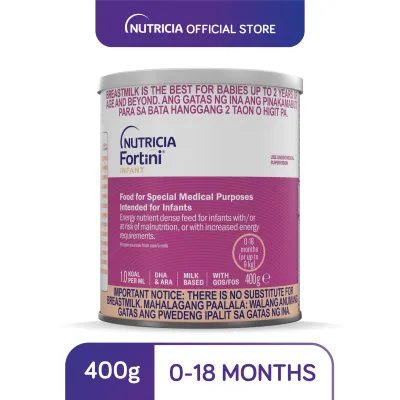
Prices are valid at publication and may change. Please refer to the product page for the latest price.
In contrast, Enfagrow A+ and Nido are intact protein formulas. This means the cow’s milk proteins remain in their whole, natural state. These formulas generally focus on standard growth nutrients, including essential fatty acids, vitamins, and minerals tailored to support typical childhood development. They are designed for children with standard digestive systems who do not experience difficulty processing whole cow’s milk proteins.
It is crucial to distinguish partially hydrolyzed formulas from extensively hydrolyzed or amino acid-based peptide formulas, such as Pepticate. Extensively hydrolyzed formulas contain proteins that are broken down into extremely small peptides, making them suitable for the dietary management of diagnosed medical conditions like cow’s milk protein allergy (CMPA). Partially hydrolyzed options like NAN Supreme Pro are not intended to treat or manage diagnosed milk allergies, and parents must always verify the exact ingredient lists on the packaging to understand what they are introducing to their child.
Digestive Tolerance and Allergy Considerations
Partially hydrolyzed protein formulas are often considered when a child experiences mild, non-medical digestive discomforts, such as occasional gassiness or mild fussiness. Because the proteins are pre-softened, they may require less digestive effort from a developing gut. However, these formulas are not a cure for underlying gastrointestinal issues and should be used under the guidance of a healthcare professional.

If you suspect your child has a cow’s milk protein allergy (CMPA) or severe lactose intolerance, standard intact protein formulas like Enfagrow A+ and Nido are highly unsuitable. CMPA is an immune response to the proteins in cow’s milk, and feeding intact proteins can trigger adverse reactions. Even partially hydrolyzed formulas are generally unsafe for children with a confirmed CMPA diagnosis, as they still contain milk protein fragments that can trigger an allergic response.
Parents must remain vigilant for red flags that indicate a serious digestive issue or allergic reaction. These signs include persistent vomiting, severe diarrhea, blood or mucus in the stool, chronic skin rashes or eczema, and excessive, inconsolable crying after feeding. If any of these symptoms occur, you must immediately halt feeding the formula and consult a pediatrician or qualified healthcare professional for a proper diagnosis and a prescription for an appropriate medical specialty formula.
Nutritional Focus and Age Appropriateness
Each of these brands targets a slightly different area of childhood development through its nutritional positioning. NAN Supreme Pro emphasizes gut comfort and immune support by combining its modified protein structure with synbiotics. Enfagrow A+ typically highlights cognitive development and brain growth, often focusing on levels of docosahexaenoic acid (DHA) and other brain-supportive nutrients. Nido generally positions itself around overall growth, physical development, and bone health, offering a robust profile of calcium, vitamin D, and other essential micronutrients for active toddlers.
Selecting the correct stage is critical because a child’s nutritional requirements change rapidly as they grow. Manufacturers adjust the levels of proteins, fats, carbohydrates, and micronutrients in each stage to match these developmental shifts. Feeding a child a stage that does not match their current age can lead to nutritional imbalances or digestive strain, so always verify the age recommendations printed clearly on the front of the packaging.
Rather than relying solely on front-of-pack marketing claims, parents should turn the tub or box over to compare the detailed nutrition information panels. Look closely at the exact vitamin, mineral, and fatty acid declarations per 100 grams or per serving. This direct comparison allows you to see precisely what nutrients your child is receiving and helps you make an informed decision based on their daily dietary intake from solid foods.
Evaluating Price, Availability, and Value
In the Philippines, the cost of formula milk can vary significantly depending on the technology used to process the proteins. To assess the true value of each option, parents should calculate the cost per serving rather than simply comparing the retail price of the tin. You can do this by dividing the retail price in ₱ by the total number of servings yielded by the package, which is typically calculated based on the manufacturer’s recommended scoop-to-water ratio.
Accessibility is another practical factor to consider, especially during tropical storm seasons or periods of high humidity when supply chains might experience delays. Standard intact protein formulas like Nido and Enfagrow A+ are widely available in major local supermarkets, neighborhood grocery stores, and local pharmacies across the country. Specialized options like NAN Supreme Pro may have more limited distribution and are often best sourced from larger pharmacy chains or official brand stores on reputable ecommerce platforms.
To protect your child’s health, avoid purchasing formula milk from unauthorized online sellers or unverified third-party merchants. Improperly stored formula—especially in hot, humid tropical climates—can degrade nutritionally or become contaminated. Always buy from official retail partners or authorized online flagship stores to ensure the product is authentic, properly sealed, and stored within safe temperature limits.
Decision Framework: Which Formula Should You Choose?
To determine the most suitable formula for your child, consider their digestive history, developmental goals, and age. You might choose NAN Supreme Pro if your child experiences mild digestive sensitivity and would benefit from a gentler, partially hydrolyzed protein structure combined with gut-supportive synbiotics, provided you verify these ingredients on the specific product label. This option serves as a middle ground for children who do not have a diagnosed allergy but require a more easily digestible option than standard cow’s milk.
Alternatively, Enfagrow A+ is a suitable choice if your child has a well-established digestive system and your primary focus is supporting cognitive development and immune health through standard intact proteins and targeted brain nutrients. If your child is an older toddler transitioning to a broader family diet, Nido offers a practical, whole-milk-based profile focused on general growth, bone strength, and physical development at a highly accessible price point.
Regardless of which brand seems to fit your goals, always consult a pediatrician before switching formulas, especially if your child has a history of diagnosed allergies, severe reflux, or other specific medical dietary needs. A qualified healthcare professional can evaluate your child’s growth and symptoms to ensure the chosen formula is safe and appropriate for their unique developmental stage.
Frequently Asked Questions (FAQ)
Can I mix NAN Supreme Pro with Enfagrow A+ or Nido?
Mixing different formula brands in the same bottle is generally discouraged by pediatricians and clinical nutritionists. Each formula is carefully balanced with a specific ratio of proteins, fats, carbohydrates, and micronutrients designed to be dissolved in a precise amount of water. Combining different protein structures—such as the partially hydrolyzed whey in NAN Supreme Pro and the intact proteins in Nido or Enfagrow A+—can disrupt this balance, potentially causing digestive upset, constipation, or nutrient imbalances. To accurately monitor your child’s digestive tolerance and growth, it is best to stick to a single formula brand and consult your doctor before making any transitions.
Is NAN Supreme Pro the same as a peptide-based allergy formula?
No, NAN Supreme Pro is not the same as a medical peptide-based allergy formula. It is a partially hydrolyzed formula, meaning the milk proteins are only partially broken down to assist with mild, everyday digestion. For children with a diagnosed cow’s milk protein allergy (CMPA), these partial protein fragments are still large enough to trigger an allergic response. True allergy management requires an extensively hydrolyzed formula (where proteins are broken down into tiny peptides) or an amino acid-based formula. If your child has a suspected or confirmed milk allergy, you must consult a pediatrician to obtain a prescription for a specialized medical formula.
How do I know if my child is tolerating the formula well?
A child who is tolerating their formula well will typically exhibit comfortable feeding sessions, consistent weight gain, and regular, soft bowel movements. They should appear relatively content and settled after finishing a bottle. Conversely, signs of poor tolerance or sensitivity include excessive fussiness or crying during or immediately after feeding, frequent forceful vomiting, persistent watery stools, hard stools indicating constipation, or unexplained skin rashes. If you observe any of these negative signals, stop using the formula and consult a healthcare professional immediately to evaluate your child’s symptoms.

Community discussion
Share your experience or ask a question. Comments are reviewed before publication.