
Choosing the right hypoallergenic (HA) formula for your 0-6 month old baby involves comparing protein structures, verifying specific ingredients on the nutrition label, calculating the actual cost per serving, and consulting your pediatrician. While NAN Supreme Pro HA (often searched as NAN InfiniPro HA) is a widely recognized option in the Philippines, deciding whether it is the right choice for your infant requires a careful look at how it compares to alternative HA formulas on the market. By understanding what to look for on the product label and how to evaluate your baby’s specific feeding needs, you can make an informed decision that supports their early development and digestive comfort.
Understanding HA Formulas and Verifying Product Names
Hypoallergenic formulas are specifically designed for infants who may have a higher risk of developing allergies or those experiencing mild digestive sensitivities. For babies aged 0 to 6 months, standard pediatric guidelines often suggest these formulas when exclusive breastfeeding is not possible and there is a family history of atopic diseases. The defining characteristic of an HA formula is the use of partially hydrolyzed proteins. In these formulas, the long chains of cow’s milk protein are broken down into smaller pieces, making them easier for a newborn’s developing digestive system to process and reducing the likelihood of triggering an allergic response.
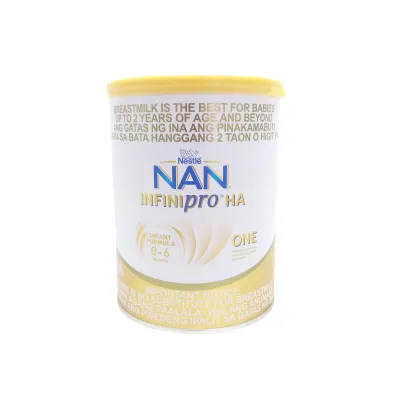
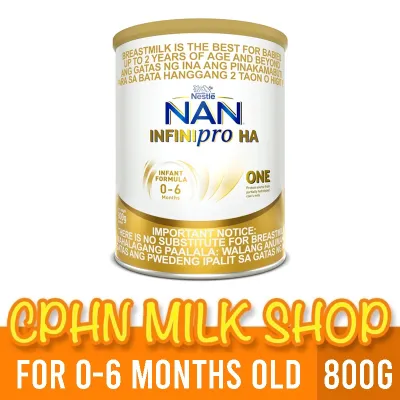
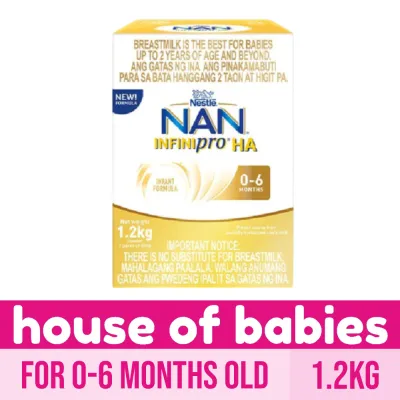
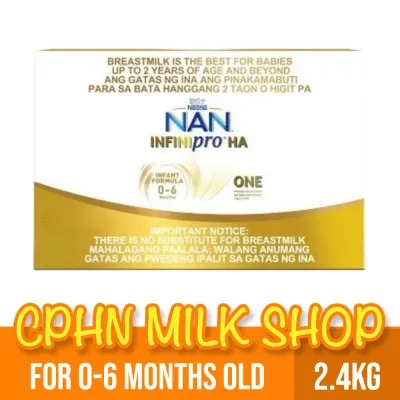
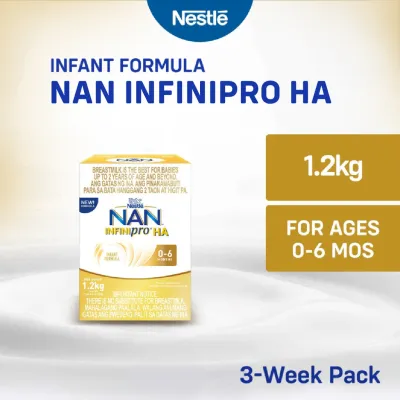
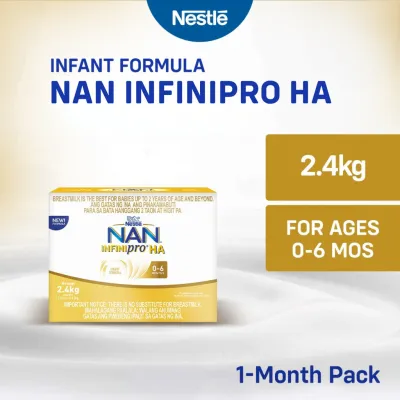
When shopping for these formulas in the Philippines, parents frequently encounter confusing product names and search variations. You might see “NAN InfiniPro HA” and “NAN Supreme Pro HA” used interchangeably in online discussions or store listings. It is crucial to understand that product names, branding, and packaging designs can vary significantly based on regional markets, manufacturing batches, and updates by the manufacturer. To ensure you are purchasing the correct formula, always check the exact label, the specific model or line name, and the regional packaging details printed on the can. Do not rely solely on online search terms or informal recommendations; instead, verify the precise product description and age range (such as Stage 1 for 0-6 months) directly on the physical container.
Products mentioned in this guide
Prices are valid at publication and may change. Please refer to the product page for the latest price.
Introducing an HA formula should always be done under the guidance of a qualified healthcare professional. While these formulas are widely available, they serve a specific dietary purpose. Your pediatrician can help determine if your baby actually requires a partially hydrolyzed formula or if a standard infant formula is appropriate. They will evaluate your baby’s family history, growth patterns, and any digestive symptoms before recommending a specific brand or type of hypoallergenic milk.
Key Comparison Dimensions on the Nutrition Label
To effectively compare NAN Supreme Pro HA with other hypoallergenic options, you must look past the front-of-pack marketing and examine the nutrition label on the back of the can. The primary dimension to evaluate is the protein source and the exact level of hydrolysis. Most standard HA formulas utilize 100% whey protein that has been partially hydrolyzed. You should verify this by reading the ingredient list to confirm that the protein source is indeed hydrolyzed whey and not a blend of intact proteins. The degree of hydrolysis determines how small the protein fragments are, which directly influences how well a sensitive baby might tolerate the formula.

Another critical checkpoint on the label is the presence of specific nutritional additives, such as Human Milk Oligosaccharides (HMOs), probiotics, or prebiotics. Different brands include different combinations of these ingredients to support gut health and immune function. For instance, you should check the ingredient list of NAN Supreme Pro HA to see which specific HMOs (such as 2′-FL or others) are included, and compare this directly with alternative HA formulas. Keep in mind that the inclusion of these additives varies by brand and product generation, so verifying the active ingredients on the physical label is the only way to ensure what you are giving your baby.
When comparing the nutrition panel, look closely at the fat and carbohydrate sources as well. Some hypoallergenic formulas use specific vegetable oil blends, and parents often check the label to see if palm olein oil is included, as some prefer formulas without it. Additionally, check the carbohydrate source; while lactose is the primary carbohydrate in breast milk and standard formulas, some HA formulas may use maltodextrin or corn syrup solids to make digestion easier for sensitive infants. Verifying these ingredients on the physical packaging ensures you select a formula that aligns with your baby’s digestive tolerance and any specific dietary preferences your pediatrician has outlined.
Additionally, pay close attention to the manufacturer’s mixing instructions and prepare yourself for potential differences in taste and acceptance. Hydrolyzed proteins inherently possess a distinct, slightly bitter taste and a unique aroma compared to standard infant formulas. This taste profile is a natural result of breaking down the proteins and is entirely normal. However, it can sometimes affect how readily a newborn accepts the formula, especially if they are transitioning from breast milk or a standard formula. Always follow the exact water-to-powder ratio specified on the can to ensure proper nutrition and hydration, and avoid altering the preparation method to mask the taste unless specifically instructed by your pediatrician.
Evaluating Cost per Serving and Safe Availability
Feeding an infant hypoallergenic formula can represent a significant financial commitment, making it essential to calculate the true cost per serving rather than simply comparing the retail price of the can. Because different brands package their formulas in varying net weights (such as 400 grams or 800 grams) and require different scoop sizes, a larger, more expensive can may sometimes yield a lower cost per fluid ounce or milliliter. To calculate this, divide the retail price in Philippine Pesos (₱) by the total net weight, or use the feeding table on the label to estimate the total number of servings a single can provides. This calculation gives you a realistic view of your monthly feeding budget.
To perform a precise cost-per-serving calculation, look at the preparation instructions on the back of the can. Note the weight of a single scoop of powder (usually measured in grams) and the amount of water required per scoop. For example, if a scoop is 4.4 grams and is mixed with 30 milliliters of water, you can divide the total net weight of the can (e.g., 800 grams) by the scoop weight to find the total number of scoops per can. From there, calculate how many full bottles of your baby’s typical feed size (such as 90 or 120 milliliters) one can will produce. Comparing this yield against the retail price (₱) of different brands will reveal the true daily feeding cost, which often differs from what the shelf price suggests.
Given the critical nature of infant nutrition, sourcing your formula from authorized and safe sellers in the Philippines is paramount. Always purchase formula from established supermarkets, licensed pharmacies, or the official online brand stores of verified distributors. Avoid buying from unverified third-party resellers on online marketplaces or ecommerce platforms, as it is difficult to verify how those products were stored, transported, or if they are genuine. Hypoallergenic formulas are sensitive to environmental factors, and improper storage can compromise their quality.
When purchasing a can of formula, perform a thorough physical inspection before opening it. Check that the outer seal is completely intact and that the can is free from deep dents, rust, or punctures. Verify the expiration date printed on the bottom of the can to ensure it is well within its usable shelf life. In the tropical climate of the Philippines, high humidity and heat can degrade formula powder quickly once the seal is broken. Store the opened can in a cool, dry place—never in the refrigerator—and ensure the lid is tightly sealed after every use, typically consuming the contents within the timeframe specified by the manufacturer (usually three to four weeks).
Decision Framework: Which Formula Fits Your Baby?
Choosing the right hypoallergenic formula involves balancing your baby’s physiological tolerance, your pediatrician’s advice, and your family’s practical circumstances. To help guide your decision, consider the following conditional framework based on observable factors and label verifications.
You may decide to choose NAN Supreme Pro HA (or its regional equivalent) if its specific label features, such as its protein source and specific HMO profile, align with what your pediatrician has recommended for your baby. This option is suitable if your baby accepts the taste without fussiness, shows steady growth, and the cost per serving fits comfortably within your family’s ongoing budget. It is also a practical choice if you have consistent access to authorized local retailers or official brand stores that stock this specific product regularly.
On the other hand, you should consider an alternative HA formula if you experience local availability issues, if your budget requires a more cost-effective option per serving, or if your pediatrician suggests a different protein source or ingredient profile. Some babies may show a preference for the taste of one brand’s hydrolyzed protein over another, making baby acceptance a key deciding factor.
If you and your pediatrician decide to switch formulas, a gradual transition is often recommended to help your baby adapt to the new taste and protein structure. This process typically involves slowly introducing the new HA formula by mixing it with the previous formula in increasing ratios over several days. For example, you might start with a ratio of three-quarters old formula to one-quarter new formula, gradually shifting the balance until your baby is drinking the new formula exclusively. This slow introduction can minimize digestive upset and help your baby accept the distinct taste of hydrolyzed proteins.
Regardless of the brand you choose, you must stop using the formula and consult a healthcare professional immediately if your baby exhibits any signs of intolerance or allergic reactions. These warning signs include persistent vomiting, excessive gas, severe colic or fussiness after feeding, blood or mucus in the stool, poor weight gain, or the development of skin rashes and eczema. Never attempt to manage suspected formula intolerances or allergies by switching brands repeatedly without direct medical supervision.
Frequently Asked Questions (FAQ)
Is an HA formula appropriate for a diagnosed cow's milk protein allergy?
Standard hypoallergenic (HA) formulas, including NAN Supreme Pro HA, are partially hydrolyzed formulas. This means the cow’s milk proteins are only partially broken down. While these are often recommended for babies with a family history of allergies or mild sensitivities, they are generally not suitable for infants with a clinically diagnosed cow’s milk protein allergy (CMPA). Babies with a confirmed CMPA can still react to the remaining protein fragments in partially hydrolyzed formulas. If your pediatrician diagnoses your baby with CMPA, they will typically prescribe a specialized medical formula, such as an extensively hydrolyzed formula (where proteins are broken down much further) or an amino acid-based formula. Always follow your doctor’s specific prescription for these conditions.
How long should I wait to see if my baby tolerates a new HA formula?
When transitioning your baby to a new HA formula, pediatricians generally recommend an observation period of about 7 to 14 days. This timeframe allows your baby’s digestive system to adjust to the new protein structure and for any previous symptoms to subside. During this transition, monitor your baby for positive signs of tolerance, such as consistent weight gain, comfortable digestion, and normal stool consistency. If you observe severe symptoms like projectile vomiting, blood in the stool, or extreme irritability, do not wait out the two-week period; stop using the formula immediately and seek professional medical advice.

Community discussion
Share your experience or ask a question. Comments are reviewed before publication.