
Choosing the right toddler formula for your one-to-three-year-old involves balancing nutrition, taste, and your family budget. NAN Optipro, Nido, and Enfagrow are three of the most popular options available in the Philippines, each designed with a different nutritional focus. To make the best choice, you need to look closely at their specific ingredients, how easily they mix in tropical humidity, and how their cost per serving fits into your monthly household expenses.
Understanding the Nutritional Profiles of NAN Optipro, Nido, and Enfagrow
When comparing toddler formulas, the ingredient label is your most reliable tool. Each brand structures its recipe differently to support growth during this rapid developmental stage. Parents should carefully inspect the nutritional information panel to identify the presence of docosahexaenoic acid (DHA), arachidonic acid (ARA), and specific vitamins like Vitamin A, C, and D, which support overall development. These nutrients play distinct roles in a toddler’s daily diet, and their concentrations can vary significantly between brands.
The carbohydrate and protein profiles also vary significantly among these options. Look at the ingredient list to identify the primary protein source, which is typically cow’s milk protein that has been processed or partially broken down for easier digestion. Additionally, check for the types of carbohydrates used; some formulas rely primarily on naturally occurring lactose, while others may include added sugars like sucrose, corn syrup solids, or maltodextrin to enhance taste or texture. Understanding these sources helps you manage your child’s sugar intake and overall energy levels.
Products mentioned in this guide
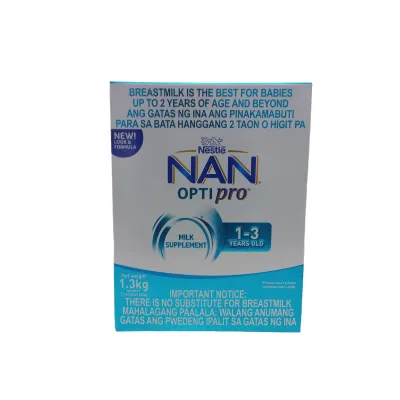
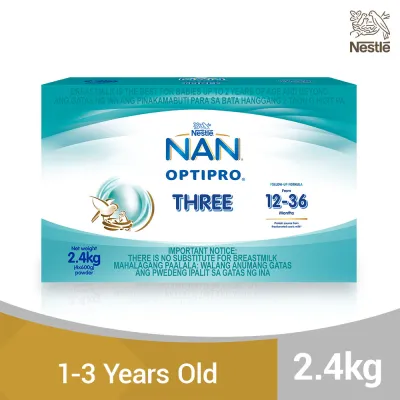
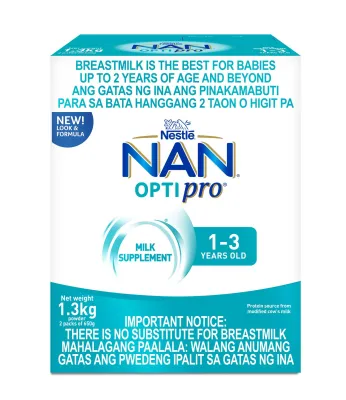
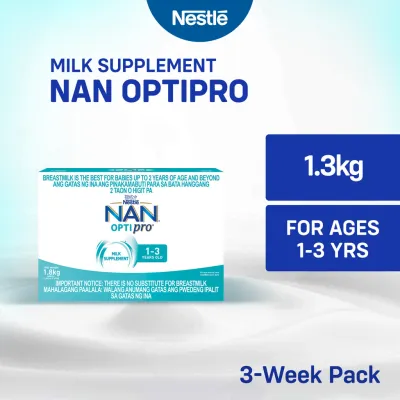
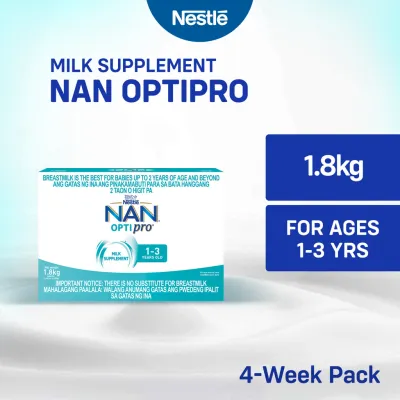
Prices are valid at publication and may change. Please refer to the product page for the latest price.
Beyond macronutrients, many toddler milks incorporate prebiotics or probiotics to support gut health. Prebiotics serve as food for beneficial gut bacteria, while probiotics are live microorganisms that help maintain a healthy digestive system. Because every child’s digestive tract and nutritional requirements are unique, always consult your pediatrician before introducing a new formula, especially if your toddler has a history of colic, constipation, or suspected food sensitivities. A healthcare professional can help you interpret these labels in relation to your child’s specific growth chart.
Comparing Taste, Mixability, and Toddler Acceptance
A formula can be nutritionally excellent, but it only benefits your child if they are willing to drink it. Toddlers are notoriously selective, and their acceptance often depends on the taste profile of the milk. Some brands offer a milder, more natural milk flavor that mimics regular cow’s milk, which is often preferred by children transitioning directly from breastfeeding. Other formulations are designed to be sweeter or come in specific flavors like vanilla or chocolate to appeal to picky eaters who reject plain milk.

Preparation is another practical factor to consider in daily parenting. In the warm and humid climate of the Philippines, milk powder can easily absorb moisture from the air, leading to clumping inside the tin or during mixing. When preparing a bottle or cup, observe how quickly the powder dissolves in warm water. A high-quality formula should dissolve smoothly without leaving excessive residue, clumps, or a gritty texture at the bottom of the container, which can clog bottle nipples or discourage cup drinking.
To avoid wasting money on a large tin that your toddler might reject, start with the smallest available packaging. Many brands offer small boxes, trial packs, or single-use sachets in local supermarkets. Buying these smaller sizes first allows you to test your child’s taste preference and digestive tolerance before committing to a bulk purchase. This step is particularly useful if you are transitioning from a different brand or stage of milk.
Evaluating Price and Value for Your Family Budget
The long-term cost of toddler formula can impact your monthly household budget, making it essential to calculate the true value rather than just comparing the shelf price of a tin. To find the actual cost, look at the net weight of the package and the manufacturer’s recommended scoop-to-water ratio. By calculating how many grams of powder are required per serving, you can determine the exact cost per glass in Philippine Pesos (₱). This calculation often reveals that a slightly more expensive tin with a smaller scoop size can be more economical than a cheaper, bulkier option.
Packaging sizes in the Philippines range from small boxes of a few hundred grams to large tins or economy refill pouches exceeding one kilogram. While larger bulk packs generally offer a lower cost per gram, they require a higher upfront investment and must be consumed within a specific timeframe after opening to maintain freshness. Smaller pouches are highly portable and stay fresh longer if you only feed formula occasionally, but they usually carry a higher unit price. Balancing these options depends on your toddler’s daily consumption rate.
To ensure your child’s safety, always purchase formula from official brand stores, authorized physical supermarkets, or reputable e-commerce platforms. Counterfeit or improperly stored milk powder can pose serious health risks, including contamination or nutrient degradation. When shopping online, look for official mall guarantees and verified seller badges, and take advantage of legitimate bundle deals or subscription discounts to lower your overall expenses safely. Avoid buying from unverified third-party sellers offering unusually low prices.
Decision Framework: Which Formula Fits Your Toddler Best?
Selecting the right option depends on your toddler’s specific developmental needs, taste preferences, and your household budget. If your primary goal is supporting digestive comfort with specific gut health ingredients, and you prefer a profile that is typically less sweet, NAN Optipro may align with your needs. Always verify the exact prebiotic or probiotic strains on the specific product label to ensure they match your expectations. This option is often favored by parents who want a formulation that focuses closely on digestive tolerance.
If you are looking for a widely available option with a familiar, creamy taste that transitions smoothly from early milk stages, Nido is a popular choice. It often fits comfortably into a moderate family budget when you calculate the cost per serving, making it a practical option for daily, long-term use. Be sure to check the specific age-range labeling on the packaging, as formulations vary for different growth stages, and ensure the preparation instructions match your daily routine.
If your child prefers flavored options and you want to focus on ingredients associated with cognitive support, Enfagrow is a strong candidate. This brand frequently highlights nutrients like DHA and dietary fiber, though you should always verify the exact nutritional values on the back of the tin to compare them directly with other options. This choice is highly suitable for parents who prioritize specific developmental ingredients alongside a taste profile their child enjoys.
Before making any final decision, verify whether your toddler has any underlying medical conditions. If your child has a diagnosed cow’s milk protein allergy, lactose intolerance, or severe reflux, standard toddler formulas are not suitable. In these cases, you must consult your pediatrician to obtain a recommendation for a specialized, lactose-free, or hypoallergenic formula. Never attempt to manage suspected allergies by switching between standard commercial formulas without professional medical guidance.
Frequently Asked Questions (FAQ)
When should I transition my child from infant formula to a toddler formula?
Most toddler formulas are designed for children starting around 12 months of age, which is a major milestone when solid foods become the primary source of nutrition. You should always check the specific age recommendation printed on the product packaging, as stage definitions can vary by brand. Before making the switch, consult your pediatrician to confirm that your child is developmentally ready and that their solid food intake is sufficient to support this transition. Some toddlers may not need formula at all if they are eating a highly balanced diet of solid foods and consuming regular milk.
Can I mix toddler formula with regular cow's milk?
Mixing toddler formula with regular cow’s milk in the same bottle is generally not recommended unless specifically advised by your healthcare provider. Combining them alters the carefully balanced concentration of nutrients, vitamins, and minerals formulated by the manufacturer, which can put unnecessary strain on your toddler’s developing kidneys and digestive system. If you want to transition your child to regular pasteurized cow’s milk, it is safer to alternate feeds or follow a gradual transition plan recommended by your doctor. For example, you might offer formula in the morning and a small cup of cow’s milk in the afternoon.
How do I safely store and handle prepared toddler formula?
Once a serving of toddler formula is prepared, it should be consumed immediately or stored safely to prevent harmful bacterial growth. In the warm, tropical climate of the Philippines, prepared formula left at room temperature must be discarded after one hour. If you prepare a bottle in advance and refrigerate it immediately, it can typically be kept for up to 24 hours. Always discard any leftover milk remaining in the bottle after your child finishes feeding, as bacteria from their saliva can quickly multiply in the warm liquid. Never freeze prepared formula, as this can cause the ingredients to separate and degrade.

Community discussion
Share your experience or ask a question. Comments are reviewed before publication.