
Choosing the right infant formula for your newborn is one of the most significant decisions you will make during their first six months of life. When comparing NAN Optipro Stage 1 and Enfamil A+ Stage 1, it is essential to understand that there is no single “best” formula for every baby. The ideal choice depends entirely on your infant’s unique digestive tolerance, nutritional requirements, and how their developing system reacts to the specific ingredients in each brand. Both formulas are designed to support healthy growth and development, but they approach early childhood nutrition with distinct formulation philosophies.
While breast milk remains the gold standard for infant nutrition, parents who use formula require clear, objective information to navigate their options. Both of these premium brands are highly regarded by pediatricians and parents alike, yet they feature differences in protein structures, digestive aids, and cognitive support ingredients. Consulting your pediatrician is always the most critical step before introducing or changing any infant formula, as they can provide personalized guidance based on your baby’s health history.
Core Nutritional Profiles and Formula Philosophy
To understand the differences between NAN Optipro Stage 1 and Enfamil A+ Stage 1, it helps to look at their foundational nutritional approaches. Infant formulas designed for the first six months of life must meet strict international and local regulatory standards for macronutrient and micronutrient distribution. These standards ensure that regardless of the brand, your baby receives the baseline calories, proteins, fats, carbohydrates, vitamins, and minerals necessary for healthy growth.
Products mentioned in this guide
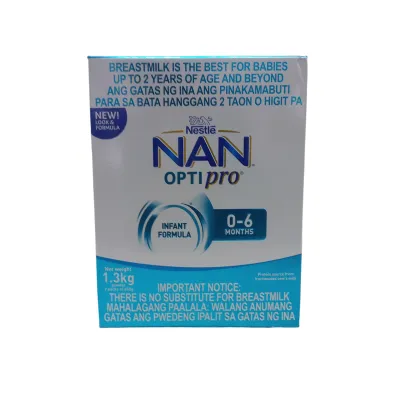
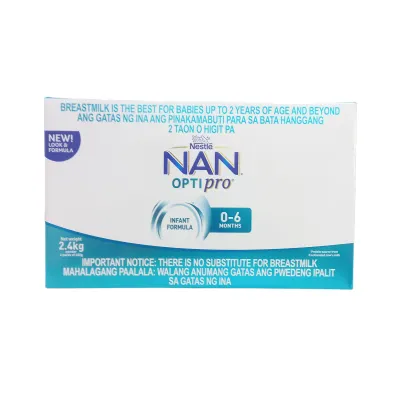
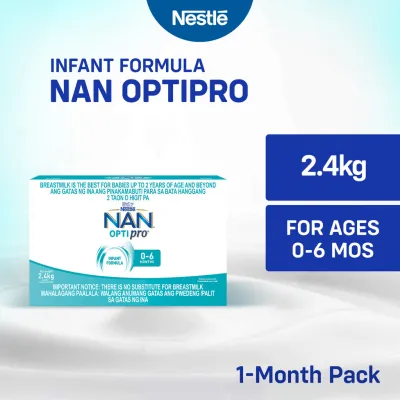
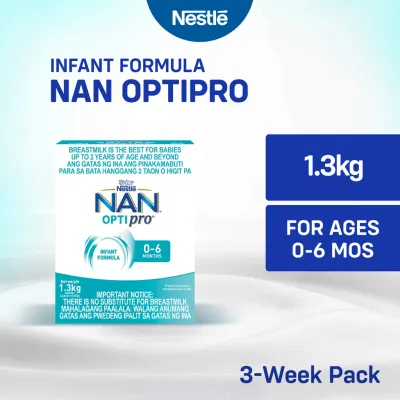
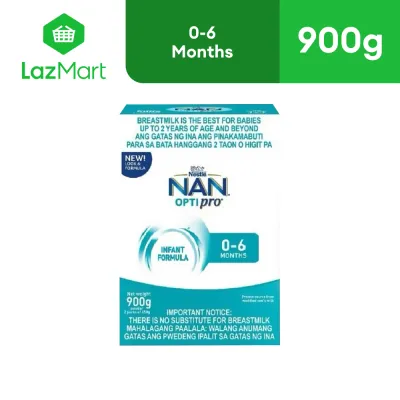
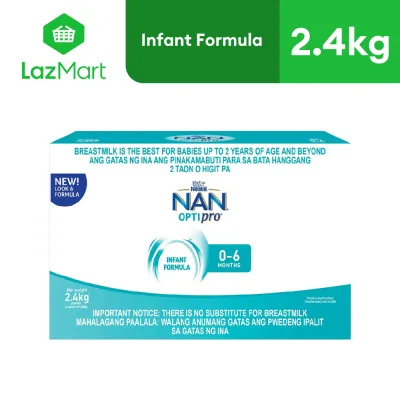
Prices are valid at publication and may change. Please refer to the product page for the latest price.
The primary difference in their nutritional philosophy lies in how they structure their proteins. NAN Optipro Stage 1 is known for its optimized protein blend. The manufacturer uses a specific treatment process to modify the whey proteins, aiming to make them easier for a newborn’s immature digestive system to break down. This whey-dominant, partially modified protein structure is designed to mimic the ease of digestion associated with early breast milk proteins.
In contrast, Enfamil A+ Stage 1 typically utilizes a blend of intact proteins with a specific whey-to-casein ratio. This ratio is carefully balanced to support steady growth and energy levels. Intact proteins require the baby’s digestive system to do the full work of breakdown, which is perfectly suitable for infants with robust digestive systems who do not show signs of protein sensitivity.
Because manufacturers frequently update their formulations to reflect the latest pediatric research, it is vital for parents to verify the specific nutrient values on the physical product labels. The exact ratios of proteins, fats, and carbohydrates can vary slightly by batch or regional packaging, making the physical tin your most reliable source of current nutritional information.
Digestion, Gut Health, and Comfort
A newborn’s digestive tract is highly sensitive and undergoes rapid development during the first six months. Issues like gas, mild spitting up, and infrequent bowel movements are common as their systems adapt to processing nutrients. How a formula supports gut health and comfort is often the deciding factor for many parents.

NAN Optipro Stage 1 frequently incorporates active probiotics, such as Bifidobacterium lactis, into its formulation. Probiotics are live, beneficial microorganisms that help populate the infant’s gut, supporting a balanced microbiome and reinforcing the natural intestinal barrier. This focus on active cultures is intended to promote comfortable digestion and support the baby’s developing immune defenses from within the gut.
Enfamil A+ Stage 1 takes a different approach by focusing on prebiotics, such as galactooligosaccharides (GOS) and polydextrose. Prebiotics are non-digestible fibers that serve as food for the beneficial bacteria already residing in the baby’s gut. By nourishing these helpful bacteria, prebiotics help promote softer, more frequent stools, which can be highly beneficial for infants prone to mild constipation.
When evaluating these ingredients, parents should view them as manufacturer-designed comfort features rather than guaranteed medical solutions for digestive issues. Every baby’s gut flora is unique, meaning one infant may thrive on a formula containing active probiotics, while another may digest a prebiotic-enriched formula more comfortably.
Observing your baby’s daily behavior is the best way to assess digestive tolerance. Signs of good tolerance include consistent weight gain, soft and easy-to-pass stools, minimal spitting up, and a generally calm demeanor after feeding. Conversely, if your baby experiences persistent projectile vomiting, hard or dry stools, watery diarrhea, or inconsolable crying, you should stop use and consult your pediatrician immediately.
Brain Development and Immune Support Ingredients
The first six months of life represent a period of rapid brain growth and cognitive development. Consequently, premium infant formulas are heavily fortified with specific fatty acids and micronutrients designed to support these critical developmental milestones.
Both NAN Optipro Stage 1 and Enfamil A+ Stage 1 include docosahexaenoic acid (DHA) and arachidonic acid (ARA), which are essential omega-3 and omega-6 fatty acids. These compounds are crucial structural components of the brain and retina. Enfamil A+ is widely recognized for its marketing focus on brain development, often highlighting its specific DHA levels and clinical research associations. NAN Optipro also provides a robust fatty acid profile to support cognitive and visual acuity.
In addition to fatty acids, both formulas contain nucleotides, which are natural compounds that serve as the building blocks for DNA and RNA. Nucleotides play a vital role in the rapid cell division occurring during infancy and help support the development of a strong immune system. Essential vitamins and minerals, including iron, zinc, and vitamins A, C, and D, are also carefully balanced in both brands to support overall physical growth and immune defense.
While these cognitive and immune-supporting ingredients are standard in premium formulas, their optimal levels for your specific child depend on their overall health status. A pediatrician can help you determine if your baby requires a standard premium formula or if specific health factors necessitate a different nutritional approach.
| Micronutrient / Component | NAN Optipro Stage 1 | Enfamil A+ Stage 1 | Primary Role in Infant Development |
|---|---|---|---|
| DHA & ARA | Check Label for Current Levels | Check Label for Current Levels | Supports brain development and visual acuity |
| Primary Protein Source | Optimized Whey Blend | Intact Protein Blend | Provides essential amino acids for growth |
| Gut Health Support | Probiotics (e.g., B. lactis) | Prebiotics (e.g., GOS, Polydextrose) | Promotes healthy digestion and stool consistency |
| Nucleotides | Included | Included | Supports immune system and cellular development |
| Iron & Zinc | Check Label for Current Levels | Check Label for Current Levels | Essential for oxygen transport and immune defense |
Price, Packaging, and Value in the Philippines
Feeding an infant is a long-term financial commitment, making price and accessibility practical considerations for Filipino families. Both NAN Optipro Stage 1 and Enfamil A+ Stage 1 are positioned in the premium to mid-premium segments of the market, reflecting their advanced ingredient profiles.
In the Philippines, both brands are typically available in various packaging sizes, including smaller 400-gram tins and larger 800-gram or 900-gram tins. Some variants may also be offered in multi-pack boxes containing foil pouches. While larger tins generally offer a lower cost per gram, it is highly recommended to purchase a smaller tin first when introducing a new formula. This prevents waste in case your baby does not tolerate the formula well.
In terms of general pricing, Enfamil A+ Stage 1 is often positioned at a higher premium price point, while NAN Optipro Stage 1 is generally priced slightly lower, making it a highly competitive mid-premium option. Parents should calculate their estimated monthly expenses based on their baby’s actual daily intake, which increases steadily from birth to six months, rather than focusing solely on the upfront cost of a single tin.
When purchasing formula in the Philippines, safety and authenticity must be your top priorities. Always buy from authorized physical supermarkets, reputable drugstores, or official flagship brand stores on major e-commerce platforms. Avoid unauthorized third-party online sellers, as infant formula requires proper storage to maintain its nutritional integrity. Exposure to high temperatures and humidity—common in our tropical climate—can degrade vitamins, compromise the active probiotics, or cause the powder to spoil.
Additionally, proper home storage is crucial. Once opened, formula tins should be stored in a cool, dry pantry, tightly sealed, and used within three to four weeks. Never store open formula tins in the refrigerator, as the temperature changes introduce moisture that can cause clumping and bacterial growth. Always prepare the formula using purified or distilled water that has been boiled and cooled to room temperature, following the exact scoop-to-water ratios provided on the packaging.
Decision Framework: Which Formula Should You Choose?
To help you make an informed decision, consider this conditional framework based on your baby’s specific needs, your pediatrician’s advice, and your family’s priorities.
Choose NAN Optipro Stage 1 if:
- Your pediatrician recommends an optimized, whey-dominant protein profile to support gentle digestion.
- You want to introduce active probiotics directly through the formula to support your baby's gut microbiome.
- You prefer a mid-premium option that balances advanced nutritional science with a slightly more accessible price point.
Choose Enfamil A+ Stage 1 if:
- Your primary focus is a formula heavily marketed for cognitive development with a specific prebiotic blend.
- Your baby tolerates intact proteins well and does not show signs of protein sensitivity.
- Your pediatrician specifically recommends this brand to support your newborn's early growth milestones.
Neither may fit if: Your baby exhibits persistent symptoms of cow’s milk protein allergy (CMPA), severe lactose intolerance, or chronic gastrointestinal distress. Standard formulas are not suitable for these conditions. If your baby experiences severe vomiting, blood in their stool, or extreme colic, you must consult your pediatrician immediately. They may prescribe a specialized hypoallergenic, extensively hydrolyzed, or amino acid-based formula.
If you decide to transition your baby from one formula to another, never do so abruptly unless instructed by a medical professional. A gradual transition over three to five days allows your baby’s digestive system to adapt. Start by replacing one feed on the first day, two feeds on the second day, and gradually increase the new formula feeds while closely monitoring your baby’s stool consistency, gas levels, and overall comfort.
Frequently Asked Questions (FAQ)
Can I mix NAN Optipro and Enfamil A+ in the same bottle?
No, you should never mix different formula powders or prepared liquids together in a single bottle. Each brand is designed with a specific scoop size, water ratio, and nutrient density. Mixing them alters the precise concentration of nutrients and minerals, which can strain your baby’s immature kidneys and digestive system, potentially leading to dehydration or nutritional imbalances. If you are transitioning your baby from one brand to another, feed them the separate formulas in distinct, individual bottles at different times of the day.
How do I know if my baby is allergic to either formula?
It is important to distinguish between mild digestive adjustments and a true cow’s milk protein allergy (CMPA). Mild adjustments may cause temporary gas or occasional spitting up as your baby’s system matures. However, a true allergy or severe intolerance typically presents with more intense symptoms. These include persistent projectile vomiting, severe diarrhea (which may contain mucus or blood), skin rashes or hives, swelling around the face or lips, and extreme, inconsolable crying after almost every feed. If you observe any of these severe symptoms, stop using the formula immediately and seek urgent medical attention from your pediatrician.

Community discussion
Share your experience or ask a question. Comments are reviewed before publication.