
Choosing the right growing-up milk for a preschooler aged 3 to 5 years old is a common decision point for parents in the Philippines. With options like NAN Kid Optipro 4, Nido, and Enfagrow lining the supermarket shelves, finding the ideal match requires looking beyond eye-catching packaging. There is no single “best” formula milk that universally outperforms the rest; rather, the most suitable option depends on your child’s specific nutritional requirements, flavor preferences, and your household’s monthly budget. While NAN Kid Optipro 4 is often associated with optimized protein blends and active cultures, Nido is widely recognized for its rich whole-milk base, and Enfagrow frequently highlights its inclusion of brain-development nutrients like DHA.
Because manufacturers update their formulations, ingredient sources, and nutrient concentrations periodically, relying on static recommendations can be misleading. The most reliable way to make an informed decision is to learn how to read and compare the physical product labels, nutrition facts panels, and ingredient lists. By understanding what each brand prioritizes, how they taste and mix in local tropical conditions, and how to calculate their actual cost per glass, you can confidently select a milk that supports your preschooler’s daily growth.
Understanding the Core Nutritional Focus of Each Brand
When comparing these three prominent brands, the first step is to examine the nutrition facts panel on the back of the packaging. Each brand targets a slightly different aspect of preschooler development, which is reflected in their primary ingredient choices and nutrient fortifications.
Products mentioned in this guide
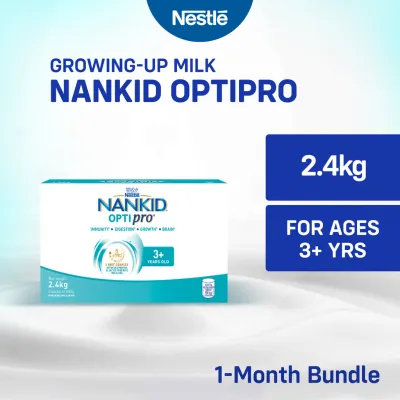
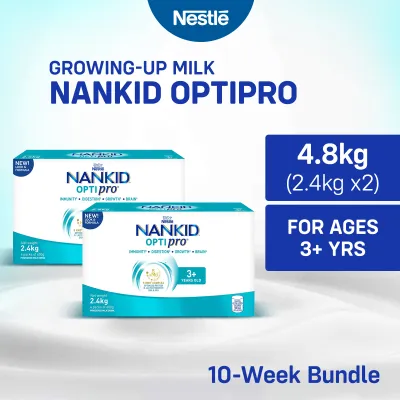
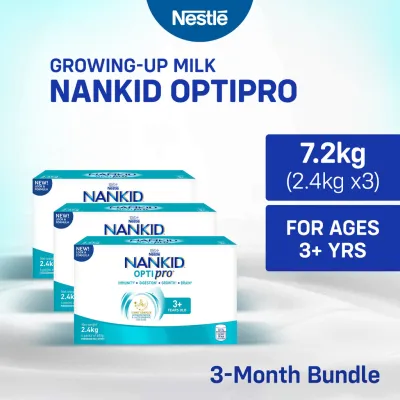
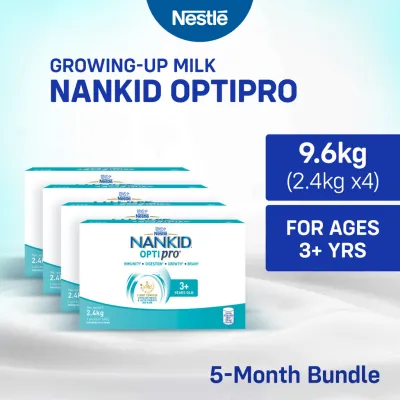
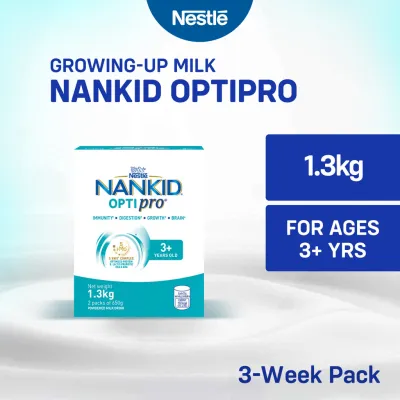
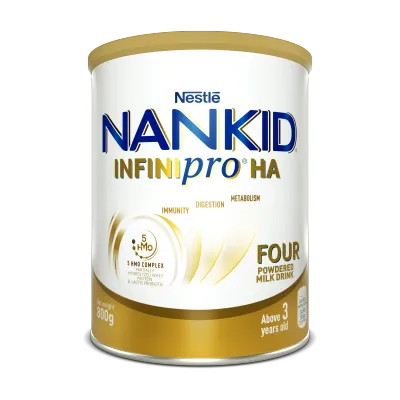
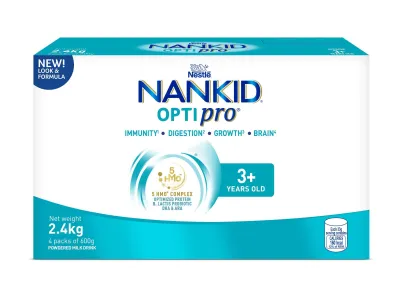
Prices are valid at publication and may change. Please refer to the product page for the latest price.
For parents looking at NAN Kid Optipro 4, the primary focus is often on the quality of protein and the inclusion of beneficial microorganisms. When you inspect the label of NAN Kid Optipro 4, you will want to look closely at the protein source and the specific probiotic strains listed in the ingredients. Probiotics are live microorganisms that support gut health, which is a key component of a child’s overall immune system. Parents should verify the exact strains, such as Bifidobacterium lactis, and check the label to see how the protein has been processed or optimized for easier digestion in young children.
Nido, on the other hand, generally positions itself as a robust, whole-milk-based option designed for overall growth and daily energy. When reviewing a Nido label, you will typically find whole milk or milk solids listed as the primary ingredient, which contributes to its characteristic creamy texture. The nutritional focus here is usually on baseline fortification, meaning it provides a broad spectrum of essential vitamins and minerals like calcium, vitamin D, zinc, and vitamin C to support a generally healthy, active preschooler. Parents should check the daily value percentages on the nutrition facts panel to ensure these levels align with their child’s daily dietary intake.
Enfagrow is widely recognized for its emphasis on cognitive development and brain-supporting nutrients. If you examine an Enfagrow container, you will notice a prominent focus on docosahexaenoic acid (DHA), an omega-3 fatty acid, along with other nutrients like arachidonic acid (ARA), choline, and iron. These components are structural building blocks for brain development during the crucial preschool years. When comparing Enfagrow to other options, look at the specific milligrams of DHA per serving listed on the nutritional panel to evaluate how it fits into your child’s overall diet, especially if they do not regularly consume DHA-rich foods like fish.
It is crucial to remember that exact nutrient amounts, vitamin percentages, and specific ingredients can vary significantly depending on the exact product variant, stage, or regional formulation. Always verify these details directly on the physical label of the tin or box you are holding, or consult the manufacturer’s official local website for the most current specifications.
Comparing Taste, Mixability, and Daily Acceptance
A milk powder can have an excellent nutritional profile on paper, but it will not benefit your child if they refuse to drink it. Taste, texture, and how easily the powder dissolves in water play massive roles in daily acceptance and compliance.

The taste profile of a growing-up milk is heavily influenced by its base ingredients and any added flavorings. Whole-milk-based powders like Nido tend to have a richer, creamier, and more traditional milk flavor that many children find highly appealing. In contrast, formulas with optimized proteins or specialized nutrient blends, such as NAN Kid Optipro 4 or Enfagrow, may have a slightly different taste or mouthfeel due to their specific processing methods. Additionally, parents should carefully read the ingredient list to identify any added sweeteners, sucrose, or flavorings like vanilla or honey, which can influence both the child’s taste preferences and their long-term dietary habits.
Mixability is another practical consideration, especially in the warm and humid climate of the Philippines. High humidity can cause milk powders to absorb moisture quickly once the container is opened, leading to clumping during preparation. When preparing any of these milks, it is essential to follow the manufacturer’s exact water-to-powder ratio and temperature instructions. Using water that is too hot can destroy sensitive probiotics in formulas like NAN Kid Optipro 4, while water that is too cold may cause stubborn clumps that clog cups. Proper mixing ensures your child receives the intended concentration of nutrients without leaving valuable powder stuck to the bottom of the glass.
Before committing to a large, expensive tin of any brand, a practical trial strategy is highly recommended. Many brands offer smaller packaging options, such as single-use sachets or small boxes, which are widely available in local supermarkets and convenience stores. Purchasing these smaller sizes allows you to test your child’s taste acceptance and digestive tolerance over a few days without risking the financial waste of a large, unused container.
Evaluating Price per Serving and Budget Considerations
For most Filipino households, the cost of growing-up milk is a recurring monthly expense that must be carefully managed. Comparing the upfront price of a tin or box can be deceptive, as different brands require different scoop sizes and water volumes per serving.
To find the true cost of each milk option, you should calculate the price per serving rather than comparing the shelf price of the packages. To do this, look at the nutrition facts label to find the total net weight of the package and the recommended serving size in grams. Divide the total weight by the serving size to determine the approximate number of servings per container. Finally, divide the retail price of the package by this number of servings to find the cost per glass (₱). This simple calculation allows you to compare the actual daily cost of NAN Kid Optipro 4, Nido, and Enfagrow on an equal footing.
Packaging sizes also play a significant role in your budget strategy. Generally, larger bulk tins offer a lower cost per gram compared to smaller boxes or individual sachets. However, parents must balance this saving against the product’s shelf life once opened. In tropical climates, opened milk powder is highly susceptible to moisture absorption and spoilage. If your child does not consume the milk quickly enough to finish a large tin within the manufacturer’s recommended timeframe—usually three to four weeks—the cost of wasted, spoiled powder can quickly negate any bulk savings.
When purchasing your chosen milk, compare prices across different retail channels. While local supermarkets offer convenience, official brand stores on reputable e-commerce platforms often provide bundle discounts or promotional pricing. Regardless of where you buy, always inspect the physical packaging for authentic security seals, intact foil liners, and clear, unexpired expiration dates to ensure you are receiving a genuine, safe product for your preschooler.
How to Choose the Right Formula for Your Preschooler
Selecting the right growing-up milk involves matching your child’s unique physical needs and your family’s lifestyle to the characteristics of each brand. A structured, condition-based framework can help simplify this decision.
You might choose NAN Kid Optipro 4 if you want to focus on a formula that emphasizes optimized protein structures and active probiotic cultures to support your child’s digestive system. This option is particularly suitable if your preschooler enjoys its specific taste and texture, and if you prefer a brand that prioritizes gut-health-supporting ingredients on its label.
You might choose Nido if your child prefers a rich, creamy, traditional whole-milk flavor and you are looking for a reliable, cost-effective option with baseline vitamin and mineral fortification. This is often an excellent fit for generally healthy, active preschoolers who obtain a balanced variety of nutrients from their daily solid foods and do not require highly specialized nutritional profiles.
You might choose Enfagrow if you want to prioritize a formula that places a strong emphasis on DHA and other cognitive-supporting nutrients on its label. This choice is highly relevant if you want to ensure your child receives consistent levels of these specific fatty acids, provided your preschooler accepts the flavor and the price fits comfortably within your household budget.
However, neither of these standard growing-up milks may be suitable if your child experiences persistent digestive discomfort, bloating, excessive gas, skin rashes, or allergic reactions after drinking them. These symptoms can indicate an underlying sensitivity or allergy to cow’s milk protein or lactose. In such cases, standard formulas should be discontinued, and you should consult a healthcare professional to discuss specialized alternatives, such as hypoallergenic, soy-based, or lactose-free formulas.
Always remember that every child’s nutritional needs are unique. If you are unsure about your preschooler’s specific dietary gaps, growth trajectory, or potential food sensitivities, verify their needs by consulting a pediatrician or a registered dietitian before making any major changes to their daily milk intake.
Frequently Asked Questions (FAQ)
Can I mix different brands of growing-up milk in the same cup?
It is highly recommended that you do not mix different brands or stages of growing-up milk in the same serving. Each brand, whether it is NAN Kid Optipro 4, Nido, or Enfagrow, is formulated with a precise concentration of nutrients, minerals, and proteins designed to be dissolved in a specific volume of water. Mixing them together can alter the overall concentration and nutrient density, which may strain your preschooler’s developing digestive system or kidneys. Additionally, combining different formulas makes it extremely difficult to identify the source of any digestive upset or allergic reaction. If you are transitioning your child from one brand to another, it is safest to finish one package completely before gradually introducing the new brand in separate servings to monitor their tolerance.
How long can I keep the prepared milk or opened powder?
To ensure food safety and prevent the growth of harmful bacteria, you must strictly follow the storage and preparation guidelines printed on the product packaging. Once a glass of milk is prepared, it should ideally be consumed immediately. Any leftover liquid that has come into contact with your child’s saliva should be discarded within one to two hours, as bacteria can multiply rapidly in warm, tropical temperatures. For the dry powder, once the tin or foil pack is opened, it must be stored in a cool, dry place—never in the refrigerator, which can introduce moisture and cause clumping. Most manufacturers recommend using the entire contents of an opened container within three to four weeks; always check the specific label of your product to verify its exact shelf life after opening.

Community discussion
Share your experience or ask a question. Comments are reviewed before publication.