
Choosing the right toddler milk for your growing child is a significant decision that often comes down to comparing a few household names. In the Philippines, NAN Kid 3 Plus, Nido, and Enfagrow are three of the most prominent options lining supermarket shelves. Each brand positions itself slightly differently, focusing on distinct aspects of childhood development, from digestive comfort and immune support to cognitive growth and overall nutrition.
To make the best choice for your toddler, you do not need to rely on flashy marketing campaigns or generic recommendations. Instead, the most reliable approach is to learn how to read the product labels, understand your child’s specific dietary needs, and evaluate how each option fits into your family’s daily routine and budget. By focusing on observable details and consulting with your pediatrician, you can confidently select a milk that supports your toddler’s transition into their active preschool years.
Comparing the Nutritional Focus on the Labels
When you stand in the milk aisle of a local supermarket, the packaging of each brand offers immediate clues about its primary nutritional goals. Understanding these visual and textual cues helps you align the milk’s formulation with your toddler’s current developmental stage.
Products mentioned in this guide
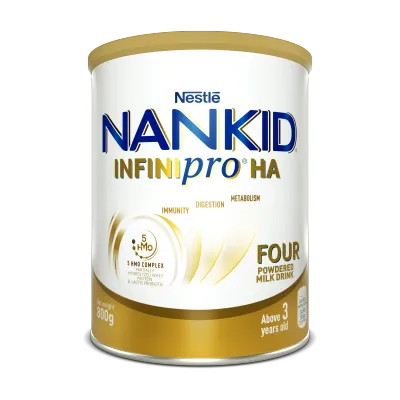
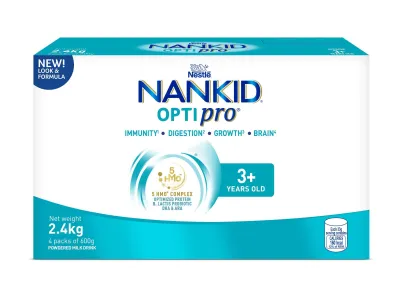
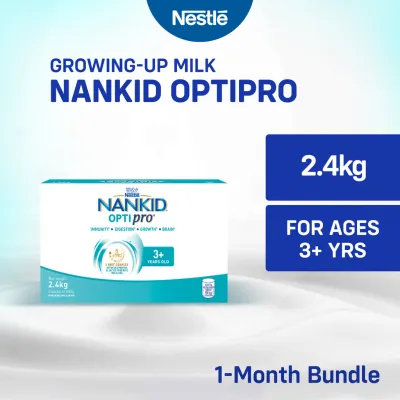
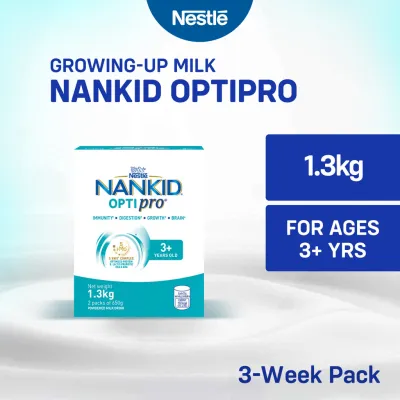
Prices are valid at publication and may change. Please refer to the product page for the latest price.
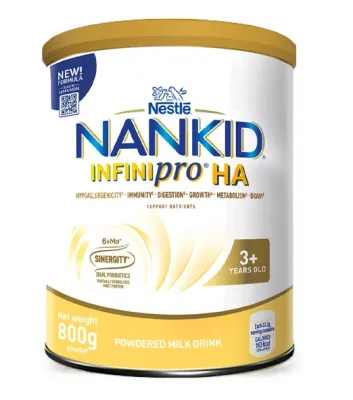
NAN Kid 3 Plus is generally formulated for children over one year old, with a strong emphasis on digestive health and overall development. When examining the label of NAN Kid 3 Plus, look closely at the ingredients list for specific probiotic strains, such as Lactobacillus reuteri, which are included to support a healthy gut flora. The packaging also highlights a blend of essential vitamins and minerals designed to complement a toddler’s solid food diet. It is important to verify the manufacturer’s recommended age range on the front of the tin to ensure it matches your child’s current growth stage.
Nido offers a variety of options, making it essential to distinguish between its different formulations. For toddlers, you will typically look at Nido 3+, which is specifically fortified for children aged three to five, or other age-specific variants. Unlike standard whole milk powders that focus primarily on basic calcium and protein, these fortified toddler options are designed with added vitamins A, C, and D, alongside zinc and iron to support immune function. Always check the packaging to ensure you are selecting the correct age-specific stage rather than a general family milk powder, as the nutritional ratios differ significantly.
Enfagrow is widely recognized for its focus on cognitive development and immune support. When reviewing an Enfagrow label, such as Enfagrow A+ Four, you will find a prominent emphasis on brain-support nutrients like DHA (docosahexaenoic acid), iron, and iodine. The packaging also frequently highlights prebiotic blends designed to aid digestion. Parents should examine the nutrition facts panel to see the exact milligrams of DHA per serving and compare this with their pediatrician’s recommendations for daily intake.
How to Evaluate Ingredients and Preparation
Comparing toddler milks requires looking past the front-of-pack highlights and diving into the detailed nutrition facts panel and ingredient list. This structured comparison ensures you know exactly what your child is consuming every day.

Start your evaluation with an ingredient checklist on the back of the packaging. Pay close attention to the sources of carbohydrates and sugars; some formulations use lactose as the primary carbohydrate, while others may include sucrose, corn syrup solids, or maltodextrin to adjust sweetness and texture. If you are trying to limit added sugars in your toddler’s diet, comparing the “Total Sugars” and “Added Sugars” lines across the three brands is highly informative. Additionally, check the protein content per serving and the specific types of fats used, as these contribute directly to your child’s daily energy levels.
Preparation and mixing instructions are equally critical, especially in a warm and humid tropical climate. High humidity can cause milk powder to clump quickly if not handled correctly. Read the manufacturer’s instructions to verify the exact water temperature required; some probiotic-infused formulas, like NAN Kid 3 Plus, require lukewarm water (usually below 40°C) to keep the beneficial bacteria active. Note the specific scoop-to-water ratio, as using too much or too little powder can lead to digestive discomfort or inadequate nutrition. Always follow the recommended mixing order—usually adding water to the cup or bottle first, followed by the powder—to ensure a smooth, clump-free consistency.
Before making a purchase, always check the label for allergen and dietary warnings. Toddler milks are derived from cow’s milk and are not suitable for children with diagnosed cow’s milk protein allergy (CMPA) or severe lactose intolerance unless specifically formulated and recommended by a doctor. Look for warnings regarding soy lecithin, which is commonly used as an emulsifier, or any other potential allergens that might affect your child. If your toddler has a sensitive stomach, discussing these specific ingredient profiles with your pediatrician is the safest path forward.
Assessing Cost, Availability, and Daily Convenience
While nutritional content is paramount, the practicalities of daily use, long-term cost, and local availability will heavily influence your satisfaction with a toddler milk brand.
To accurately assess the financial impact, calculate the cost per serving rather than simply comparing the retail price of the tin or pouch. Take the total price of the package (in ₱) and divide it by the number of servings the manufacturer states the package contains. For example, a larger tin might have a higher upfront cost but offer a lower cost per serving compared to a smaller pouch. Because toddlers typically consume two to three servings of milk per day, a difference of even a few pesos per serving can add up to significant savings over several months.
Availability and packaging options also play a major role in daily convenience. In the Philippines, Nido is exceptionally easy to find, gracing the shelves of everything from large hypermarkets to small neighborhood sari-sari stores. NAN Kid 3 Plus and Enfagrow are widely available in major supermarkets and drugstores, as well as official brand stores on online marketplaces. Consider the packaging material as well; tins offer excellent protection against tropical humidity and pests, while resealable foil pouches are often more economical but require transfer to an airtight container once opened to prevent spoilage.
Finally, consider your toddler’s taste preference and digestive acceptance. Children can be highly sensitive to changes in flavor, sweetness, and texture. When introducing a new brand, buy the smallest available pack size first to test if your child likes the taste and tolerates it well. Observe your toddler for any immediate signs of digestive changes, such as changes in stool consistency, increased gassiness, or spit-up, which can indicate how well their system is adapting to the new formulation.
Decision Guide: Matching the Milk to Your Toddler's Needs
Choosing between these three brands ultimately depends on matching their specific characteristics to your toddler’s unique needs and your household priorities.
Choose NAN Kid 3 Plus if your primary focus is on digestive comfort and you want a formula that includes specific, label-verified probiotic strains to support gut health. This option is highly suitable if your toddler has a slightly sensitive stomach but does not have a diagnosed milk allergy, and if you prefer a formulation that prioritizes a balanced, scientifically backed nutrient profile for early childhood.
Choose Nido if you are looking for a highly accessible, budget-friendly option that provides robust fortification for an active toddler. It is an excellent choice for families who appreciate the convenience of buying milk at almost any local store and want a reliable, trusted brand that supports daily immunity and growth without a premium price tag.
Choose Enfagrow if you and your pediatrician want to focus specifically on a nutrient-dense formulation with a clear emphasis on brain-support ingredients like DHA. This brand is ideal if you are comfortable with a slightly higher price point in exchange for a specialized nutritional profile designed to complement your toddler’s cognitive and physical milestones.
Verify first with your pediatrician if your child has any known food allergies, persistent digestive issues, or specific growth concerns. A professional medical evaluation is essential before switching to any specialized or standard toddler milk, ensuring that your choice aligns perfectly with your child’s health requirements.
Frequently Asked Questions (FAQ)
How do I safely transition my toddler to a new milk brand?
To transition your toddler safely, introduce the new milk gradually over a period of seven to ten days. Start by mixing a small portion of the new milk powder with their current milk powder in the same bottle or cup—for example, a ratio of 25% new milk to 75% old milk for the first few days. Gradually increase the proportion of the new milk every two to three days (moving to a 50/50 mix, then 75/25) until the transition is complete. This slow adjustment gives your toddler’s digestive system time to adapt to the new taste and ingredient ratios. If your child develops a skin rash, experiences vomiting, severe diarrhea, or extreme fussiness, stop the transition immediately, revert to the original milk, and consult your pediatrician.
What is the correct way to store opened toddler milk powder?
Opened toddler milk powder must be stored in a cool, dry place away from direct sunlight to maintain its quality and prevent nutrient degradation. In tropical, high-humidity environments, do not store the milk powder in the refrigerator, as the temperature difference when opening and closing the container can cause condensation to form inside, leading to clumping and bacterial growth. Instead, keep the powder in its original tin with the plastic lid tightly sealed, or transfer pouch contents into a clean, completely dry, airtight container. Always check the product label for the manufacturer’s specific storage timeline—most brands recommend using the powder within three to four weeks of opening—and write the date of opening directly on the lid to keep track easily.

Community discussion
Share your experience or ask a question. Comments are reviewed before publication.