
Finding the right baby blanket in the Philippines involves balancing tropical comfort with specific lifestyle and religious values. For Muslim families, this search extends beyond simple fabric softness to encompass Islamic guidelines regarding material purity, design choices, and ethical production. A suitable Muslim-friendly baby blanket must keep an infant comfortable in warm, humid weather while aligning with principles of modesty, cleanliness, and permissible materials.
By focusing on breathable weaves like cotton and bamboo muslin, and selecting patterns that favor geometric or botanical motifs over animate figures, parents can create a serene and compliant nursery environment. Navigating these choices requires understanding how textile manufacturing intersects with Islamic jurisprudence and how to verify product details on local e-commerce platforms and in physical retail stores.
Understanding Islamic Guidelines for Baby Bedding
Selecting textiles for an infant involves several considerations rooted in Islamic teachings, which emphasize purity, wholesomeness, and the avoidance of prohibited substances. While these rules are most commonly discussed in relation to food and cosmetics, they also apply to clothing and bedding that come into direct contact with a baby’s skin. Parents often seek products that are manufactured cleanly and free from any cross-contamination with impermissible materials.
Products mentioned in this guide
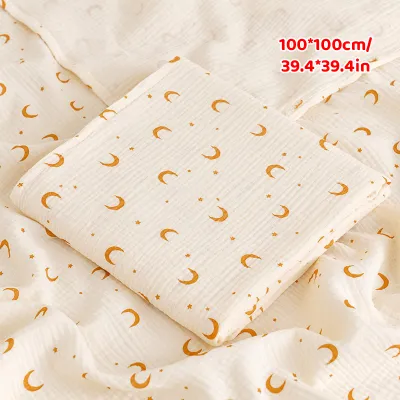
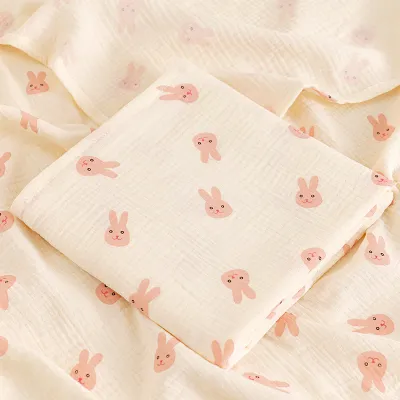
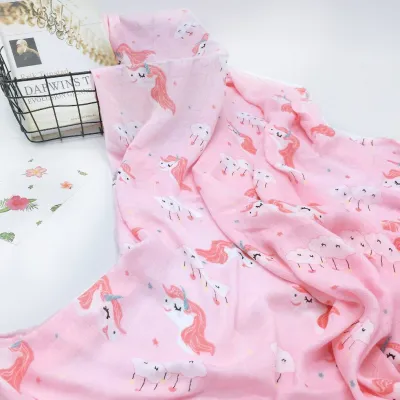
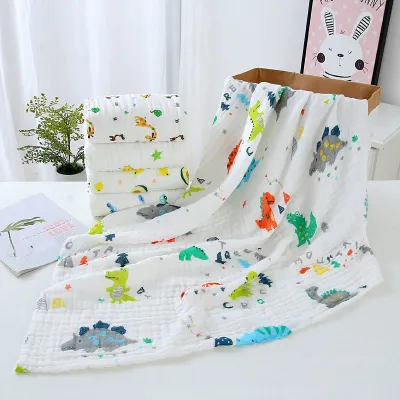
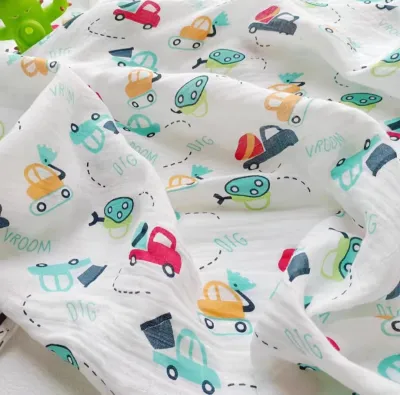
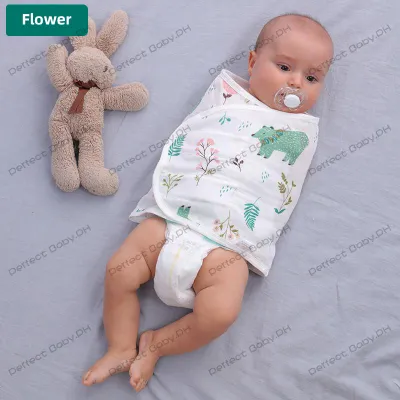
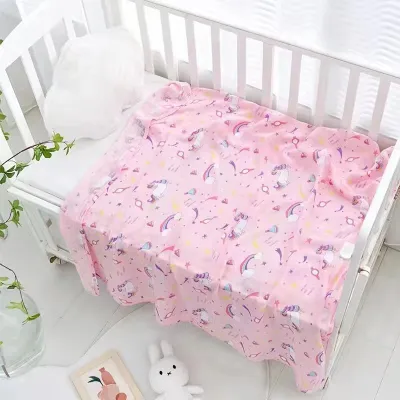
Prices are valid at publication and may change. Please refer to the product page for the latest price.
One key material consideration is the restriction on pure silk. In Islamic tradition, pure silk clothing and textiles are generally prohibited for males. While some scholars permit silk for infants or young children, many Muslim families in the Philippines prefer to err on the side of caution, choosing to avoid pure silk blankets entirely for baby boys. Synthetic silk alternatives, such as rayon, viscose, or high-quality polyester satins, do not fall under this restriction and are widely accepted.
Design choices represent another significant aspect of selecting Muslim-friendly bedding. Many observant families prefer to avoid blankets featuring representations of animate beings, such as humans, animals, or stylized cartoon characters with distinct facial features. Instead, they look for designs featuring geometric patterns, floral arrangements, stars, clouds, or abstract shapes. These patterns foster a peaceful sleeping environment while respecting traditional preferences against figurative art in personal spaces.
Beyond the physical attributes of the blanket, the concept of ethical sourcing encourages families to look for cleanly manufactured products. This means prioritizing brands that practice fair labor, use environmentally sustainable processes, and maintain clean facilities. Ensuring that the production chain minimizes harmful chemical exposures aligns closely with the Islamic duty to protect the health and well-being of vulnerable infants.
Evaluating Common Blanket Materials and Safety Labels
The tropical climate of the Philippines, characterized by high temperatures and year-round humidity, makes fabric breathability a primary safety concern for infant bedding. Overheating is a known risk factor for sleep-related infant distress, making heavy, synthetic blankets unsuitable for daily use. Lightweight, open-weave fabrics allow air to circulate freely, helping to regulate the baby’s body temperature during sleep.

Cotton muslin is widely regarded as an exceptional choice for tropical nurseries. Its loose, plain weave offers excellent breathability and becomes softer with every wash, making it gentle on sensitive newborn skin. Organic cotton is particularly favored by parents seeking to minimize pesticide residues and chemical exposures, aligning with the desire for pure and wholesome materials.
Bamboo-derived fabrics, such as bamboo rayon or viscose, have also gained popularity in the Philippines due to their natural coolness and moisture-wicking properties. These textiles feel noticeably cool to the touch, which is highly beneficial during warm afternoon naps. When blended with cotton, bamboo fibers create a durable yet incredibly soft blanket that stands up well to frequent laundering.
When evaluating blankets, parents should carefully read textile labels to confirm the exact fiber composition. It is important to verify that the fabric does not contain undisclosed animal-derived fibers or blends that might conflict with family preferences. Checking for safety certifications, such as the OEKO-TEX Standard 100, can help verify that the textile has been tested for harmful substances and processing chemicals.
Additionally, parents should inspect manufacturer declarations regarding chemical treatments, such as flame retardants or wrinkle-resistant finishes. Many families prefer untreated, natural fibers to avoid exposing their infants to harsh chemicals. Verifying these details on the product packaging or the manufacturer’s official website ensures that the blanket is both physically safe and aligned with clean living standards.
Navigating Patterns, Aesthetics, and Modesty
Selecting the aesthetic design of a baby blanket is an opportunity to create a calming, beautiful space that reflects Islamic artistic traditions. Islamic art has historically celebrated intricate geometric patterns, arabesques, and botanical motifs rather than figurative representations. Choosing blankets with these classic designs allows parents to integrate their cultural and religious heritage into the modern nursery.
Geometric patterns, such as repeating stars, lattices, or simple stripes, offer a clean and modern look that fits well with contemporary nursery decor. These designs are visually stimulating for developing infant eyes without relying on cartoon characters. Similarly, botanical prints featuring leaves, flowers, or vines bring a touch of nature indoors, creating a peaceful and organic atmosphere.
Abstract and celestial motifs, such as clouds, crescent moons, and soft watercolor washes, are also excellent alternatives to animate figures. These patterns are widely available on local online marketplaces and specialty baby stores in the Philippines. They provide a whimsical, child-friendly aesthetic while remaining fully compliant with traditional design preferences.
Opting for versatile, gender-neutral colors like soft beige, sage green, muted yellow, or classic white offers practical benefits. These shades are easy to coordinate with other nursery items and can be easily repurposed for future siblings, regardless of gender. Furthermore, lighter colors make it easier to spot dirt, stains, or pests, ensuring that the blanket can be kept meticulously clean.
Building Your Shortlist: Verification Steps for Shoppers
Shopping for baby blankets in the Philippines, whether through local online marketplaces or physical department stores, requires a systematic approach to verify product claims. Because online listings can sometimes be vague or misleading, parents should take active steps to confirm that a blanket meets their material and design standards before finalizing a purchase.
When browsing online, start by carefully reading the product description and specifications. Look for explicit mentions of the fabric blend, such as “100% organic cotton” or “70% bamboo, 30% cotton.” If the listing is unclear, use the platform’s chat feature to ask the seller directly for clarification or to request a photo of the physical care label.
Upon delivery, always cross-reference the product description with the actual material composition tag sewn onto the blanket. Check the feel of the fabric to ensure it matches your expectations for breathability and softness. If the physical tag reveals a different material blend than advertised, or if the design features unexpected animate figures, be prepared to utilize the platform’s return or exchange policy.
Familiarizing yourself with the return policies of local e-commerce platforms is crucial. Ensure that you keep the original packaging intact and do not wash the item until you are completely satisfied with its compliance and quality. This precaution protects your purchase and allows for a hassle-free return if the product does not meet your standards.
Finally, balance your budget expectations with the long-term durability of the fabric. While high-quality organic cotton or bamboo blankets may carry a higher price tag, often ranging from ₱500 to ₱1,500 depending on the size and brand, they generally offer better longevity through repeated washes. Investing in a few durable, high-quality blankets is often more economical and safer than purchasing multiple low-cost, synthetic alternatives that may degrade quickly.
Routine Care, Maintenance, and Replacement Signals
Proper maintenance of baby blankets is essential to preserve their hygiene, softness, and safety. Because infants frequently put blankets near their mouths, keeping the fabric clean and free from allergens is a daily priority. Always follow the manufacturer’s specific washing, drying, and ironing instructions to avoid damaging the delicate fibers.
Most cotton and bamboo muslin blankets benefit from gentle machine washing in cold water with a mild, baby-safe detergent. Avoid using fabric softeners, as they can leave a chemical residue that reduces the fabric’s natural breathability and absorbency. Line drying in a shaded, well-ventilated area is ideal for the Philippine climate, as it preserves the elasticity of the fibers and utilizes natural air circulation.
Regularly inspect the blanket for signs of wear and tear, such as pilling, loose threads, or thinning areas. Loose threads can easily wrap around an infant’s fingers or toes, posing a serious constriction hazard. If you notice any loose seams or fraying edges, repair them immediately or discontinue using the blanket for sleep.
Knowing when to retire or repurpose a baby blanket is key to maintaining a safe sleep environment. If a blanket becomes excessively thin, loses its shape, or develops stubborn stains that resist cleaning, it should be retired from the crib. You can repurpose older blankets as play mats for tummy time, stroller shades, or cleaning cloths, ensuring that your investment continues to serve your household safely.
Frequently Asked Questions (FAQ)
Do textile baby products require an official Halal certification?
While food, pharmaceuticals, and cosmetics often require strict Halal certification due to ingestion or absorption risks, textile products generally do not require a formal Halal logo. In Islamic jurisprudence, the primary requirement for textiles is that they are clean and free from prohibited materials, such as pig-derived substances or pure silk for males. Parents can confidently use blankets that lack a formal Halal certification, provided they verify the material composition and ensure the product is manufactured under clean, ethical conditions. Some specialized brands may choose to obtain voluntary certifications to reassure consumers, but this is not a mandatory requirement for daily use.
Is it acceptable to use gifted or hand-me-down baby blankets?
Using gifted or second-hand baby blankets is entirely acceptable and aligns with the Islamic principle of avoiding wastefulness. However, parents must take extra precautions to ensure the item is safe and hygienic for a newborn. Thoroughly sanitize any pre-loved blankets by washing them at the appropriate temperature with a gentle, hypoallergenic detergent before the first use. Carefully inspect the blanket for missing material tags, hidden wear, loose threads, or thinning fabric that could pose a safety risk. If the original material composition cannot be verified, or if the blanket shows significant signs of degradation, it is best to use it for supervised daytime activities rather than unsupervised sleep.

Community discussion
Share your experience or ask a question. Comments are reviewed before publication.