
The transition from breast or bottle to a straw cup is a major milestone in your baby’s weaning journey. Choosing between a Munchkin straw cup and other popular brands depends heavily on your baby’s developmental stage, grip strength, and your willingness to manage daily cleaning routines. While Munchkin cups are widely recognized for their leak-resistant valves and weighted straw designs, alternative brands offer different straw angles, materials, and flow rates that might better suit your child’s unique drinking style. Rather than searching for a single, universally perfect cup, comparing the core mechanics of these options allows you to make an informed, practical choice for your household.
Core Features to Evaluate in Weaning Straw Cups
When evaluating any weaning cup, the straw’s valve mechanism is the first line of defense against spills and choking. Valves generally fall into three categories: cross-cut, bite-valve, or open-flow. A cross-cut or bite-valve requires your baby to actively squeeze the silicone tip with their lips or gums to release liquid, which naturally controls the flow rate and prevents sudden gushes. In contrast, open-flow straws allow liquid to move freely with minimal suction, which is excellent for older babies but can lead to coughing or sputtering if introduced too early.
Material durability is another critical factor, especially when your baby starts teething. Soft, food-grade silicone straws are gentle on tender gums, but they can quickly degrade if chewed constantly. Harder plastic straws resist teeth marks better but lack the flexibility that younger infants often need to drink comfortably. You should inspect the cup’s overall material composition, ensuring the plastic components are sturdy enough to survive frequent drops onto hard kitchen tiles.
Products mentioned in this guide
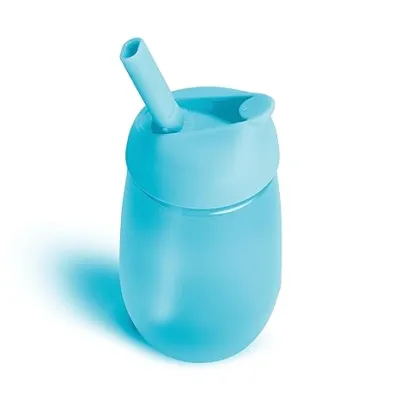
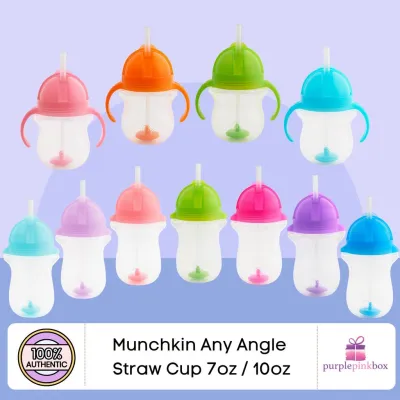
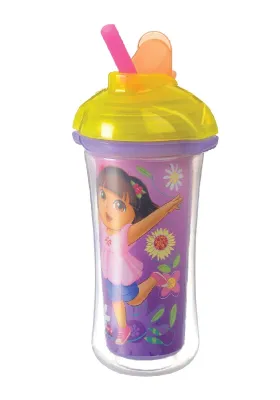
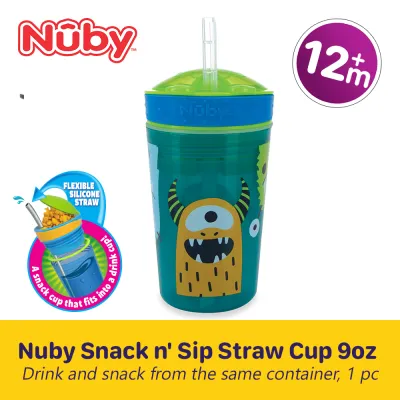
Prices are valid at publication and may change. Please refer to the product page for the latest price.
Ergonomics play a vital role in how quickly your baby adapts to a new cup. Dual handles help infants with developing fine motor skills secure a firm grip, while a weighted or wide base prevents the cup from tipping over easily during mealtime. As your baby’s hand-eye coordination improves, they will gradually transition from needing large, easy-to-grasp handles to holding the cup’s body directly.
Before purchasing any cup, always check the manufacturer’s age and stage recommendations printed on the packaging. These guidelines are designed around average developmental milestones and oral motor skills. Introducing a cup designed for a twelve-month-old to a six-month-old can cause frustration, as the suction required or the flow rate may not align with their current physical capabilities.
Evaluating Munchkin Straw Cups for Weaning
If you are considering a Munchkin straw cup, start by identifying the specific model in their lineup, such as the weighted straw cup or the click-lock variety. Each model is engineered for a specific age bracket and weaning stage, which you must verify on the product label. Some models feature a flexible, weighted straw that moves with the liquid, allowing your baby to drink from almost any angle, even when tilted back.

Leak-proof claims are a major selling point, but they require careful verification. Munchkin utilizes specialized click-lock technology and internal silicone valves to keep liquids contained. To ensure these mechanisms work properly without frustrating your baby, it is wise to test the cup at home with plain water before filling it with breast milk or formula. Check if your baby can easily draw liquid through the valve, as some leak-proof designs require stronger suction than a beginner can manage.
Hygiene is a crucial consideration when evaluating these cups, particularly because of their intricate valve designs. The very mechanisms that prevent leaks can also trap liquid residue, making thorough cleaning essential. You will need to disassemble the collar, the weighted straw, and the valve assembly completely during every wash. Check if the manufacturer includes a specialized brush for cleaning the inside of the narrow straw, as standard bottle brushes cannot reach these tight spaces.
Finally, consider the long-term maintenance and availability of replacement parts. Over time, silicone straws will wear out or get damaged by teething. Before committing to a specific model, check local online marketplaces or baby specialty stores in the Philippines to verify if official replacement straws and collars are readily available. Budgeting for these spare parts, which typically range from ₱150 to ₱300, ensures you do not have to replace the entire cup when a single component wears out.
Comparing Alternative Brands and Designs
To make a balanced decision, it helps to contrast Munchkin’s design philosophy with other major baby brands. For instance, while weighted straws excel at multi-angle drinking, straight straws are better suited for teaching babies to drink while sitting completely upright. Straight straws often have a wider diameter, which allows for a faster flow of liquid and prepares your baby for the transition to standard open cups.
Lid mechanisms also vary significantly across brands. Some alternative designs feature a simple flip-top cover that slides over the straw to keep it clean during travel, while others use a screw-on cap or a push-button lid. Flip-top covers are highly convenient for quick outings, but you should verify that the hinge is durable enough to withstand repeated drops. Screw-on caps offer a more secure seal but can be more cumbersome to open when you are managing a squirming baby.
The physical shape of the cup body influences how easily your baby can handle it. Tapered bases are narrower at the bottom, making them easier for small hands to wrap around even without handles. On the other hand, cups with wide, heavy bases offer superior stability on high-chair trays, reducing the likelihood of accidental spills during self-feeding sessions.
No matter which alternative brand catches your eye, always verify that the product complies with local safety standards for baby feeding products. Look for clear labeling indicating that the materials are free from harmful chemicals like BPA and phthalates. Checking these certifications on the packaging ensures that the alternative cup is just as safe for daily use as more widely known brands.
Decision Matrix: Matching Cup Features to Baby's Needs
Selecting the right cup is a matter of matching specific design features to your baby’s current physical milestones and behaviors. If your baby is at the very beginning of their weaning journey and is still learning how to coordinate sucking, swallowing, and breathing, a cup with a bite-valve or a cross-cut straw is highly recommended. These valves prevent liquid from flowing unless active pressure is applied, minimizing the risk of choking or swallowing too much air.
For older babies who have already mastered the basic mechanics of straw drinking, an open-flow or wider straw is a more appropriate choice. These designs require less suction effort, allowing your baby to drink more efficiently. This faster flow rate helps them build the oral muscle strength needed for the eventual transition to regular, handle-less open cups.
Your baby’s preferred drinking posture should also guide your choice. If your little one tends to recline in their stroller or move around while drinking, a weighted straw design is incredibly practical because the weight keeps the bottom of the straw submerged in liquid at any angle. However, if you strictly enforce sitting upright at the dining table during meals, a straight straw cup is perfectly sufficient and often easier to clean.
Consider how your baby prefers to hold objects. Some infants thrive with dual, easy-grip handles that give them complete control over the cup’s movement. If your baby is already showing signs of wanting to hold cups like an adult, look for a model with removable handles. This feature allows you to detach the handles as their grip strength improves, transforming the trainer cup into a sleek, handle-less bottle that fits easily into stroller cup holders.
Safety, Cleaning, and Maintenance Guidelines
Maintaining strict hygiene is paramount when using any straw cup, especially in the warm and humid climate of the Philippines. High humidity levels can accelerate the growth of mold and bacteria in damp, enclosed spaces like silicone straws and valve crevices. To prevent this, establish a daily routine of completely disassembling every part of the cup immediately after use. Wash each component with warm, soapy water, using a dedicated straw brush to scrub the interior of the tube, and allow them to air-dry completely in a well-ventilated area before reassembly.
Regularly inspect the cup and its components for signs of wear and tear. Create a simple weekly checklist: check the silicone straw tip for teeth marks or tears, inspect the plastic body for hairline cracks, and ensure the silicone seals are not degraded or stretched. Chewed or damaged straws pose a choking hazard if a small piece of silicone tears off while your baby is drinking.
Define clear boundaries for when to retire a cup or its parts. If you notice persistent mold spots that do not wash away, deep scratches inside the plastic where bacteria can hide, or a loose valve that no longer controls the flow, stop using the cup immediately. Replacing the damaged straw or discarding the cup entirely is necessary to protect your baby’s health.
Finally, safety during use is just as important as cleanliness. Always supervise your baby while they are using a straw cup. Never allow your child to walk, run, or play while holding or drinking from the cup, as a sudden fall with a rigid straw in their mouth can cause serious oral injuries. Keep mealtimes structured and seated to build safe, healthy eating habits.
Frequently Asked Questions (FAQ)
When should I introduce a straw cup during weaning?
You can generally introduce a straw cup around six months of age, alongside the introduction of solid foods. Look for developmental signs of readiness, such as your baby sitting upright unassisted, showing strong head control, and reaching for or showing interest in your own drinking cups. Because every infant develops at their own pace, it is always best to consult your pediatrician for personalized guidance tailored to your baby’s specific milestones.
Can I put warm milk or formula in a straw cup?
Before putting any warm liquids into a straw cup, you must strictly check the manufacturer’s temperature limits printed on the packaging or instruction manual. Many plastic and silicone cups are not designed for high heat. Additionally, pouring warm liquids into a sealed, leak-proof cup can create air pressure buildup inside the container, which often forces the liquid up through the straw, causing unexpected spraying or leaking when the valve is opened.

Community discussion
Share your experience or ask a question. Comments are reviewed before publication.