
Choosing the right baby bottle is one of the most significant decisions you will make during your child’s early developmental stages. With an array of materials lining the shelves of physical baby boutiques and online marketplaces, the decision often comes down to balancing safety, durability, ease of cleaning, and your baby’s unique feeding preferences. While traditional glass and plastic bottles have been the standard options for decades, modern materials like food-grade silicone have introduced a versatile middle ground for parents seeking the best of both worlds.
No single bottle material is universally superior for every family. The ideal choice depends heavily on your baby’s latch preference, your daily cleaning and sterilization routine, and the specific environments where feeding takes place. For instance, a bottle that works perfectly for quiet, at-home feedings might not be the most practical option for travel, stroller rides, or when your baby begins learning to hold their own bottle.
Moosegear silicone bottles have emerged as a popular choice in the Philippines, offering a modern alternative that combines the lightweight, shatterproof benefits of plastic with the high chemical stability and premium feel of glass. This material is particularly appealing for breastfed babies transitioning to bottle-feeding due to its soft, skin-like texture. However, because product specifications can vary, you must always verify the specific heat limits, sterilization compatibility, and age-appropriate nipple flow rates directly on the product packaging before use.
Products mentioned in this guide
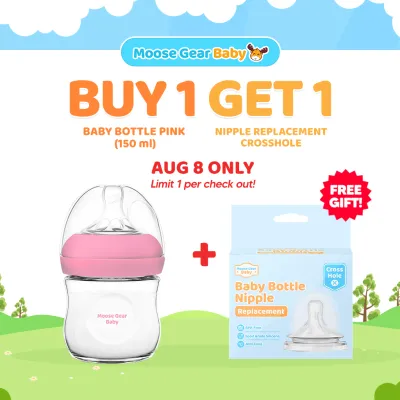
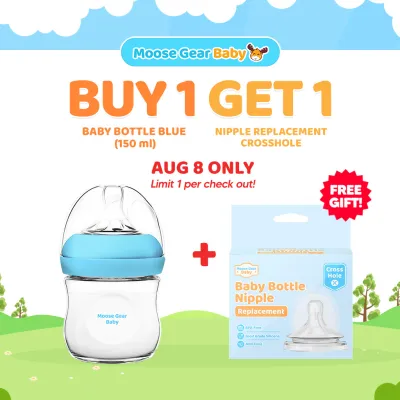
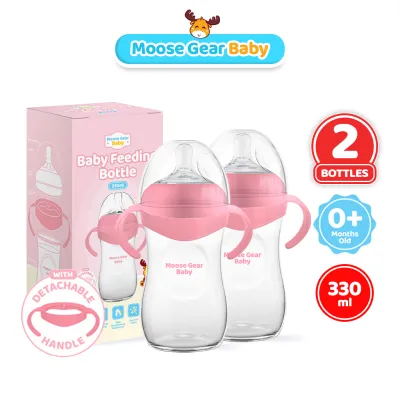
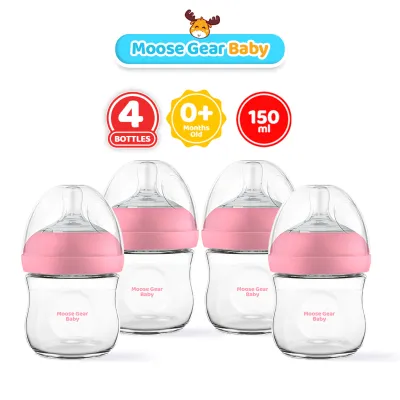
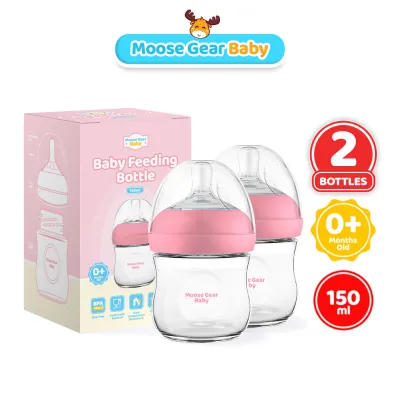
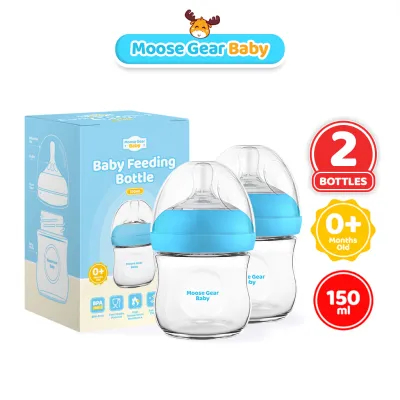
Prices are valid at publication and may change. Please refer to the product page for the latest price.
Material Breakdown: Silicone, Glass, and Plastic Compared
To make an informed choice, you must first understand the physical properties, advantages, and limitations of each material. Each option interacts differently with heat, cleaning agents, and your baby’s developing motor skills.
Moosegear Silicone Bottles: Pros, Cons, and What to Verify
Silicone is a highly flexible, rubber-like elastomer made from silicon, oxygen, carbon, and hydrogen. Food-grade silicone has gained rapid popularity in infant care due to its unique physical properties. The primary benefit of a silicone bottle is its soft, squeezable texture, which closely mimics the natural feel of a mother’s breast. This tactile similarity can significantly ease the transition for breastfed babies who otherwise reject rigid plastic or glass bottles. Additionally, silicone is exceptionally durable and entirely shatterproof, making it highly resilient against drops on hard kitchen tile or concrete floors.
From a chemical standpoint, high-quality silicone is inherently stable and free from bisphenol A (BPA), bisphenol S (BPS), and phthalates. Unlike some lower-grade plastics, it does not leach chemicals when exposed to high temperatures during sterilization. However, you should always check the product packaging or the official store to verify these safety standards and certifications directly.
Despite these benefits, silicone has a few unique characteristics that you should consider. The material is naturally porous compared to glass, meaning it can sometimes absorb strong food odors or develop a slight film from milk fats over time if not cleaned promptly. The flexible walls, while excellent for tactile development, can sometimes make the bottle feel slightly unstable or “grippy” when wet with soapy water, requiring a firm hand during assembly. Furthermore, because silicone walls are thicker and more insulating than plastic, warming milk inside a silicone bottle can take slightly longer. Always check the manufacturer’s guidelines regarding maximum heat tolerance, UV sterilizer compatibility, and recommended nipple flow rates based on your baby’s age and developmental stage.
Glass Bottles: The Classic Standard
Glass remains the gold standard for many parents due to its unmatched chemical purity and hygiene. Made from natural materials, glass is completely non-porous, meaning it will never absorb odors, retain stains, or leach chemicals, regardless of how many times it is boiled, steamed, or sterilized. It is highly scratch-resistant, which is a critical safety feature because scratches in baby bottles can become breeding grounds for bacteria and microscopic mold.
Cleaning glass bottles is exceptionally straightforward. Milk fats and formula residues slide off the smooth surface easily, often requiring less vigorous scrubbing than plastic or silicone. Glass also conducts heat efficiently, allowing you to warm expressed breast milk or formula quickly and evenly in a bowl of warm water.
However, the classic status of glass comes with distinct practical drawbacks. Glass bottles are significantly heavier than their silicone and plastic counterparts, which can cause hand fatigue during long, late-night feeding sessions. This weight also makes it highly difficult for older babies to hold the bottle themselves, delaying self-feeding milestones. The most prominent concern is the risk of shattering. A single drop onto a hard floor can create dangerous shards, making glass bottles less than ideal for active toddlers, outdoor travel, or households with busy, high-traffic play areas.
Plastic Bottles (PP, PES, PPSU): The Lightweight Alternatives
Plastic baby bottles are widely available and come in several distinct polymer types, each offering different levels of durability and heat resistance. Understanding these differences is key to evaluating their overall value and safety profile.
- Polypropylene (PP): This is the most common and budget-friendly plastic used in baby bottles. PP bottles are incredibly lightweight and completely shatterproof. However, PP is a relatively soft plastic, making it highly prone to scratching from bottle brushes. Over time, repeated sterilization causes PP to cloud, warp, and degrade, necessitating frequent replacements.
- Polyethersulfone (PES): A step up from PP, PES is a harder, more durable plastic with a higher heat tolerance. It is more resistant to scratches and chemical degradation, though it carries a slightly higher price tag.
- Polyphenylsulfone (PPSU): This is a medical-grade plastic characterized by its distinct natural amber tint. PPSU offers exceptional durability, high scratch resistance, and can withstand repeated, high-temperature sterilization without degrading. It is the most premium plastic option available, offering long-term durability that approaches that of glass, though it is significantly more expensive than PP.
Regardless of the specific plastic type, all plastic bottles are susceptible to micro-scratches over time. These tiny crevices can trap milk proteins and harbor bacteria, even after sterilization. For this reason, pediatric care guidelines generally recommend replacing standard plastic bottles every 4 to 6 months, or immediately if you notice cloudiness, deep scratches, or persistent odors.
Daily Feeding Showdown: How Each Material Handles Real-Life Use
To help you visualize how these materials perform during daily parenting routines, let us compare them across key practical metrics. The table below outlines the core differences in performance, safety, and maintenance.

| Material | Safety & Heat Stability | Durability & Drop Risk | Cleaning Ease | Best For |
|---|---|---|---|---|
| Moosegear Silicone | High stability; check packaging for UV/steam limits | Excellent; completely shatterproof and drop-resistant | Moderate; requires prompt washing to prevent odor absorption | Breastfed babies, travel, and transition phases |
| Glass | Maximum stability; resists extreme heat indefinitely | Poor; high risk of shattering on hard surfaces | Excellent; highly scratch-resistant and odor-free | Newborns, at-home feeding, and maximum hygiene priority |
| Plastic (PP) | Moderate; degrades over time under high heat | Excellent; lightweight and shatterproof | Poor to Moderate; easily scratched by stiff brushes | Budget-conscious households and short-term use |
| Plastic (PPSU) | High; tolerates repeated high-temperature sterilization | Excellent; highly durable and impact-resistant | Moderate; highly scratch-resistant for a plastic | Older babies self-feeding and long-term durability |
Safety & Heat Stability
When evaluating heat stability, glass and high-grade silicone perform exceptionally well. They do not warp or degrade when subjected to boiling water or heavy steam sterilization. Standard PP plastics, however, can begin to break down or release microplastics under extreme, repeated heat. If you use plastic, upgrading to PPSU provides much better heat stability, though you must always verify the manufacturer’s maximum temperature limits on the packaging.
Durability & Drop Risk
In a typical household with tiled or hardwood floors, drops are inevitable. Glass bottles pose a constant safety hazard if dropped, requiring immediate cleanup and careful inspection of the surrounding area for microscopic glass shards. Silicone and plastic bottles are completely shatterproof, offering peace of mind during active feeding sessions or when your baby begins exploring their motor skills by throwing objects from their high chair.
Cleaning Ease
Glass is the easiest material to clean because its surface resists grease and milk fats. Silicone and plastic require more attention. Because silicone is slightly porous, milk fats can cling to the inner walls, leaving a cloudy residue or a faint sour smell if the bottle is left unwashed for several hours. Cleaning silicone requires a gentle, non-abrasive sponge or a soft silicone bottle brush to avoid damaging the material.
Baby's Latch & Acceptance
For breastfed infants, bottle acceptance can be a major hurdle. The rigid, unyielding structure of glass and plastic bottles does not compress or move in the baby’s mouth, which can sometimes lead to latch rejection. The flexible, compressible body of a silicone bottle allows for a more natural, dynamic feeding experience. Caregivers can also use the soft body of a silicone bottle to gently practice paced feeding, helping to regulate the flow of milk to match the baby’s swallowing reflex.
Which Bottle Should You Buy? A Decision Guide for Parents
Choosing the right bottle is not about finding the single “best” product on the market, but rather identifying the material that aligns with your family’s daily lifestyle, budget, and feeding goals.
Choose Moosegear Silicone if:
- Your baby is transitioning from breastfeeding to bottle-feeding and has previously rejected rigid glass or plastic bottles.
- You travel frequently, spend a lot of time outdoors, or need a lightweight, drop-proof bottle that can survive being tossed into a diaper bag.
- You want a tactile, soft-sided bottle that is easy for your baby to grasp and squeeze as they develop their fine motor skills.
- You prefer a material that offers the chemical safety and heat stability of glass without the heavy weight and breakage risks.
Choose Glass if:
- Your absolute priority is chemical purity, scratch resistance, and a material that will never absorb odors or stains.
- You primarily feed your baby at home in controlled, carpeted, or safely cushioned environments where drop risks are minimized.
- You want a highly durable bottle that can be sterilized repeatedly for years and potentially reused for future siblings without material degradation.
- You prefer a material that is exceptionally easy to clean and sanitize quickly with standard bottle brushes.
Choose Plastic (PPSU/PES) if:
- You need an ultra-lightweight bottle that your older baby can easily hold independently during self-feeding milestones.
- You want the durability and shatterproof nature of silicone but prefer a rigid, structured bottle body that fits easily into standard cup holders and bottle warmers.
- You are willing to invest in a premium, long-lasting plastic that stands up to frequent sterilization much better than standard PP.
Verify first if:
- Your baby has specific health concerns, such as severe infant reflux or colic. In these cases, you may need a bottle with a highly specialized, internal anti-colic venting system. If your baby experiences persistent feeding difficulties, excessive spitting up, or signs of discomfort, consult a pediatrician or a certified lactation consultant before changing bottle systems.
- Your home sterilizer has strict material limitations. For example, some UV sterilizers can accelerate the aging and yellowing of certain silicone and plastic formulas. Always check your sterilizer's user manual alongside the bottle manufacturer’s guidelines to ensure complete compatibility.
Cleaning, Sterilizing, and Knowing When to Replace
Proper maintenance is critical to extending the lifespan of your baby bottles and ensuring your infant’s health. In the tropical, high-humidity climate of the Philippines, damp environments can quickly become breeding grounds for mold, mildew, and bacteria. Regardless of the material you choose, establishing a rigorous cleaning and drying routine is essential.
Immediately after feeding, disassemble all bottle components, including the collar, nipple, dust cap, and any venting valves. Wash each part thoroughly in warm, soapy water using a mild, baby-safe liquid cleanser. To prevent scratching the inner walls of silicone or plastic bottles, avoid using stiff nylon bristle brushes or abrasive scouring pads. Instead, opt for soft silicone brushes or gentle foam sponges. Pay close attention to the small crevices inside the nipple and the threads of the screw collar, as milk residue easily accumulates in these areas.
After washing, sterilize the components according to the manufacturer’s instructions. While glass can withstand virtually any sterilization method, silicone and plastics have specific thermal limits:
- Boiling: If sterilizing in boiling water, ensure that plastic and silicone parts do not touch the hot metal sides of the pot, as this can cause localized melting or warping. Limit boiling times to the manufacturer's recommended duration (typically 3 to 5 minutes).
- Steam Sterilization: Electric steam sterilizers are generally safe for all three materials, but you must arrange the parts carefully to allow steam to circulate freely.
- UV Sterilization: Check the packaging of your silicone and plastic bottles before placing them in a UV sterilizer. Some grades of silicone and PP plastic can degrade, discolor, or become brittle under prolonged exposure to UV light.
Once sterilized, the drying phase is the most critical step in a humid climate. Place all disassembled parts on a clean, elevated drying rack in a well-ventilated room. Allow them to air-dry completely before reassembling or storing them. Storing damp bottles in closed cabinets can trap moisture, leading to mold growth inside the nipples or collars. If you detect any black spots or mold growth that cannot be washed away, discard the affected parts immediately.
Finally, establish a clear replacement schedule based on material wear:
- Glass: Inspect regularly for hairline cracks, chips around the rim, or deep scratches. Replace immediately if any damage is detected.
- Plastic: Replace standard PP bottles every 4 to 6 months. Premium PPSU bottles can last longer, but you should replace them if they become heavily clouded, deeply scratched, or retain a persistent, sour odor.
- Silicone: Silicone is highly durable, but prolonged exposure to high heat beyond recommended limits can cause it to degrade. Inspect silicone bottles regularly by gently pulling on the nipple and squeezing the body. If the material feels sticky, tacky, develops tiny tears, or exhibits permanent discoloration, it is time to replace it.
Frequently Asked Questions (FAQ)
Can I mix silicone, glass, and plastic bottles for the same baby?
Yes, mixing different bottle materials in your daily routine is generally safe and highly practical for many families. For example, you might choose to use glass bottles for controlled, at-home feedings during the day, and switch to lightweight silicone or plastic bottles when traveling, visiting relatives, or sending your baby to daycare.
However, you should maintain consistency in the nipple shape and flow rate across all your bottles. Babies develop specific sucking patterns and oral muscle habits based on the nipple design. If you switch between vastly different nipple shapes or flow rates, your baby may experience nipple confusion, leading to latch refusal or fussiness during feeds. Keep a close eye on your baby’s feeding comfort and latch stability if you decide to use multiple bottle types.
How do I remove milk stains or odors from a silicone bottle?
Because silicone is slightly porous, it can occasionally absorb odors from milk fats, dish soaps, or strong foods stored nearby. To remove stubborn odors or white mineral film caused by hard water, you can soak the thoroughly washed silicone parts in a mixture of warm water and baking soda, or a 1:1 solution of warm water and white vinegar, for approximately 30 minutes.
After soaking, rinse the parts thoroughly with clean water and wash them again with a mild, baby-safe dish soap to remove any remaining vinegar scent. Always consult the manufacturer’s specific care instructions before using any alternative cleaning agents, and avoid using harsh chemical bleaches, commercial deodorizers, or abrasive scrubbing tools, as these can permanently damage the silicone surface and compromise its safety.

Community discussion
Share your experience or ask a question. Comments are reviewed before publication.