
Finding the right diaper for a growing baby is one of the most frequent decisions caregivers face. For small babies, a diaper must provide a secure fit, prevent leaks, and protect delicate skin from irritation, especially in a warm and humid tropical environment. Because every baby has a unique body shape and skin sensitivity, there is no single brand that works perfectly for every infant.
When comparing leading options in the Philippines, the best choice depends on your specific priorities. Caregivers often favor Mommy Poko for budget-conscious bulk buying and reliable daytime use. Pampers is highly regarded for its slim, flexible profile that accommodates active movement, while Huggies is frequently chosen for its structured waistband and robust containment features.
Because small babies grow rapidly, their diaper needs can change in a matter of weeks. Purchasing massive quantities of a single brand before testing how it fits your baby’s current size is generally not recommended. A practical approach is to start with smaller packs to observe how the diaper performs in real-world conditions.
Products mentioned in this guide
![[DUO PACK] MAMYPOKO Day & Night Baby Disposable Tape Diaper Unisex Newborn - Small](https://img.lazcdn.com/g/p/1143f9a82ab7bb248ebc3aac95747925.png_400x400q80.png_.webp)
Prices are valid at publication and may change. Please refer to the product page for the latest price.
What to Look for When Comparing Small Tape Diapers
Evaluating diaper brands requires looking beyond marketing terms and focusing on observable features and physical checks. By understanding what to look for on the product packaging and during daily use, you can make a more informed decision for your baby.
Weight and Size Range
Always check the manufacturer’s stated weight range on the packaging rather than relying solely on age recommendations. For “Small” sizes, the weight range typically spans from 4 to 8 kilograms, though this can vary slightly by brand. Because babies of the same weight can have vastly different body shapes—some with rounder bellies and others with chunkier thighs—the weight range serves as a starting guide rather than a guarantee of a perfect fit.
Absorbency and Dryness
To evaluate absorbency, look for features like wetness indicators, which typically change color from yellow to blue when wet, helping you avoid unnecessary changes while preventing prolonged wetness. After removing a used diaper, gently touch the inner lining to check for surface dryness. In high-humidity environments, a topsheet that quickly draws moisture away from the skin is crucial to minimize the risk of diaper dermatitis or heat rash.
Fit and Leak Protection
Examine the construction of the leg cuffs and waistband. Effective diapers feature double-layered leg guards that stand upright to contain liquid waste. The waistband should offer enough elasticity to hug the baby’s back without leaving deep red marks. Additionally, consider the overall cut of the diaper; some brands are cut wider to provide more coverage, while others feature a narrower, contoured shape designed to reduce bulk between the thighs.
Skin Sensitivity and Materials
Review the packaging for information regarding the materials used in the inner lining. Some diapers include lotion-infused topsheets or specific breathable backsheets designed to facilitate airflow. If your baby has highly sensitive skin, look for fragrance-free and hypoallergenic labels. Always stop using any diaper brand immediately if you notice persistent redness, and consult a pediatrician for guidance on managing skin irritation.
Brand Breakdown: Mommy Poko, Pampers, and Huggies
Each of the three major brands available in supermarkets and online marketplaces in the Philippines approaches diaper design with a distinct philosophy. Understanding these differences helps you match a brand’s strengths to your daily routine and budget.

Mommy Poko Tape Diapers (Small)
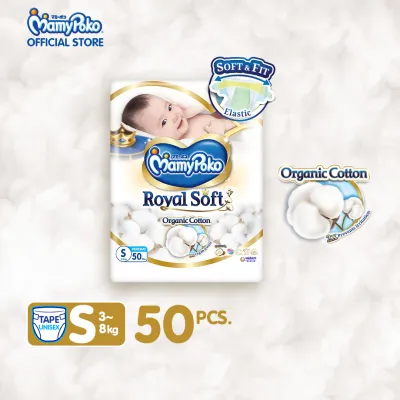
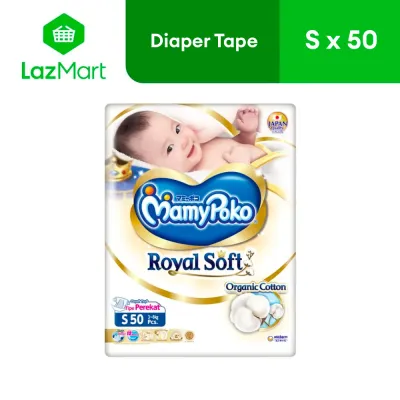
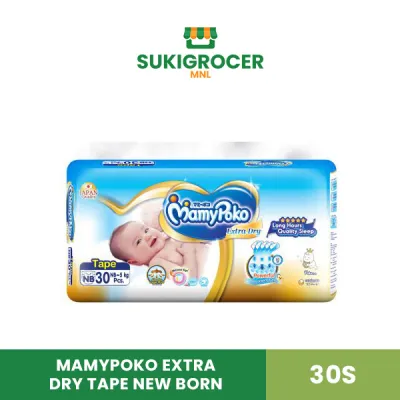
Mommy Poko is widely recognized in the Philippine market as a highly practical, value-oriented option. It is a staple in many households due to its broad availability and consistent performance for everyday use. The brand focuses on providing reliable, straightforward protection without unnecessary complexity.
When inspecting a package of Mommy Poko small tape diapers, you will typically find a generous absorbent zone designed to distribute liquid evenly. The leg cuffs are standard but functional, offering reliable containment during normal daytime activity. Caregivers should note that Mommy Poko offers different product tiers, ranging from their standard line to premium options. It is highly recommended to check the packaging carefully to understand which line you are purchasing.
To assess the true value of Mommy Poko, calculate the cost per piece (CPP) by dividing the total pack price by the number of diapers inside. This calculation makes it easier to compare prices across different pack sizes and retail outlets. While the standard line may lack some of the ultra-thin technologies of premium competitors, its reliable construction makes it an excellent candidate for frequent daytime changes, where diapers are replaced regularly regardless of wetness levels.
Pampers Tape Diapers (Small)
Pampers has built a strong reputation for producing diapers with a slim, highly flexible fit. This design philosophy is particularly suited for active babies who are beginning to wiggle, kick, and move more frequently. The brand focuses on minimizing bulk to allow for unrestricted leg movement.
When verifying features on a package of Pampers small tape diapers, look for their specific dry-weave topsheets and channel-based absorbent cores. These channels are designed to distribute liquid rapidly along the length of the diaper, preventing the sagging and clumping that can occur when wetness concentrates in one spot. Most Pampers small tape options also feature a highly visible wetness indicator and a soft, lotion-infused inner lining to help protect delicate skin.
Because of their slim profile, Pampers diapers feel lightweight and breathable, which is highly beneficial during warm, humid afternoons. However, this thin design means the diaper may reach its capacity faster during long periods of uninterrupted sleep. Caregivers of heavy wetters may find that Pampers requires slightly more frequent changes compared to bulkier, highly padded alternatives to prevent leaks.
Huggies Tape Diapers (Small)
Huggies focuses heavily on structural security and leak prevention, making it a popular choice for caregivers who prioritize a snug, blowout-resistant fit. The brand’s design features are engineered to contain messy cleanups, particularly for infants who are still on an all-liquid diet.
Key features to verify on the Huggies packaging include a stretchy, elasticated waistband and a pocketed back section. This pocket is specifically designed to catch runny stool before it can escape up the baby’s back—a common issue known as a back blowout. Additionally, look at the fastening tabs, which are designed to grip securely even when adjusted multiple times during a change. The absorbent core of a Huggies diaper often feels slightly thicker and more structured than that of its competitors.
This sturdy construction is particularly useful for babies with chunkier thighs or rounder profiles, as the elastic components conform well to curved shapes. The robust waistband helps keep the diaper securely in place during tummy time or when the baby is being carried. While the extra thickness may feel slightly bulkier under clothing, the added containment provides peace of mind during long outings or overnight sleep.
How to Test Diaper Fit and Absorbency at Home
Rather than relying solely on product descriptions, you can perform simple, practical tests at home to determine if a specific diaper brand is compatible with your baby’s body shape and skin.
- The Fit Check: After fastening the diaper, apply the two-finger rule. Slide two fingers comfortably inside the front waistband; if it feels tight or constricting, the diaper is too small. Next, run your finger along the inner leg cuffs to ensure they are fully flared outward and not tucked inward, which is a primary cause of leg leaks.
- The Absorbency Test: Monitor the diaper during a typical three-to-four-hour daytime period or after a nap. Observe whether the absorbent core clumps together or sags significantly when wet. A high-performing core should distribute wetness evenly, keeping the diaper relatively flat and comfortable for the baby.
- Skin Reaction Monitoring: When introducing a new diaper brand, inspect your baby's skin during every change over a three-day trial period. Look for any localized redness, chafing around the thighs, or raised bumps. If skin irritation develops, discontinue use of that brand, keep the area clean and dry, and consult a healthcare professional.
- Leakage Tracking: Keep a simple mental or written log of any leaks that occur over a week. Note the time of day and where the leak emerged (e.g., the leg openings or the back waistband). If leaks consistently happen in the same spot despite proper fastening, it indicates that the diaper's cut may not match your baby's current proportions, or it is time to transition to a larger size.
Final Verdict: How to Choose the Right Brand
Selecting the ideal tape diaper for your small baby depends on matching your daily routine, budget, and baby’s physical build to the strengths of each brand.
- Choose Mommy Poko if: Your primary goal is cost-efficiency, you plan to change diapers frequently throughout the day, and you prefer a reliable, standard diaper that is widely available in local supermarkets and online stores.
- Choose Pampers if: Your baby has a slender, long build, is highly active, and you prefer a slim-fitting, lightweight diaper that minimizes bulk and keeps moisture away from the skin during warm days.
- Choose Huggies if: Your baby has rounder proportions or chunkier thighs, is prone to back blowouts, and you want a highly secure, stretchy waistband with a rear pocket to contain messy leaks.
Verify first if: Before purchasing a large economy box, always buy a small trial pack of 10 to 20 pieces. This allows you to verify the fit, test absorbency, and monitor your baby’s skin reaction in your specific home environment before making a larger financial commitment.
Frequently Asked Questions (FAQ)
How do I know if the Small tape diaper is too tight or too loose?
To check if a diaper is too tight, look for deep, persistent red marks or indentations around your baby’s thighs and waist after removal. You should also be able to fit two fingers easily under the closed waistband. Conversely, if you notice gaps between the diaper material and your baby’s skin at the legs or waist, or if the diaper slides down when the baby moves, the diaper is too loose and you may need to adjust the tabs or try a different size.
Should I switch to pants-style diapers instead of tape for a small baby?
For small babies who spend most of their time lying down, tape diapers are generally preferred because they are easier to put on and remove without having to slide a soiled diaper down the baby’s legs. Tape diapers also allow you to customize the waist fit precisely. You should consider transitioning to pants-style diapers once your baby becomes highly active, starts rolling over constantly, crawls, or resists lying still during diaper changes.
Is it safe to mix different diaper brands for day and night use?
Yes, mixing diaper brands is a highly safe and practical strategy used by many caregivers. You can use a more affordable, standard diaper like Mommy Poko for frequent daytime changes when you can monitor and replace the diaper often. For nighttime use or long outings, you can switch to a brand with enhanced containment features or higher absorbency, such as Huggies or Pampers, provided your baby’s skin tolerates both brands without irritation.

Community discussion
Share your experience or ask a question. Comments are reviewed before publication.