
Selecting a wearable breast pump is one of the most personal decisions a breastfeeding mother will make. The ideal Momcozy wearable pump for your routine depends on whether you prioritize maximum suction power, a discreet and lightweight profile for pumping on the go, or a budget-friendly option that covers the essentials. By examining how different models align with your specific pumping frequency, comfort preferences, and daily lifestyle, you can select a device that makes your breastfeeding journey smoother and more manageable.
While hands-free convenience is the common thread across the entire Momcozy wearable pump lineup, each model family is engineered with distinct user profiles in mind. Some mothers require a heavy-duty workhorse capable of handling multiple daily sessions, while others simply need a compact helper to relieve engorgement during occasional outings. Understanding these design differences allows you to invest in a tool that truly fits your body and your schedule.
Quick Guide: Matching Momcozy Models to Your Routine
Finding the right wearable pump requires looking closely at how often you plan to pump and where you will be using the device. If you are an exclusive pumper who relies entirely on a machine to maintain your milk supply, a high-capacity model with a robust motor system is generally the most reliable choice. These heavy-duty models are built to withstand frequent daily use and often feature advanced multi-motor designs that mimic the efficiency of traditional double electric breast pumps.
Products mentioned in this guide
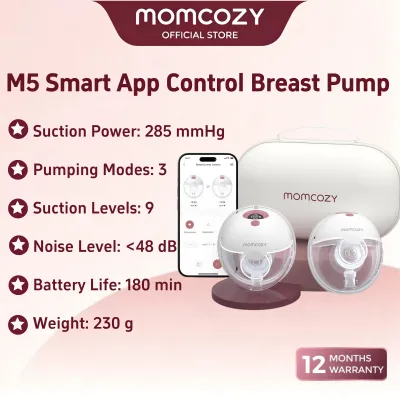
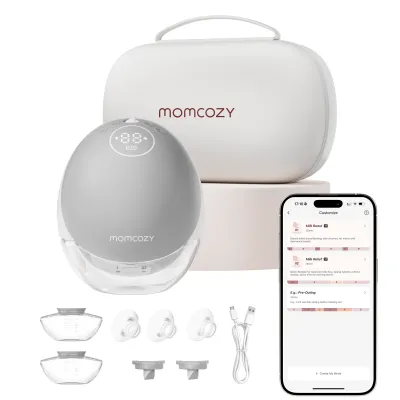
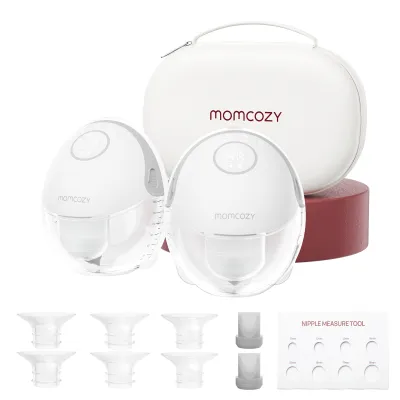
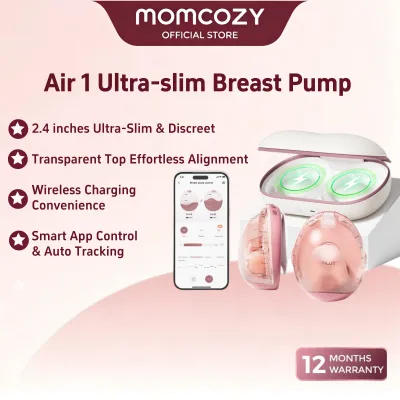
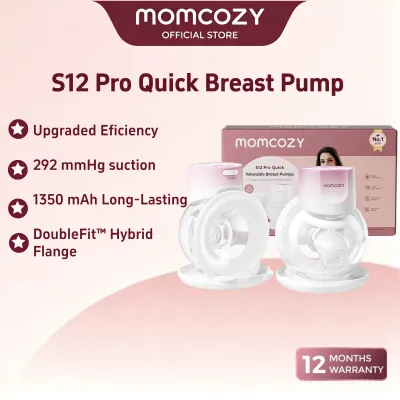
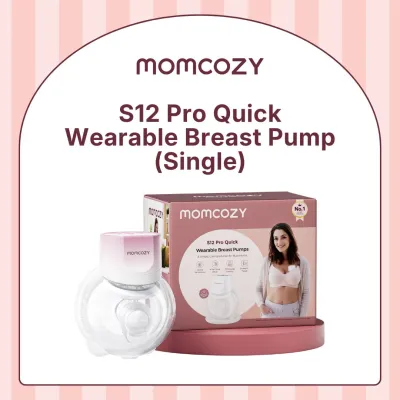
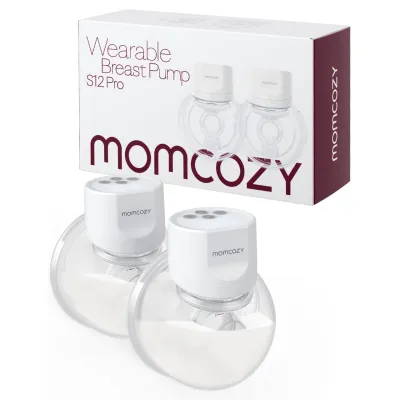
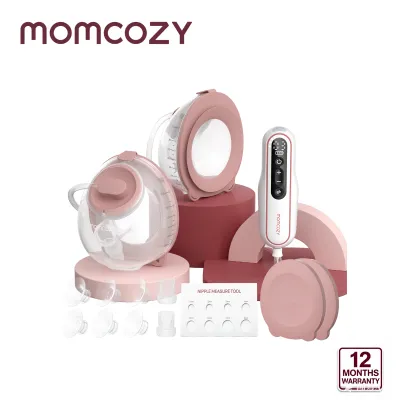
Prices are valid at publication and may change. Please refer to the product page for the latest price.
Conversely, if you primarily breastfeed directly and only need a pump for occasional relief, returning to work, or managing short trips away from your baby, a lightweight and highly integrated model is often more practical. These compact options fit entirely inside your bra without external cords or bulky motor attachments, making them incredibly easy to slip on during a busy commute or while managing household chores. They prioritize discretion and portability over maximum motor heavy-lifting.
Your budget and comfort requirements also play a decisive role in this selection process. Entry-level models offer reliable, straightforward suction with physical button controls at an accessible price point, making them excellent entry points for mothers testing the waters of wearable pumping. Premium models, on the other hand, introduce advanced features such as micro-vibration technology, smart application connectivity, and ultra-slim profiles that sit flush against the breast. Weighing these features against your daily routine ensures you do not pay for premium add-ons you do not need, or conversely, that you do not compromise on the motor durability required for frequent pumping.
Core Features to Compare Across Wearable Pumps
To make an informed decision, you must evaluate several critical technical specifications that directly impact your daily pumping experience. Comparing these features across different models will help you understand how each pump performs in real-world scenarios.

Suction Strength and Modes
Breast pumps typically operate using different patterns of suction to mimic a baby’s natural nursing rhythm. Most wearable models offer at least two primary modes: a stimulation or massage mode, which features fast, shallow suctions designed to trigger your milk let-down reflex, and an expression mode, which features slower, deeper suctions to draw out milk efficiently. Some models also include a mixed or hybrid mode that alternates between the two patterns.
When comparing models, look beyond marketing terms and check the manufacturer’s official specifications for the maximum suction strength, measured in millimeters of mercury (mmHg), as well as the number of adjustable suction levels within each mode. A wider range of levels allows you to fine-tune the pump to your personal comfort threshold, which is essential because higher suction does not automatically equal more milk; in fact, suction that is too strong can cause pain and actually inhibit your let-down.
Battery Life and Portability
Because wearable pumps are designed for hands-free, cordless use, battery performance is a key factor in how much freedom they actually provide. You should verify the official estimated runtime per full charge, which is typically expressed in the number of 20-minute or 30-minute pumping sessions the battery can support. A pump that requires charging after only two sessions may become a hassle if you are frequently away from a power source.
Additionally, pay attention to the charging port type and charging time. Models equipped with standard USB-C ports offer the greatest convenience, as they can be charged using common phone chargers, power banks, or laptop ports. If you live or work in a warm, humid environment, keeping your pump charged and ready without relying on specialized power adapters makes it much easier to maintain your pumping schedule while traveling or commuting.
Noise Level and Discretion
For many mothers, the ability to pump discreetly at work, in public, or even while putting a baby to sleep is a top priority. While no motorized breast pump is completely silent, the volume and pitch of the motor hum vary significantly between models. Manufacturers often provide a decibel (dB) rating to indicate noise levels under controlled conditions.
When evaluating discretion, consider both the physical profile of the pump under your clothing and the sound of the motor. A bulkier motor that sits on top of the collection cup will be more visible through fitted clothing than a model with a streamlined, integrated motor that fits entirely within the bra cup. If you plan to pump during professional video calls or in quiet office spaces, prioritizing a model with a lower verified decibel rating and a low-profile silhouette is highly beneficial.
Capacity and Spill Prevention
Standard wearable pump collection cups typically hold between 150ml and 180ml (approximately 5 to 6 ounces) of milk per cup. If you have a high milk supply, you may need to look for models that offer larger capacity cups or ensure that the cups are easy to empty mid-session without spilling.
Spill prevention features, such as double-sealed flanges and secure silicone stoppers, are crucial for protecting your liquid gold. Always locate the maximum fill line marked on the collection cup; filling the cup past this line can cause milk to back up into the motor unit, which can permanently damage the electronics, ruin the suction, and void your warranty. Choosing a model with a clear, easy-to-read measurement scale helps you monitor your output and prevent overfilling.
Choosing the Right Model for Your Pumping Lifestyle
Momcozy offers several distinct product lines designed to cater to different lifestyles, budgets, and usage frequencies. By grouping these models into specific user scenarios, you can easily identify which tier aligns with your personal circumstances.
For Exclusive and Frequent Pumpers
If you are pumping exclusively or multiple times a day to supply the majority of your baby’s nutrition, you need a heavy-duty system that prioritizes speed, efficiency, and motor durability. For this demanding routine, models featuring dual-motor technology or hospital-grade suction capabilities are highly recommended. These systems provide robust, consistent suction that does not degrade over consecutive sessions, helping you empty your breasts thoroughly to maintain a healthy milk supply.
Frequent pumping also demands excellent ergonomic weight distribution. When a pump motor is heavy or poorly balanced, it can pull the cup away from your breast, breaking the seal and causing discomfort or loss of suction. Look for designs that distribute the weight of the motor evenly or utilize a separate, lightweight controller that can be clipped to your waistband or slipped into a pocket. This setup keeps the cups light and secure inside your bra.
To ensure a successful hands-free experience during frequent sessions, you must pair your wearable pump with a highly supportive, full-coverage pumping bra. The bra must have enough structure and elasticity to hold the fully loaded collection cups firmly against your chest. Always refer to the specific model’s user manual to verify the recommended daily usage limits and motor maintenance guidelines to ensure your pump remains in optimal working condition over months of heavy use.
For Occasional Pumping and Active Lifestyles
For mothers who primarily nurse their babies directly but want a wearable pump for occasional use—such as running errands, attending social events, or managing a return to work on a hybrid schedule—compactness and ease of assembly are the most important factors. In these scenarios, an all-in-one model with a fully integrated motor is often the most convenient choice. These models lack external tubes, wires, or separate controller packs, allowing you to slip them into your diaper bag or purse effortlessly.
Active lifestyles in tropical climates require extra attention to portability and quick setup. A lightweight, low-profile pump is easy to assemble and position, even in public restrooms or during a warm commute. Because these models are designed to fit entirely inside a standard nursing bra, they offer an incredibly discreet silhouette that does not draw attention.
However, choosing a highly compact model often involves specific trade-offs. To achieve a smaller, lighter design, these pumps may feature slightly smaller milk collection capacities or offer fewer customizable suction modes and levels compared to their larger, heavy-duty counterparts. For occasional pumpers, these trade-offs are usually highly acceptable, as the extreme convenience and ease of transport far outweigh the need for highly advanced programming or maximum capacity.
Navigating Budget and Premium Options
When shopping for a Momcozy wearable pump in the Philippines, you will find options spanning a wide price spectrum. Entry-level models generally fall within a budget-friendly range of approximately ₱3,500 to ₱5,000. These models focus on delivering reliable, basic suction, utilizing physical buttons and standard LED indicator lights. They are highly effective for mothers who want a dependable, no-frills pumping experience without a major financial investment.
Premium models, which can range from ₱6,000 to upwards of ₱10,000, introduce advanced features designed to enhance comfort and convenience. These premium options may include smart application connectivity via Bluetooth, allowing you to track your pumping history, adjust suction levels, and monitor battery life directly from your smartphone. Other premium upgrades include ultra-soft liquid silicone flanges, advanced touchscreens, and specialized micro-vibration motors that help stimulate milk flow more gently.
To make a financially sound decision, use the following checklist to evaluate whether premium features are worth the extra cost for your specific situation:
- Verify if your smartphone's operating system is fully compatible with the pump's official companion application before paying extra for smart connectivity features.
- Verify if genuine replacement parts, such as silicone valves, diaphragms, and specific flange sizes, are readily available and reasonably priced from authorized local distributors in the Philippines.
- Verify if your daily pumping frequency actually justifies the cost of a premium dual-motor system, or if a simpler, budget-friendly single-motor model can fulfill your needs just as effectively.
- Verify if the local seller or authorized distributor offers a clear warranty and reliable customer service in the Philippines to protect your investment against manufacturing defects.
Ensuring Comfort: Flange Sizing and Wearability
No matter how advanced or powerful a breast pump is, it will not perform effectively if the flange does not fit your breast correctly. The flange is the funnel-shaped part that places suction directly over your nipple. A poorly fitting flange can cause severe pain, reduce the amount of milk you are able to express, and even damage your breast tissue.
To find your correct flange size, you must measure the diameter of your nipple base. Use a physical ruler or a specialized nipple sizing card to measure the width of your nipple in millimeters, excluding the surrounding areola. Take this measurement before a pumping session, and keep in mind that your nipple size can change postpartum. Most wearable pumps come standard with a 24mm or 27mm flange, but manufacturers offer silicone flange inserts in smaller sizes (such as 17mm, 19mm, or 21mm) that slide inside the standard flange to customize the fit.
Flange material also plays a significant role in wearability and skin comfort. Rigid plastic flanges provide a firm structure but can sometimes cause friction against the skin. Soft, flexible silicone flanges conform more naturally to the contours of the breast and create a gentler, more secure seal. In warm, humid tropical conditions, soft silicone is often preferred because it reduces skin chafing and minimizes sweat-induced slipping during a session.
Safety Warning: Pumping should never cause sharp pain, severe friction, skin bruising, or bleeding. If you experience persistent pain, localized breast redness, swelling, warmth, or flu-like symptoms, stop using the breast pump immediately. These can be signs of incorrect fit, tissue damage, or a medical condition such as mastitis. Consult a certified lactation consultant or a healthcare professional right away. Do not attempt to self-diagnose breast conditions or assume that simply switching to a different pump model or flange size will resolve a medical issue or correct a low milk supply.
Daily Cleaning, Maintenance, and Part Replacement
Maintaining strict hygiene is vital to protect your baby’s health and ensure your wearable breast pump continues to function at peak performance. Because milk contains fats and proteins that can build up in small crevices, you must clean the pump thoroughly after every single use.
To clean your pump safely, follow these standard, reversible steps:
- Disassemble completely: Separate all washable parts that come into contact with breast milk, including the silicone collection cups, silicone flanges, duckbill valves, and diaphragms. Never submerge the motor unit or any electrical components in water; instead, wipe the exterior of the motor with a clean, damp cloth if necessary.
- Wash thoroughly: Wash all silicone and plastic parts in warm, soapy water using a mild dishwashing liquid. Use a dedicated basin and a soft brush reserved exclusively for baby feeding items to avoid cross-contamination.
- Rinse and dry: Rinse all parts thoroughly under clean, running water to remove all soap residue. Place the parts on a clean, dedicated drying rack in a well-ventilated area and allow them to air-dry completely.
In the high humidity of the Philippines, damp pump parts can easily harbor mold or bacteria if they are not dried properly. Ensure your drying area is clean, dry, and free from household dust.
Before sterilizing your pump parts, you must consult your specific model’s user manual for exact temperature limits. Boiling, steam-sterilizing, or UV-sterilizing components that are not rated for high heat or specific light wavelengths can warp the silicone, damage the airtight seal, and permanently ruin the pump’s suction. If the manufacturer’s care instructions conflict with general cleaning advice, always prioritize the official manual.
Additionally, wearable pump parts are subject to wear and tear. Silicone duckbill valves and diaphragms lose their elasticity over time, which directly reduces the pump’s suction strength. If you notice a sudden drop in suction, check these parts for tiny tears or stretching. It is recommended to replace duckbill valves every 1 to 3 months, and diaphragms every 3 to 6 months, depending on how frequently you pump. Always purchase genuine replacement kits from authorized brand channels to guarantee compatibility, safety, and a proper seal.
Frequently Asked Questions (FAQ)
Can I use a wearable pump while lying down or sleeping?
No, you should not use a wearable breast pump while lying down, fully reclined, or sleeping. Most wearable breast pumps are engineered to rely on gravity to direct the expressed milk downward into the collection cup. When you lie down or tilt too far back, the milk inside the cup can shift, covering the air vents and leaking into the motor unit. This can permanently damage the electronic components, ruin the suction, and create a hygiene hazard. Always remain in an upright or slightly reclined sitting position during your pumping sessions, and check your specific model’s user manual for its exact positional limits.
How do I know if my flange size is correct during a pumping session?
You can determine if your flange size is correct by observing how your nipple behaves inside the tunnel during a pumping session. With a correct fit, your nipple should move freely back and forth in the center of the tunnel without rubbing against the sides, and very little to no areola should be pulled into the tunnel. If your flange is too small, your nipple will rub against the tunnel walls, causing friction, pain, and restricted milk flow. If the flange is too large, an excessive amount of your areola will be drawn into the tunnel, which can cause swelling, bruising, and inefficient milk expression. Because nipple size can fluctuate postpartum, you should re-measure periodically to ensure a comfortable fit.

Community discussion
Share your experience or ask a question. Comments are reviewed before publication.