
Selecting the right baby bottle is one of the most important decisions for parents navigating early feeding routines. When comparing Momcozy’s glass, PPSU, and silicone baby bottles, the primary differences lie in their weight, durability, heat resistance, and tactile feel. Glass provides unmatched purity and scratch resistance but is heavy and fragile. PPSU (polyphenylsulfone) offers a lightweight, shatterproof alternative with high heat tolerance, though it typically comes at a higher price point. Silicone features a soft, squeezable texture that closely mimics breastfeeding, but it requires careful cleaning to prevent odor retention. Understanding these material properties helps you choose the best option for your baby’s developmental stage and your family’s lifestyle.
Quick Comparison: Glass, PPSU, and Silicone
Each bottle material serves a distinct purpose in a baby’s feeding journey, balancing convenience with physical characteristics. Glass is the traditional choice, favored for its chemical inertness and long-term durability, though its weight makes it less ideal for on-the-go use. PPSU is a medical-grade plastic that combines the lightweight benefits of standard plastic with the high heat resistance of glass, making it a premium, durable option. Silicone is a modern, flexible material that offers a tactile, skin-like feel, which many parents find helpful when transitioning babies from breast to bottle.
When deciding between these materials, caregivers must weigh several key factors:
Products mentioned in this guide
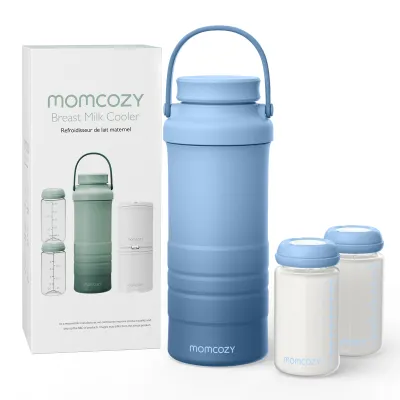
Prices are valid at publication and may change. Please refer to the product page for the latest price.
- Weight: Lightweight bottles are easier for babies to hold independently, while heavier bottles require constant adult support.
- Durability: Shatterproof materials are essential for active environments, whereas scratch-resistant materials maintain clarity longer.
- Cleaning Ease: Some materials resist residue and odors naturally, while others require specialized brushes or prompt washing.
Safety is a paramount consideration for any feeding product. While modern reputable brands design their bottles to be BPA-free, parents should always verify the specific material grades and safety certifications printed on the product packaging. In warm, humid climates like the Philippines, ensuring that bottles can be thoroughly sanitized and dried quickly is crucial to prevent the growth of mold and bacteria.
Glass Bottles: Purity, Cleaning, and Handling
Glass baby bottles are highly regarded for their exceptional purity and longevity. Because glass is non-porous, it does not absorb odors, colors, or flavors from breast milk or infant formula. This material is highly resistant to scratches, meaning it will not develop the microscopic crevices where bacteria can hide over time. Caregivers often find glass bottles the easiest to deep clean and sterilize, as they can withstand extreme temperature changes without degrading or clouding.

However, the physical limitations of glass require careful handling. Glass bottles are significantly heavier than their plastic or silicone counterparts, which can tire out a caregiver’s wrist during long feeding sessions. More importantly, glass is fragile. If dropped on hard surfaces—such as typical ceramic tile floors common in tropical homes—glass bottles can shatter, posing an immediate safety hazard to both the infant and the caregiver.
For these reasons, glass bottles are best suited for home feeding environments where a parent or caregiver is physically holding the bottle. They are excellent for newborns who do not yet hold their own bottles, as well as for parents who prioritize maximum material purity and straightforward sterilization routines.
PPSU Bottles: Lightweight Durability for Active Days
PPSU (polyphenylsulfone) is a high-performance, medical-grade plastic that has become increasingly popular in premium baby products. It offers the best of both worlds: the lightweight, shatterproof convenience of plastic combined with the robust heat resistance typically associated with glass. PPSU bottles can withstand repeated sterilization cycles—including steam, boiling water, and UV sterilizers—without losing their structural integrity or releasing harmful chemicals.
Despite these advantages, PPSU bottles do have a few limitations. While they are far more scratch-resistant than standard polypropylene (PP) bottles, they can still develop micro-scratches over time if cleaned with abrasive brushes. Additionally, PPSU bottles carry a higher price point, often costing more in pesos (₱) than standard plastic bottles, which may impact families buying a complete feeding set on a budget.
PPSU bottles are highly recommended for active lifestyles, travel, and daycare drop-offs. Because they are virtually unbreakable, they are the ideal choice for older babies who are beginning to develop their motor skills and want to hold their own bottles during feeding times.
Silicone Bottles: Flexibility for Breastfed Babies
Silicone baby bottles offer a unique, flexible design that sets them apart from rigid glass and plastic options. The soft, squeezable body of a silicone bottle mimics the natural feel of a mother’s breast, which can ease the transition for breastfed babies who refuse traditional hard bottles. This flexibility also allows caregivers to practice paced feeding more dynamically, adjusting to the baby’s natural sucking rhythm.
However, the unique texture of silicone comes with specific maintenance demands. Silicone is a semi-porous material, meaning it can retain soapy odors or milk fats if not washed promptly after use. In humid tropical climates, silicone bottles must be dried thoroughly in a well-ventilated area to prevent moisture buildup. Additionally, because the bottle body is soft, an accidental squeeze by an enthusiastic baby or an distracted caregiver can cause sudden milk flow, potentially leading to spills or choking if not monitored.
Silicone bottles are best suited for breastfed infants transitioning to bottle feeding, babies prone to colic who benefit from a consistent, air-free flow, and parents who prefer a soft, tactile feeding experience. Caregivers should ensure they use gentle, fragrance-free dish soaps to minimize odor retention.
Choosing the Right Material for Your Baby's Stage
Selecting the ideal bottle material requires matching the product’s characteristics to your baby’s age and physical development. For newborns, glass is an excellent choice because feeding is entirely managed by an adult, minimizing the risk of drops while maximizing hygiene. As your baby reaches the age of six months and begins grasping objects, transitioning to lightweight, shatterproof PPSU or soft silicone allows them to practice self-feeding safely without the risk of heavy impacts.
Your primary feeding environment also plays a major role in this decision:
- At Home: Glass bottles can be easily managed, sterilized, and stored safely in a dedicated kitchen space.
- On the Go: PPSU bottles are highly portable, fitting easily into diaper bags without adding unnecessary weight or risking breakage during travel.
- Daycare: Many childcare centers prohibit glass bottles entirely due to safety policies, making PPSU or silicone the practical choice.
Finally, consider your daily household routine. If you rely heavily on quick dishwasher cycles or intensive steam sterilization, PPSU and glass will hold up exceptionally well. If you prefer a hands-on, gentle washing routine and want to replicate the breastfeeding experience as closely as possible, silicone is the standout option.
Sterilization, Cleaning, and When to Replace
Proper maintenance is essential to ensure the safety and longevity of your baby bottles, regardless of the material you choose. Always consult the manufacturer’s instruction manual for specific temperature limits before using steam, boiling water, or UV sterilizers. While glass and PPSU handle high heat exceptionally well, silicone parts can degrade faster if exposed to extreme temperatures beyond their rated limits for extended periods.
Establish a regular inspection routine to identify when it is time to retire a bottle. Look for the following signs of wear:
- Glass: Check for hairline cracks, chips around the rim, or deep scratches that could compromise structural integrity.
- PPSU: Replace the bottle if it becomes excessively cloudy, heavily scratched, or if you notice any warping after sterilization.
- Silicone: Inspect for stickiness, discoloration, or a persistent sour odor that does not resolve after a thorough wash.
Nipple compatibility is another critical factor. Ensure that the nipples, collars, and caps seal perfectly to prevent leaks. Nipples are subjected to constant wear from sucking and biting; inspect them weekly by pulling on the bulb limit. If you notice any tearing, thinning, or stickiness, replace the nipple immediately to prevent choking hazards.
Frequently Asked Questions (FAQ)
Can I mix and match parts across different Momcozy materials?
It is highly recommended to use only the specific collars, nipples, and caps designed for each respective bottle line. While some parts may appear to fit visually, minor differences in thread design and material flexibility between glass, PPSU, and silicone can compromise the seal. Using mismatched parts can lead to frustrating leaks, improper air venting, or sudden spills during a feed. Always consult the manufacturer’s official compatibility guidelines before swapping accessories.
When should I replace PPSU or silicone bottles?
PPSU and silicone bottles generally require replacement every three to six months, depending on the frequency of use and sterilization methods. Even without visible damage, constant exposure to high heat and cleaning agents gradually degrades these materials. If you notice persistent cloudiness, deep scratches, structural warping, or a sticky texture on silicone surfaces, replace the bottle immediately to maintain optimal hygiene.
Are glass bottles safe to use with newborns?
Yes, glass bottles are safe for newborns, provided they are handled exclusively by an adult. Because newborns cannot hold bottles themselves, the risk of dropping and breaking the glass is minimal during these early months. To improve your grip and cushion the bottle against accidental bumps on hard countertops, consider using a protective silicone sleeve if recommended or provided by the manufacturer.

Community discussion
Share your experience or ask a question. Comments are reviewed before publication.