
Quick Answer: Choosing the Right Mom Cozy Style
Finding the right mom cozy breast pump setup is a deeply personal decision that directly impacts your daily milk expression journey. The ideal style depends on your daily schedule, physical environment, and long-term milk supply goals.
You should choose the wearable style if your primary need is hands-free discretion. This style is perfect if you frequently commute, work in an open office environment, or need to multitask while caring for an active toddler. The self-contained design sits entirely within your bra, giving you the freedom to move without being anchored to external tubes.
Conversely, you should choose the portable style (traditional setup with tubing) if you prioritize maximum milk extraction efficiency. This style is best if you want stronger, highly customizable suction cycles, faster breast emptying, or a simpler cleaning routine at home.
Products mentioned in this guide
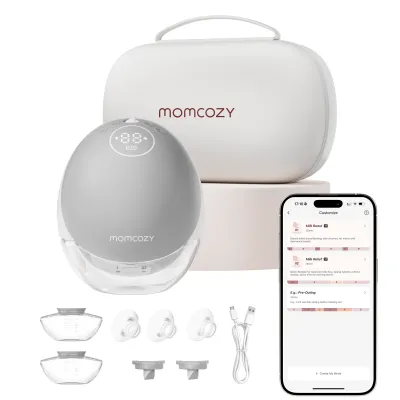
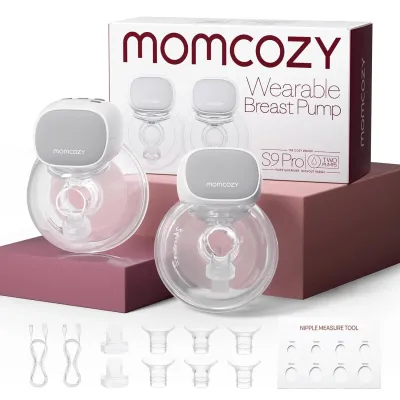
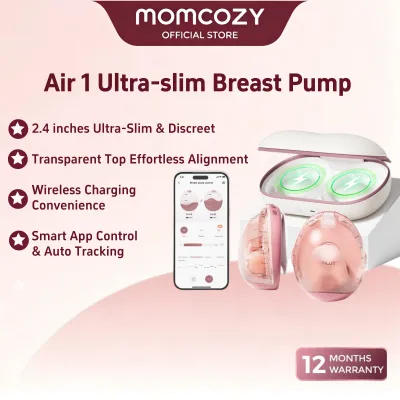
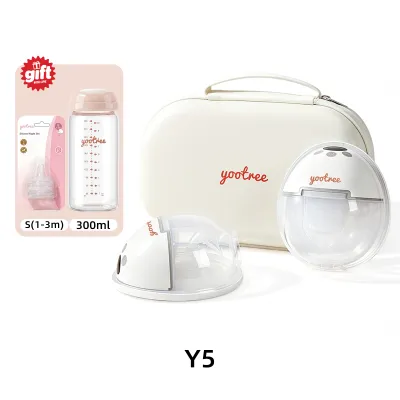
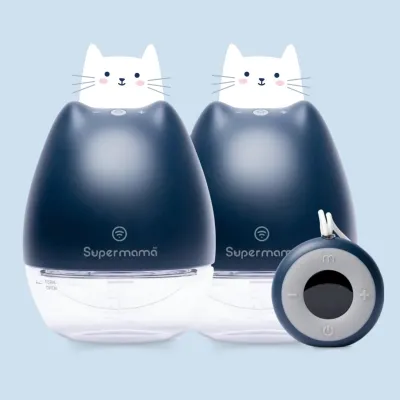
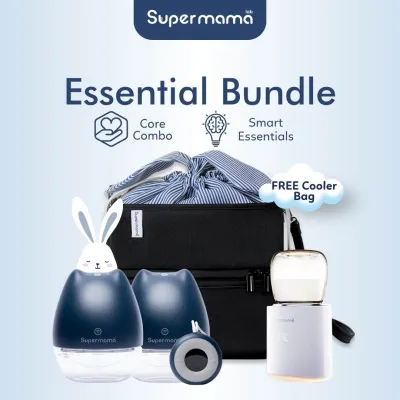
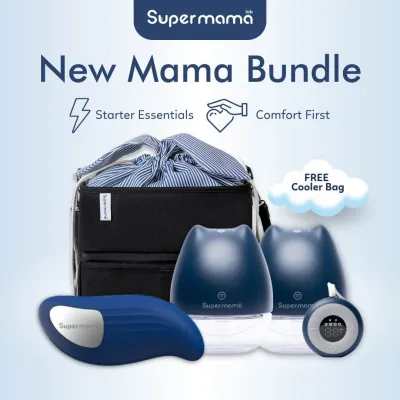
Prices are valid at publication and may change. Please refer to the product page for the latest price.
Many exclusive pumpers eventually find that a hybrid approach—using both styles at different times of the day—offers the ultimate balance of flexibility and performance.
Core Differences: Wearable vs. Portable Mom Cozy Breast Pump Styles
Understanding the mechanical and design distinctions between wearable and portable pumps helps you set realistic expectations for your daily routine. While both options aim to extract milk efficiently, they approach the task with distinct physical configurations, motor capacities, and user experiences.

Hands-Free Discretion vs. Traditional Setup
The physical design of a breast pump dictates how you interact with your environment during a session. Wearable pumps are engineered as all-in-one, self-contained units. The motor, collection cup, and breast shield are integrated into a single pod that slips directly inside a standard nursing bra. This completely eliminates external tubing and hanging bottles, allowing you to walk, write, or prepare a meal while pumping.
In contrast, traditional portable pumps utilize a split-system design. The motor unit is a separate, compact device that you can clip to your waistband, slip into a pocket, or place on a nearby table. Thin silicone tubing connects this motor to the breast shields and collection bottles worn on your chest. While the lightweight bottles put less physical strain on your bra, the presence of tubing means you must manage dangling cords and remain mindful of snagging them on household objects.
The primary trade-off centers on physical weight distribution versus physical freedom. Wearables place the entire weight of the motor and collected milk directly on your chest, which requires a highly supportive bra. Portables keep the heavy motor separate, meaning your chest only supports the lightweight shield and bottle, though your physical movement is slightly more restricted by the connecting tubes.
Suction Strength and Milk Output
Motor size and power source configuration play a significant role in how a pump extracts milk. Traditional portable pumps generally house larger, more robust motors. This extra physical space allows the manufacturer to design complex vacuum systems that deliver high suction limits and highly customizable cycle patterns. These patterns closely mimic a baby’s natural, deep sucking rhythm, which can lead to faster letdowns and more efficient breast emptying for many mothers.
Wearable pumps have made massive technological leaps, but they operate under strict physical constraints. Because the motor must remain small and light enough to sit on the breast, it typically features a slightly more compact vacuum mechanism. While modern wearables offer excellent suction that is more than sufficient for the average user, some mothers find the peak suction feels slightly softer than that of a traditional plug-in or large portable unit.
Regardless of the style you choose, milk output is not solely determined by motor power. Proper flange fit is the most critical factor in successful expression. An improperly sized flange compresses the milk ducts, restricting flow and causing discomfort, no matter how strong the pump’s motor is. Always consult the manufacturer’s sizing guide to find your correct measurement before starting.
Noise Levels and Privacy
Acoustic performance is a major consideration for mothers who need to pump in shared spaces, office cubicles, or during late-night hours when the household is asleep. Wearable pumps excel at acoustic discretion. Because the motor unit is nestled inside your bra and covered by at least one layer of clothing, the sound of the motor is naturally muffled. The resulting noise is typically a low, gentle hum that is easily masked by ordinary office ambient noise or soft music.
Traditional portable pumps tend to have a more distinct acoustic footprint. Because the motor unit sits externally—on a desk, clipped to a belt, or resting on a sofa—there is no clothing barrier to absorb the sound. You will likely hear a rhythmic, mechanical pulsing sound during operation. While modern portable motors are engineered to be relatively quiet, they are generally more audible to those around you than a fully enclosed wearable model.
When choosing between the two, consider where you will spend the majority of your pumping hours. If you work in a quiet, open-plan office where every sound carries, the muffled profile of a wearable pump provides superior peace of mind. If you primarily pump at home or in a private office where a bit of motor hum is irrelevant, a traditional portable pump is an excellent, highly efficient choice.
Assembly, Cleaning, and Maintenance
The time spent assembling, disassembling, washing, and sterilizing pump parts can quickly accumulate, impacting your overall satisfaction with your pumping routine. Traditional portable pumps are highly favored for their straightforward maintenance. Because the motor is kept entirely separate by a backflow protector, the parts that actually come into contact with breast milk are minimal. You typically only need to wash the flange, the connector, a simple valve, and the storage bottle.
Wearable pumps, by virtue of their compact and spill-resistant designs, require more intricate engineering. To prevent milk from leaking into the integrated motor while you move, these pumps utilize specialized silicone diaphragms, complex linkers, and custom-shaped collection cups. This results in more individual parts with small crevices that require meticulous cleaning. Washing these delicate silicone components by hand takes a bit more time and care to avoid accidental tears.
To maintain hygienic safety and prevent mold growth, all milk-contact parts must be thoroughly cleaned after every use. While some manufacturers state that certain hard plastic parts are safe for the top rack of a dishwasher, delicate silicone valves and membranes should always be hand-washed with warm, soapy water and air-dried completely. Regular inspection of these silicone parts is essential, as worn-out valves directly degrade suction performance over time.
Side-by-Side Feature Checklist
This comparison table outlines the key operational differences between wearable and portable pump styles to help you evaluate which design matches your priorities.
| Feature | Wearable Style | Portable (Traditional) Style |
|---|---|---|
| Mobility | Outstanding; completely hands-free and cordless | Moderate; motor is portable but tubing restricts movement |
| Suction Customization | Moderate; standard expression and letdown modes | High; wider range of cycle speeds and vacuum levels |
| Weight on Chest | Higher; motor and milk are supported by the bra | Very low; chest only supports lightweight shields and bottles |
| Cleaning Time | Longer; more intricate parts and silicone seals | Shorter; fewer parts with simpler, open geometries |
| Best Environment | Public spaces, offices, active households, commuting | Private rooms, home use, dedicated office desks |
| General Price Tier | Premium | Mid-range |
Note: Specifications such as battery life, exact weight, and maximum suction levels vary significantly across different model generations. Always verify the precise technical specifications on the official product packaging or authorized retailer listings before making your purchase.
Matching the Pump to Your Daily Lifestyle
Your daily schedule and physical environment are the ultimate deciders when choosing a pump style. Visualizing how each pump fits into your specific daily activities can prevent buyer’s remorse and set you up for a sustainable breastfeeding journey.
Commuting and Working Moms
For mothers navigating the daily commute and professional office life, the wearable pump is often a highly practical solution. If you travel via public transportation, such as the MRT, buses, or jeepneys, managing a traditional pump with dangling tubes is highly impractical. A wearable pump allows you to express milk discreetly during your journey or while sitting at your desk without drawing unwanted attention.
To make the most of a wearable pump in a professional setting, preparation is key. Always wear a supportive, non-compressive nursing bra; a bra that is too tight can press the wearable pump too firmly against your breast, compressing your milk ducts and potentially leading to painful clogged ducts or localized mastitis. Additionally, pack a dedicated, insulated wet-bag or leak-proof container to store your pump parts in the office refrigerator between sessions, keeping them cold and hygienic until you can wash them at home.
However, a traditional portable pump remains a highly viable option for working mothers who have access to a dedicated, private lactation room. If your workplace provides a comfortable, private space with an electrical outlet, a traditional portable pump allows you to sit back, relax, and empty your breasts quickly and efficiently. This setup also spares your chest from supporting the weight of a wearable motor throughout the day.
Stay-at-Home and Nighttime Pumping
Mothers who spend the majority of their day at home often have different priorities, making the traditional portable pump an exceptionally practical choice. When you are in the comfort of your own living room or bedroom, the need for absolute visual discretion is greatly reduced. The stronger, highly customizable suction of a traditional portable pump can help you complete your sessions faster, leaving you with more free time between feedings.
Nighttime pumping sessions also highlight the design advantages of traditional portable pumps. During late-night or early-morning sessions, many mothers prefer to recline comfortably in an armchair or lie semi-propped up in bed. Traditional portable pumps handle these relaxed postures beautifully. Wearable pumps, on the other hand, rely on gravity to keep the collected milk at the bottom of the cup; leaning back too far or lying down can cause milk to flow backward, potentially leaking out of the air vents or seeping into the motor unit.
Furthermore, stay-at-home mothers can easily integrate a traditional portable pump into their household tasks. By using a dedicated hands-free pumping bra, you can secure the traditional flanges to your chest while clipping the lightweight motor to your waistband. This hybrid setup gives you excellent physical mobility around the kitchen or nursery while maintaining the superior suction efficiency of a traditional motor.
Exclusive Pumping and High-Volume Needs
Exclusive pumping demands an incredibly high level of dedication, as you rely entirely on your pump to establish, maintain, and increase your milk supply. For this demanding routine, a traditional portable pump is widely considered the essential “workhorse.” Its robust motor is designed to withstand multiple heavy-duty sessions every single day, and its highly efficient extraction ensures that your breasts are thoroughly emptied, signaling your body to continue producing a robust milk supply.
Relying solely on a wearable pump for exclusive pumping can carry long-term risks for your milk supply. Because some wearable models may not empty the breast as thoroughly as a traditional pump, residual milk left in the ducts can trigger the Feedback Inhibitor of Lactation (FIL)—a natural hormone that tells your body to slow down milk production. Over weeks or months, incomplete emptying can lead to a gradual, unexpected decline in your overall milk volume.
The most successful strategy for exclusive pumpers is often a coordinated hybrid approach. Use your traditional portable pump as your primary device for your critical morning, evening, and middle-of-the-night sessions when milk-producing hormones are at their peak. Keep your wearable pump reserved as a secondary tool for occasional outings, family gatherings, or quick afternoon sessions when you absolutely must multitask. This balanced approach protects your milk supply while still giving you the freedom to live your life.
Practical Buying Checks for Moms in the Philippines
Navigating the local market requires looking beyond global reviews to consider how a breast pump performs under local environmental conditions and retail structures. Making an informed purchase ensures your investment remains functional and supported throughout your nursing journey.
- Climate and Comfort: The tropical, highly humid climate in the Philippines presents unique challenges for pump users. Wearing a plastic and silicone wearable pump inside a bra for extended periods can trap sweat against your skin, leading to chafing, heat rashes, or localized fungal infections. To prevent this, always pair your pump with highly breathable, moisture-wicking cotton nursing bras. Take brief breaks after each session to gently dry your skin, and clean your pump shields thoroughly to prevent bacterial buildup in the humid air.
- Flange Sizing and Local Accessories: Your nipple size will naturally change postpartum, meaning the standard 24mm or 28mm flanges included in the box may not provide a proper fit. Before purchasing, measure your nipple diameter carefully. Check whether the local seller or distributor offers compatible silicone flange inserts (such as 17mm, 19mm, or 21mm). Using the wrong size can cause severe nipple friction, pain, and reduced milk output.
- Power and Charging Infrastructure: Ensure your chosen pump utilizes a universal charging standard, such as USB-C, which allows you to charge the device using standard smartphone chargers or computer ports. For mothers living in areas prone to seasonal power interruptions or long commutes, having a high-capacity, compatible power bank is essential. Verify that the pump's battery capacity can sustain your typical daily sessions without requiring constant access to a wall outlet.
- Authorized Retailers and Warranty Support: To protect your investment, avoid purchasing from unauthorized, third-party online marketplace listings that offer unusually low prices, as these are often counterfeit products or parallel imports lacking warranty coverage. Always purchase from official brand websites, authorized local maternity specialty stores, or verified flagship stores. Buying through official channels ensures you receive a genuine product with a valid warranty processed in Philippine Pesos (PHP), alongside reliable access to essential replacement parts like valves, diaphragms, and tubes.
Frequently Asked Questions (FAQ)
Can I use a wearable pump while sleeping?
No, wearable breast pumps are not designed to be used while sleeping or lying completely flat. These pumps rely on an upright posture to ensure that the expressed milk flows properly into the collection chamber. Lying down can cause the milk to flow backward into the motor assembly, which can permanently damage the electronic components, void your warranty, and create sanitation issues. For nighttime pumping, it is highly recommended to sit upright or semi-reclined while using a traditional portable pump or a manual pump.
Do I need to buy extra flanges for different sizes?
Most breast pumps are packaged with standard flange sizes, typically 24mm or 28mm. Because every mother’s anatomy is unique, these standard sizes may not provide an optimal fit for your nipples. If the standard flange is too large or too small, you will need to purchase separate silicone flange inserts or alternative flange sizes. It is highly recommended to measure your nipples postpartum and secure the correct sizes from authorized local retailers to ensure your pumping sessions remain pain-free and highly efficient.
How do I handle warranty and repairs locally?
To ensure hassle-free warranty support in the Philippines, always keep your original purchase receipt, official invoice, and the product packaging. Register your breast pump on the manufacturer’s official website or with the local authorized distributor immediately after purchase. If you experience any motor malfunctions or suction loss, contact the official customer service channel or the local distributor directly for troubleshooting assistance. Avoid attempting any DIY repairs or using third-party, non-original replacement parts, as doing so will immediately void your product warranty.

Community discussion
Share your experience or ask a question. Comments are reviewed before publication.