
Deciding how to express breast milk is one of the most significant choices you will make during your breastfeeding journey. The right breast pump ensures your baby receives essential nutrition while allowing you to maintain your daily routine, return to work, or share feeding duties with a partner. However, navigating the market can feel overwhelming with so many options available.
The ideal choice between a manual and an electric breast pump depends primarily on your pumping frequency, daily routine, and budget. Manual pumps are highly suited for occasional use, relieving engorgement, and fitting into tight budgets. Electric pumps are better for exclusive pumping, returning to work, and building a substantial milk stash due to their efficiency and hands-free capabilities.
Many mothers in the Philippines eventually opt for a hybrid approach. Owning both a manual and an electric pump allows you to cover different scenarios, such as daily office use and emergency backup during power outages or travel.
Products mentioned in this guide
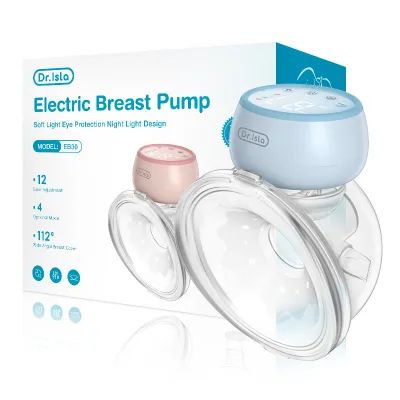
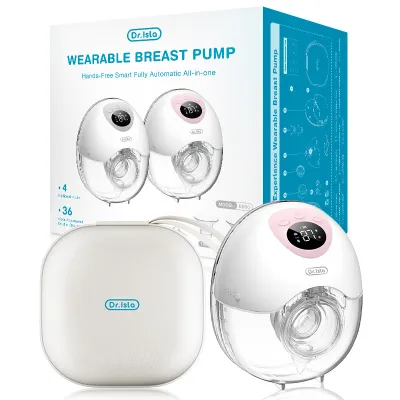
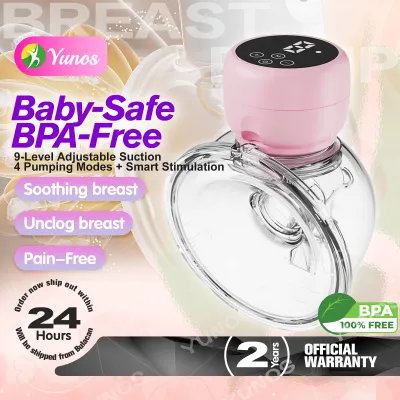
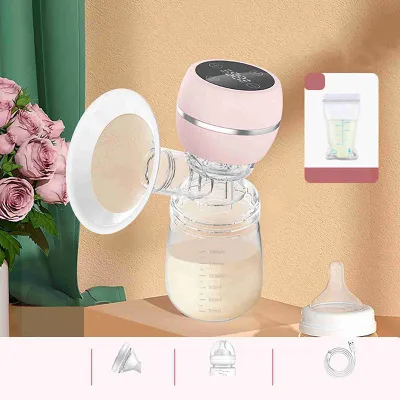

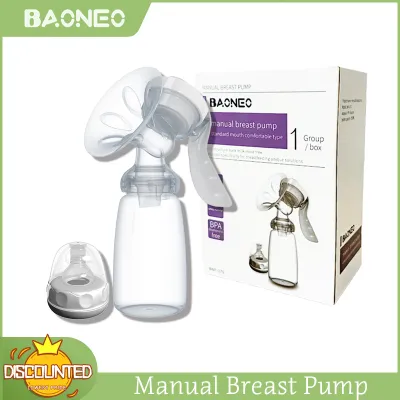
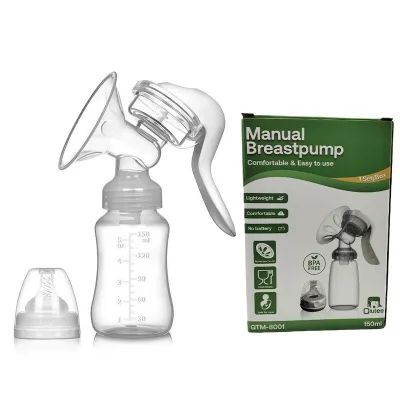
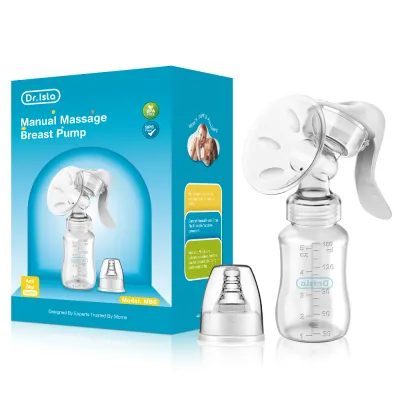
Prices are valid at publication and may change. Please refer to the product page for the latest price.
Key Differences at a Glance
To help you compare your options, this table outlines the main distinctions between manual and electric breast pumps based on practical daily use.
| Feature | Manual Breast Pump | Electric Breast Pump |
|---|---|---|
| Power Source | Manual physical effort (hand-operated lever) | AC power outlet, rechargeable batteries, or USB |
| Pumping Speed | Slower; dependent on manual pumping speed | Faster; automated cycles with adjustable speeds |
| Portability | Highly portable; lightweight and compact | Variable; wearable models are highly portable, traditional models are bulkier |
| Noise Level | Silent operation | Low to moderate humming motor noise |
| Upfront Cost | Low budget-friendly | Moderate to High investment |
| Maintenance | Simple; very few parts to wash and assemble | Moderate to Complex; multiple parts, valves, and tubing |
Manual Breast Pumps: Pros, Cons, and Best Use Cases
A manual breast pump operates entirely on physical power. It features a hand-operated lever, handle, or silicone bulb that you squeeze repeatedly to create suction against your breast. Because you control the rhythm and strength of each squeeze, you can customize the suction to match your comfort level in real time.

Pros of Manual Breast Pumps
One of the biggest advantages of a manual pump is its silent operation. Without a motor hum, you can pump discreetly next to a sleeping baby or during a work call without drawing attention. They are also incredibly lightweight and compact, easily fitting into a diaper bag or purse without adding significant bulk.
Additionally, manual pumps require no electricity, batteries, or charging cables. This makes them highly reliable for travel or outdoor use, especially in areas where power outlets are scarce. From a financial perspective, manual pumps are very budget-friendly, making them an accessible entry point for mothers who want to try pumping without a major upfront investment.
Cons of Manual Breast Pumps
The primary drawback of a manual pump is the physical effort required. Squeezing the handle repeatedly for 15 to 20 minutes per breast can lead to hand and wrist fatigue, especially during the early weeks postpartum.
Manual pumping is also a slower process compared to electric options. Because you can generally only pump one breast at a time, a full pumping session takes twice as long. It is also more challenging to multitask, as at least one of your hands must remain actively engaged in operating the pump handle.
Best Use Cases
Manual pumps excel in specific scenarios. They are perfect for occasional use, such as when you need to step out for a few hours and leave a single bottle with a caregiver. They are also excellent tools for relieving sudden breast engorgement or expression of a small amount of milk to help your baby latch.
For mothers living in the Philippines, a manual pump is an indispensable backup device. During typhoon seasons or unexpected power interruptions, having a reliable manual pump ensures you can express milk safely without relying on electrical power.
Electric Breast Pumps: Pros, Cons, and Best Use Cases
Electric breast pumps utilize an electrically powered motor to generate suction automatically. These devices are designed to mimic a baby’s natural nursing pattern, typically starting with a fast, light stimulation mode to trigger a let-down reflex before transitioning to a deeper, slower expression mode.
Pros of Electric Breast Pumps
The primary benefit of an electric breast pump is its efficiency. Double electric models allow you to pump both breasts simultaneously, which can cut your pumping time in half. This simultaneous stimulation also helps signal your body to produce more milk, making it easier to build a freezer stash.
Electric pumps also reduce physical fatigue. The motor does all the mechanical work, allowing your hands to remain free to hold a book, use your phone, or massage your breasts to encourage milk flow. Many modern electric pumps also offer customizable settings, allowing you to adjust the speed and suction strength to your exact comfort level.
Cons of Electric Breast Pumps
On the downside, electric pumps are heavier and bulkier than manual ones. Traditional models require a main motor unit, power cords, and multiple pieces of tubing, which can make them cumbersome to transport. Even wearable, tubeless models are heavier on the breast than a simple manual shield.
These pumps also generate noise, ranging from a gentle hum to a distinct mechanical vibration. Furthermore, they represent a much higher upfront financial investment. Cleaning can also be more tedious, as electric pumps often feature intricate parts like backflow protectors, delicate silicone valves, and tubing that must remain completely dry.
Best Use Cases
An electric breast pump is highly recommended for exclusive pumping, where your baby receives all their breast milk via bottles. It is also the ideal choice for mothers returning to work or school who need to express milk multiple times a day on a strict schedule. If you are focused on building a large milk supply quickly, the consistent, powerful suction of a double electric pump is unmatched.
How to Choose Based on Your Lifestyle and Needs
Choosing the right breast pump requires looking at your daily schedule, family budget, and long-term feeding goals. By evaluating these factors, you can make an informed decision that supports your breastfeeding journey.
Pumping Frequency and Efficiency
Consider how often you plan to express milk. If you intend to breastfeed your baby directly most of the time and only need to pump occasionally—such as for a weekly date night or to relieve occasional fullness—a manual pump is highly sufficient.
However, if you plan to pump daily or exclusively, an electric pump is practically essential. Attempting to pump eight times a day with a manual pump can quickly lead to physical exhaustion and repetitive strain injuries in your hands. A double electric pump saves hours of active labor every day, making your routine far more sustainable.
Budget and Long-Term Value
Your budget is a key factor in this decision. Manual pumps are highly affordable and require no ongoing costs for batteries or specialized replacement parts. Electric pumps represent a larger upfront investment, though they provide immense value in terms of time saved.
When evaluating costs in the Philippines, it is worth checking if your private health insurance, HMO, or employer-sponsored wellness program offers coverage or discounts for breast pump purchases. While direct insurance coverage for breast pumps is less common locally than in some Western countries, some progressive companies provide lactation support benefits or lactation room facilities equipped with hospital-grade pumps for employee use.
Work and Daily Routine
Your daily environment plays a massive role in which pump will fit your life. If you commute daily via public transportation in busy metropolitan areas, carrying a heavy, plug-in electric pump can be physically exhausting. In this scenario, a lightweight manual pump or a compact, rechargeable wearable electric pump is much easier to manage.
For working mothers, Republic Act 10028 (the Expanded Breastfeeding Promotion Act of 2009) mandates that workplaces in the Philippines must provide lactation stations with necessary facilities, including electrical outlets and refrigeration. If your office has a dedicated, private lactation room, a traditional double electric pump can be kept at your desk or in the locker, allowing you to express milk quickly during your designated lactation breaks. If you travel frequently for work or lack a private office space, a wearable, hands-free electric pump that slips directly into your bra offers the ultimate discretion.
Decision Framework
To simplify your choice, use this quick conditional guide to determine your next steps:
- Choose a manual pump if you plan to breastfeed directly most of the time, have a limited budget, travel frequently to areas without reliable electricity, or simply need a quiet, lightweight tool for occasional expression.
- Choose an electric pump if you are returning to work full-time, plan to pump multiple times a day, need to build or maintain your milk supply, or want to minimize the physical effort of pumping.
- Consider a hybrid approach if you can afford both. Using an electric pump as your primary device at work or home, while keeping a manual pump in your diaper bag for emergencies, travel, or quick relief, offers the best of both worlds.
Cleaning, Maintenance, and Safety in a Humid Climate
Proper hygiene is critical when handling breast pump parts to protect your baby from harmful bacteria. In a warm, tropical climate like the Philippines, high humidity levels can accelerate the growth of mold and mildew on damp surfaces, making diligent maintenance even more vital.
Daily Cleaning and Sterilization
After every use, disassemble all pump parts that come into contact with breast milk. Wash them thoroughly in warm, soapy water using a dedicated brush, then rinse them clean. Always refer to your specific product’s manual for approved sterilization methods, which may include boiling, steam sterilizers, or cold-water chemical sterilizing tablets.
Drying in Humid Conditions
After washing and sterilizing, place all parts on a clean, dedicated drying rack. In humid tropical environments, parts can remain damp for hours if left in an unventilated area. Ensure your drying rack is placed in a well-ventilated space, away from sinks or food preparation areas, to facilitate complete air-drying. Never assemble or store wet pump parts, as trapped moisture is a breeding ground for mold, particularly inside silicone tubing and valves.
Replacing Wearable Parts
Silicone parts such as valves, membranes, and diaphragms are subject to wear and tear. Over time, these parts stretch and lose their elasticity, which directly reduces your pump’s suction power. Rather than relying on a fixed calendar timeline, perform regular visual inspections. Replace these parts immediately if you notice any tearing, warping, discoloration, or a drop in suction performance. Always use manufacturer-authorized replacement parts to maintain safety and warranty coverage.
Safety and Professional Guidance
Using the wrong flange size or excessively high suction settings can cause nipple pain, tissue damage, and even reduce your milk output. Before purchasing a pump or adjusting its settings, check the manufacturer’s sizing instructions. If you experience persistent pain, low milk output, or are unsure about your setup, consult an International Board Certified Lactation Consultant (IBCLC) or your pediatrician. These professionals can provide personalized guidance, ensure a proper flange fit, and help you establish a safe, comfortable pumping routine.
Frequently Asked Questions (FAQ)
Can I use a manual pump for exclusive pumping?
While it is physically possible to use a manual breast pump for exclusive pumping, it is generally not recommended as a long-term strategy. Exclusive pumping requires expressing milk 8 to 12 times a day to maintain your supply. Doing this manually is incredibly time-consuming and can lead to severe hand, wrist, and shoulder strain. For exclusive pumping, a double electric breast pump is highly recommended to protect your physical health and save valuable time.
Are wearable electric breast pumps as effective as traditional ones?
Wearable electric breast pumps offer unparalleled convenience, allowing you to pump hands-free and wire-free while moving around. However, they may not always match the raw suction power or efficiency of traditional, plug-in double electric pumps. Wearable pumps also tend to have smaller milk collection cups and more delicate parts. While excellent for multitasking and commuting, they may require slightly longer sessions to empty your breasts fully compared to a hospital-grade or premium traditional electric pump.
How do I know if my breast pump flange is the right size?
Your breast pump flange size is determined by the diameter of your nipple, not the overall size of your breast. A properly fitting flange allows your nipple to move freely in and out of the tunnel during pumping without rubbing against the sides, while drawing in little to no dark breast tissue (areola). Signs of an incorrect fit include pain, friction marks, white rings around the nipple, or low milk expression despite feeling full. If you experience these symptoms, measure your nipple diameter using a sizing ruler and consult a lactation professional for an accurate fitting.
Community discussion
Share your experience or ask a question. Comments are reviewed before publication.