
When your baby is congested, finding a quick and safe way to clear their nasal passages becomes your top priority. Infants cannot clear their own noses, and congestion can quickly disrupt their sleep, feeding routines, and overall comfort. Choosing between a modern electric option like the Mom Cozy nasal aspirator, a traditional manual bulb syringe, or other electric and tube-based models depends on your baby’s age, how often they get congested, and your personal comfort with cleaning and operating these devices.
An electric nasal aspirator is generally the most convenient choice for parents who deal with frequent congestion and want consistent, adjustable suction without manual effort. Manual bulb syringes serve as excellent, low-cost, silent backups for occasional mild stuffiness, while other electric or tube-based manual aspirators offer alternative control mechanisms. Before purchasing any device, always verify the manufacturer’s age, weight, and safety guidelines on the packaging to ensure it is suitable for your child’s developmental stage.
Quick Answer: Matching the Aspirator to Your Baby's Needs
Selecting the right nasal aspirator requires matching the device’s capabilities to your daily routine and your baby’s specific congestion patterns. In tropical climates like the Philippines, where high humidity and sudden weather shifts can trigger frequent infant stuffiness, having a reliable tool is essential.
Products mentioned in this guide
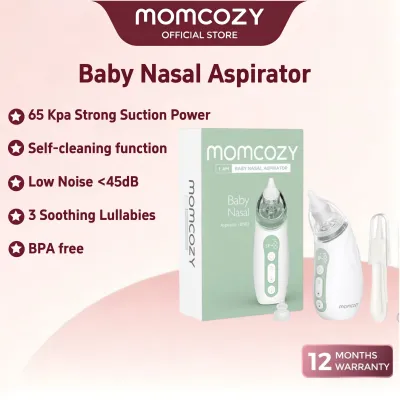
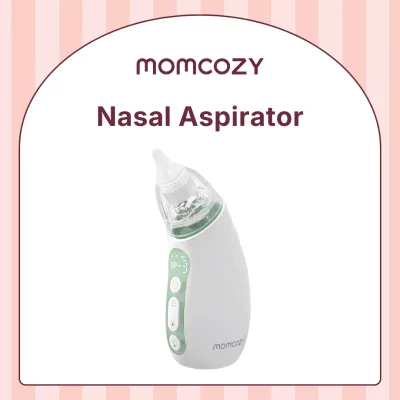
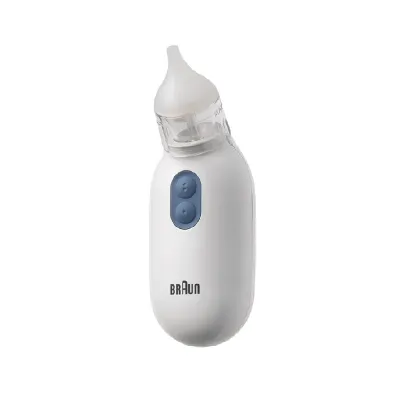

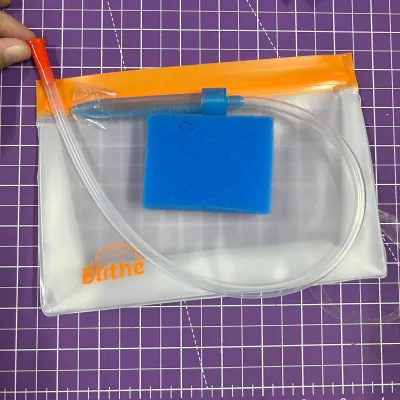
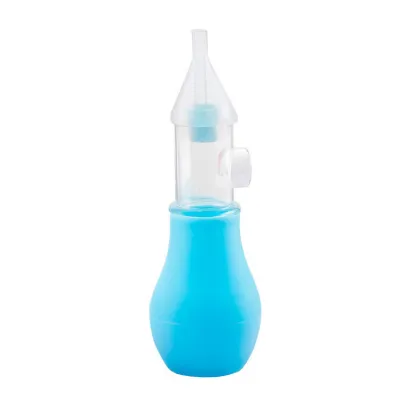
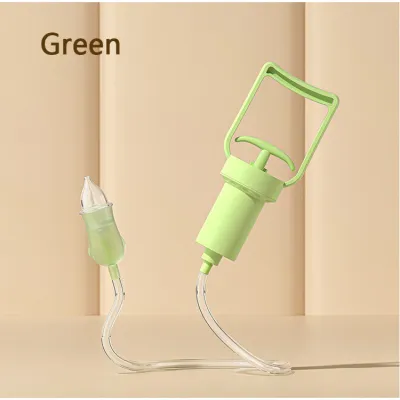
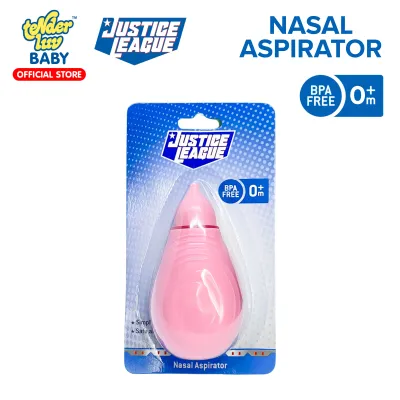
Prices are valid at publication and may change. Please refer to the product page for the latest price.
Consider an electric nasal aspirator, such as the Mom Cozy model, if your baby experiences frequent congestion, resists manual clearing methods, or if you struggle with the manual squeezing technique. These motorized devices provide steady, continuous suction that clears mucus quickly, minimizing the time your baby spends fussing during the process.
Opt for a manual bulb syringe if you only need to clear occasional, mild congestion and are looking for a highly budget-friendly, silent option. Bulb syringes are completely quiet, making them useful for quick, middle-of-the-night clearings when you want to avoid waking a sleeping household.
Choose other electric or tube-based manual-suction aspirators if you prefer to control the suction force directly with your own breath through a mouthpiece. These alternative models are also ideal if you are looking for specific smart features, such as built-in music or light displays designed to distract an anxious infant.
Understanding the Contenders: Mom Cozy, Manual Bulbs, and Other Electric Models
To make an informed decision, it helps to understand how each category of nasal aspirator operates and what makes them unique. Each type relies on a different mechanism to create the vacuum needed to extract stubborn mucus from delicate nasal passages.

An electric nasal aspirator, like the Mom Cozy model, is a handheld, battery-operated device designed for automated mucus extraction. It typically features soft silicone tips of varying shapes, a collection chamber to capture mucus, and a small internal motor that generates suction at the push of a button. Parents should check the product packaging to confirm the specific power source, charging methods, and the number of adjustable suction levels available.
Manual bulb syringes are the traditional rubber or silicone bulbs often provided in hospital discharge kits. They operate on a simple squeeze-and-release mechanism, relying entirely on the parent’s hand pressure to create a brief vacuum. Because they have no moving parts or electrical components, they are highly durable but require careful manual control to prevent inserting the tip too deeply into the nostril.
Other electric aspirators encompass a wide range of motorized devices, from compact battery-powered pens to larger tabletop units. This category also includes tube-based manual-suction devices, where a soft silicone tube connects the baby’s nosepiece to a mouthpiece held by the parent. The parent inhales through the mouthpiece to draw mucus into a filtered collection chamber, offering highly responsive control over the suction pressure.
Key Comparison Dimensions for Daily Nasal Care
Evaluating how these devices perform across key practical dimensions will help you determine which one fits seamlessly into your daily parenting routine.
Suction Power and Control
Electric nasal aspirators provide consistent, motor-driven suction that does not fade during use. Many models offer multiple adjustable settings, allowing you to start with a gentle draw and increase the power if you encounter thicker mucus. This consistency is highly beneficial when dealing with a squirming baby, as you do not have to worry about maintaining manual pressure.
Manual bulb syringes offer highly variable suction that depends entirely on how quickly and firmly you squeeze the bulb. This can make it difficult to achieve a consistent vacuum, sometimes resulting in suction that is either too weak to extract mucus or too sudden, which can startle your baby. Tube-based manual aspirators solve this by letting you modulate the suction instantly with your breath, though this requires some practice and lung capacity.
Before using any aspirator, check the product label for recommended age settings and silicone tip sizes. Using a tip that is too large or too small can break the seal against the nostril, rendering the suction ineffective. If you notice your baby showing signs of pain or if the nasal lining appears red and irritated, stop immediately and verify that you are using the correct technique and the lowest possible suction setting.
Ease of Cleaning and Hygiene
Maintaining strict hygiene is critical when caring for your baby’s respiratory health, especially in warm, humid environments where bacteria and mold can thrive. Nasal aspirators must be thoroughly cleaned and dried after every single use to prevent cross-contamination.
Electric models, including the Mom Cozy aspirator, are designed to be disassembled into separate components. The silicone tips, collection cup, and internal valves can typically be removed and washed with warm, soapy water. Always consult the manufacturer’s instructions to verify which parts are safe for boiling, steam sterilization, or dishwashers, and never submerge the motorized base in water.
Traditional manual bulb syringes present a significant cleaning challenge because they are often molded as a single, opaque piece. It is nearly impossible to see inside the bulb to check for mold growth or to ensure the inner walls are completely dry. If you choose a manual bulb, look for modern designs that twist apart for easy cleaning, or replace standard bulbs frequently to maintain hygiene.
Tube-based manual aspirators and certain electric models utilize disposable or washable physical filters. These filters act as a barrier to prevent mucus and moisture from entering the motor or reaching the parent’s mouth. Ensure you have a steady supply of replacement filters as recommended by the manufacturer, and perform routine sterilization checks on all reusable parts.
Portability, Noise, and Baby's Comfort
An aspirator’s physical design directly impacts how easy it is to use during travel, late-night emergencies, or when your baby is feeling particularly anxious.
Motor noise is a common trigger for infant anxiety during nasal clearing. Electric aspirators naturally produce a low hum or vibration when the motor is running, which can sometimes frighten sensitive babies. Manual bulbs and tube-based aspirators operate in complete silence, making them much easier to use on a sleeping or highly sensitive infant without causing distress.
For families on the go, portability and power sources are key considerations. Electric models offer excellent convenience because they do not require manual effort, but they do rely on battery power. Check the product specifications for battery life and charging methods; models that charge via standard USB cables are highly convenient for travel, as they can be powered up in the car or via a portable power bank.
Size and weight also dictate how easily a device fits into a crowded diaper bag. A simple manual bulb or a compact tube-based aspirator takes up virtually no space and requires no chargers or cables. If you opt for an electric model for travel, look for a lightweight design that includes a dedicated storage case to keep the silicone tips clean and protected from loose items in your bag.
Decision Framework: Choosing the Right Aspirator for Your Routine
To help you finalize your choice, use this structured decision framework to match your lifestyle, budget, and baby’s needs to the ideal nasal aspirator type.
Choose an electric aspirator (like Mom Cozy) if:
- You need consistent, adjustable suction that does not rely on your hand strength or lung capacity.
- Your baby experiences frequent congestion due to seasonal changes, indoor air conditioning, or environmental dust.
- You prefer a device that disassembles completely, allowing you to visually inspect and thoroughly clean every part that comes into contact with mucus.
Choose a manual bulb syringe if:
- You are looking for a highly affordable, budget-friendly option for occasional, mild stuffiness.
- You need a completely silent device for quick, middle-of-the-night clearings without waking your baby or partner.
- You want a simple, battery-free backup to keep permanently in your travel diaper bag.
Choose another electric or tube-based type if:
- You prefer a manual-suction tube design where you can instantly adjust the suction force using your own breath.
- You want specific built-in features, such as light-up screens or soothing music, to help distract an anxious baby.
- You require hospital-grade specifications or specific designs recommended by your pediatrician.
Verify first if:
- Your baby has any underlying respiratory conditions, a history of premature birth, or nasal abnormalities. In these cases, never use any nasal aspirator without first consulting a qualified healthcare professional.
Safety Boundaries and When to Stop Aspiration
While nasal aspirators are invaluable tools for relieving congestion, they must be used with care to avoid irritating or damaging your baby’s delicate nasal tissues.
Limit the frequency of aspiration to prevent swelling and irritation of the nasal mucosa. Pediatric guidelines generally recommend suctioning a baby’s nose no more than three to four times a day, typically before feedings and bedtime. Over-suctioning can dry out the nasal passages and actually trigger increased mucus production, making the congestion worse.
To make the process gentler, consider applying a few drops of sterile, preservative-free saline solution to your baby’s nostrils a few minutes before suctioning. This helps loosen dry or thick mucus, allowing the aspirator to clear the passage more effectively at a lower suction setting.
Observe physical and behavioral signs to stop immediately. If you see any blood, increased swelling, persistent redness, or if your baby shows severe distress or struggles intensely against the device, halt the process. Forcing the tip into a struggling baby’s nose increases the risk of scratching the delicate inner lining.
Bypass home care and seek immediate professional medical help if your baby exhibits any of the following red flags:
- Difficulty breathing, rapid breathing, or chest retractions (where the skin pulls in tightly around the ribs or collarbone).
- Flaring nostrils or grunting sounds while breathing.
- A high fever, persistent lethargy, or an inability to feed or keep fluids down.
- Mucus that remains thick and completely blocks the airway despite gentle saline drops and suctioning.
Frequently Asked Questions (FAQ)
Can I use an electric nasal aspirator on a newborn?
Always check the manufacturer’s packaging for the minimum age and weight requirements before using an electric nasal aspirator on a newborn. While many modern electric models are designed with ultra-gentle settings and specialized newborn tips, safety guidelines vary significantly by brand.
Pediatricians often recommend starting with very gentle, non-invasive methods for newborns under one month old, such as applying a few drops of sterile saline solution to loosen mucus, followed by a manual bulb syringe if necessary. Consult your pediatrician or healthcare provider before introducing any electric suction device to a newborn’s daily care routine to ensure it is safe for their highly delicate nasal passages.
How do I know if the suction is too strong for my baby?
Pay close attention to your baby’s behavioral cues. While some crying is normal during nasal clearing, excessive screaming, intense pulling away, or signs of physical pain during or immediately after use indicate the suction may be too strong or the tip is inserted too deeply.
Examine the nasal tissue carefully. If you notice redness, dryness, swelling, or minor bleeding (pink-tinged mucus) after aspiration, the suction level is likely too high or the device is being used too frequently. To resolve this, adjust the device to its lowest suction setting, shorten the duration of each suction session, or switch to a softer, wider silicone tip that prevents deep insertion.

Community discussion
Share your experience or ask a question. Comments are reviewed before publication.