
Quick Answer: Which Bottle Material Is Safest?
Parents searching for the safest vessel to feed their infants often face a confusing array of marketing terms, brand comparisons, and material choices. When comparing a Minitutu bottle to other popular options on the market, it is vital to understand that no single material is universally declared the safest for every developmental stage or household setting. Instead, true safety is conditional, depending entirely on how well a material’s physical properties match your baby’s age, physical coordination, and your family’s daily cleaning and feeding routines.
For newborn infants who are fed exclusively by caregivers, medical-grade borosilicate glass is widely considered the gold standard for chemical purity because it is completely inert and does not degrade over time. However, as your baby grows, starts reaching for the bottle, and develops self-feeding coordination, the risk of dropping and shattering glass increases significantly. In these active stages, high-performance plastics like Polyphenylsulfone (PPSU) offer a highly durable, shatterproof alternative that can withstand the high-temperature sterilization processes required to keep your infant safe from pathogens.
Ultimately, safety is not just about the brand name on the box, but about how you maintain, sterilize, and inspect the product. Before purchasing any bottle, whether from Minitutu or another leading brand, caregivers must verify the specific material composition, heat tolerance thresholds, and safety certifications printed on the physical packaging or the manufacturer’s official product documentation.
Products mentioned in this guide
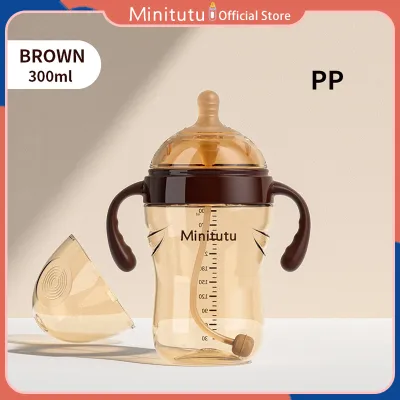
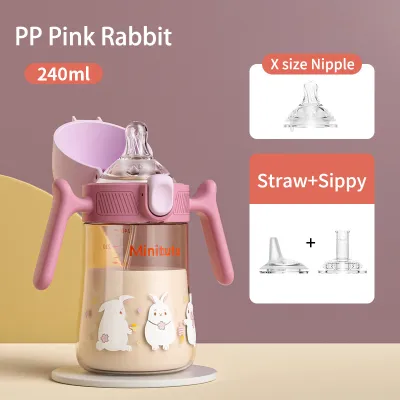
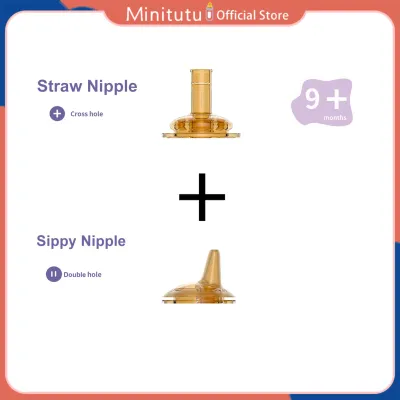
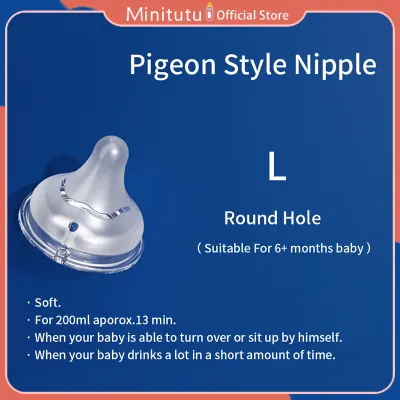
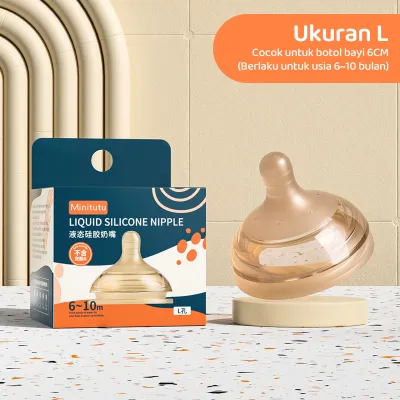
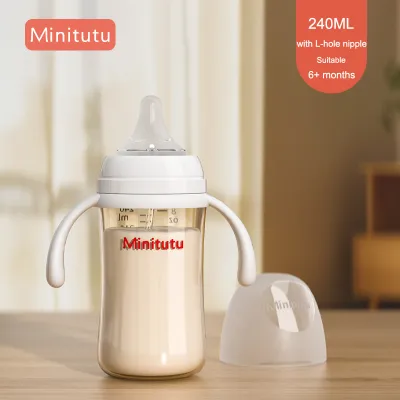
Prices are valid at publication and may change. Please refer to the product page for the latest price.
Decoding Minitutu Bottle Materials: What to Verify on the Label
Navigating the baby product market requires a discerning eye, especially when evaluating newer or trending brands like Minitutu alongside legacy manufacturers. To make an informed decision, you must learn to decode labels and product listings rather than relying on generalized brand reputation. Modern baby brands rarely manufacture only one type of bottle; instead, they typically offer diverse product lines constructed from different materials, including glass, PPSU, and Polypropylene (PP).

When shopping for a Minitutu bottle or any competitor, your first step should be locating the exact material code on the physical packaging, the bottom of the bottle, or the official product listing. Look for clear, unambiguous labeling such as “PPSU,” “Borosilicate Glass,” or “PP.” If a product listing simply says “plastic” without specifying the exact polymer type, treat this as an information gap and verify the details with the manufacturer before allowing it to contact your baby’s milk.
Beyond the base material, you must inspect the packaging for critical safety markers that indicate compliance with international and local food-contact standards. Ensure the label explicitly states the bottle is “BPA-Free” (Bisphenol A) and “BPS-Free” (Bisphenol S), as these chemical compounds can disrupt endocrine systems and are strictly regulated in modern infant products. Additionally, look for compliance markers indicating the product has met rigorous safety testing standards, such as those from the European Committee for Standardization (EN 14350) or the US Food and Drug Administration (FDA).
Caregivers must also carefully review the manufacturer’s specified temperature limits and age-appropriate design warnings. A high-quality material can become a safety hazard if subjected to temperatures beyond its structural limits, leading to warping, micro-cracking, or chemical degradation. In tropical, humid climates like the Philippines, where steam sterilizers and boiling water are frequently used to combat mold and bacterial growth, verifying these thermal thresholds is a non-negotiable step for infant health.
Finally, always purchase your infant feeding gear from authorized distributors, official brand flagship stores, or reputable local baby boutiques. The rise of global e-commerce has made it easier for counterfeit or unverified products to enter the market. Counterfeit bottles may look identical to genuine Minitutu or premium brand bottles but may be manufactured using low-grade industrial plastics that leach harmful chemicals when exposed to heat.
Minitutu vs. Other Brands: A Material-by-Material Breakdown
To understand how Minitutu bottles stack up against other popular brands on the market, we must break down the physical properties, benefits, and trade-offs of the primary materials used in infant bottle manufacturing today. Every material has a specific profile that dictates how it behaves under heat, how long it lasts, and how easy it is for a baby to use safely.
Glass Bottles: Maximum Purity vs. Fragility
Glass remains a favorite among pediatricians and safety-conscious parents due to its unmatched chemical stability. High-quality glass bottles, whether from Minitutu or established competitors, are typically made from borosilicate glass, which is engineered to withstand extreme thermal shock without cracking. This means you can safely transition a glass bottle from a cold refrigerator directly into a warm bottle warmer without risk.
The primary safety benefit of glass is its completely non-porous surface. Unlike plastics, glass does not absorb odors, collect milk fats, or scratch during cleaning. Scratches in baby bottles are not just cosmetic issues; they create microscopic crevices where harmful bacteria can colonize, escaping standard washing procedures. Because glass does not scratch, it maintains a sterile surface far longer than any plastic alternative, making it an excellent choice for newborns with developing immune systems.
However, the practical drawbacks of glass are significant and must be weighed carefully. Glass bottles are heavy, making them difficult for older infants to hold independently, which can delay the development of self-feeding skills. More importantly, glass is fragile; a single drop onto a hard tile floor can shatter the bottle, creating an immediate physical hazard of sharp shards in your home. To mitigate this risk, many parents utilize protective silicone sleeves, which improve grip and absorb minor impacts, though they do not make the bottle entirely unbreakable.
PPSU and PES Plastics: The Durability and Heat Balance
For parents who want the safety benefits of high heat resistance without the weight and fragility of glass, Polyphenylsulfone (PPSU) has become the premium material of choice. PPSU is a medical-grade plastic easily identified by its natural, honey-tinted golden hue. Many premium brands, including Minitutu, utilize PPSU for their top-tier plastic bottle lines because of its exceptional durability and safety profile.
PPSU can withstand repeated sterilization cycles at extremely high temperatures, often up to 180°C (356°F), without undergoing structural or chemical degradation. This is significantly higher than standard plastics, allowing you to sterilize PPSU bottles using steam, boiling water, or UV sterilizers without worrying about the material warping or releasing microplastics into your baby’s milk. Polyethersulfone (PES) is a closely related high-performance plastic that offers similar benefits, though it is slightly less impact-resistant than PPSU.
While PPSU bottles are more expensive than standard plastic options, their longevity often makes them more cost-effective in the long run. They are highly resistant to scratching, staining, and odor retention, meaning they do not need to be replaced as frequently as cheaper plastics. When comparing Minitutu’s PPSU line against other premium brands, always verify the specific heat limits and country of origin for the PPSU material, as some brands source medical-grade polymers from specialized manufacturers to ensure maximum purity.
Polypropylene (PP) and Silicone: Lightweight and Flexible Options
Polypropylene (PP) is the most common and affordable plastic used in baby bottles worldwide. PP bottles are lightweight, completely shatterproof, and widely available across all major brands. They are highly practical for travel or for older babies who are learning to hold their own bottles, as they pose zero risk of injury if dropped.
However, PP has a much lower heat tolerance compared to PPSU, typically topping out around 110°C to 120°C (230°F to 248°F). This lower threshold means that frequent exposure to high-heat sterilization, boiling water, or UV light can cause PP to degrade rapidly. Over time, PP bottles will lose their clarity, become cloudy, develop fine scratches, and begin to retain stubborn milk odors. Because of this rapid wear-and-tear, PP bottles require much more frequent replacement to maintain hygiene standards.
Food-grade silicone is another increasingly popular material, prized for its soft, flexible, and skin-like texture. Silicone bottles are often recommended for breastfed babies transitioning to bottle-feeding, as the squeezable bottle body can mimic the natural feel of breastfeeding. Silicone is highly durable, heat-resistant, and shatterproof, but it has a natural tendency to attract household dust and pet hair due to static electricity. Additionally, silicone is highly porous, meaning it can absorb and retain strong soap or food odors if not cleaned with specialized, fragrance-free baby dishwashing liquids.
Sterilization Compatibility and Wear-and-Tear Signs
Maintaining the safety of your baby’s bottles goes far beyond choosing the right material; it requires a consistent, correct sterilization routine and regular physical inspections. In a warm, humid environment like the Philippines, bacteria and mold can multiply rapidly on damp surfaces, making thorough drying and proper sterilization critical steps in your daily routine.
Different bottle materials react differently to various sterilization methods, and using the wrong method can ruin your bottles or compromise their safety. Consider the following compatibility guidelines:
- Boiling Water: This traditional method is highly effective and safe for borosilicate glass, PPSU, and food-grade silicone. However, when boiling PP bottles, you must ensure they do not touch the hot metal sides or bottom of the pot, as this localized heat can exceed their melting point and cause permanent warping.
- Electric Steam Sterilizers: These devices use high-temperature steam to sanitize bottles and are generally safe for all major bottle materials. Ensure that all components, including collars, caps, and silicone nipples, are rated for at least 100°C (212°F) before placing them inside.
- UV Sterilizers: While highly convenient, UV light can accelerate the degradation of certain plastics. PP and PES plastics are particularly vulnerable to UV exposure, which can cause them to become brittle, yellow, or cloudy much faster than normal. If you plan to use a UV sterilizer, check the manufacturer's guidelines for both the sterilizer and your Minitutu or competitor bottles to ensure UV compatibility.
Caregivers must establish a habit of inspecting every bottle component before each feeding. Look for clear visual and tactile signs of wear that indicate a bottle or nipple has reached the end of its safe lifespan:
- Deep Scratches: Run your finger along the inner walls of plastic bottles. If you feel deep scratches or rough patches, discard the bottle immediately, as these areas can harbor harmful bacteria that standard washing cannot remove.
- Persistent Cloudiness: If a PP or PPSU bottle remains cloudy or discolored even after a thorough wash and dry, the plastic has begun to degrade structurally and should be replaced.
- Texture Changes: Inspect silicone nipples and bottle bodies for signs of stickiness, tackiness, or brittleness. These changes indicate that the silicone polymer is breaking down, posing a risk of tearing or releasing particles.
- Lingering Odors: If a bottle retains a strong, sour milk smell or a chemical soap odor despite proper cleaning, the material has absorbed organic compounds and is no longer hygienic for infant use.
Always remember that no bottle or nipple is designed to last forever. While glass bottles can last indefinitely if they remain free of chips or cracks, plastic and silicone components have finite lifespans. As a general rule, replace silicone nipples every 2 to 3 months, or immediately if you notice a change in the flow rate or physical wear. Defer to the specific replacement timelines and maintenance instructions provided by the manufacturer of your selected bottle system.
Final Verdict: How to Choose the Right Bottle for Your Baby
Selecting the ideal baby bottle involves balancing your baby’s developmental needs with your household’s lifestyle and budget. By understanding the distinct properties of Minitutu bottles and other leading brands, you can use the following decision framework to choose the material that best fits your family’s unique situation.
Choose Borosilicate Glass if:
- Your baby is a newborn or young infant who is entirely fed by an adult caregiver.
- You prioritize absolute chemical purity and want a material that is completely inert and scratch-resistant.
- You want a long-term investment that can be sterilized repeatedly without any material degradation or microplastic concerns.
- You do not mind the heavier weight and are willing to handle the bottle carefully to prevent accidental drops.
Choose PPSU (Minitutu or Premium Brands) if:
- Your baby is transitioning to self-feeding and needs a lightweight, completely shatterproof bottle.
- You want a durable plastic bottle that can withstand high-temperature steam, boiling, or UV sterilization without warping.
- You are willing to pay a higher upfront price for a premium plastic that resists scratching, staining, and odor retention far better than standard PP.
- You need a reliable, rugged bottle for travel, daycare, or active outdoor use.
Choose Polypropylene (PP) if:
- You are working within a strict budget and need an affordable, widely accessible feeding solution.
- You require ultra-lightweight bottles for travel or diaper bag storage.
- You are diligent about inspecting your baby's gear and are willing to replace the bottles every few months as they show signs of wear.
Choose Food-Grade Silicone if:
- Your baby is breastfed and experiences nipple confusion or bottle rejection with standard rigid bottles.
- You want a soft, squeezable bottle that mimics the natural feel of breastfeeding.
- You are prepared to clean the bottles with fragrance-free soap and store them carefully to prevent dust accumulation.
Ultimately, the “best” baby bottle is not determined by price or brand prestige alone. It is the bottle that your baby accepts without fuss, that delivers a consistent and comfortable milk flow, and that you can clean, sterilize, and maintain safely and easily within your daily routine. Observe your baby’s feeding cues, monitor their comfort during and after feeds, and do not hesitate to consult a pediatrician or lactation consultant if you experience persistent feeding difficulties.
Frequently Asked Questions (FAQ)
Can I mix different bottle materials for my baby?
Yes, mixing different bottle materials is a highly practical and safe strategy used by many parents. For example, you may choose to use heavy, ultra-hygienic glass bottles for overnight or morning feeds at home, while keeping lightweight, shatterproof PPSU or PP bottles in your diaper bag for travel and daycare. When mixing materials, the most important factor is maintaining consistency in the nipple shape and flow rate. Using vastly different nipple styles across different brands can confuse your baby, potentially leading to nipple preference or feeding aversion.
How often should I replace PPSU or plastic baby bottles?
While PPSU is incredibly durable and heat-resistant, all plastic baby bottles have a limited lifespan. Under normal daily use and sterilization conditions, PPSU bottles should generally be replaced every 6 to 12 months, while standard PP bottles should be replaced every 4 to 6 months. However, you should ignore these general timelines and replace any bottle immediately if you observe physical signs of degradation, such as deep scratches, permanent cloudiness, warping, or persistent odors. Always check the manufacturer’s specific instructions printed on the product packaging for their recommended replacement lifecycle.

Community discussion
Share your experience or ask a question. Comments are reviewed before publication.