
Finding the right diaper for an active toddler who is constantly crawling, walking, or running requires balancing fit, absorbency, and skin comfort. While Millie Moon XXL is often noted for its premium materials and high capacity, established brands like Pampers and Huggies offer reliable everyday performance, and Equator provides a budget-friendly alternative. Because every toddler has a unique body shape and movement pattern, there is no single universal winner. Instead, the best choice depends on your child’s specific proportions, skin sensitivity, and your family’s budget. This guide breaks down the key decision factors to help you evaluate these brands and select the most suitable option for your active toddler.
Evaluating Fit and Stretch for Active Movement
An active toddler requires a diaper that moves like a second skin. When evaluating fit, the first physical feature to inspect is the waistband stretch. Premium diapers like Millie Moon XXL often feature a wide, high-waisted band designed to sit comfortably above the hips, reducing the likelihood of the diaper sliding down during active play. In contrast, Pampers and Huggies typically utilize highly elastic, contoured side panels that stretch dynamically with every twist and turn, offering a snug fit around the waist without restricting deep bending.
Leg cuffs are another critical barrier against leaks during high-movement activities. Look for double-layered leg gathers that gently hug the contours of your toddler’s thighs. If your toddler has chunky thighs, a diaper with softer, wider leg bands like Millie Moon may prevent red friction marks. For toddlers with a more slender build, the tighter, more elasticized leg cuffs found in Pampers or Huggies may provide a more secure seal to prevent gaps when they run. Equator diapers generally offer a more traditional, straightforward elastic design that works well for standard body shapes but may require more frequent adjustments on highly active or uniquely built toddlers.
Products mentioned in this guide
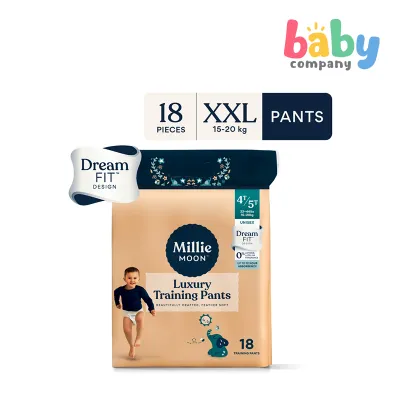
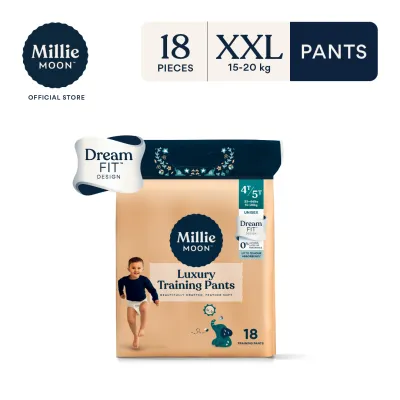
Prices are valid at publication and may change. Please refer to the product page for the latest price.
It is essential to remember that diaper sizing is not standardized across manufacturers. An “XXL” in one brand does not automatically correspond to a “Size 6” or “XXL” in another. Always consult the specific weight guidelines and size charts printed on the packaging. If your toddler is near the upper limit of a weight range, or if you notice the fastening tabs are sitting too far outward on the hips, it is usually time to size up to ensure adequate coverage and flexibility.
Checking Absorbency and Leak Protection During Play
Absorbency is about more than just how much liquid a diaper can hold; it is about how quickly that liquid is drawn away from the skin and locked in place during movement. Most modern disposable diapers utilize a blend of superabsorbent polymer (SAP) and wood pulp to trap moisture. Brands like Millie Moon XXL focus on a thick, high-capacity absorbent core designed to handle large volumes of liquid, making them popular for long outings. Pampers and Huggies often employ specialized distribution channels that spread wetness evenly throughout the core, preventing the liquid from pooling in one spot.

Active play can cause a wet diaper to sag, bunch, or shift between the toddler’s legs. When a diaper bunches, the absorbent core pulls away from the body, creating empty spaces where urine can easily bypass the leg cuffs. During your toddler’s daily activities, observe how the diaper holds up after they wet it. If you notice significant sagging or if the core clumps into heavy lumps when your child runs, the diaper’s structural integrity may not be matching their activity level.
To avoid the frustration of buying a large box of diapers that leak, always perform a short trial run. Purchase a small pack of your chosen brand first and observe its performance during your toddler’s most active hours. This allows you to test the real-world leak protection and structural stability of the diaper during climbing, jumping, and running before committing to a bulk purchase.
Assessing Comfort, Breathability, and Skin Health
In warm and humid tropical climates, maintaining skin health inside a diaper is a constant battle. Active play generates heat and sweat, which can quickly lead to diaper rash if moisture is trapped against the skin. The top sheet—the layer in direct contact with your toddler’s skin—should feel soft and dry to the touch. Millie Moon XXL is widely recognized for its exceptionally soft, cotton-like top sheet, which minimizes friction against delicate skin. Pampers and Huggies also offer soft inner liners, often featuring unique textures designed to pull loose stool away from the skin.
Breathability is determined by the materials used in the outer cover of the diaper. A breathable outer layer allows hot air and vapor to escape while keeping liquid contained. When shopping, look for packaging labels that specify breathable materials, hypoallergenic properties, or fragrance-free formulations. If your toddler has sensitive skin, avoiding added fragrances and lotions is a prudent step to minimize the risk of contact dermatitis.
Caregivers should establish a routine of checking the toddler’s skin during diaper changes. Look for localized redness, heat, or chafing around the waistband and leg creases after a few hours of active play. If redness consistently appears in these areas, it may indicate that the diaper’s materials are not breathing sufficiently or that the friction from movement is too intense, suggesting a need to try a different brand or size.
Comparing Price, Value, and Size Availability
Managing the household budget requires a careful look at the cost per piece of diapers, especially as toddlers grow into larger sizes where the count per pack decreases. In the local market, premium diapers like Millie Moon XXL generally carry a higher price per unit, often ranging from ₱20 to ₱35 or more per piece depending on the retailer. Pampers and Huggies occupy a mid-to-high price tier, offering a balance of advanced features and moderate pricing, with frequent promotional discounts available. Equator stands out as a highly budget-friendly alternative, offering a lower cost per piece that makes frequent daytime changes highly economical.
While budget-friendly bulk packs from brands like Equator can significantly reduce your monthly diaper expenses, it is important to balance cost with performance. A cheaper diaper that requires twice as many changes due to leaks or sagging may not save money in the long run. Conversely, using a premium diaper exclusively for daytime wear when changes are frequent might unnecessarily strain your budget. Many families find success by using a mix of brands, reserving high-capacity diapers for nighttime or travel and budget-friendly options for active daytime hours.
Availability is another crucial factor to consider. Larger sizes like XXL or Size 6 can sometimes be difficult to find in smaller local supermarkets. Before settling on a specific brand, check its availability at your local grocery stores or official brand stores on major e-commerce platforms. Ensuring a reliable supply chain prevents the inconvenience of having to switch brands abruptly when your toddler runs out of diapers.
How to Choose the Right Diaper for Your Toddler
Selecting the best diaper for your active toddler comes down to aligning your child’s physical needs with your family’s daily routine and budget. If your priority is premium softness, a generous cut, and high absorbency for longer periods between changes, and you have a flexible budget, Millie Moon XXL is an excellent candidate. Its plush materials provide exceptional comfort for toddlers prone to skin friction.
If you prefer a diaper with proven, dynamic stretch that stays securely in place during intense running and climbing, Pampers or Huggies are reliable choices. These brands are widely available, making them easy to restock, and their specialized moisture-distribution channels help prevent sagging during active play.
If your toddler does not have highly sensitive skin and you prefer to change diapers frequently throughout the day to maintain hygiene, Equator offers a highly cost-effective solution. This budget-friendly option allows you to manage diapering costs without hesitation, making it ideal for active daytime wear at home.
Before purchasing any brand in bulk, always buy a small sample pack to verify how the diaper fits your toddler’s unique body proportions. Testing a small quantity first ensures the waistband and leg cuffs seal properly without causing redness, saving you both money and laundry hassle.
Frequently Asked Questions (FAQ)
When should I transition my toddler to XXL or Size 6 diapers?
You should consider transitioning your toddler to a larger size when you notice physical signs of a tight fit, such as red marks around their waist or thighs. Frequent leaks, blowout incidents, or the diaper failing to cover their backside completely are also clear indicators. While the weight guidelines on the packaging serve as a helpful starting point, your toddler’s actual body shape and comfort should always take priority over the printed numbers.
Do active toddlers need different diapers for daytime and nighttime?
Many caregivers find that using different diapers for day and night offers the best balance of comfort and leak protection. During the day, active toddlers benefit from lightweight, highly flexible diapers that allow for unrestricted movement and breathability. For nighttime, prioritizing maximum absorbency is key; using a dedicated overnight diaper or simply sizing up your toddler’s regular diaper can help absorb larger volumes of liquid and ensure uninterrupted sleep.

Community discussion
Share your experience or ask a question. Comments are reviewed before publication.