
Finding the right diaper for a baby with sensitive skin is a journey of trial and observation, especially in hot and humid tropical climates. While many brands market themselves as hypoallergenic or gentle, the actual performance of a diaper depends heavily on its material composition, breathability, and how well it fits your baby’s unique shape. For parents comparing Millie Moon, Pampers, Huggies, and Equator, the decision involves weighing premium material claims against everyday accessibility and cost.
To protect your baby’s delicate skin barrier, you must look beyond brand names and focus on verifiable product specifications. Diaper rash and contact dermatitis are often triggered by trapped moisture, friction, or sensitivity to added chemicals. By understanding how each of these four brands handles wetness and airflow, you can make an informed choice that keeps your baby comfortable and rash-free.
Key Factors for Evaluating Sensitive Skin Diapers
When evaluating any diaper brand for a baby prone to skin irritation, the ingredient list and manufacturing process should be your first checkpoints. Many standard diapers use elemental chlorine gas for bleaching, which can leave trace chemical residues. For sensitive skin, look for diapers labeled as elemental chlorine-free (ECF) or totally chlorine-free (TCF). Additionally, added fragrances, synthetic lotions, and heavy dyes are common contact allergens that can easily irritate a baby’s skin when mixed with sweat and urine.
Products mentioned in this guide
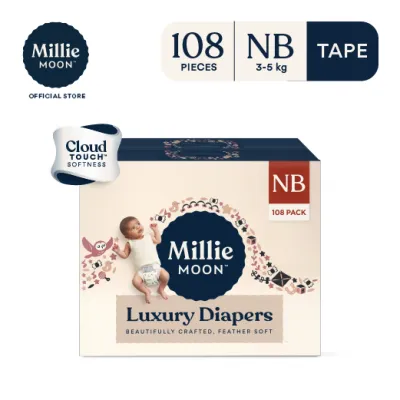
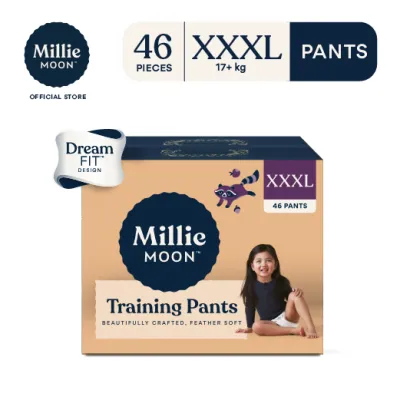
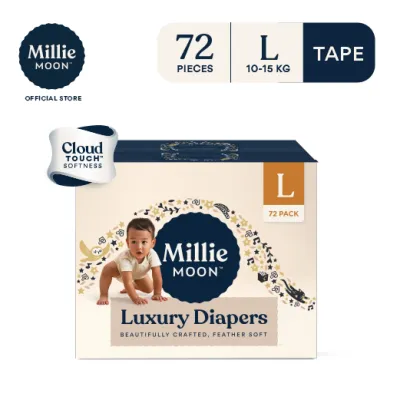
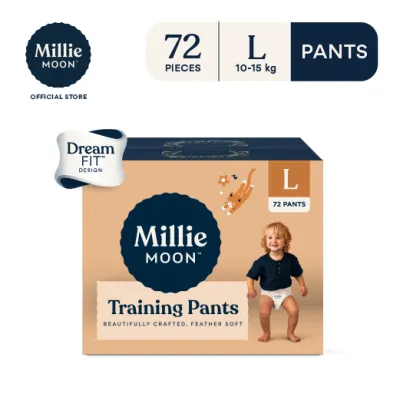
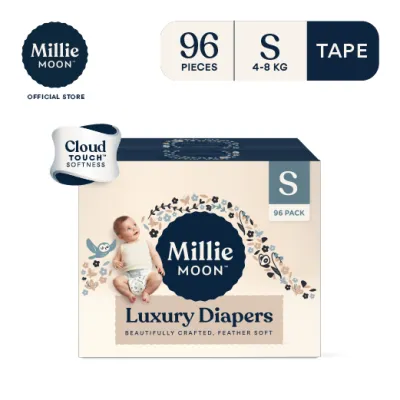
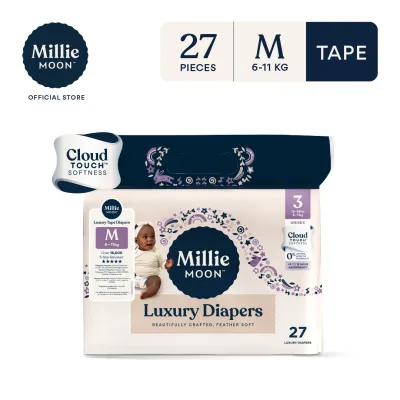
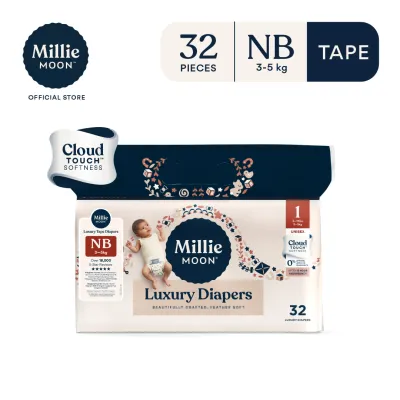
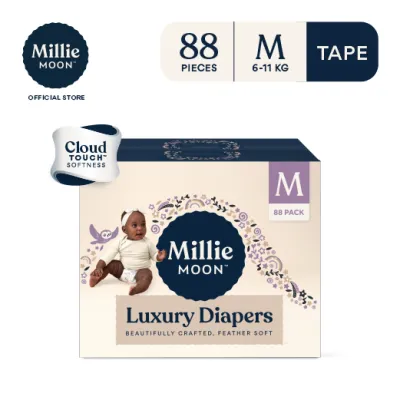
Prices are valid at publication and may change. Please refer to the product page for the latest price.
Breathability is another critical factor, particularly in warm climates where heat rash is common. A diaper’s outer cover must allow air to circulate while keeping liquid contained. If a diaper lacks adequate ventilation, the humidity inside the diaper rises rapidly, softening the baby’s skin and making it highly susceptible to friction and bacterial growth. You can evaluate breathability claims by checking the packaging for mentions of microporous outer layers or breathable back sheets.
Finally, the speed of absorption and wetness lock-in determines how dry the skin remains between changes. High-quality superabsorbent polymers (SAP) draw liquid away from the surface and lock it into the core. However, the top sheet—the layer in direct contact with your baby’s skin—must also dry quickly. If the top sheet remains damp, even the most absorbent core will fail to prevent diaper rash.
Feature Comparison: Millie Moon vs. Mainstream Brands
To choose the right diaper, you need to compare how these four brands construct their products and what materials they use. Each brand targets a slightly different segment of the market, from premium eco-conscious designs to highly accessible mainstream options.

Material and Top Sheet
When you open a diaper pack, inspect the inner lining. Millie Moon is widely recognized for its exceptionally soft, feather-like top sheet, which is designed to minimize friction against sensitive skin. It often markets a clean ingredient profile, claiming to be free from lotions, latex, and fragrances. Mainstream brands like Pampers and Huggies offer specialized sensitive lines—such as Pampers Premium Care or Huggies Natural Soft—which feature embossed top sheets designed to absorb runny mess quickly while keeping the skin dry. Equator, typically positioned as a budget-friendly option, focuses on functional softness but may not feature the same advanced textured top sheets found in premium lines. Always check the packaging of the specific variant you purchase to verify if it is free from added fragrances and lotions.
Breathability and Fit
A diaper’s fit is just as important as its materials. If a diaper is too tight, the elastic waistbands and leg cuffs will rub against the skin, causing red marks and friction rashes. Millie Moon diapers feature a high-waisted design with a wide, stretchy waistband and double leg cuffs, which help distribute pressure evenly and prevent leaks. Pampers and Huggies utilize highly elastic side tabs and contoured fits that adapt to active babies, reducing the risk of chafing during movement. Equator diapers generally offer standard elastication, which requires careful sizing adjustments to ensure a secure yet comfortable fit. In tropical conditions, ensuring a slightly looser fit can help improve airflow around the waist and thighs.
Wetness Management
Managing wetness is crucial for preventing diaper dermatitis. Millie Moon utilizes a high-absorbency core designed to lock away moisture for extended periods, making it a popular choice for overnight wear. Pampers is known for its channel technology, which distributes liquid evenly across the diaper to prevent sagging and keep the surface dry. Huggies features rapid-absorb cores that quickly draw wetness away from the skin. Equator relies on standard absorbent cores that perform well for daytime use but may require more frequent changes to maintain skin dryness. Most variants across these brands include a wetness indicator—a color-changing line on the outside of the diaper—which helps caregivers identify when a change is needed without opening the diaper.
| Brand & Line | Fragrance & Lotion Claims | Chlorine Processing | Wetness Indicator | Key Fit Features |
|---|---|---|---|---|
| Millie Moon Luxury Diapers | Fragrance-free, lotion-free | Certified TCF (Totally Chlorine Free) | Yes | High-waisted, wide elastic waistband, double leg cuffs |
| Pampers Premium Care / Sensitive | Hypoallergenic, mild lotion options | ECF (Elemental Chlorine Free) | Yes | Stretchy sides, contoured fit, wetness-absorbing channels |
| Huggies Natural Soft / Clean Care | Fragrance-free, no added parabens | ECF (Elemental Chlorine Free) | Yes | Pocketed waistband, flexible side tabs, snug fit |
| Equator Standard / Dry | Check specific packaging labels | Standard processing | Varies by variant | Standard elastic waist and leg cuffs |
Evaluating Cost and Accessibility
Managing a household budget requires balancing the cost of premium baby care products with their performance. In the Philippines, diaper prices can vary significantly depending on the brand’s positioning, import status, and where you purchase them.
Premium diapers like Millie Moon are generally positioned at a higher price point, often costing between ₱15 and ₱25 or more per piece, depending on the size and retailer. Because they are often imported or sold through specialty baby boutiques and select online marketplaces, they may not be as readily available in local neighborhood supermarkets. This higher cost and limited accessibility mean parents must plan their purchases in advance to avoid running out.
In contrast, Pampers and Huggies offer a wide range of product lines at various price points, typically ranging from ₱8 to ₱18 per piece. These brands are highly accessible and can be found in almost every supermarket, department store, and local convenience store across the country. Equator represents a highly budget-friendly option, often costing between ₱5 and ₱10 per piece. This makes Equator highly accessible for families looking to minimize daily diapering expenses, though it may require more frequent changes.
Before committing to a bulk purchase of any new diaper brand, always look for trial packs or small travel packs. Testing a small pack of 10 to 12 diapers allows you to evaluate the fit and skin compatibility without risking a large financial investment. Additionally, ensure you purchase from authorized local retailers or official brand flagship stores on online marketplaces to avoid counterfeit products, which may use substandard materials that can harm your baby’s skin.
Safe Testing and Transition Protocol
When introducing a new diaper brand to a baby with sensitive skin, a gradual and cautious approach is essential to prevent widespread skin irritation.
Start by purchasing a small trial pack of the new brand. Begin the transition during the day when your baby is active and you can monitor their skin closely. Change the diaper every two to three hours, and inspect the skin during each change. Look for any early signs of contact dermatitis, such as localized redness, small red bumps, or dry, rough patches where the diaper contacts the skin.
Pay close attention to friction points, particularly around the thighs, groin creases, and waistband. If you notice red marks that do not fade within 15 minutes of removing the diaper, the fit may be too tight, or the elastic material may be causing friction. Do not use the new diaper for overnight wear until your baby has worn it successfully during the day for at least three to five days without any signs of irritation.
If you observe persistent redness, swelling, or a worsening rash, discontinue use of the new diaper immediately and revert to your previous trusted brand. Keep the affected area clean and dry, and apply a thin layer of a gentle barrier cream. If the rash does not improve within a few days, or if it develops blisters, pus, or causes your baby significant discomfort, consult a pediatrician or a pediatric dermatologist for proper diagnosis and treatment.
Final Decision Guide
Choosing the right diaper for your baby’s sensitive skin ultimately depends on your baby’s unique skin tolerance, your household budget, and product availability.
You should consider choosing Millie Moon if your baby has highly sensitive skin, you prioritize premium material claims like totally chlorine-free processing, and you have the budget and access to source these diapers consistently through specialty retailers or online platforms. The ultra-soft texture and generous fit make it an excellent option for babies who experience frequent friction rashes from standard diapers.
Pampers or Huggies are excellent choices if you require a reliable, highly accessible diaper with dedicated sensitive-skin variants. These brands offer consistent sizing, advanced wetness-distribution technologies, and are easily found in local supermarkets. They are ideal for busy parents who want a balance of skin-friendly features and the convenience of buying diapers during regular grocery runs.
Equator is a suitable option if budget constraints are your primary consideration. If you choose Equator, make sure to check the specific packaging labels to ensure the variant is free from added fragrances or dyes. Because budget-friendly diapers may have slightly lower absorbency limits, you should plan to change your baby more frequently to prevent moisture buildup.
Before making any final decision, verify if your baby has a diagnosed skin condition, such as eczema or severe atopic dermatitis. In such cases, consult your pediatrician or pediatric dermatologist first. They can provide personalized recommendations and advise you on whether your baby requires medical-grade barrier protection or a specific diapering routine to manage their condition safely.
Frequently Asked Questions (FAQ)
Can I use barrier creams with Millie Moon, Pampers, Huggies, or Equator?
Yes, you can use barrier creams with all of these diaper brands, but proper application is key to maintaining the diaper’s performance. Always check the manufacturer’s guidelines on the diaper packaging or official website regarding cream compatibility. When applying a barrier cream, use a thin, even layer and ensure your baby’s skin is completely dry before putting on the diaper. Applying too much cream can cause the excess product to transfer to the diaper’s top sheet. This can clog the absorbent pores of the lining, creating a waterproof barrier that prevents the diaper from absorbing urine, ultimately leading to leaks and increased skin irritation.

Community discussion
Share your experience or ask a question. Comments are reviewed before publication.