
Using fluoride toothpaste is safe and highly recommended for your baby’s milk teeth, provided you use the correct, age-appropriate amount and concentration. While many parents worry about the safety of introducing fluoride at such a young age, dental professionals emphasize that early protection is vital for preventing tooth decay. In tropical climates like the Philippines, where sweet tropical fruits, juices, and sugary snacks are common parts of a family’s daily diet, safeguarding young teeth from cavities is a crucial daily task. Understanding how to balance effective cavity prevention with safe usage is the key to managing your child’s early oral health.
Many parents wonder if they should wait until their child is older to start using fluoride. However, dental guidelines suggest starting as soon as the very first tooth erupts. By managing the portion size and choosing the right product, you can protect your baby’s developing smile while completely avoiding the risks associated with swallowing too much toothpaste. This guide will help you navigate the transition to fluoride toothpaste, understand the science behind enamel protection, and establish a safe, stress-free brushing routine.
Why Fluoride Matters for Milk Teeth
Milk teeth, or primary teeth, play a fundamental role in your child’s overall development, yet they are surprisingly fragile. The outer layer of a baby tooth, known as the enamel, is much thinner and softer than the enamel on permanent adult teeth. This structural difference makes milk teeth highly susceptible to rapid decay, often referred to as early childhood caries. Once decay starts in a baby tooth, it can progress quickly through the thin enamel to the deeper layers of the tooth, causing pain, infections, and eating difficulties for your little one.
Products mentioned in this guide
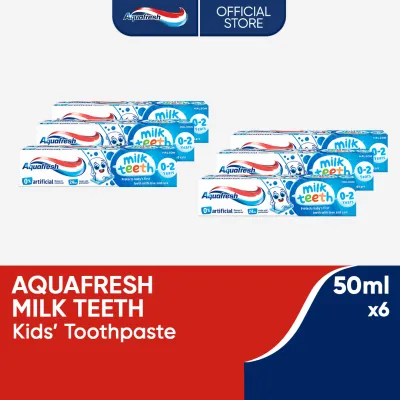
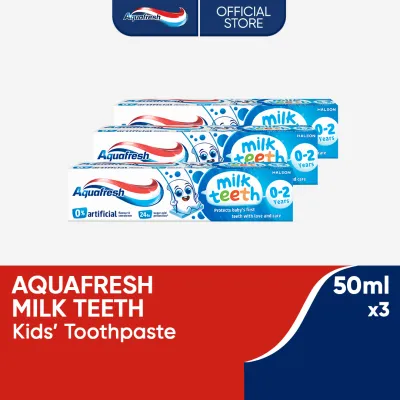
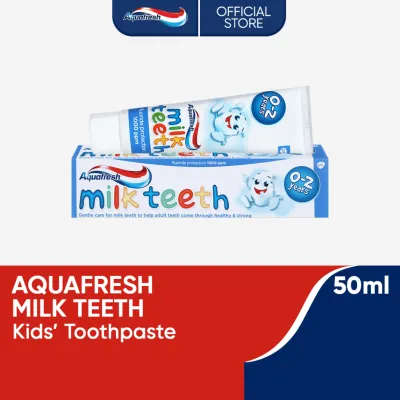
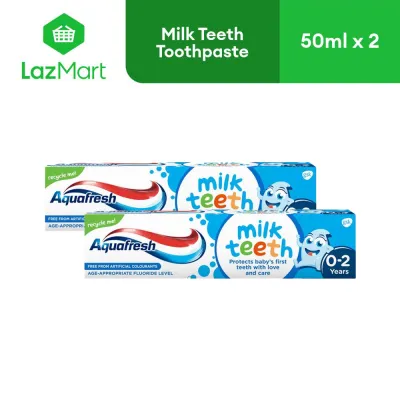
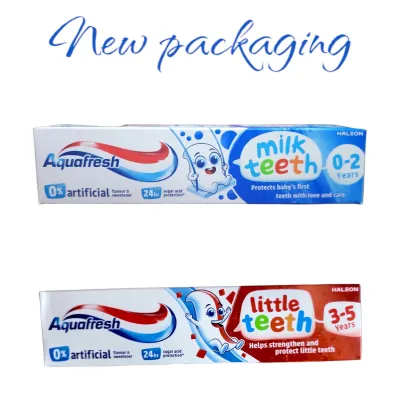


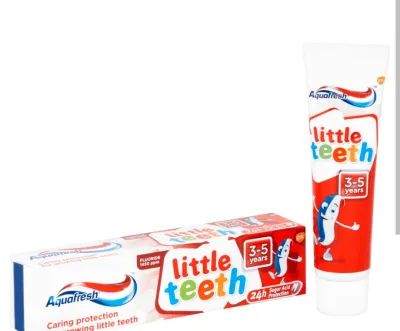
Prices are valid at publication and may change. Please refer to the product page for the latest price.
Fluoride acts as a natural shield for this delicate enamel. When applied topically through brushing, fluoride bonds with the minerals in the tooth surface, a process known as remineralization. This process not only strengthens weak spots before they turn into actual cavities but also makes the enamel significantly more resistant to the acid attacks produced by plaque bacteria and dietary sugars. By introducing fluoride early, you help fortify this thin protective layer against daily wear and tear.
Protecting milk teeth is not just about avoiding temporary cavities; it is essential for the future of your child’s mouth. Primary teeth serve as natural space maintainers for the permanent teeth growing beneath the gums. If a baby tooth is lost too early due to severe decay, the surrounding teeth can shift into the empty space, leading to crowding, misalignment, and complex orthodontic issues when the permanent teeth finally erupt. Keeping milk teeth healthy ensures proper jaw development, clear speech patterns, and comfortable chewing.
Safety Concerns: Fluorosis and Swallowing Risks
The primary concern parents have regarding fluoride is the risk of dental fluorosis. Fluorosis is a cosmetic condition that affects the appearance of the tooth enamel, typically presenting as faint white lines, streaks, or spots on the teeth. It occurs when young children swallow excessive amounts of fluoride over a prolonged period while their permanent teeth are still actively developing under the gums. It is important to note that fluorosis is not a disease and does not affect the physical health or strength of the teeth, but it can impact the appearance of their future adult smile.

The risk of developing fluorosis is directly tied to the cumulative amount of fluoride a child swallows over time, rather than the mere presence of fluoride in their toothpaste. Because infants and toddlers have not yet developed the coordination required to spit out toothpaste foam reliably, they naturally swallow a significant portion of what is placed on their toothbrush. This is why controlling the portion size and supervising every brushing session are the most critical safety measures a parent can take.
To minimize ingestion risks, parents must take full control of the toothpaste tube. Never let your toddler apply the toothpaste themselves or play with the tube, as they may be tempted to eat it due to the pleasant, sweet flavors often used in children’s products. Always store oral care products out of reach of curious hands. By carefully measuring the toothpaste and actively teaching your child to spit out the excess foam as they grow, you can easily keep their fluoride intake within safe, beneficial limits.
Choosing the Right Milk Teeth Toothpaste
Selecting the right toothpaste for your baby requires looking past colorful packaging and cartoon characters. Parents must carefully evaluate the product labels to ensure the formulation matches their child’s specific developmental stage and age. Not all children’s toothpastes are created equal; some are formulated for infants, while others are designed for older children who can spit reliably.
Because every child’s oral health needs are unique, it is highly recommended to consult a pediatric dentist early on. A professional can assess your baby’s specific cavity risk, taking into account their diet, brushing habits, and the level of fluoride in your local drinking water. This personalized assessment will help you determine the exact fluoride concentration and brushing frequency that will best protect your child’s teeth without exceeding safe limits.
Checking Fluoride Concentration on Labels
When shopping for a milk teeth toothpaste, turn the packaging over to inspect the active ingredients list and technical specifications. The fluoride concentration is typically measured in parts per million (ppm) or expressed as a percentage of sodium fluoride or sodium monofluorophosphate. For infants and young toddlers, pediatric dental associations often recommend toothpastes with a lower fluoride concentration, usually around 500 ppm to 1000 ppm, depending on local guidelines and individual risk factors.
Always cross-reference the product’s stated age range with your child’s actual physical abilities. If a product is labeled for children aged three and older, it likely contains a higher concentration of fluoride (often 1000 ppm to 1450 ppm) and stronger abrasives that may not be suitable for an infant who cannot yet spit. Look for reputable safety seals or certifications from local or international dental associations on the box, which verify that the product has been formulated specifically with early childhood safety standards in mind.
Evaluating Fluoride-Free vs. Fluoride Options
Fluoride-free training toothpastes are popular options for parents who want to establish a brushing routine before their baby’s first teeth emerge. These products are designed to be completely safe if swallowed, making them useful for teaching infants the physical sensation of having a toothbrush in their mouth and building a daily habit. They often rely on mild cleaning agents and pleasant flavors to make the experience enjoyable for babies.
However, parents must understand the limitations of fluoride-free toothpastes. While they are excellent for cleaning away loose food particles and plaque, they do not offer active cavity protection or enamel remineralization. Once those first milk teeth erupt, relying solely on fluoride-free options leaves the thin enamel vulnerable to decay, especially if the child frequently consumes milk, formula, or fruit purees before bedtime.
The transition from a fluoride-free training toothpaste to a fluoride-containing milk teeth toothpaste should ideally occur as soon as the first tooth appears, or as advised by your pediatric dentist. If your baby has a high risk of cavities, starting with a tiny, controlled smear of fluoride toothpaste immediately is often the safest path to prevent early decay. If you choose to start with fluoride-free options, discuss a clear transition plan with your dentist to ensure your child’s teeth are not left unprotected for too long.
Safe Brushing Practices and Portion Control
Implementing strict portion control is the single most effective way to ensure your baby enjoys the benefits of fluoride without any safety risks. Visual guides are incredibly helpful for parents to gauge the correct amount of toothpaste to use. For infants and toddlers under the age of three—or any child who cannot yet spit out toothpaste reliably—the correct portion is a tiny “smear” or an amount no larger than a single grain of dry rice. This minuscule amount provides enough fluoride to protect the teeth locally while remaining completely safe if swallowed.
Once your child reaches the age of three and has learned how to spit out the foam consistently, you can increase the portion to a pea-sized amount. Even at this stage, supervision remains essential. Encourage your child to brush thoroughly but remind them to spit out the excess toothpaste rather than swallowing it. Making a game out of spitting can help reinforce this habit, turning a safety practice into a fun part of their morning and evening routines.
+----------------------------------+----------------------------------+
| Age Group                        | Recommended Toothpaste Amount    |
+----------------------------------+----------------------------------+
| Under 3 Years (Cannot Spit)      | Smear / Grain of Rice Size       |
+----------------------------------+----------------------------------|
| 3 to 6 Years (Can Spit)          | Pea-Sized Amount                 |
+----------------------------------+----------------------------------+
To brush your baby’s teeth safely, position yourself comfortably. Try cradling your baby’s head gently in your lap while sitting on the floor, or stand behind your toddler while looking into a mirror together. Use a toothbrush specifically designed for infants, featuring an ultra-small head and extremely soft bristles. Gently brush all surfaces of the teeth using small, circular motions, paying close attention to the gumline where plaque tends to accumulate.
Accidents can happen, and a curious toddler might occasionally get hold of a tube and swallow a larger amount of toothpaste. If your child swallows a small extra smear during brushing, there is no need to worry. However, if they ingest a significant amount—such as squeezing and eating a large portion of a tube—take immediate action. Wipe their mouth clean, offer them a glass of water or milk (calcium in milk binds with fluoride to reduce absorption), and contact your pediatrician, a local hospital, or a poison control center for guidance.
When to Seek Professional Dental Advice
Establishing a relationship with a pediatric dentist early in your child’s life is one of the best steps you can take for their long-term oral health. Dental associations generally recommend scheduling your baby’s first dental visit by their first birthday, or within six months of the eruption of their very first tooth. This initial visit is less about intensive cleaning and more about checking jaw development, assessing cavity risk, and helping your baby get comfortable with the dental clinic environment.
Parents should also regularly inspect their baby’s teeth at home. Look out for early signs of tooth decay, which often appear as chalky white spots, dull lines near the gumline, or yellowish-brown stains on the tooth surfaces. If you notice any discoloration, rough patches, or if your baby shows signs of mouth sensitivity or pain while eating, schedule a professional evaluation immediately. Early intervention can stop decay in its tracks before it requires invasive treatment.
Finally, use your dental visits to get personalized advice on fluoride exposure. Your dentist can help you evaluate your household’s primary drinking water source. In the Philippines, water sources vary widely between municipal tap water, deep wells, and commercial purified bottled water. Because bottled and highly filtered water often lack fluoride, your dentist can provide tailored recommendations on whether your child needs a specific fluoride toothpaste concentration to balance their overall daily intake.
Frequently Asked Questions (FAQ)
Can I use adult toothpaste for my baby if I use a tiny amount?
No, you should avoid using adult toothpaste for infants and young children. Adult formulations typically contain much higher concentrations of fluoride, which can easily exceed safe limits for a baby who cannot spit. Additionally, adult toothpastes often contain stronger abrasive agents designed to remove stubborn stains from mature enamel, which can wear down the thin, delicate enamel of milk teeth. They also frequently feature intense mint flavors or artificial sweeteners that can cause a burning sensation or discomfort in a baby’s sensitive mouth.
What should I do if my baby refuses to let me brush their teeth?
Brushing resistance is a very common phase for toddlers, but consistency is key. Try turning brushing into a playful game by singing a favorite song, using a colorful toothbrush with their favorite character, or letting them brush the teeth of a favorite stuffed animal first. You can also let your baby hold a spare toothbrush to keep their hands busy while you do the actual cleaning with another brush. If the resistance continues to make thorough cleaning impossible, consult your pediatric dentist for practical, hands-on positioning techniques and advice.
Is it safe to use fluoride toothpaste if our tap water is fluoridated?
Yes, it is generally safe, but it requires careful portion management. Dental professionals take your child’s total fluoride exposure from all sources—including drinking water, food, and oral care products—into account when making recommendations. Because the recommended portion for babies is so small (a tiny smear), the risk of overexposure remains extremely low even in areas with fluoridated tap water. Always inform your pediatric dentist about your primary household water source so they can customize your child’s oral care plan accordingly.

Community discussion
Share your experience or ask a question. Comments are reviewed before publication.