
Traveling with an infant requires careful planning, especially when it comes to keeping breast milk or formula fresh. In a warm and humid tropical climate like the Philippines, temperature control becomes your top priority. The right milk storage setup depends on how long you will be away, your mode of transport, and how you feed your baby. By matching your gear to your specific itinerary, you can keep your baby fed safely without carrying unnecessary weight.
Assessing Your Travel Needs: Duration and Transit Mode
Before packing, calculate the total volume of milk your baby will need during transit. Consider your baby’s age, typical feeding intervals, and the total duration of the journey, adding a buffer for unexpected delays. If you are traveling by car along busy highways or taking a flight, your storage capacity must accommodate these extended timelines.
Transit constraints also dictate your choice of gear. For air travel, you must navigate carry-on luggage limits and security checks, whereas a road trip allows for larger, heavier coolers in the trunk. Walking long distances in humid weather requires lightweight, ergonomic carrying options that will not strain your shoulders.
Products mentioned in this guide
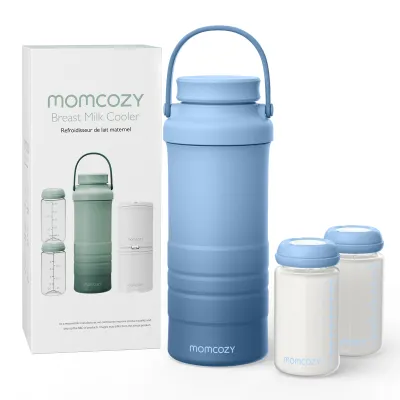
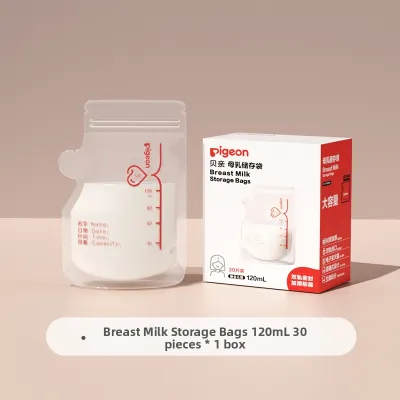
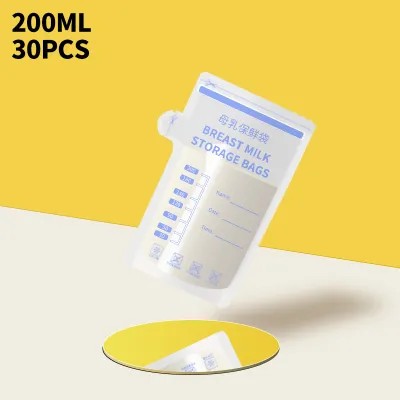
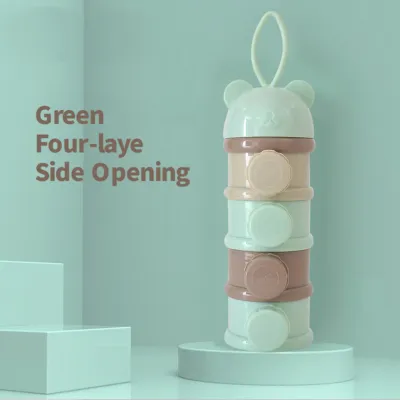
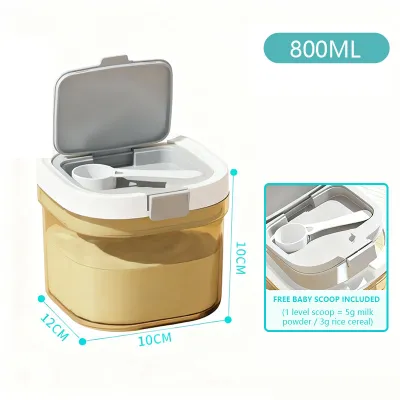
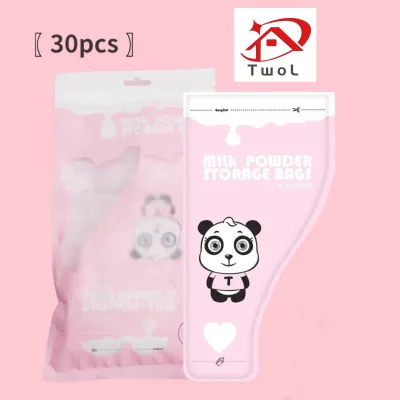
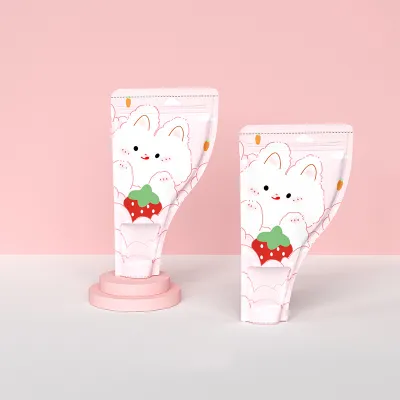
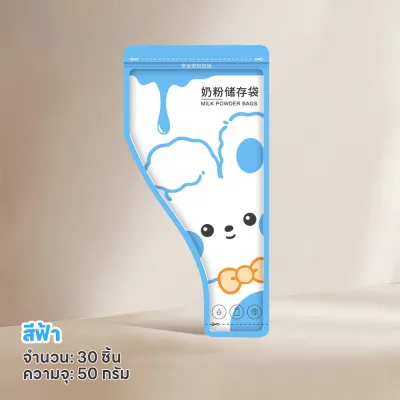
Prices are valid at publication and may change. Please refer to the product page for the latest price.
Your feeding method further refines your packing list. An exclusively pumping parent needs space for pump parts, bottles, and multiple storage bags. If you breastfeed directly and only need occasional bottles, a single insulated sleeve may suffice. For formula feeding, separating dry powder from sterile water until the moment of feeding is often the most efficient strategy.
Short Day Trips: Lightweight and Quick-Access Storage
For quick outings lasting just a few hours—such as a stroll through a local park or a quick mall run—heavy cooling equipment is unnecessary. Instead, focus on streamlined, lightweight options that fit easily into a standard diaper bag.

Pre-sterilized bottle liners or single-use breast milk storage bags are excellent space-savers. They take up virtually no room when empty and can be disposed of or packed away easily after use. These options minimize the number of bulky plastic bottles you need to carry throughout the day.
To keep milk cool for short periods, an insulated bottle holder paired with a small, flexible gel ice pack is highly effective. These compact sleeves are designed to hold one or two bottles, keeping them at a safe temperature until feeding time without adding bulk to your stroller.
If you feed your baby formula, consider using single-serve powder dispensers or ready-to-feed liquid formula. Powder dispensers allow you to pre-measure portions into dry compartments, meaning you only need to carry room-temperature sterile water in your bottles. This eliminates the need for active cooling during short trips.
Overnight and Weekend Getaways: Balancing Capacity and Portability
When you are away from home for one to three days, you need a storage system that balances higher capacity with portability. This scenario requires durable containers that can withstand being packed alongside other travel gear.
Hard-sided, BPA-free storage bottles are ideal for overnight trips because they protect milk from being crushed in a packed bag. However, if space is tight, high-quality, leak-proof breast milk storage bags with double-zipper seals offer a flexible alternative. Always check the integrity of the seals before packing them into your travel bags.
A medium-sized insulated cooler bag is the centerpiece of a weekend travel setup. Look for a cooler that fits multiple bottles or flat-laid storage bags snugly, minimizing empty space where warm air can circulate. The cooler should be compact enough to sit comfortably on a car floorboard or fit inside a standard travel suitcase.
Before you depart, verify the refrigeration options at your destination. If your hotel room or rental does not have a reliable refrigerator, you will need to rely entirely on your portable cooler. In this case, ensure you have access to fresh ice or a freezer to refuel your ice packs daily.
Long-Haul and Air Travel: Maximum Preservation and Security
Extended journeys and flights demand a high level of milk preservation and physical security. When traveling for long hours, protecting your supply from temperature drops and physical damage is paramount.
To prevent leaks during flights, consider double-bagging your expressed milk. For maximum cooling duration, specialized travel coolers utilizing phase-change materials or heavy-duty insulation can keep contents frozen for extended periods. These high-performance coolers are designed specifically for parents traveling long distances without immediate access to a freezer.
Navigating airport security with baby milk requires preparation. Most aviation security authorities allow parents to bring breast milk, formula, and cooling accessories through checkpoints, even if they exceed standard liquid limits. Declare these items to security officers before screening begins, and be prepared for officers to inspect the containers or ask you to step aside for additional screening.
Always pack your essential feeding equipment in your carry-on luggage rather than checking it. Keeping a manual breast pump or a portable wearable pump with you ensures you can express milk on schedule, even if your checked baggage is delayed or lost.
Essential Cooling Accessories and Temperature Safety Checks
The performance of your travel cooler depends heavily on the cooling accessories you choose. Understanding the differences between ice types helps you maintain safe temperatures throughout your journey.
Gel packs are highly flexible and conform easily around bottles, making them excellent for short to medium trips. Hard ice blocks provide longer-lasting cold but add significant weight to your luggage. If you plan to use dry ice for long-distance travel, check with your airline or transit authority first, as there are strict safety regulations regarding its use in enclosed spaces.
Always refer to manufacturer guidelines and established health authority recommendations for safe milk storage times. Breast milk and prepared formula have strict room-temperature and refrigeration limits that you must monitor closely. Never guess whether milk is safe; if you suspect it has been exposed to high heat, verify its condition before feeding.
Using a portable bottle thermometer or conducting visual and scent checks can help you verify the state of the milk. If frozen milk has begun to thaw, check if ice crystals remain; if completely thawed, it must be consumed within a short timeframe or discarded according to standard safety guidelines.
Packing and Transit Tips to Prevent Leaks and Spoilage
Proper packing techniques are just as important as choosing the right gear. A few simple adjustments can prevent messy spills and premature spoilage during transit.
When freezing breast milk in bags or bottles, always leave adequate expansion space at the top. Liquid expands as it freezes, and overfilled containers are highly susceptible to bursting at the seams or popping their caps under pressure changes during flights.
Store milk storage bags flat in the freezer before your trip. Once frozen solid, these flat profiles allow you to stack them efficiently inside your cooler bag like books on a shelf. This packing method maximizes space and ensures even distribution of cold air around the milk.
During your journey, keep your cooler bag out of direct sunlight, such as hot car trunks or sunny window seats. Limit the number of times you open the cooler, as every opening lets warm, humid air inside, accelerating the melting of your ice packs.
Frequently Asked Questions (FAQ)
Can I bring a cooler bag with breast milk through airport security?
Yes, most airport security agencies allow parents to bring breast milk, formula, and cooling gel packs through security checkpoints, even if they exceed the standard liquid limits. You should declare these items to the security officers before screening begins. The milk may undergo separate screening, which can include visual inspection or vapor testing, but you have the right to request that the containers remain unopened if they are sealed.
How long can expressed milk stay in a cooler bag before it spoils?
The duration expressed milk remains safe in a cooler bag depends on the quality of the insulation, the type of ice packs used, and the ambient temperature. Generally, a high-quality insulated bag packed tightly with frozen gel packs can maintain safe temperatures for up to 24 hours, but you should always check the manufacturer’s specifications for your specific cooler. Regularly inspect the milk to ensure it remains cold to the touch, and transfer it to a refrigerator as soon as you reach your destination.

Community discussion
Share your experience or ask a question. Comments are reviewed before publication.