
Introducing solid foods to your baby is an exciting milestone, but the weaning stage also brings a unique set of logistical challenges. As your baby transitions from an exclusive milk diet to a mix of solids and liquids, their feeding schedule undergoes constant adjustments. During this transitional phase, a milk dispenser for baby becomes an invaluable tool for parents in the Philippines. Managing multiple small feeds, keeping formula dry in a highly humid tropical climate, and preparing meals on the go require organization. A reliable dispenser helps streamline this process, ensuring that milk preparation remains clean, accurate, and efficient.
While a milk dispenser might seem like a simple container, choosing the right one requires careful consideration of your daily routine, your baby’s changing nutritional needs, and local environmental factors. High humidity can quickly compromise dry formula powder, leading to clumping or spoilage if the container lacks an airtight seal. By understanding what features to look for and how different designs fit into your lifestyle, you can select a dispenser that simplifies meal prep and supports a smooth weaning journey.
Why a Milk Dispenser Matters During the Weaning Stage
The weaning stage is a gradual process where solid foods slowly replace milk feeds over several months. During this time, your baby’s feeding schedule can become highly unpredictable. You might find yourself offering smaller milk portions more frequently, or needing to prepare a quick bottle when a solid meal does not go as planned. A milk dispenser allows you to pre-measure precise formula portions in advance, eliminating the need to scoop powder from a large, cumbersome tin while managing a hungry baby.
Products mentioned in this guide
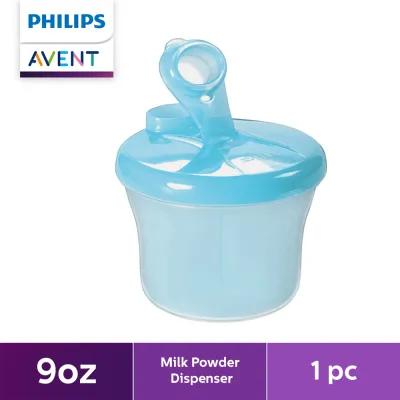
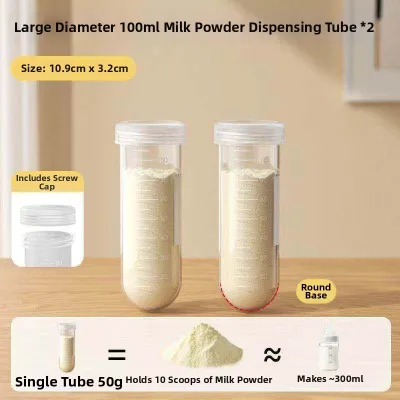
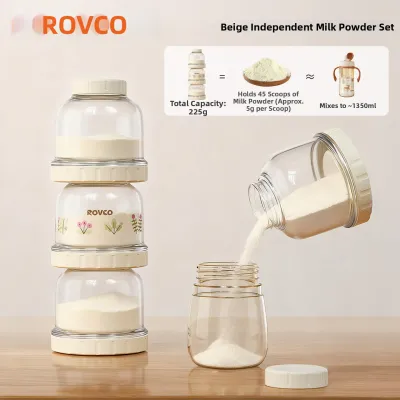
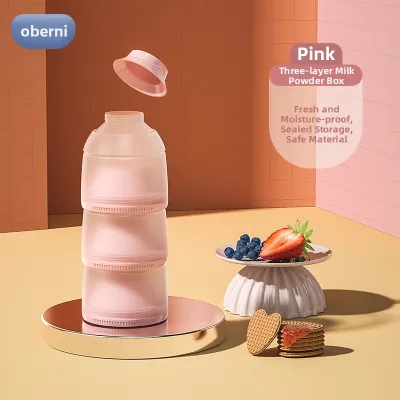
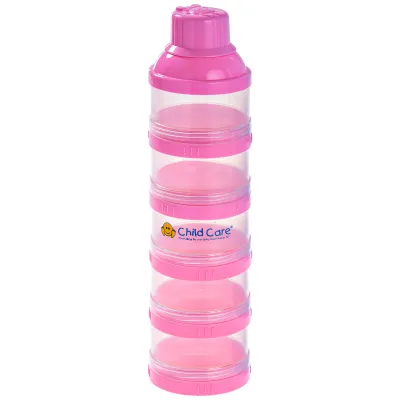
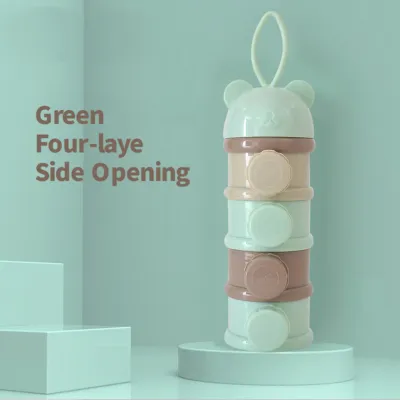
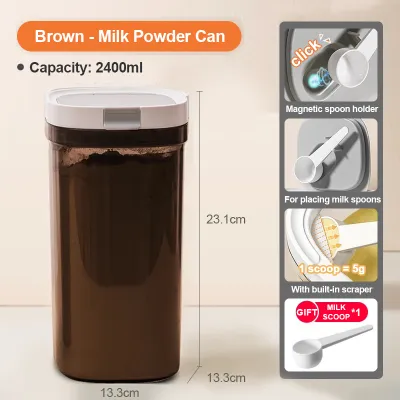
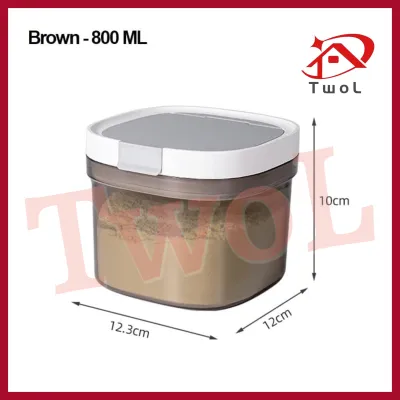
Prices are valid at publication and may change. Please refer to the product page for the latest price.
This pre-portioning is particularly beneficial for reducing preparation time and minimizing milk waste. When babies are learning to eat solids, their appetite for milk fluctuates. Preparing a full bottle only to have your baby drink half of it leads to wasted formula, which can become costly over time. By using a dispenser to keep pre-measured, smaller portions ready, you can quickly mix exactly what your baby needs at that moment. This flexibility helps conserve your formula supply and ensures that every feed is fresh.
However, it is important to recognize when a dispenser adds practical value versus when direct preparation is sufficient for your family’s routine. If you primarily feed your baby at home and have a highly structured schedule, scooping directly from the original formula container may work perfectly fine. On the other hand, if you frequently travel, rely on relatives or babysitters to assist with feeding, or face frequent nighttime wake-ups, a pre-filled dispenser significantly reduces the margin for error. It ensures that anyone caring for your baby can prepare a bottle with the correct ratio of powder to water without confusion.
Key Features to Evaluate When Comparing Options
When browsing online marketplaces or local baby boutiques in the Philippines, evaluating specific product features on the packaging or product listings is essential for finding a safe and functional option.

Capacity and Portion Control
The first aspect to verify is the compartment capacity. Weaning babies have varying milk volume requirements that change as they consume more solid foods. You must check the manufacturer’s specifications to ensure each compartment can comfortably hold the maximum number of formula scoops your baby currently requires, with some room to grow. A compartment that is too small will force you to use multiple sections for a single feed, defeating the purpose of a quick-pour design. Look for clear volume markings or scoop-capacity guidelines provided by the manufacturer.
Portability and Leak-Proof Design
For parents on the go, portability is a primary concern. A dispenser must fit easily into your diaper bag without taking up excessive space. More importantly, it must feature a highly secure, leak-proof sealing mechanism. In transit, a dispenser will be jostled around, and the last thing you want is formula powder spilling into the diaper bag or leaking between compartments. Look for designs with silicone gaskets, tight-fitting snap lids, or secure thread-locking mechanisms. A reliable seal also prevents moisture from entering, which is crucial in the humid Philippine climate where damp air can quickly ruin dry powder.
Material Safety
Because these containers directly hold your baby’s food, material safety is non-negotiable. You should look for explicit “BPA-free” labels and food-grade material certifications printed on the product packaging. Common safe materials include high-quality Polypropylene (PP) or Polyphenylene Sulfone (PPSU), both of which are known for their durability and heat resistance. Avoid products that lack clear material labeling or those from unverified brands that do not specify their manufacturing standards.
Ease of Cleaning
A milk dispenser must be easy to clean thoroughly to prevent the buildup of milk residue, which can quickly become a breeding ground for bacteria. Evaluate the physical design of the dispenser before purchasing. Look for options with wide openings, rounded internal corners, and minimal crevices where powder can get trapped. Removable silicone seals are highly beneficial, as they allow you to clean underneath the gasket where moisture and residue often accumulate. Additionally, check if the manufacturer specifies whether the components are dishwasher-safe or compatible with local sterilization methods.
Common Types of Milk Dispensers and Their Best Use Cases
Milk dispensers come in several distinct designs, each suited to different lifestyles and feeding environments. Understanding these formats will help you match a dispenser to your specific daily routine.
Stackable Tower Dispensers
Stackable tower dispensers consist of multiple individual compartments that screw or snap together vertically, typically with a single funnel-shaped lid at the top. This design is highly versatile because it allows you to carry only the number of compartments you need for a specific outing. They are excellent for home use and preparing multiple sequential feeds, such as nighttime bottles. When evaluating a stackable tower, check the stability of the base to ensure it will not easily tip over on your kitchen counter during late-night preparations. Also, consider the overall height, as very tall towers can be awkward to pack in smaller bags.
Single-Serve Portable Pods
Single-serve portable pods are compact, individual containers designed to hold a single portion of formula powder. These are ideal for short outings, quick trips to the grocery store, or as an emergency backup feed kept permanently in your diaper bag. Because they only hold one serving, they have a very small physical footprint and fit easily into compact pockets. When choosing a single-serve pod, evaluate the individual capacity limits to ensure it can accommodate your baby’s growing appetite, and look for integrated carrying loops or clips for added convenience.
Multi-Compartment Storage Boxes
Multi-compartment storage boxes are single, larger containers divided internally into three or four fixed sections, usually featuring a rotating lid with a single pour spout. To dispense the powder, you simply rotate the lid until the spout aligns with the desired compartment. This style is highly suitable for bulk preparation and fits neatly into wider diaper bags or stroller organizers. When selecting a multi-compartment box, it is vital to verify that the internal dividers seal tightly against the lid. If there is a gap, powder can migrate between compartments, leading to inaccurate portioning and inconsistent bottle preparation.
Building Your Shortlist: A Step-by-Step Selection Process
With numerous options available on local ecommerce platforms, building a shortlist requires a systematic approach to ensure you select a product that fits your baby’s needs and your budget.
Step 1: Calculate Your Required Capacity
Begin by determining the volume of milk your baby consumes per feed. Consult your pediatrician to understand your baby’s specific nutritional requirements based on their weight and weaning progress. Once you have this volume, translate it into the number of formula scoops required. Use this scoop count as your baseline when checking product specifications, ensuring the dispenser compartments can easily accommodate this volume without packing the powder too tightly.
Step 2: Cross-Reference Age and Developmental Recommendations
Always check the manufacturer’s age guidelines and developmental recommendations. Some dispensers are designed specifically for infants with smaller feeding volumes, while others are built for older babies who require larger portions or even space for solid snacks like puffs and biscuits. Ensure the dispenser’s design aligns with your baby’s current weaning stage and physical capabilities if they are beginning to self-feed.
Step 3: Compare Prices and Factor in Durability
When comparing prices in ₱, look beyond the initial purchase price. Factor in the durability of the materials, the availability of replacement parts (such as extra silicone rings), and any local warranty terms. A very cheap dispenser costing under ₱100 might seem attractive, but if the plastic warps after a few sterilization cycles or the seals degrade quickly, you will end up spending more on replacements. Investing in a mid-range or premium option, typically ranging from ₱300 to ₱800, often provides better long-term value through superior material longevity and reliable performance.
Step 4: Read Verified User Reviews
Before making a final purchase on any online marketplace, spend time reading verified customer reviews. Pay close attention to feedback from other parents in the Philippines regarding how the dispenser performs in local conditions. Look for specific mentions of long-term leak issues, seal degradation over time, and whether the dispenser is difficult to clean or dry completely in humid weather. Real-world feedback is invaluable for identifying potential design flaws that may not be apparent from product photos.
Safety, Cleaning, and Maintenance Essentials
Proper maintenance of your baby’s milk dispenser is critical to preventing bacterial contamination and ensuring the longevity of the product.
Always follow the manufacturer-specific sterilization instructions carefully. Different plastics have different heat tolerances; while some can withstand boiling water or steam sterilization, others may warp, degrade, or release unwanted chemicals if exposed to excessive heat. If you use a UV sterilizer, verify that the dispenser material is UV-compatible, as some plastics can become brittle or discolored under ultraviolet light.
Regularly inspect the dispenser’s components for signs of wear and tear. Check the silicone seals, screw threads, and plastic surfaces for micro-cracks, deep scratches, or discoloration. Micro-cracks can harbor moisture and milk residue, creating an environment where bacteria can multiply even after washing. If you notice any structural damage, warping, or persistent cloudiness, stop using the dispenser immediately and replace it.
In the warm and humid climate of the Philippines, storing pre-portioned formula requires extra vigilance. Moisture ingress can cause the powder to clump, which not only makes it difficult to dispense but can also encourage mold growth. Always ensure the dispenser is completely dry before filling it with powder. Store the filled dispenser in a cool, dry place away from direct sunlight, and avoid leaving it in a hot car or near kitchen appliances that generate heat.
Frequently Asked Questions (FAQ)
Can I store prepared liquid milk in a dispenser instead of formula powder?
No, you should not store prepared liquid milk or mixed formula in a standard powder dispenser. Liquid formula and breast milk are highly perishable and prone to rapid bacterial growth when kept at room temperature. Standard milk dispensers are designed specifically for dry powder and do not provide the thermal insulation or airtight sealing required to keep liquids safe. Storing liquid milk in these containers can lead to spoilage and pose a health risk to your baby. If you must transport liquid milk, use insulated bottles designed for temperature control, follow strict refrigeration guidelines, and consult your pediatrician regarding safe storage times.
How do I know if the dispenser portions are accurate for my baby's weaning stage?
To verify the accuracy of your dispenser, you should test it before your first use. Measure your standard formula scoops into a dry baby bottle, then pour that powder into the dispenser compartment to see how it fits. When dispensing, ensure that all the powder flows out easily without sticking to the walls or corners. Because weaning babies have changing nutritional needs, regularly consult your pediatrician to adjust their milk volume. If your baby’s required portion increases, verify that the dispenser compartment can still hold the new scoop count without requiring you to compress the powder, which can lead to inaccurate bottle mixing.
What should I do if the dispenser develops a lingering milk odor after washing?
If your dispenser develops a lingering milk odor, it is often a sign of trapped milk fats or residue in the plastic pores or silicone seals. First, disassemble all parts and soak them in warm, soapy water using a mild, baby-safe dishwashing liquid. If the odor persists, check if the manufacturer permits the use of a gentle baking soda solution (such as a paste of baking soda and water) to help neutralize odors. Avoid using harsh chemical bleach or abrasive scrubbing pads, which can scratch the plastic and create crevices for bacteria. If the odor remains strong despite thorough cleaning, or if the plastic appears cloudy and degraded, discard the dispenser and replace it to maintain proper hygiene.

Community discussion
Share your experience or ask a question. Comments are reviewed before publication.