
Navigating outings with a baby in the Philippines requires careful planning, especially when it comes to preserving expressed breast milk. The country’s tropical climate, characterized by high ambient temperatures and intense humidity, makes milk preservation a time-sensitive task. Choosing the right milk storage bag is essential for maintaining the nutritional quality of breast milk and preventing spoilage while you are away from home. Whether you are running quick errands in an air-conditioned mall, commuting through busy city streets, or traveling to the provinces for a family gathering, your choice of storage gear directly impacts your baby’s feeding safety.
To ensure your expressed milk remains fresh and safe, you must look beyond basic packaging and focus on structural integrity, material safety, and thermal protection. A reliable milk storage bag must withstand the physical demands of travel, resist leaks under pressure, and protect its contents from external contaminants. By understanding the key features of travel-friendly storage options and matching them to your specific outing logistics, you can confidently feed your baby on the go without worrying about spills or spoilage.
Key Features to Look for in Travel-Friendly Milk Storage Bags
When selecting milk storage bags specifically for travel and outings, the physical design and structural features of the bag are your first line of defense against leaks and contamination. The movement of a diaper bag, combined with the pressure of other baby essentials like diapers, toys, and a change of clothes, can easily compromise a weak storage bag.
Products mentioned in this guide
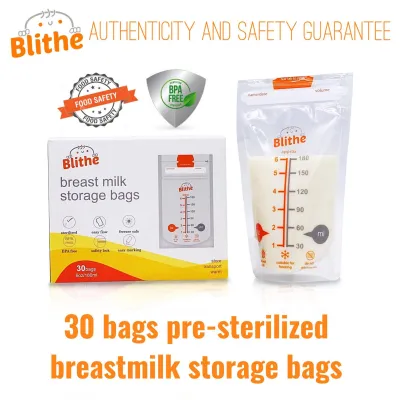
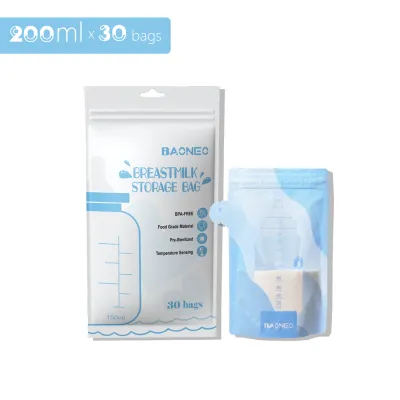
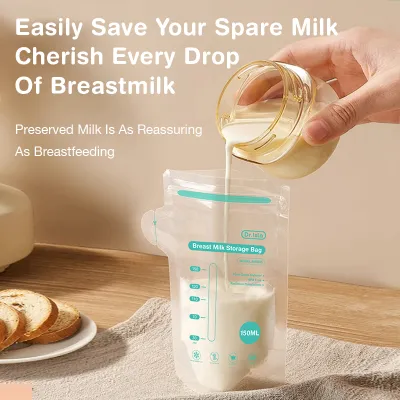
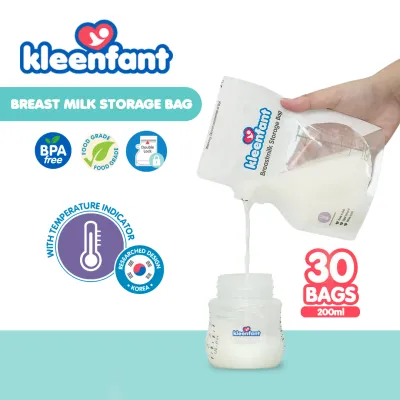
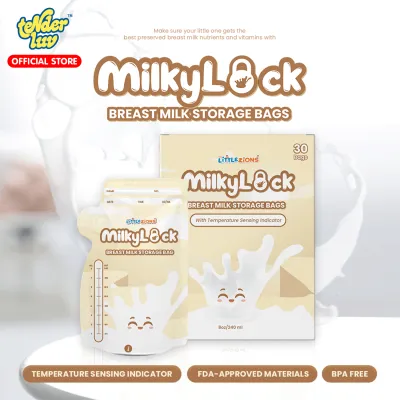
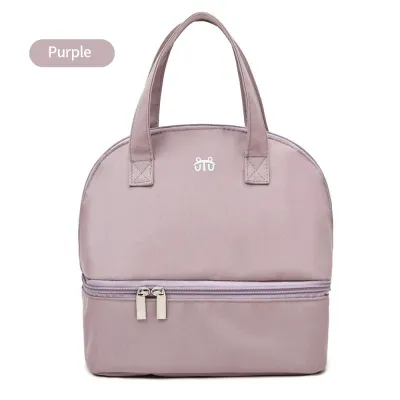
Prices are valid at publication and may change. Please refer to the product page for the latest price.
First, evaluate the sealing mechanism of the bag. Double-zipper closures are the industry standard for travel because they provide a redundant seal that prevents milk from escaping even if the bag is squeezed or dropped. Some bags feature a tactile or color-changing seal that visually confirms when the bag is completely closed, which is incredibly helpful when sealing bags in dimly lit nursing rooms or moving vehicles. Additionally, look for bags with wide, reinforced side seams. These seams distribute pressure more evenly, reducing the risk of the bag bursting along the edges during transit.
Material durability is another critical factor. Travel-friendly bags should be constructed from thick, multi-layer plastics—typically a combination of polyethylene and polyethylene terephthalate—that resist punctures from sharp objects like keys, safety pins, or the edges of toys inside your travel bag. A flimsy bag can easily develop micro-tears that lead to slow, unnoticed leaks, wasting your hard-earned milk and creating a mess in your gear.
Space-saving designs also play a major role in how easily you can pack your cooler. Bags with gusseted bottoms are designed to stand upright on flat surfaces, which is highly convenient when you are pouring milk in a public space without a flat table. Conversely, flat-laying bags are ideal for maximizing space inside a compact insulated cooler bag, as they can be stacked neatly on top of one another with ice packs layered in between.
Finally, if you plan to express milk while away from home, consider bags that are compatible with breast pump flanges. Some bags allow you to attach them directly to your pump using specialized clips or adapters. This direct-pump feature eliminates the need to transfer milk from a collection bottle to a bag, minimizing the risk of spills and reducing the number of parts you need to wash and sterilize while on the go.
How to Match Storage Bags to Your Outing Needs
Not all outings are created equal, and the ideal milk storage bag setup will depend heavily on the duration, purpose, and logistics of your trip. Matching your storage gear to your specific travel scenario helps streamline your diaper bag and ensures you have the right level of protection for your milk.

For short local errands, such as a quick trip to the supermarket or a pediatrician visit lasting only a few hours, your storage needs are relatively simple. You may only need one or two standard transfer bags kept in a small insulated pouch with a single ice pack. However, for long-distance travel, such as provincial road trips or domestic flights, you will need heavy-duty bags designed for bulk storage and freezing. These trips require bags that can transition seamlessly from a cooler bag to a freezer without cracking or losing their seal under sub-zero temperatures.
The choice between pump-direct bags and standard transfer bags also depends on your feeding style. If you pump exclusively while away from home, pump-direct bags offer unmatched convenience by streamlining the collection process. However, if you primarily feed your baby directly from the breast and only need storage bags for occasional top-ups or emergencies, standard transfer bags are a highly practical and cost-effective choice.
You should also factor in the capacity of the bags relative to your baby’s typical feeding volume. Using a large 250ml bag for a baby who only consumes 90ml per feed can lead to unnecessary waste, as thawed breast milk cannot be refrozen or kept indefinitely. Opt for smaller capacity bags, or fill larger bags only to the specific volume your baby requires for a single feeding session, to conserve your supply and keep your travel cooler lightweight.
Budget constraints and purchasing habits are also important considerations. For frequent travelers or working mothers who pump daily, buying storage bags in bulk from reputable online marketplaces or local baby boutiques can significantly lower the cost per piece. When shopping online, always read customer reviews to verify the physical reliability of the bags and ensure you are purchasing from authorized distributors to avoid counterfeit products.
Safety Checks and Label Verification
Because breast milk is highly sensitive to chemical contamination and bacterial growth, verifying the safety credentials of your storage bags is a non-negotiable step before purchase. Caregivers must actively inspect product packaging and labels to ensure they meet strict safety standards.
First, locate and verify chemical safety claims on the product packaging. Ensure the bags are explicitly labeled as BPA-free, BPS-free, and phthalate-free. Bisphenol A (BPA) and Bisphenol S (BPS) are industrial chemicals used to make certain plastics, and they can leach into milk, posing potential health risks to developing infants. Reputable manufacturers will clearly display these safety certifications on the outer box.
Next, check for sterilization indicators. Most high-quality milk storage bags are pre-sterilized during the manufacturing process using gamma-ray irradiation to ensure they are completely sterile and ready for immediate use. Look for a clear statement on the packaging confirming this pre-sterilization. Additionally, inspect the outer packaging of the box itself upon delivery; if the box is crushed, torn, or the individual bag seals appear tampered with, do not use them, as their sterility may be compromised.
Verify that the bags are made from food-grade materials. Look for international food safety certifications, such as those from the US Food and Drug Administration (FDA) or European safety standards, which indicate that the plastic is safe for direct contact with food products. Caregivers should also check the packaging for any expiration dates or shelf-life recommendations regarding the sterilization of the bags.
Finally, always consult the manufacturer’s guidelines for specific temperature limits. Some bags are designed strictly for refrigeration and freezing and should never be subjected to high heat. Check for explicit warnings against microwaving the bags or heating them in boiling water, as excessive heat can degrade the plastic, cause chemical leaching, or ruin the immunological properties of the breast milk.
Best Practices for Storing and Transporting Breast Milk on the Go
Proper handling and transport techniques are vital to maintaining the cold chain and ensuring your breast milk remains safe for consumption during outings in the Philippines. The combination of high outdoor temperatures and humidity requires strict adherence to storage protocols.
When sealing a milk storage bag, always wash your hands thoroughly with soap and water first. Carefully pour the expressed milk into the bag, leaving about an inch of space at the top to allow for expansion if the milk is to be frozen. Before sealing the double zipper, gently squeeze out any excess air from the bottom up. Removing air reduces the risk of freezer burn and prevents the bag from expanding excessively. Once sealed, write the date, time, and volume of expression on the designated label area using a waterproof, non-toxic marker.
To transport the milk safely, always use an insulated cooler bag equipped with high-quality, reusable ice packs. In the tropical climate of the Philippines, a standard insulated bag without ice packs will not keep milk cold enough to prevent bacterial growth. Place the ice packs directly against the milk storage bags to ensure rapid and consistent cooling.
While general health guidelines suggest that freshly expressed breast milk can remain at room temperature for a limited number of hours, this duration is significantly shorter in hot, non-air-conditioned environments. For outings, it is safest to transfer the milk to a cooler bag immediately after expression. Always consult your pediatrician or local health authority guidelines for specific safe storage durations tailored to your environment.
When packing your cooler bag, place the milk storage bags flat if possible, as this allows them to cool more evenly and prevents them from shifting and rubbing against other items. Avoid placing heavy objects, such as glass bottles or heavy thermos flasks, directly on top of the filled bags, as the physical pressure can cause the seams to rupture during transit.
Common Mistakes to Avoid When Using Milk Storage Bags
Even with high-quality storage bags, simple handling errors can compromise the safety of your breast milk or lead to frustrating leaks while you are away from home. Being aware of these common pitfalls can help you avoid milk waste and keep your outings stress-free.
One of the most frequent mistakes is overfilling the storage bags. Liquid expands when frozen, and breast milk is no exception. If you fill a bag to its maximum physical limit and then freeze it, the expanding milk will put immense pressure on the seams, often causing them to split. When the bag thaws later, the milk will leak out, resulting in lost supply. Always adhere to the maximum volume markings indicated on the bag.
Never attempt to wash and reuse single-use milk storage bags. These bags are designed and sterilized for one-time use only. Reusing them introduces a high risk of bacterial contamination, as the narrow corners and zipper tracks are nearly impossible to clean and sterilize thoroughly at home. Always discard used bags immediately after feeding.
Avoid thawing or heating milk storage bags in boiling water or in a microwave. Microwaving creates dangerous “hot spots” in the milk that can burn your baby’s mouth, and the intense heat can destroy the delicate antibodies and nutrients in the breast milk. Furthermore, extreme heat can cause the plastic bag to melt or leach chemicals. Instead, use gentle warming methods.
Finally, never leave expressed milk bags inside a parked vehicle or exposed to direct sunlight, even for a few minutes. The interior temperature of a car parked under the Philippine sun can rise rapidly to dangerous levels, causing the milk to spoil almost instantly. Keep your cooler bag with you in air-conditioned spaces whenever possible.
Frequently Asked Questions (FAQ)
Can I pump directly into a milk storage bag while traveling?
Yes, you can pump directly into a milk storage bag while traveling, provided you use compatible bags and the correct adapters for your specific breast pump model. Many modern breast pumps offer brand-specific adapters that securely clip the bag to the pump flange, allowing the milk to flow straight into the bag. This method is highly convenient for travel as it eliminates the need to clean collection bottles on the go. However, because the connection can sometimes slip if not properly secured, it is highly recommended to practice this setup at home first to avoid accidental spills during your outing.
How do I safely warm a milk storage bag while out?
To safely warm a milk storage bag while out, place the sealed bag into a container of warm—not boiling—water for a few minutes. You can carry a thermos of warm water with you or ask for a cup of warm water at a cafe or nursing room. Alternatively, you can use a portable bottle warmer designed specifically for travel. Once the milk reaches room temperature or body temperature, gently swirl the bag to mix any separated fat layers. Always test the temperature of the milk on the inside of your wrist before feeding it to your baby, and discard any leftover milk after the feed.
What should I do if a milk storage bag leaks in my diaper bag?
If a milk storage bag leaks in your diaper bag, immediate damage control is essential to prevent mold and bacterial growth. First, carefully remove all items from the bag and transfer any remaining intact milk bags to a secondary waterproof container or a clean plastic bag to keep them safe. Wipe down the interior of your diaper bag thoroughly using baby-safe, alcohol-free sanitizing wipes or a damp cloth with mild soap. Allow the diaper bag to air dry completely in a well-ventilated area, preferably under indirect sunlight, to ensure no moisture remains to cause unpleasant odors or mold.

Community discussion
Share your experience or ask a question. Comments are reviewed before publication.