
Finding the right diaper pants in a warm, humid climate requires balancing skin health, reliable leak protection, and household expenses. While Megasoft, Pampers, Equator, and Huggies are popular choices, no single brand serves as a universal solution. The ideal diaper pant depends on your baby’s developmental stage, unique body shape, wetting patterns, and your monthly budget. By learning how to analyze packaging specifications, calculate the actual cost per individual diaper, and monitor physical fit, you can make an informed decision that keeps your baby dry and comfortable.
Core Factors for Comparing Diaper Pants
Before comparing specific brands, establish a clear evaluation framework based on three pillars: absorbency, fit, and skin compatibility. In tropical environments where high humidity can exacerbate skin irritation, understanding these factors helps prevent diaper rash and leaks.
First, evaluate absorbency indicators directly on the product packaging. Look for terms like “superabsorbent polymer (SAP) core,” “distribution channels,” or “wetness indicators.” A wetness indicator—typically a line that changes color when wet—helps caregivers identify exactly when a change is needed, reducing unnecessary diaper waste.
Products mentioned in this guide
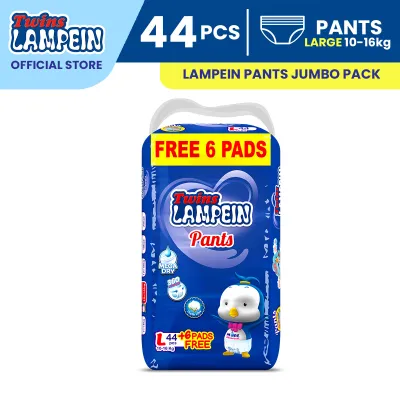
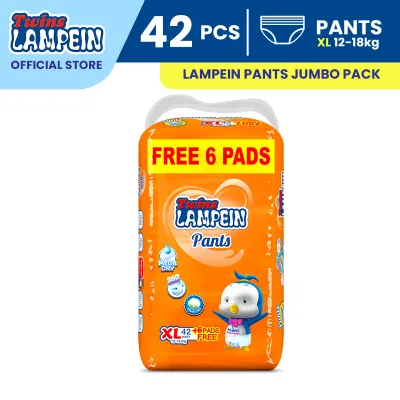

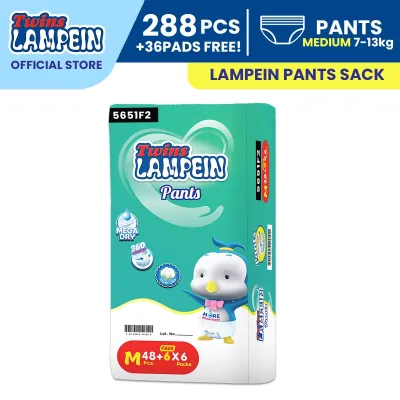
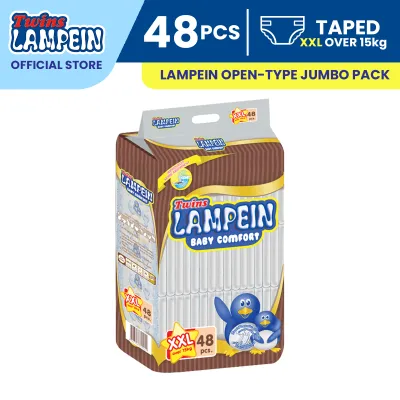
Prices are valid at publication and may change. Please refer to the product page for the latest price.
Second, prioritize fit and sizing variables over age recommendations. Babies grow at highly individual rates, and their body shapes vary significantly. Always check the manufacturer’s weight range listed on the packaging. A diaper pant that fits a chunky baby perfectly might cause leaks on a leaner baby of the exact same weight.
Third, perform material checks for sensitive skin. Look for labels indicating “breathable outer cover,” “hypoallergenic,” or “fragrance-free.” In warm climates, trapped moisture and sweat can quickly lead to friction and heat rash. Ensuring the diaper allows heat and vapor to escape while retaining liquid is vital for maintaining skin integrity.
Megasoft Diaper Pants: What to Verify on the Label
When evaluating Megasoft diaper pants, caregivers should carefully inspect the packaging to understand the product’s specific design features and limitations. Megasoft offers various product lines, making it crucial to read the label details for the exact pack you are purchasing.

Begin by verifying the stated weight limits and elasticity features. Look for descriptions of the waistband construction, such as “360-degree elastic waistband” or “stretchable side panels.” For active babies who are crawling, cruising, or walking, a highly flexible waistband is necessary to prevent the diaper from slipping down during movement. Ensure the weight of your baby falls comfortably within the middle of the manufacturer’s recommended range rather than at the absolute limit.
Next, examine the packaging for details regarding the absorbent core structure and leak guard design. Look for mentions of double leak guards or raised leg cuffs, which physically block liquid from escaping around the thighs. The packaging should also specify whether the core utilizes a layered pulp system or a full SAP sheet, which affects how quickly liquid is distributed and locked away.
Finally, establish clear criteria for when to stop use or size up. If you observe persistent red marks around your baby’s waist or thighs, or if the diaper regularly leaks despite being applied correctly, these are clear indicators that the current size is no longer suitable. If skin irritation or redness develops and persists after switching sizes, stop using the product and consult a pediatrician or healthcare professional.
Pampers, Huggies, and Equator: Key Features to Check
To make a well-rounded comparison, caregivers must understand how Pampers, Huggies, and Equator position their diaper pants in the market. These brands generally segment their offerings into premium, mid-range, and budget-friendly tiers, each designed with different structural features and materials. Checking the specific labels of these brands allows you to match their features to your baby’s daily routine.
Pampers and Huggies: Premium Design Elements
Pampers and Huggies are widely recognized for their premium product lines, which often feature advanced materials and specialized designs. When reviewing their packaging, look for specific indicators of high-performance protection.
First, identify specialized night-time or extra-absorbency variants directly on the label. These are often designated with terms like “overnight,” “active play,” or specific premium sub-brand names. These variants typically feature a higher concentration of superabsorbent polymers designed to handle multiple wettings over an extended period, such as during night sleep.
Second, check the waistband flexibility and leg cuff designs. Premium brands frequently utilize ultra-soft, multi-strand elastics that distribute pressure evenly across the baby’s skin. This reduces the risk of red marks while maintaining a snug seal. Look for packaging claims highlighting “cottony-soft” materials or “breathable air channels” that promote ventilation.
Third, verify dermatological testing or hypoallergenic claims on the product label. Many premium options display certifications or seals from independent dermatological alliances. While these labels indicate the materials have undergone testing, caregivers should still monitor their baby’s skin for individual sensitivities, especially in hot and humid weather.
Equator: Budget and Basic Care Considerations
Equator is positioned as a budget-friendly option, focusing on basic care and cost efficiency. When evaluating this brand, it is important to align your expectations with its design features and practical application.
Start by assessing the basic absorbency claims on the packaging. Budget diaper pants often utilize a simpler core structure, which may rely more heavily on traditional wood pulp alongside superabsorbent polymers. Because of this, they are generally best suited for daytime routines where changes are frequent, or during potty training when diapers are replaced immediately after a single wetting.
Monitor the fit and material softness closely. Because budget options may use slightly stiffer outer covers or less elastic waistbands, check for any signs of friction or chafing along the baby’s inner thighs. Ensure the leg cuffs are manually flared outward after putting the diaper pant on to maximize leak protection.
Be prepared to adjust your usage or switch brands if your baby’s needs change. If your baby develops heavy wetting patterns at night, or if you notice skin redness due to prolonged wetness, it may be necessary to reserve budget diapers for daytime use and transition to a more absorbent option for overnight sleep.
How to Calculate True Value and Cost per Diaper
Comparing diaper brands solely by the retail price of a pack can be misleading, as pack sizes and diaper counts vary widely. To find the true financial impact on your household budget, you must calculate the cost per individual piece.
Use this simple formula to determine the cost per diaper: divide the total pack price (in ₱) by the exact number of diapers in the pack. For example, if a pack of diaper pants costs ₱450.00 and contains 40 pieces, the cost per piece is ₱11.25. Perform this calculation for each brand and size you are considering to establish a clear baseline.
Next, factor in purchasing strategies such as bulk buying, subscription discounts, and promotional bundles. Official brand stores on online marketplaces often offer significant discounts when purchasing cartons instead of single packs. Look out for seasonal sales, voucher codes, and subscribe-and-save programs that can lower your long-term expenses.
However, remember that the cheapest cost per piece does not always equal the best overall value. If a lower-cost diaper leaks frequently, requiring you to change the baby’s clothes, wash bedding, and use two diapers in the span of time one premium diaper would have lasted, your actual daily expenses will increase. True value is achieved when a diaper pant successfully prevents leaks and skin irritation at a manageable price point.
Decision Framework: Which Brand Fits Your Baby?
To simplify your purchasing decision, apply this conditional framework based on your baby’s physical needs, daily routine, and budget constraints.
Choose Megasoft if your baby is active, requires a reliable mid-range fit, and you prefer their specific elasticity design. This option is highly suitable for families looking for a balance between dependable daytime protection and moderate pricing, especially when bought in bulk.
Choose Pampers or Huggies if you are prioritizing specialized night protection, require advanced moisture-wicking technology for long sleep stretches, or if your baby has highly sensitive skin that benefits from premium, dermatologically tested materials. These brands are ideal when leak prevention during long outings or overnight is your primary concern.
Choose Equator if you are maximizing your household budget and can maintain a frequent daytime changing routine. This brand is highly practical for daytime wear at home, during active potty training, or for babies who do not wet heavily.
Verify first if your baby is transitioning between sizes, has unique sizing needs (such as a very narrow waist but chunky thighs), or exhibits signs of skin sensitivity. Always purchase a small trial pack before committing to a large bulk order to ensure the diaper pant fits your baby’s current shape and does not cause any adverse skin reactions.
Frequently Asked Questions (FAQ)
How do I know if the diaper pant fit is correct?
To verify if a diaper pant fits correctly, perform a quick visual and tactile check during changes. Apply the two-finger rule: you should be able to comfortably slide two fingers between the diaper’s waistband and your baby’s stomach without stretching the elastic to its limit. Next, run your finger along the leg cuffs to ensure the inner guards are flared outward and not tucked inward. Check for physical signs of poor fit, such as deep red marks or indentations on the baby’s skin, or frequent gaps around the thighs when the baby moves. If you observe these signs, or if leaks occur regularly despite proper application, it is time to size up regardless of the weight chart on the packaging.
Is it safe to alternate between different diaper brands?
Yes, alternating between different diaper brands is a common and practical strategy for many families. Many caregivers safely use budget-friendly diaper pants for daytime hours—when changes are frequent—and switch to highly absorbent, premium brands for overnight sleep or long travel. When alternating, closely monitor your baby’s skin consistency and comfort. Look for any signs of friction, redness, or localized rashes that might occur due to the differing materials, elastics, or fragrances of the two brands. If any signs of irritation or friction develop, stop alternating immediately and stick to the single brand that your baby’s skin tolerates best.

Community discussion
Share your experience or ask a question. Comments are reviewed before publication.