
Finding the right diaper for your baby is a highly personalized journey. No single brand can claim to be the absolute best for every infant, because every baby has a unique body shape, skin sensitivity level, and daily activity pattern. While one household might prioritize maximum overnight absorbency to ensure uninterrupted sleep, another might focus on finding a highly economical option for frequent daytime changes. Mega Soft, Pampers, Equator, and Huggies each offer distinct design philosophies, material selections, and pricing structures. By understanding how these brands differ and learning how to evaluate their physical features, you can make an informed decision that keeps your baby comfortable and your household budget balanced.
Understanding Each Brand's Core Focus
Mega Soft hygienic products are generally positioned in the market as highly cost-effective options. Their primary design focus is on providing reliable, basic absorbency suitable for regular daytime use. Because frequent changes are essential for maintaining skin hygiene, especially in warm climates, this brand appeals to families who prefer to change diapers often without incurring high costs per piece. By focusing on essential features rather than premium add-ons, they offer a practical solution for daytime wear.
In contrast, global brands like Pampers and Huggies typically invest heavily in specialized fit technologies and premium material lines. These brands often feature multiple product tiers, ranging from standard everyday options to premium lines designed specifically for sensitive skin or active, crawling babies. Their designs frequently incorporate advanced stretchable waistbands, wetness indicators, and channels designed to distribute moisture evenly. These features are engineered to keep moisture away from the skin for longer periods, which is often a priority for overnight use.
Products mentioned in this guide
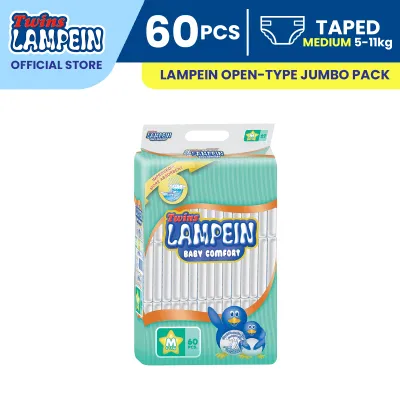
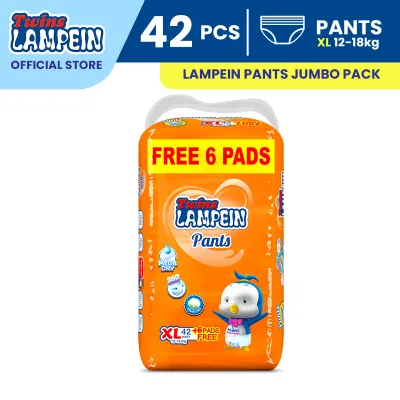
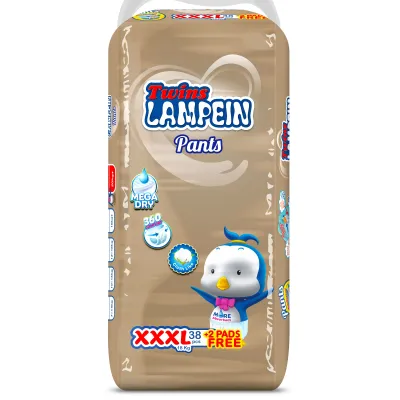
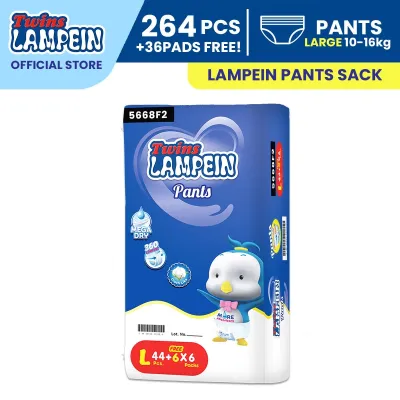
Prices are valid at publication and may change. Please refer to the product page for the latest price.
Equator occupies a middle-ground position, aiming to balance affordability with functional leak protection. This brand is often selected by parents who want reliable double-layer leak guards and decent absorbency at a more moderate price point than premium international brands. It serves as a practical alternative for families who want a bit more structural support than basic budget diapers offer, without paying a premium price.
When comparing these options, it is crucial to look beyond the brand name and examine the specific product tier. Most manufacturers offer both economy and premium versions of their diapers. An economy line from a premium brand may lack the advanced features of its flagship counterpart, while a premium line from a budget-focused brand might offer surprising upgrades like cloth-like backsheets or wetness indicators. Always read the specific product description on the packaging to understand exactly what features you are paying for.
Key Features to Check on the Packaging
To make an objective comparison, you must become adept at reading diaper packaging. The labels on the box or plastic pack provide essential clues about the materials used and the specific technologies integrated into the diaper. Understanding these terms helps you avoid buying based on marketing hype alone.

First, look for absorbency indicators and core technology descriptions. Many modern diapers feature a wetness indicator—a color-changing strip on the outside of the diaper that turns from yellow to blue when wet. This feature is incredibly helpful for quick visual checks, especially for newborns. Additionally, check the packaging for mentions of superabsorbent polymer (SAP) cores or distribution channels, which help draw liquid away from the skin quickly and prevent sagging.
Second, prioritize skin sensitivity labels. If your baby has delicate skin, look for terms like “hypoallergenic,” “fragrance-free,” and “dermatologically tested.” Avoid diapers that list added perfumes or lotions if your baby is prone to redness or irritation. The packaging should clearly state whether the inner liner is designed to be pH-balanced or infused with soothing natural extracts, which can help protect the skin barrier.
Third, evaluate the breathability of the materials, which is particularly important in tropical climates like the Philippines. High humidity and heat can trap moisture inside a diaper, leading to painful diaper rash or heat rash. Look for packaging that highlights a “breathable outer cover” or “micro-pore backsheet.” These materials allow hot air to escape while keeping liquid safely contained inside, helping to keep your baby’s skin dry and cool. Avoid plastic-feeling outer covers if your baby sweats easily.
Evaluating Fit, Sizing, and Leak Protection
A diaper’s ability to prevent leaks depends heavily on its physical fit and construction. Even the most absorbent diaper will leak if it does not conform properly to your baby’s unique body shape.
Start by examining the waistband elasticity. A high-quality diaper should have a soft, stretchy waistband that conforms to your baby’s tummy as they breathe and move. When fitting the diaper, you should be able to slide two fingers easily between the waistband and your baby’s skin. If the waistband lacks stretch, it may either sag and cause leaks at the back, or fit too tightly and leave painful red marks on your baby’s skin. Look for brands that offer wide, elastic waistbands for active babies.
Next, inspect the leg cuffs. Look for diapers that feature double-layered leak guards or elasticized leg barriers. These cuffs should wrap snugly around your baby’s thighs without pinching. For active babies who are rolling, crawling, or pulling themselves up, these double barriers are critical for preventing side leaks during movement. Ensure that you run your finger around the leg cuffs after fastening the diaper to flare them outward, as tucked-in cuffs are a common cause of leaks.
Finally, understand that sizing consistency varies significantly between manufacturers. A “Medium” diaper in one brand may fit like a “Small” or a “Large” in another. Instead of relying solely on the age or general size labels, always check the weight ranges printed on the packaging. If your baby is approaching the upper limit of a size range, or if they have chubby thighs and a round tummy, it is often wise to size up to ensure a comfortable fit and adequate coverage.
Calculating the True Cost per Diaper
Comparing diaper prices can be deceptive if you only look at the price of the package. A larger box may seem expensive upfront, but it often offers a much lower cost per individual diaper than a small convenience pack.
To find the true financial impact, calculate the exact unit cost per diaper. Take the total price of the pack and divide it by the number of diapers inside. For example, if a pack costs ₱450 and contains 50 diapers, the unit cost is ₱9 per diaper. Keep a running log of these unit prices for Mega Soft, Pampers, Equator, and Huggies to see which brand offers the best value for your budget. This simple calculation can save you thousands of pesos over your baby’s diapering years.
However, the cheapest unit price does not always equal the lowest overall cost. You must factor in change frequency. If a highly economical diaper has lower absorbency, you may find yourself changing your baby twice as often to prevent leaks or skin irritation. In contrast, a slightly more expensive diaper with superior absorbency might last longer, meaning you use fewer diapers overall throughout the day and night. Balance the unit price with how many diapers you actually use in a 24-hour period.
To maximize your savings, look for bulk purchasing options and promotional bundles. Major online marketplaces and official brand stores frequently offer discounts, buy-one-get-one deals, or subscription savings. Purchasing jumbo boxes or multi-packs during these promotional events can significantly lower your cost per diaper, making premium brands more accessible or budget brands even more economical. Always verify that you are buying from official stores to ensure product authenticity.
Decision Framework: Which Brand to Try First
Choosing the right starting point requires balancing your baby’s physical needs with your household’s daily routine and budget.
Consider starting with Mega Soft if your primary goal is finding a highly cost-effective diaper for frequent daytime changes. This brand is an excellent choice for parents who practice active diaper hygiene, changing the diaper immediately upon wetness, and who do not require advanced overnight moisture-wicking technology. It is also ideal for daytime potty training transitions where diapers are changed frequently.
Opt for Pampers or Huggies if your baby has highly sensitive skin, is extremely active, or if you need a reliable diaper for long overnight stretches. Be sure to verify the specific premium lines within these brands, as they are specifically engineered with advanced absorbent cores and hypoallergenic materials to minimize friction and moisture contact. These are often preferred for long outings or uninterrupted night sleep.
Choose Equator if you are looking for a balanced, middle-ground option. This brand provides functional leak guards and reliable everyday absorbency at a price point that sits comfortably between budget-friendly options and premium international brands. It is a solid choice for parents who want dependable performance without the premium price tag.
Before making any sudden transitions, always monitor your baby’s skin closely. If your baby has a history of sensitive skin or known dermatological conditions, consult a pediatrician before switching brands to ensure the new materials will not trigger an adverse reaction.
Frequently Asked Questions (FAQ)
Can I mix different diaper brands for day and night use?
Yes, mixing diaper brands is a highly effective strategy used by many parents to balance comfort and budget. You can use a highly economical brand like Mega Soft for daytime hours when you are able to change your baby frequently. Then, switch to a premium, high-absorbency diaper from Pampers or Huggies for overnight use to help your baby sleep comfortably without leaks. This hybrid approach keeps your daily costs low while ensuring restful nights.
How do I know if a diaper brand is causing a rash?
A diaper rash caused by a specific brand’s materials usually presents as localized redness, irritation, or tiny bumps exactly where the diaper contacts the skin. If the rash appears suddenly after switching brands and does not improve with standard barrier creams, it may be a reaction to the materials or fragrances. Stop using the new brand immediately and consult a pediatrician if the rash persists, blisters, or spreads.
Do I need to size up when switching between these brands?
You may need to size up because diaper cuts and sizing standards vary between manufacturers. If you notice frequent leaks, red marks around your baby’s thighs or waist, or if the diaper’s fasteners do not easily reach the designated landing zone, these are clear signs that you need to move up a size, even if your baby’s weight is within the range listed on the package. Always prioritize fit over the printed size label.

Community discussion
Share your experience or ask a question. Comments are reviewed before publication.