
Choosing between the Medela Swing and Medela Freestyle comes down to how, where, and how often you plan to express milk. If you primarily pump at home near a power outlet and prefer a straightforward, budget-friendly setup, the Swing family of pumps is often the most practical choice. Conversely, if you are a working mother returning to an office, travel frequently, or need to multitask around the house without being tethered to a wall, the Freestyle family offers the cordless mobility and double-pumping efficiency required for an active lifestyle.
Both lines have established themselves as reliable options for breastfeeding mothers, but they cater to very different daily routines. Rather than searching for a single “best” pump, the goal is to identify which design aligns with your physical comfort, your daily schedule, and your financial plan. By evaluating your specific environment and verifying key product specifications, you can make an informed investment that supports your breastfeeding journey.
Understanding the Core Design and Use-Case Differences
To choose the right pump, you must first understand how these two product lines differ in physical form and operation. The Medela Swing line focuses on simplicity and stationary or semi-portable use. Standard Swing models feature a compact, rounded motor unit that can sit on a table or clip to your waistband. Depending on the specific sub-model, such as the standard Swing or the Swing Maxi, this line offers either single or double pumping configurations. Single pumping is ideal if you only need to express milk occasionally, whereas double pumping is designed to stimulate milk production more efficiently.
Products mentioned in this guide
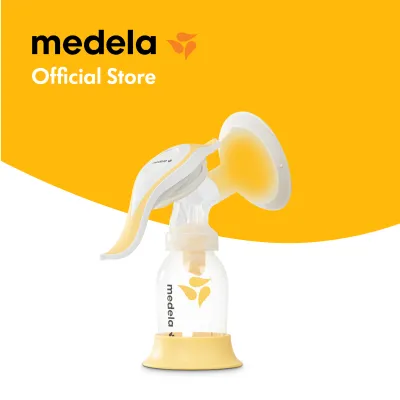
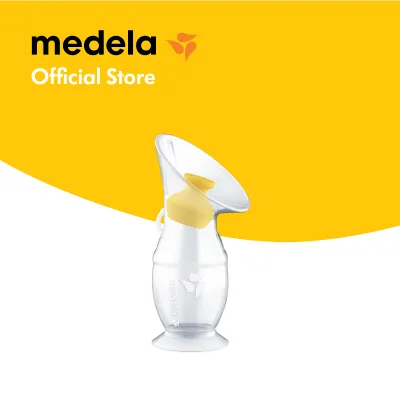
Prices are valid at publication and may change. Please refer to the product page for the latest price.
The Medela Freestyle line is engineered specifically for high-performance mobility and hands-free convenience. Freestyle models are typically double electric pumps featuring ultra-compact, lightweight motor units designed to fit easily into a pocket or be worn on a lanyard. The latest iterations even feature wearable, in-bra collection cups that eliminate external bottles hanging from your breasts. This design is tailored for mothers who need to move freely during multiple daily sessions.
Power sources represent another fundamental difference. While some Swing models can run on standard AA batteries as a backup, they are primarily designed to be plugged into a wall outlet. This makes them highly dependable for stationary use but less convenient if you are constantly on the move. In contrast, the Freestyle line features built-in, rechargeable lithium-ion batteries. These batteries allow you to charge the unit ahead of time—often via a standard USB port—and pump completely cord-free, giving you the freedom to express milk anywhere.
Evaluating Your Daily Routine and Mobility Needs
Your daily environment and lifestyle are the most critical factors in determining which pump will serve you best. In the Philippines, returning to work after maternity leave often involves navigating long commutes and busy office environments. Under local labor laws, workplaces are encouraged to provide lactation stations, but the setup and privacy of these spaces can vary. If your workplace lactation room is small, shared, or lacks easily accessible power outlets, a compact, rechargeable pump like the Freestyle provides the independence you need to express milk comfortably.

For mothers managing household chores, caring for multiple children, or working from home, hands-free multitasking is often a necessity. Pumping sessions occur multiple times a day, and being anchored to a single spot for 20 to 30 minutes can disrupt your routine. The Freestyle’s wearable design allows you to keep your hands free to type, prepare meals, or attend to your baby. While the Swing line can be used with a hands-free pumping bra, the external bottles and tubing still require more careful movement to avoid spills.
Noise levels and discretion are also vital considerations in shared offices or quiet nurseries. A loud, mechanical pumping sound can cause unnecessary stress, which can negatively affect your milk let-down reflex. When selecting a pump, verify the acoustic profile of the specific model. Modern electric pumps are designed to operate quietly, but compact, enclosed motors like those in the Freestyle line are often optimized for subtle, low-profile operation, helping you maintain privacy.
Key Specifications to Verify Before Purchase
Before purchasing any breast pump, carefully review the technical specifications provided by the manufacturer, as features vary between sub-models. Do not rely solely on general product names; instead, check the official user manual or product packaging for precise details.
First, verify the suction strength and cycle settings. A quality breast pump should mimic a baby’s natural nursing pattern, starting with a fast, light stimulating phase to trigger milk let-down, followed by a slower, deeper expression phase. Check that the model you are considering features this two-phase technology and offers adjustable vacuum levels. The ability to fine-tune suction is essential for preventing nipple discomfort. If you experience pain during use, immediately lower the suction setting or consult a lactation professional.
Second, examine the battery specifications and charging requirements. For rechargeable models, check the estimated operating time on a full charge and the required charging duration. If you commute, look for models supporting USB charging, which allows you to power up using a laptop or portable power bank. For battery-operated Swing models, verify the number and type of batteries required, and consider investing in rechargeable AA batteries to reduce ongoing costs.
Third, pay close attention to flange sizing and hygiene features. The breast shield must fit your breast and nipple correctly to ensure comfort and optimal milk flow. Most Medela pumps come with standard flange sizes, but you should measure your nipple diameter to determine if you need to purchase alternative sizes separately. Additionally, verify that the pump utilizes a closed system. A closed-system pump features a physical barrier that prevents breast milk from entering the tubing or motor unit. This is a crucial hygiene feature, particularly in hot, humid tropical climates, as it prevents moisture buildup and mold growth inside the pump mechanism.
Finally, review the list of included accessories. Some bundles come complete with insulated cooler bags, contoured ice packs, carrying cases, and extra storage bottles. In the warm climate of the Philippines, keeping expressed milk cool during a commute is essential, so having a high-quality, dedicated cooling system included with your purchase adds significant value.
Budget and Long-Term Value Considerations
A breast pump is a significant financial investment, and it is important to balance the upfront purchase price against long-term operating costs. The Medela Swing line generally represents a more accessible entry point, with single electric models offering a budget-friendly option for mothers who do not need to pump frequently. The Freestyle line sits at a premium price tier, reflecting its advanced rechargeable power source, double-pumping capabilities, and highly portable design. Compare the current price tags in ₱ at authorized local retailers to determine which model fits comfortably within your family’s budget.
Beyond the initial purchase, factor in the ongoing cost and local availability of replacement parts. Consumable components such as silicone membranes, valves, connectors, and tubing wear out over time due to regular use, washing, and sterilization. To maintain optimal suction and hygiene, these parts must be replaced every few months. Before committing to a specific model, check how easily you can source genuine replacement parts in the Philippines. Opting for a model with widely available accessories ensures you will not face delays in your pumping routine.
Additionally, verify the warranty terms and the location of authorized service centers. Because a breast pump is an electro-mechanical device used daily, having access to reliable local customer support is invaluable. Ensure your pump is covered by an official local warranty rather than a parallel import warranty, which may not be honored locally. A valid warranty ensures that if the motor experiences a technical fault, you can obtain a prompt repair or replacement, minimizing any disruption to your baby’s feeding schedule.
Decision Framework: Which Model Should You Choose?
To finalize your decision, match your daily routine and physical requirements to the specific strengths of each pump line.
You should choose the Medela Swing line if:
- Your pumping routine is primarily home-based, allowing you to remain near a reliable wall outlet.
- You prefer a traditional, straightforward setup and do not mind managing external bottles and tubing.
- You are on a budget and want a high-quality pump without the premium price tag of a fully integrated rechargeable system.
- You only need to pump occasionally to supplement direct breastfeeding.
You should choose the Medela Freestyle line if:
- You are returning to work, commute frequently, or travel often, requiring a highly portable, cordless solution.
- You need to multitask around the house or office and require a hands-free, low-profile design.
- You are an exclusive pumper or need to express milk multiple times a day, making double pumping and maximum efficiency essential.
- You want the convenience of a built-in, rechargeable battery that can be charged via USB.
Regardless of the model you choose, always measure your nipple size before purchasing to ensure a proper flange fit, and verify that the pump’s connector design is compatible with the specific baby bottles and storage bags you plan to use.
Frequently Asked Questions (FAQ)
Can I use both pumps interchangeably for different situations?
Yes, some mothers choose to use both pumps to suit different environments, such as keeping a stationary Swing model at home and using a compact Freestyle model for work or travel. If you decide to use multiple pumps, verify if they share the same connector types and accessories. Sharing parts reduces the number of items you need to wash, sterilize, and pack in your daily bag. Always maintain strict hygiene and sterilization protocols for all components, regardless of which pump motor you are using.
Are the flanges and bottles compatible between the Swing and Freestyle?
Compatibility between flanges, connectors, and bottles depends heavily on the specific generation and sub-model of your pumps. While many Medela bottles feature standard threading that fits across various lines, the connectors and tubing designs have evolved over time. For example, newer models featuring Flex technology use different connectors than older, legacy models. Before purchasing spare parts, breast shields, or additional bottles, carefully check the compatibility charts on the product packaging or consult authorized local distributors to ensure a secure, leak-free fit.

Community discussion
Share your experience or ask a question. Comments are reviewed before publication.