
Choosing the right breast pump is one of the most critical decisions you will make during your breastfeeding journey. For busy mothers balancing career commitments, household management, and baby care, a reliable pump is not just a convenience—it is a vital tool for maintaining milk supply and ensuring your baby has access to breast milk even when you are apart. Medela has long been a household name in the maternal care space, with the Swing and Freestyle series representing two of its most popular electric breast pump lines.
Your ultimate choice between these two models depends on your daily routine, pumping frequency, and budget. The Medela Swing (along with its double-pumping counterpart, the Swing Maxi) serves as a reliable, straightforward, and generally more budget-friendly option, making it highly suitable for mothers who pump occasionally or primarily at home. On the other hand, the Medela Freestyle (including the Freestyle Flex and Freestyle Hands-Free variants) is a premium, highly portable system engineered for frequent, on-the-go, or exclusive pumping.
Rather than declaring one model as the absolute best, it is more practical to evaluate how each pump aligns with your personal lifestyle and milk expression goals. A mother returning to a fast-paced office environment will have vastly different requirements than a mother who primarily stays at home and needs a pump for occasional relief. By analyzing the technical specifications, portability, efficiency, and overall cost of ownership, you can confidently select the model that makes your breastfeeding journey sustainable and comfortable.
Products mentioned in this guide
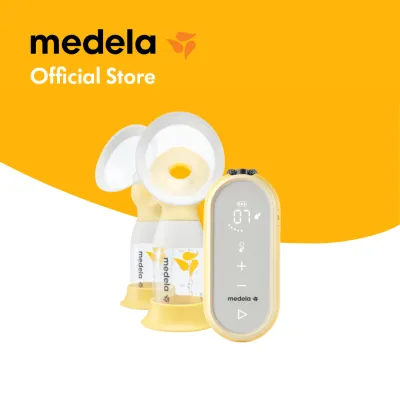
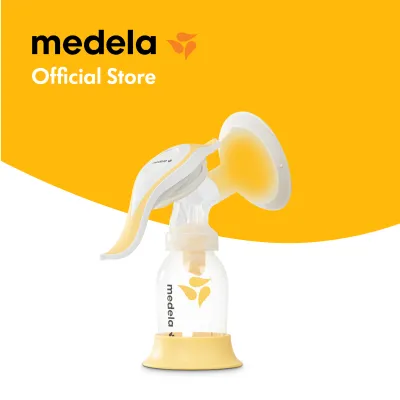
Prices are valid at publication and may change. Please refer to the product page for the latest price.
Medela Swing vs Freestyle: Key Specifications at a Glance
To make an informed decision, you must first understand the structural and functional differences between these two product lines. Over the years, Medela has updated both platforms, meaning you may encounter different generations of the Swing and Freestyle in physical baby shops and authorized online stores. The classic single Swing and the double Swing Maxi represent the mid-range tier, while the Freestyle Flex and the Freestyle Hands-Free occupy the premium, high-mobility tier.
The table below outlines the key manufacturer specifications for the most common contemporary versions of these pumps. These details provide a factual baseline for comparing their capabilities.
| Feature | Medela Swing / Swing Maxi | Medela Freestyle / Freestyle Flex |
|---|---|---|
| Pumping Type | Single (Swing) or Double (Swing Maxi) | Double Electric |
| Power Source | Mains adapter or disposable AA batteries (Swing); USB-C rechargeable (Swing Maxi) | Built-in rechargeable lithium-ion battery (USB-C) |
| Weight (Motor Unit) | Approximately 200g to 300g (varies by model) | Approximately 270g to 300g (varies by model) |
| Connectivity | None (classic Swing) or Bluetooth compatibility (Swing Maxi) | Bluetooth connectivity to the Medela Family app |
| Standard Inclusions | PersonalFit Flex breast shields, connectors, tubing, bottle stands, and bottles | PersonalFit Flex breast shields, connectors, tubing, rechargeable battery, carry bag, and cooler bag |
| Interface | Simple button interface with LED indicators | Digital touch screen with backlighting and memory function |
Because product packages, regional bundle inclusions, and exact technical specifications can change over time, always verify the details on the product’s packaging or consult the official manufacturer manual before making your purchase. Paying close attention to the specific model name ensures you receive the exact features, such as Bluetooth connectivity or specific flange sizes, that you expect.
Portability and Daily Routine: How Each Pump Fits Your Lifestyle
Your daily environment plays a massive role in determining which breast pump will feel like a helpful assistant rather than a cumbersome chore. The physical design and power configuration of your pump dictate how freely you can move around your home, commute to work, or travel. If you are navigating a busy lifestyle in the Philippines, factoring in long commutes, office setups, and tropical humidity can help you visualize how each model performs in real-world scenarios.

The Medela Swing series is primarily designed for stationary or localized use. While the classic single Swing can run on disposable AA batteries, it is most efficient when plugged directly into a wall outlet using its power adapter. This makes it an excellent fixture for a dedicated pumping station at home, such as next to a comfortable nursing chair or on your bedside table. However, if you need to pump while commuting in a car or moving between rooms to tend to a toddler, relying on disposable batteries can quickly become expensive and inconvenient, while the need for a wall outlet limits your mobility.
In contrast, the Medela Freestyle series is built from the ground up for high-mobility lifestyles. Featuring a built-in, rechargeable lithium-ion battery, the Freestyle allows you to pump anywhere without being tethered to an electrical outlet. Its compact, pocket-sized motor unit can be slipped into a pocket or clipped to your waistband, giving you the freedom to move around the kitchen, answer emails at your desk, or pump during a long road trip. The inclusion of a dedicated carry bag and a cooler bag with a contoured ice pack in many Freestyle packages further enhances its appeal for working mothers who must transport expressed milk safely from the office to home.
Another crucial aspect of daily convenience is hands-free operation. The classic Swing and Freestyle Flex both utilize traditional, external bottles that hang from the breast shields, which generally requires you to wear a structured hands-free pumping bra if you want to keep your hands free to use a computer or hold a book. If absolute discretion and minimal bulk are your priorities, the newer Freestyle Hands-Free model features lightweight, wearable collection cups that fit directly inside your regular nursing bra. When choosing your pump, carefully review the package contents to determine whether you will need to purchase additional accessories, such as a specialized pumping bra, to achieve the level of hands-free convenience your routine demands.
Pumping Frequency and Efficiency: Matching Output to Your Needs
Your pumping frequency is closely tied to your milk supply goals and daily schedule. Mothers who pump exclusively—meaning their babies receive breast milk solely from a bottle—require a highly robust, efficient pump capable of enduring five to eight sessions per day. Conversely, mothers who primarily direct-latch and only pump occasionally to relieve engorgement or build a modest freezer stash can easily manage with a simpler setup.
The primary driver of pumping efficiency is whether the device supports single or double pumping. The standard Medela Swing is a single pump, meaning you express milk from one breast at a time. While highly effective for occasional use, single pumping doubles the time you spend attached to the machine, which can quickly lead to physical and mental fatigue if you are pumping multiple times a day. The Swing Maxi and the Freestyle series are double electric pumps, allowing you to express from both breasts simultaneously. Double pumping not only cuts your pumping time in half but has also been shown to stimulate a higher volume of milk expression and support overall supply maintenance over time due to the increased hormonal response.
Both the Swing and Freestyle lines utilize Medela’s proprietary 2-Phase Expression technology, which closely mimics a baby’s natural sucking pattern. The cycle begins with a rapid stimulation phase to trigger the let-down reflex, followed by a slower, deeper expression phase to maximize milk flow. You can adjust the vacuum levels on both models to find your personal comfort zone. It is a common misconception that higher suction levels yield more milk; in reality, excessive suction can cause pain, tissue damage, and actually inhibit your let-down. If you experience persistent pain, chafing, or a sudden drop in milk output while pumping, stop using the device and consult a certified lactation consultant or your healthcare provider immediately.
Noise level is another critical consideration, particularly if you plan to pump in a shared office space, during virtual business meetings, or in a quiet nursery while your baby sleeps nearby. While both lines feature relatively quiet motors compared to older industrial breast pumps, the compact motors of the Freestyle series and the Swing Maxi tend to produce a low, rhythmic hum. Because sound perception is subjective and can be influenced by the surface on which the pump is placed, it is wise to check the manufacturer’s official specifications or verified user guides if quiet operation is a non-negotiable requirement for your daily environment.
Budget and Value: Evaluating Costs and Replacement Parts
Investing in a high-quality breast pump is a significant financial decision. In the Philippines, breast pumps represent a major household expense, and it is important to look beyond the initial purchase price to evaluate the long-term value, warranty support, and the cost of ongoing maintenance.
Generally, the Medela Swing series serves as a more accessible entry point into the brand’s ecosystem. If your budget is modest and you do not require extreme mobility, a single Swing or a Swing Maxi offers medical-grade engineering at a lower price bracket. The Freestyle series, with its advanced touch screens, rechargeable lithium-ion batteries, and comprehensive travel accessories, sits firmly in the premium price tier. When calculating your budget, consider whether the time saved and the added convenience of the Freestyle’s rechargeable battery justify the higher upfront cost for your specific daily routine.
Beyond the initial purchase, you must factor in the cost and availability of replacement parts. Breast pump components—specifically the silicone membranes, valves, tubing, and breast shields—are subject to wear and tear. Over time, these parts stretch, lose their elasticity, or accumulate microscopic residue, which directly degrades the pump’s suction power and efficiency. In the humid, tropical climate of the Philippines, keeping spare parts on hand is highly recommended, as moisture can sometimes prolong drying times. Fortunately, because Medela is a globally established brand, genuine replacement parts like the PersonalFit Flex connectors and membranes are widely available in local baby specialty stores and major online marketplaces.
To protect your investment and ensure your safety, always purchase your breast pump and accessories from authorized local distributors or official brand stores. Buying parallel imports or unverified units from unauthorized online sellers carries significant risks, including the potential for counterfeit electrical components, lack of access to warranty services, and parts that do not comply with medical-grade safety standards. A valid local warranty ensures that if your pump motor encounters a technical fault, you can access prompt repair or replacement services without disrupting your feeding schedule.
Final Verdict: How to Decide Between Swing and Freestyle
To finalize your decision, take a moment to assess your daily routine, your primary pumping location, and your long-term breastfeeding goals. Both the Medela Swing and the Medela Freestyle are exceptional machines, but they serve distinct lifestyles.
Apply this decision framework to determine which model aligns best with your needs:
- Choose the Medela Swing (or Swing Maxi) if: You primarily pump at home near a reliable power outlet, have a flexible schedule that accommodates longer or stationary pumping sessions, and want a dependable, cost-effective double or single pump for occasional or supplementary use.
- Choose the Medela Freestyle (or Freestyle Flex) if: You are an exclusive pumper, are returning to a demanding workplace with limited access to private power outlets, commute frequently, and require a highly portable, lightweight double pump with a built-in rechargeable battery and smart tracking features.
- Verify first if: You are unsure of your correct breast shield (flange) size, as using an ill-fitting flange can cause pain and reduce milk expression. You should also verify the compatibility of the pump with your existing baby bottles and check the warranty terms provided by your local authorized retailer.
Ultimately, the best breast pump is the one that fits seamlessly into your life and supports your physical comfort. Prioritizing your well-being, mental health, and comfort during this transition is essential, as a relaxed mother is the true key to a successful and sustainable breastfeeding journey.
Frequently Asked Questions (FAQ)
Can I use the same bottles and flanges for both Medela pumps?
Generally, Medela maintains a high degree of cross-compatibility across its product lines, allowing you to use standard Medela wide-neck bottles and PersonalFit Flex breast shields with both the Swing and Freestyle series. However, the internal connectors—the plastic pieces that house the membrane and link the breast shield to the tubing—differ significantly between models. For example, the connectors designed for the Freestyle Flex and Swing Maxi are distinct from those used in older, classic Swing models. Always consult the manufacturer’s official compatibility chart or product manual before purchasing extra accessories to ensure they fit your specific model.
How do I clean and maintain the pump parts safely?
To protect your baby from harmful bacteria, clean all pump parts that come into contact with breast milk after every use. Begin by disassembling all parts, rinsing them with cold water to remove milk residue, and washing them thoroughly in warm, soapy water using a dedicated basin and brush. Rinse the parts with clean water and allow them to air-dry completely on a clean, dedicated rack.
Before sterilizing, consult your specific product manual to verify safe sterilization methods, such as boiling or using a steam sterilizer. Never boil, microwave, or submerge the pump tubing or the motor unit itself, as moisture will damage the internal electronic components and void your warranty. Replace worn-out silicone membranes and valves regularly to maintain optimal suction performance.

Community discussion
Share your experience or ask a question. Comments are reviewed before publication.